Mar
12
In the space of 10 minutes we saw this Great Gray Owl hunt twice – successfully. This was the first meal…
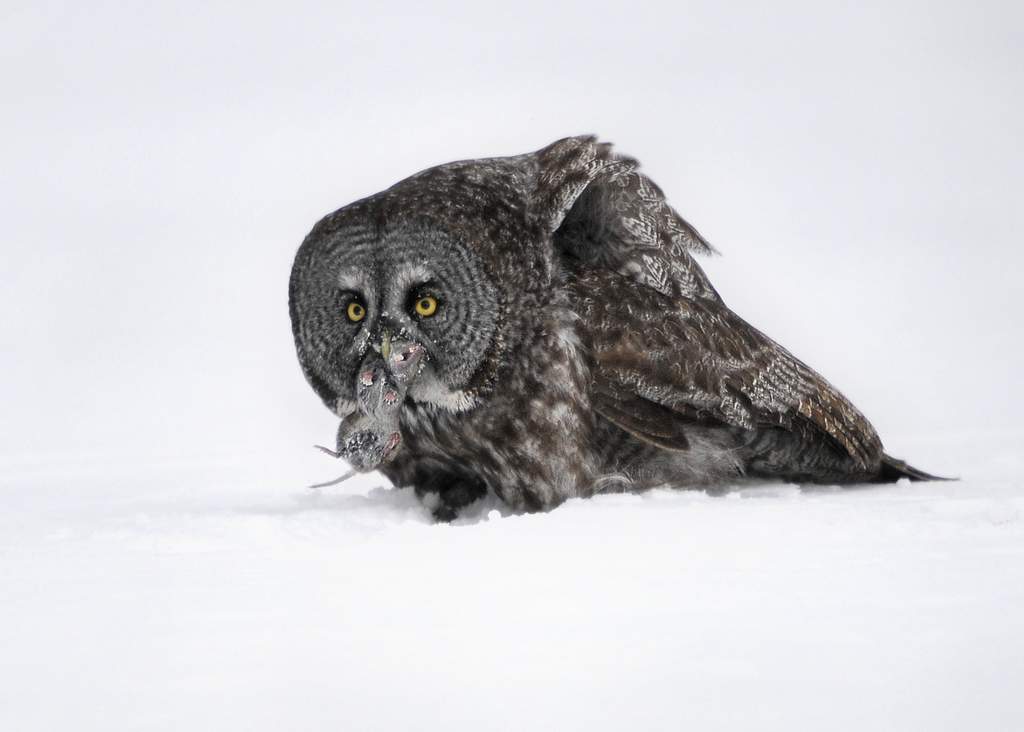

In the space of 10 minutes we saw this Great Gray Owl hunt twice – successfully. This was the first meal…
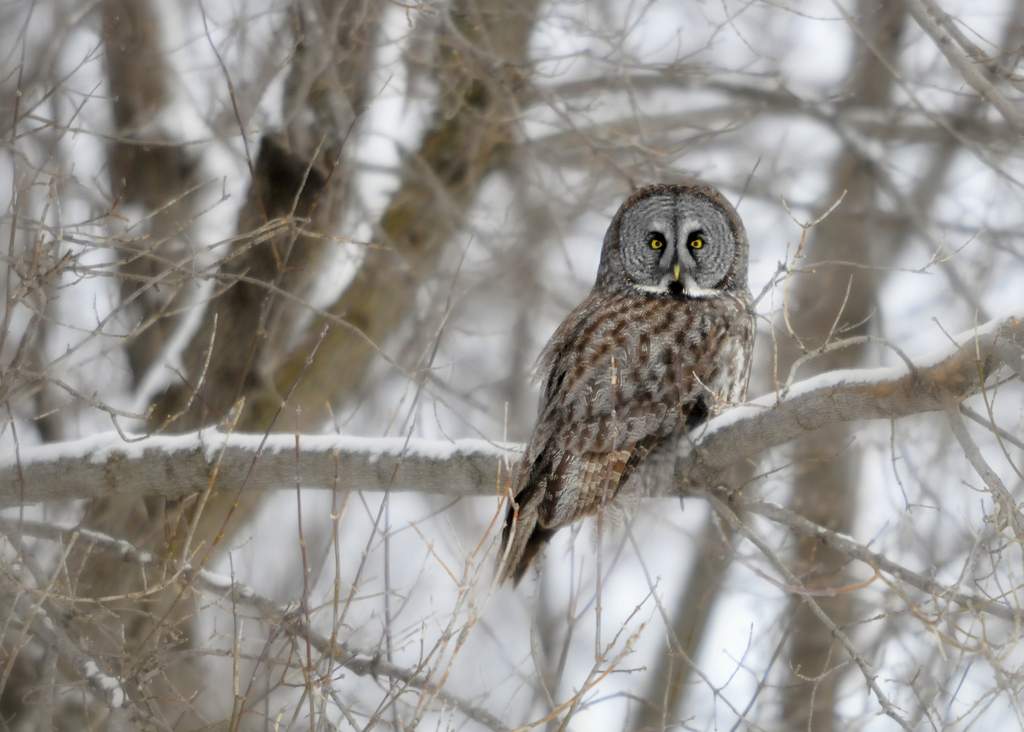
We spent the weekend in Canada looking for Great Gray Owls…more images to follow.
Shot of the Month – February 2013
 A common ailment this time of year in northern latitudes is “cabin fever,”
” a state characterized by anxiety, restlessness, and boredom arising from a prolonged stay in remote or confined space.” (source)
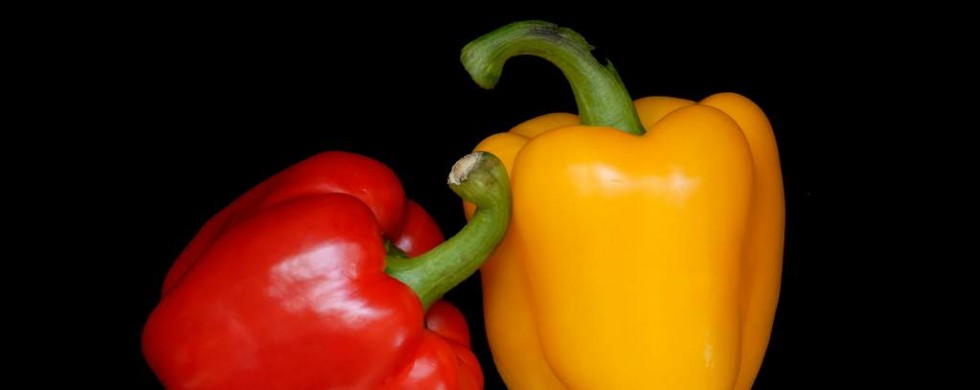
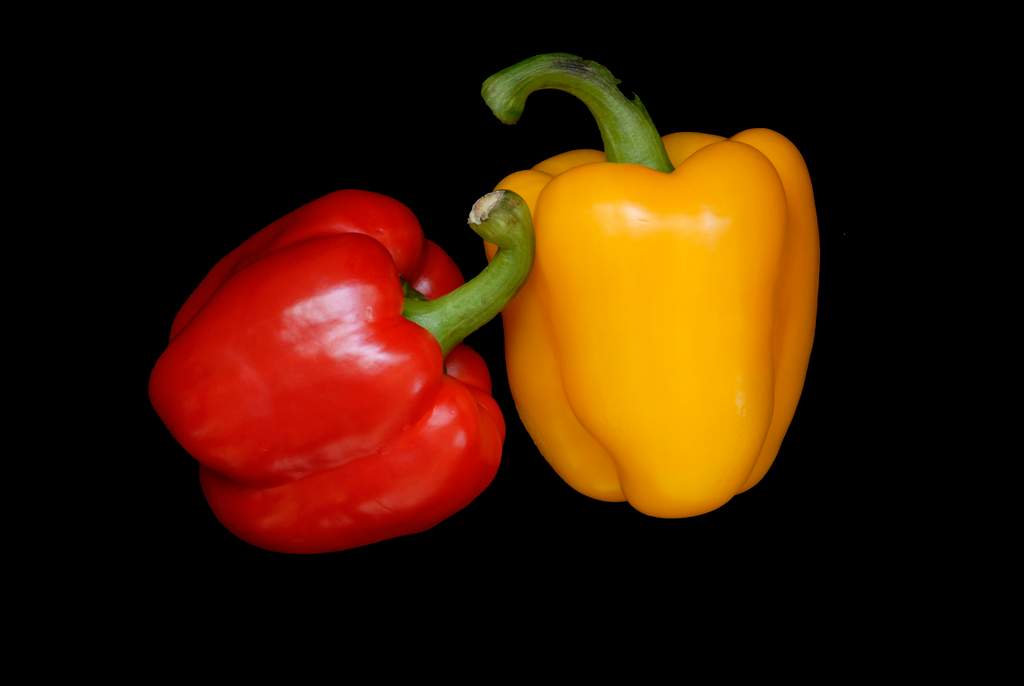
This image is from 2008 and is the result of a similar malady. I had been back in the US for over a year after living overseas most of my adult life. Since returning I had not made any ventures into nature nor taken any photos. It was near the end of a long winter. I was bored. I missed engaging with nature.
I needed to take a photo of something.
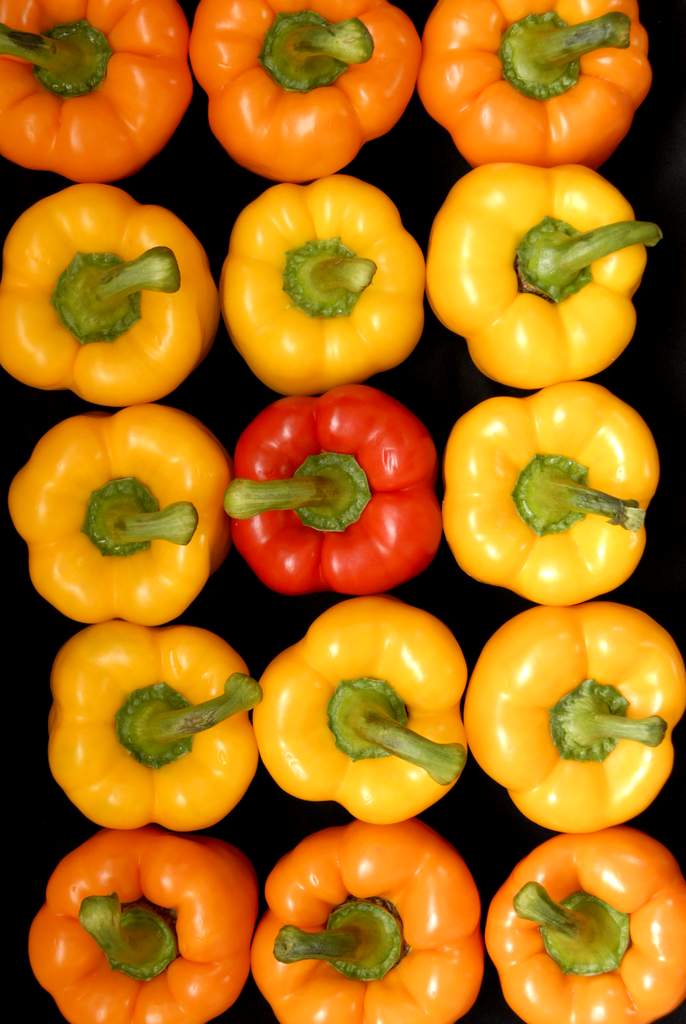
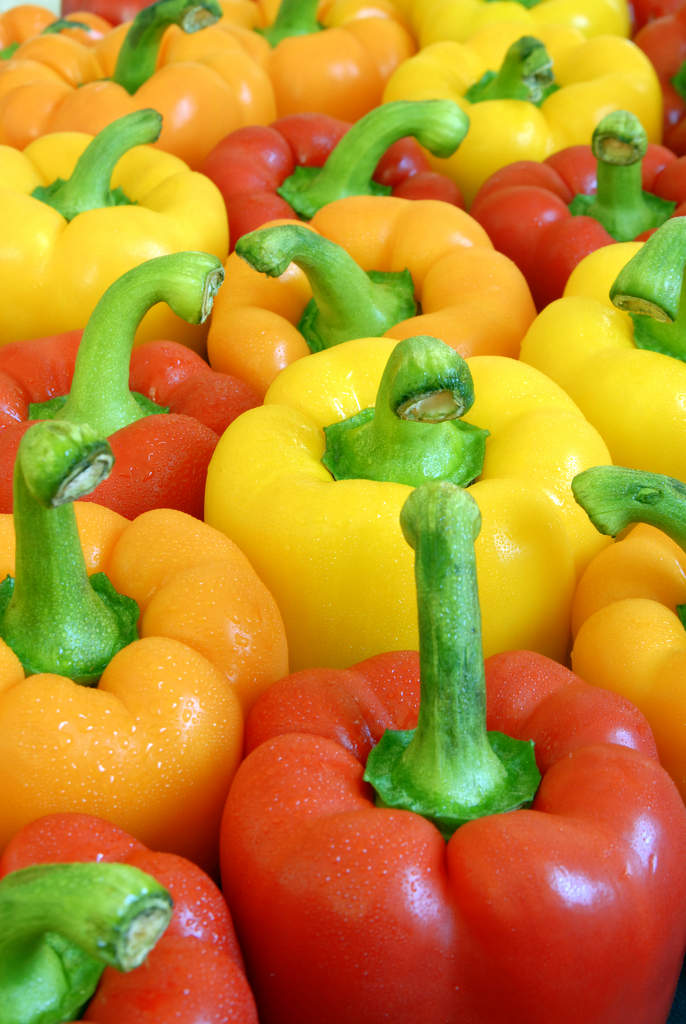
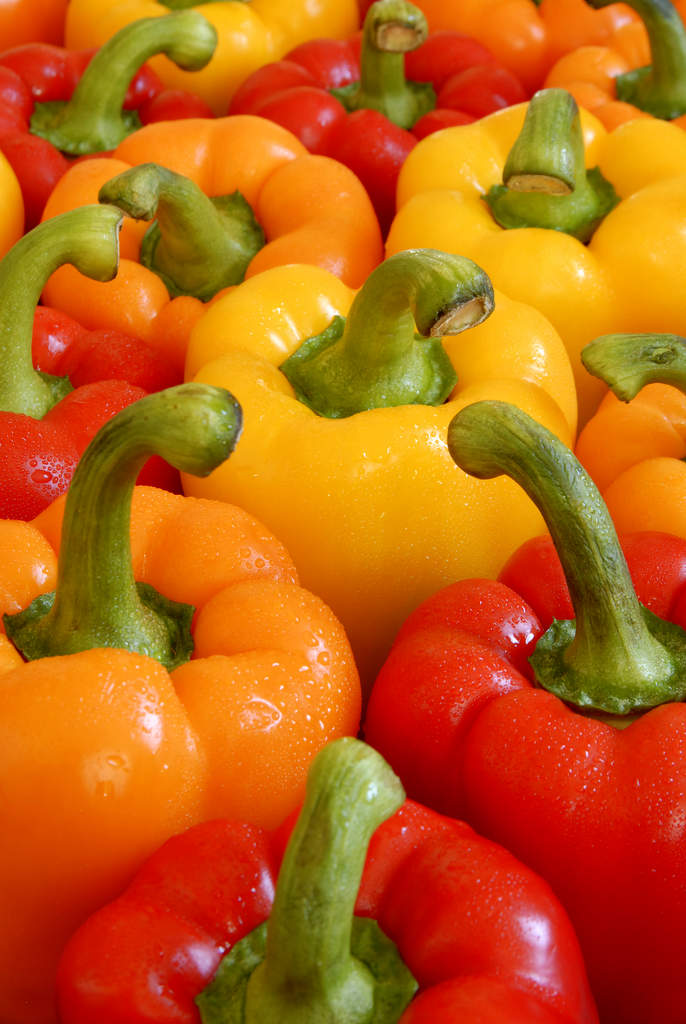
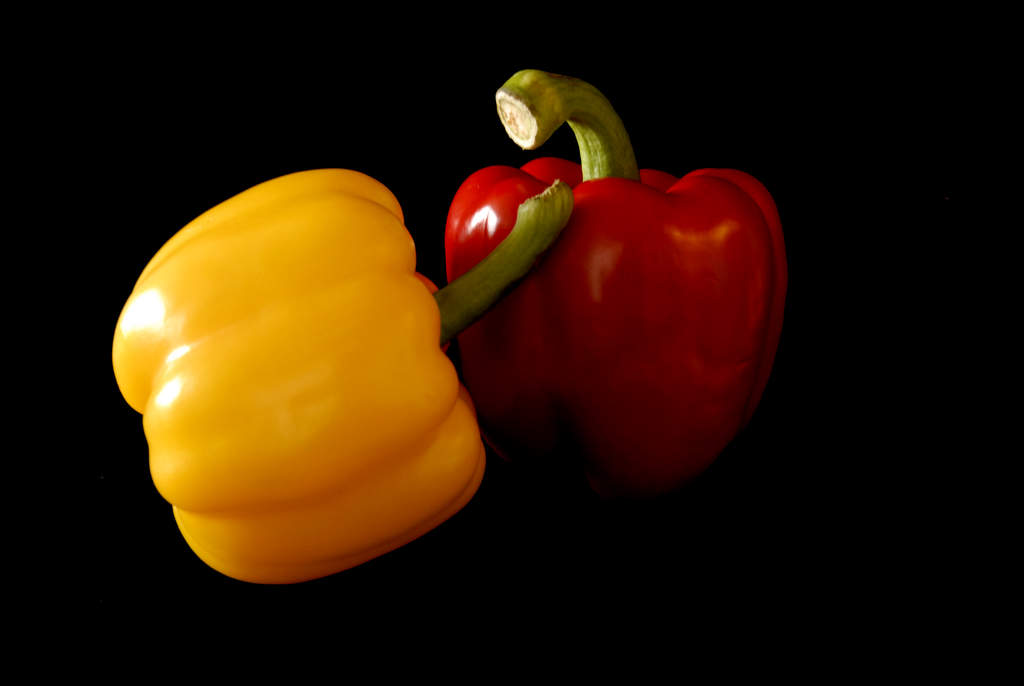
Alas, I was living in an urban setting and wildlife was scarce. In my visually mundane environment, one blast of color stood out. Each week we would go to the grocery store and I was captivated by the explosion of color in the vegetable department. There were rows and rows of bell peppers in vibrant hues of green, yellow, and red. Each week I found myself lingering in the produce section wondering how I could capture that visual feast.
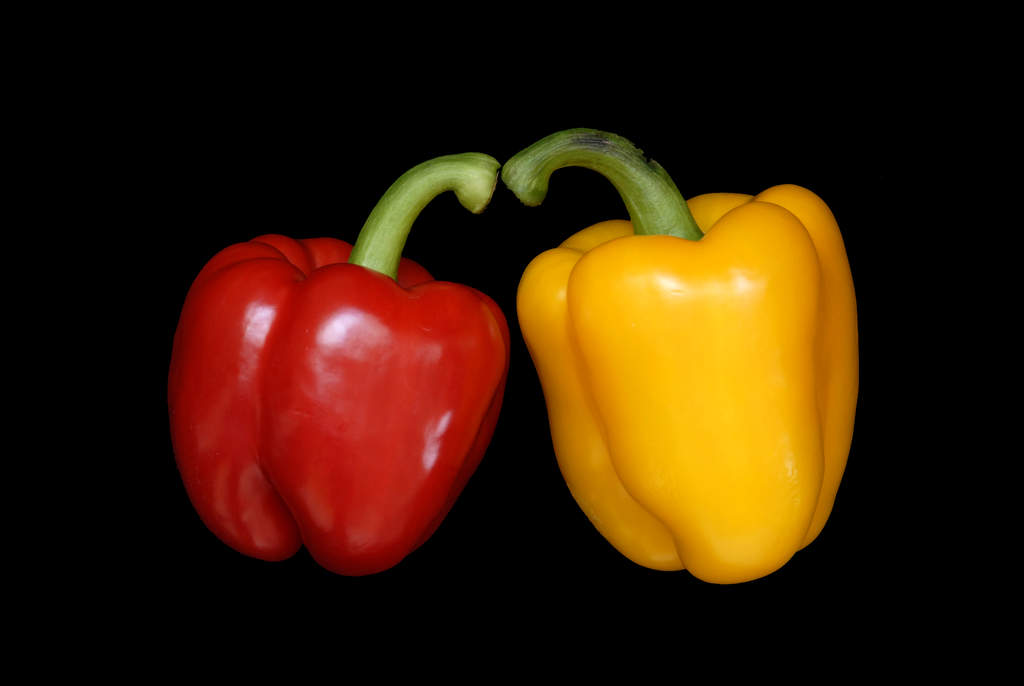
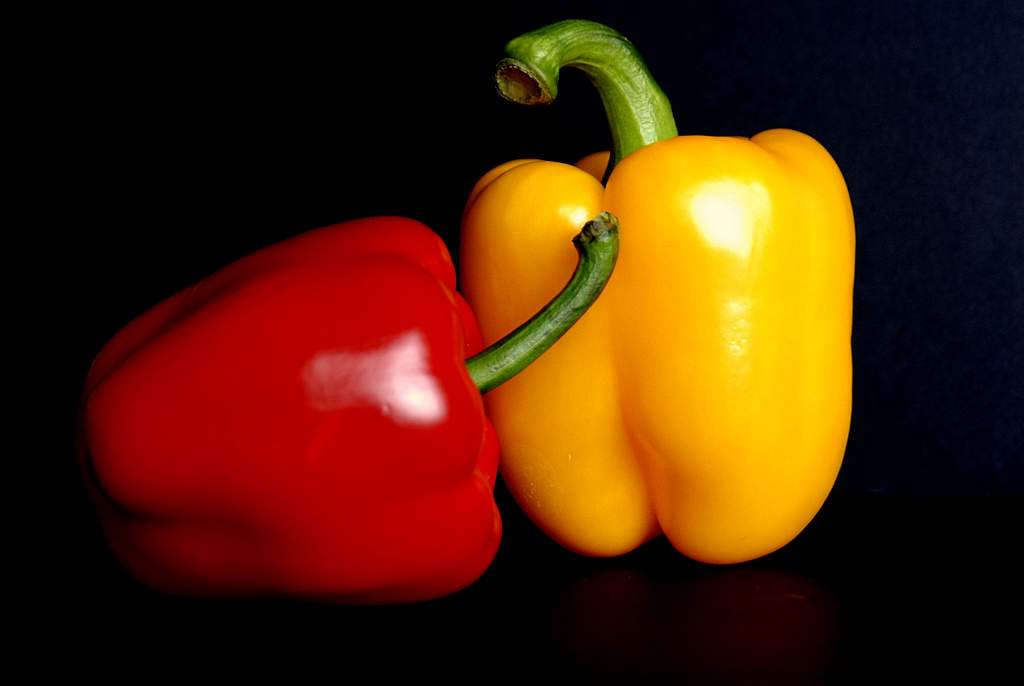
The fever was obviously running high as I purchased a ridiculous number of peppers (disregard the odd look from the checkout person). Once home I realized that I did not have enough. Back to the store to buy more. Then I went to the art supply store and purchased some black poster board. And then I began photographing, uh, peppers. I didn’t really know what I was doing as I never do “studio shooting.” I didn’t have the proper light set up, nor the knowledge or technique. But the project kept me engaged for days.
This shot, “Pepper Love,” is popular this time of year since February is also home to Valentine’s Day. In my defense, I can merely plead “Innocent due to insanity.”
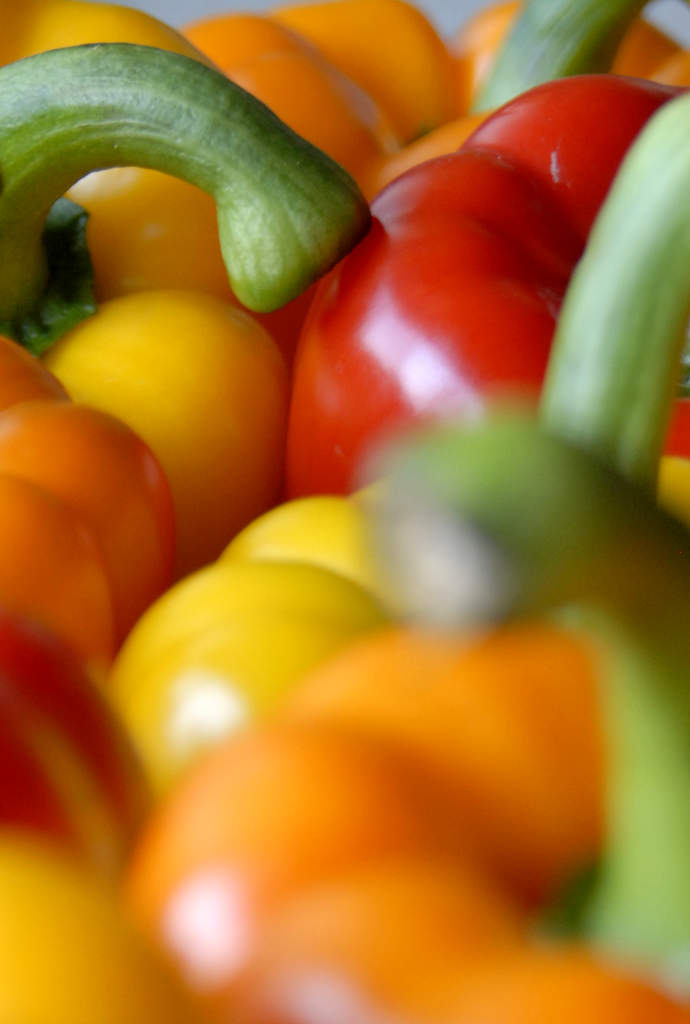
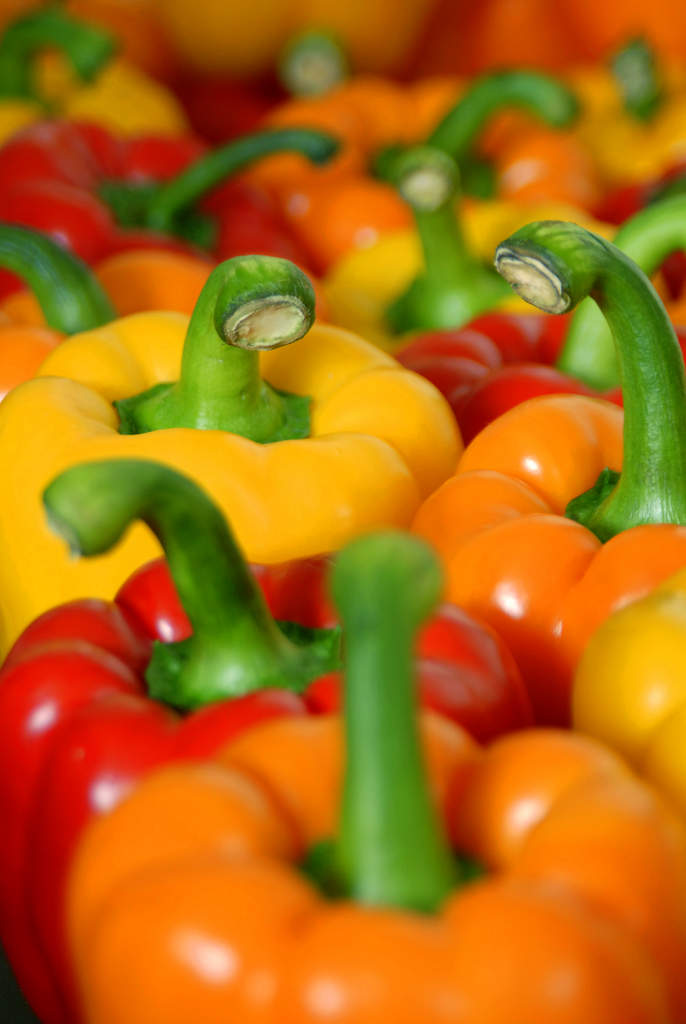
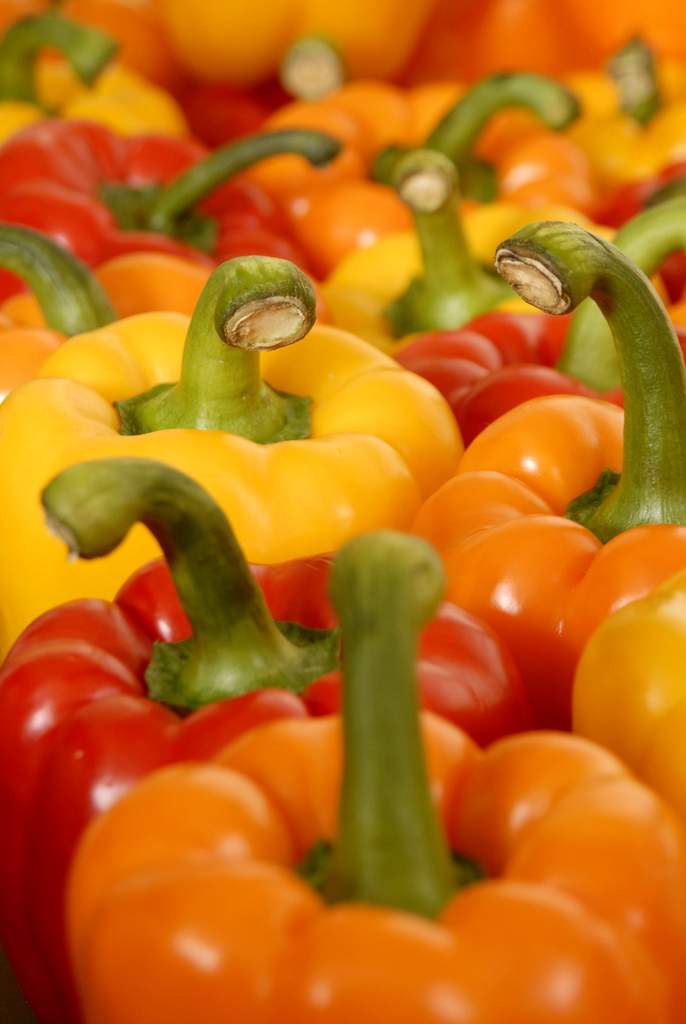
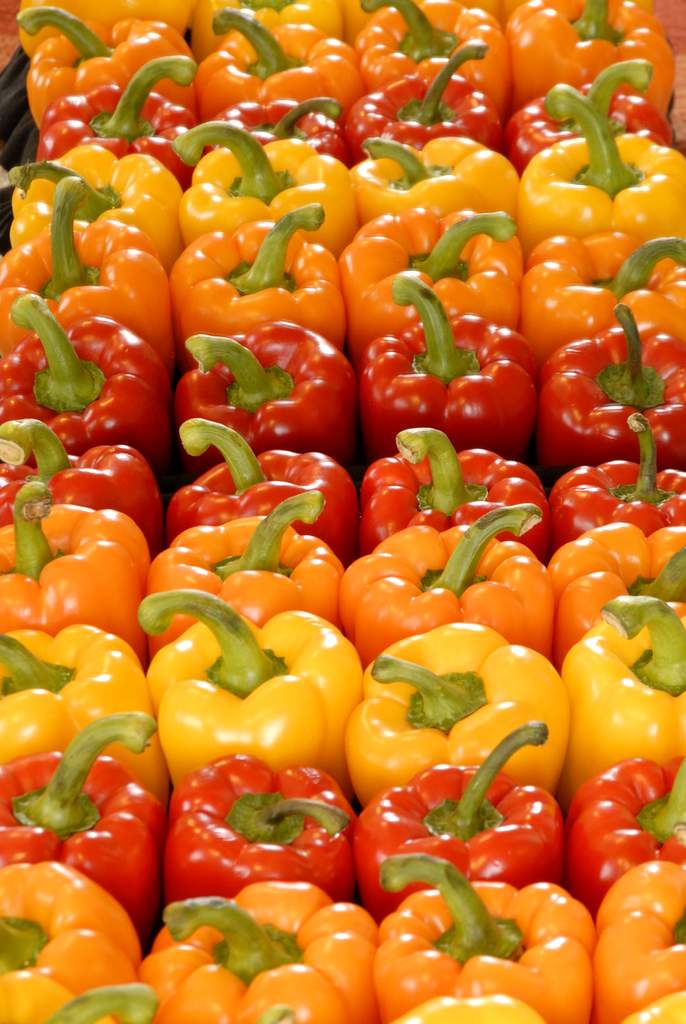
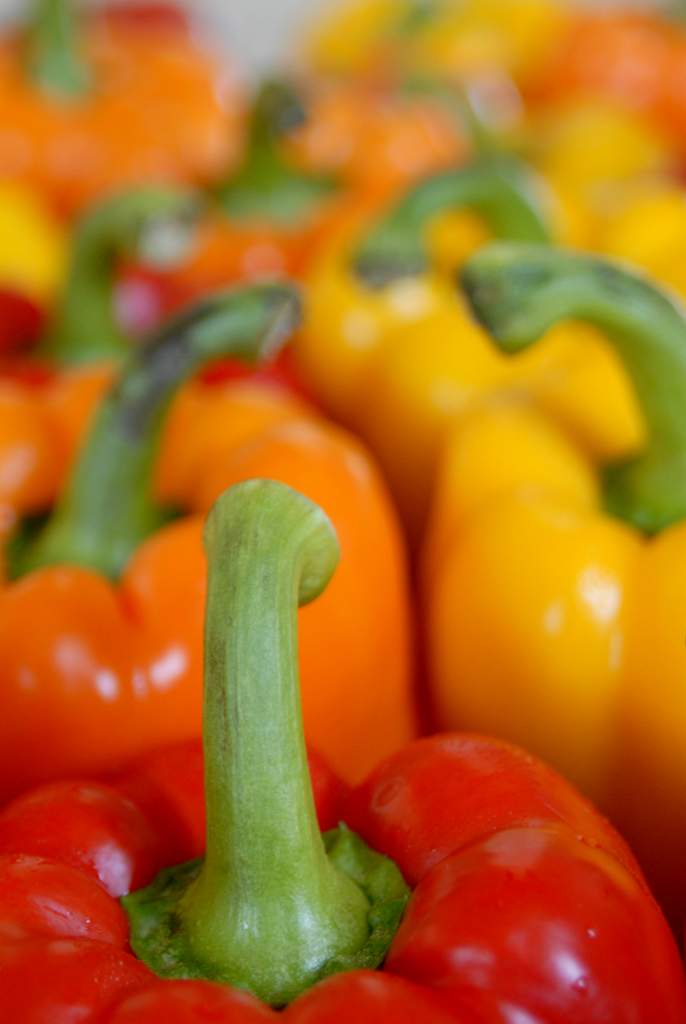
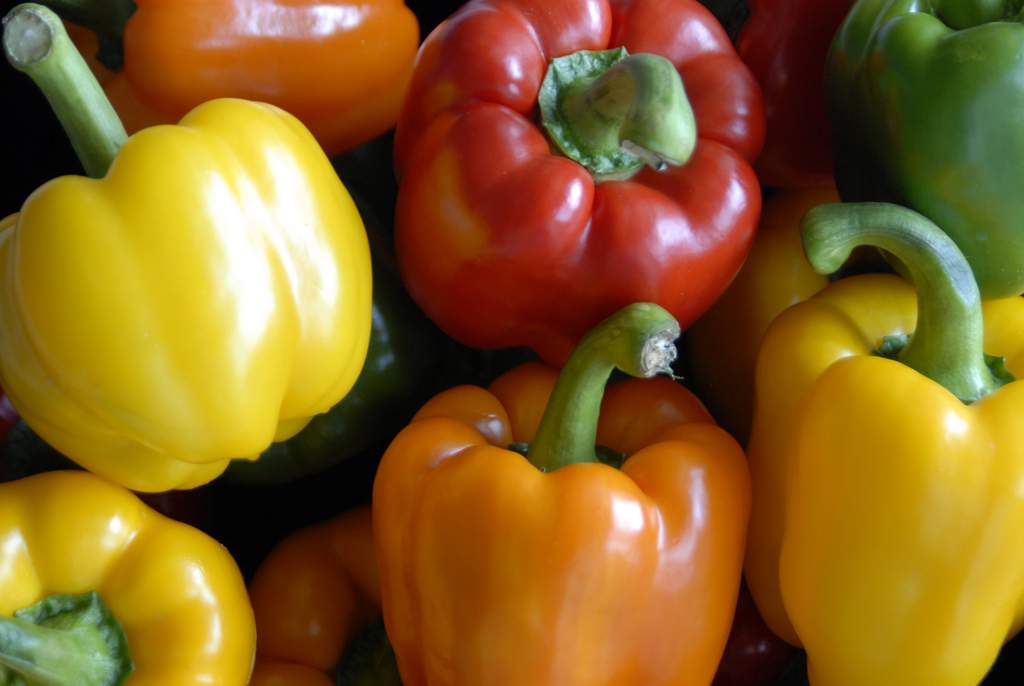
I tried all sorts of arrangements. Peppers lined up in rows. Peppers piled high in a bucket. Peppers grouped by color. Then alternating by color. Used a mirror to create the illusion of infinite peppers. Peppers sprayed with water. Intimate portraits. Then mob scenes. Stems lined up. Stems alternating. The delirium raged.
Once the fever passed, a cold hard reality set in. What in the hell were we going to do with all these rapidly ripening peppers? Let’s just say that our freezer was overflowing and we explored a vast range of recipes requiring peppers long into the spring and summer. (I believe it took about a year till the last one was gone…)
In the end, I did not get many images that worked. My lack of experience won out. But I did learn a lot and I am sure that I would get better images on the next attempt. And we do have all those pepper recipes collecting dust…. hmmmn….
A few more “slides” that confirm the diagnosis of “cabin fever.” (Click on a cropped thumbnail to see the full image)
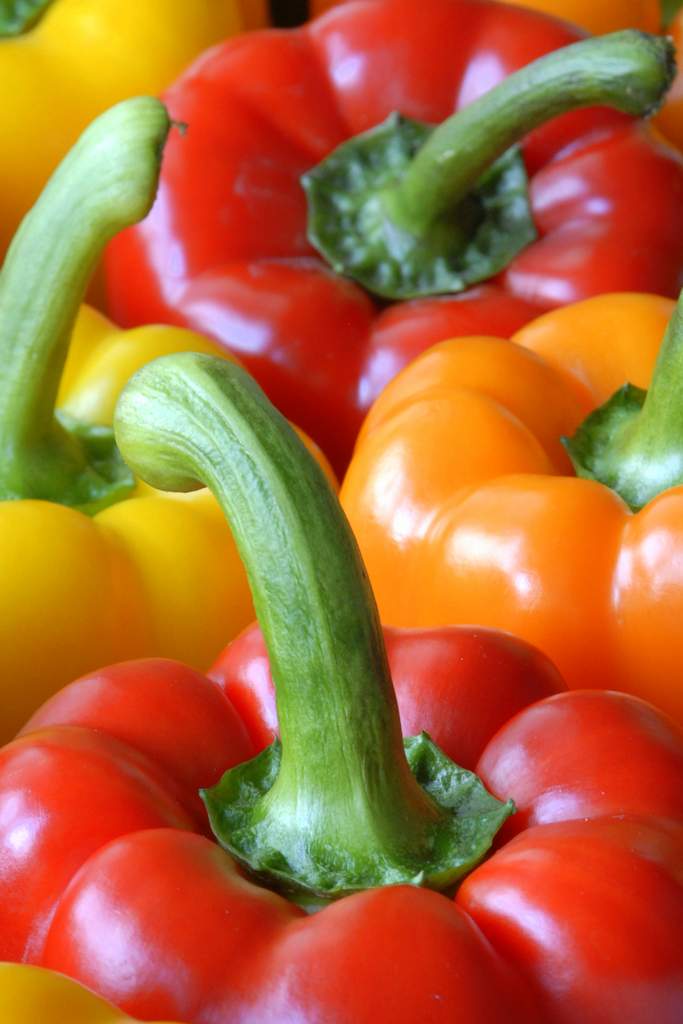
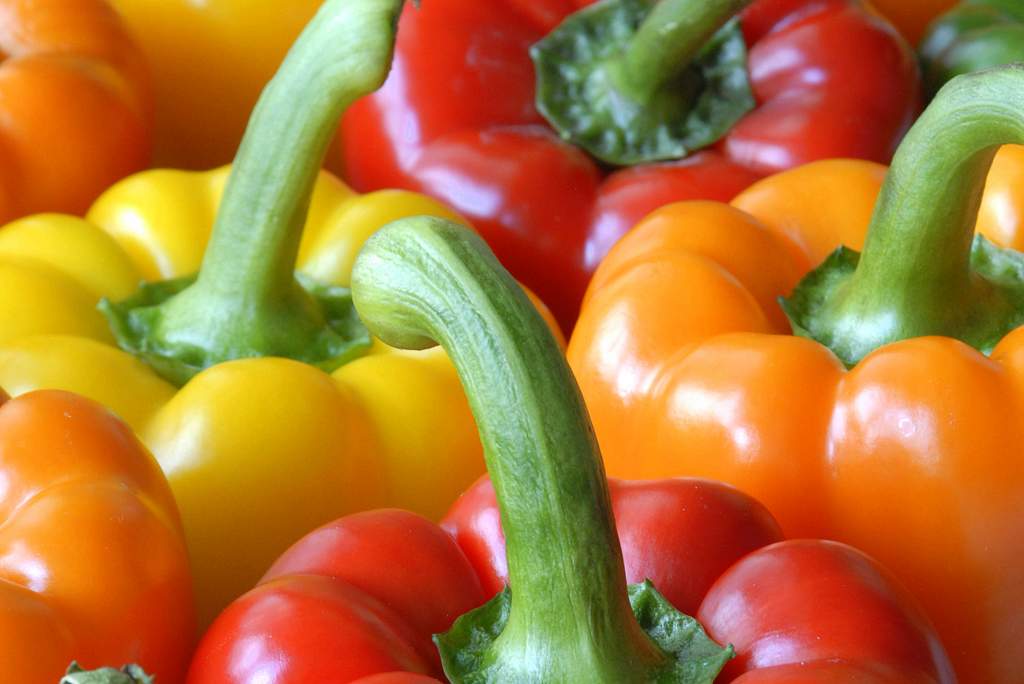
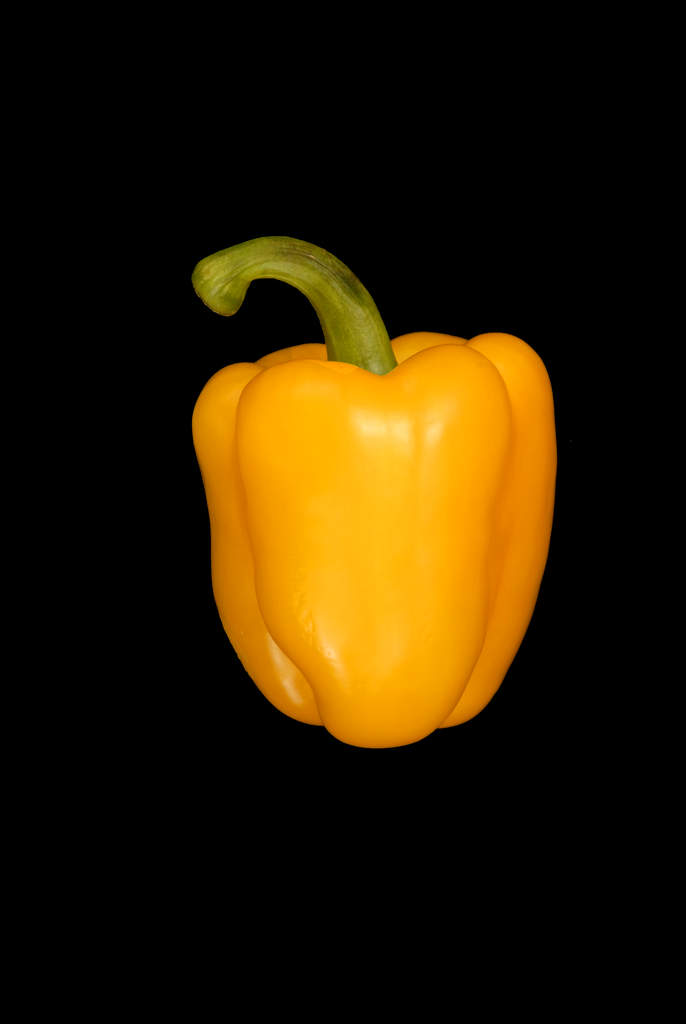
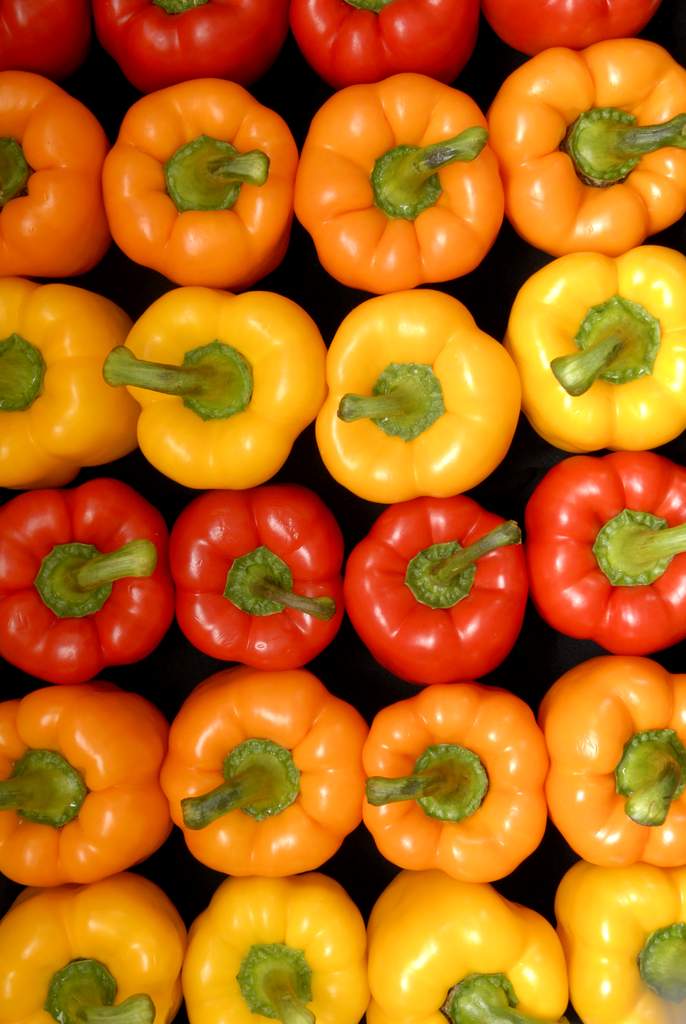
Until next month…. 🙂
Shot of the Month – January 2013
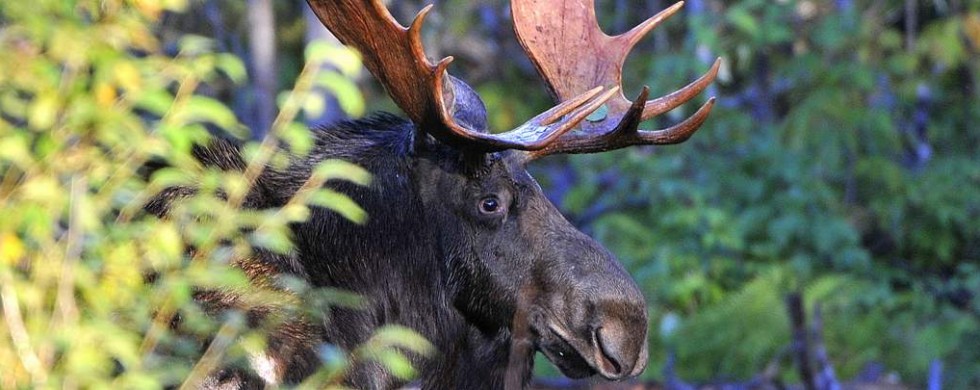
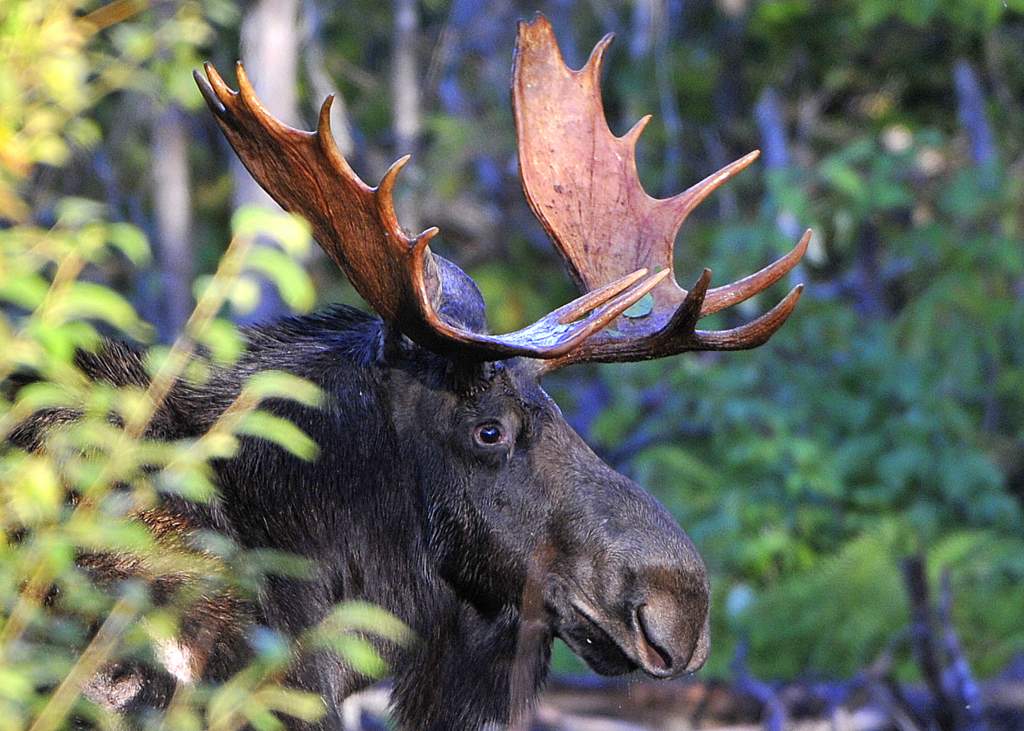 This month an image of the largest living deer species, the moose. Moose are distributed across a large range of the Northern Hemisphere so depending on where you are, you may see one of six distinct subspecies. This particular fellow, photographed in Maine, is an Eastern moose.
Canada is home to most of the moose in the Western Hemisphere with a population of 500,000 to 1 million. In the U.S. moose can be found in 15 states. Alaska is king with a population of 200,000. Northern New England states are another moose hotspot with Maine’s population of 76,000 taking the honors. Wyoming has a population of about 8,000 moose and Minnesota has 5,600 Bullwinkles.
In Europe moose are found mainly in Russia (pop. 730,000), Norway (pop. 120,000), Sweden (pop. 300,000 to 400,000), Finland (pop. 115,000), and a smattering in a few other countries.
From this list of countries, you can deduce that moose like cold weather — they primarily live in boreal and mixed deciduous forests in temperate and subarctic climates. Check out this site for some great maps and information on where moose live.
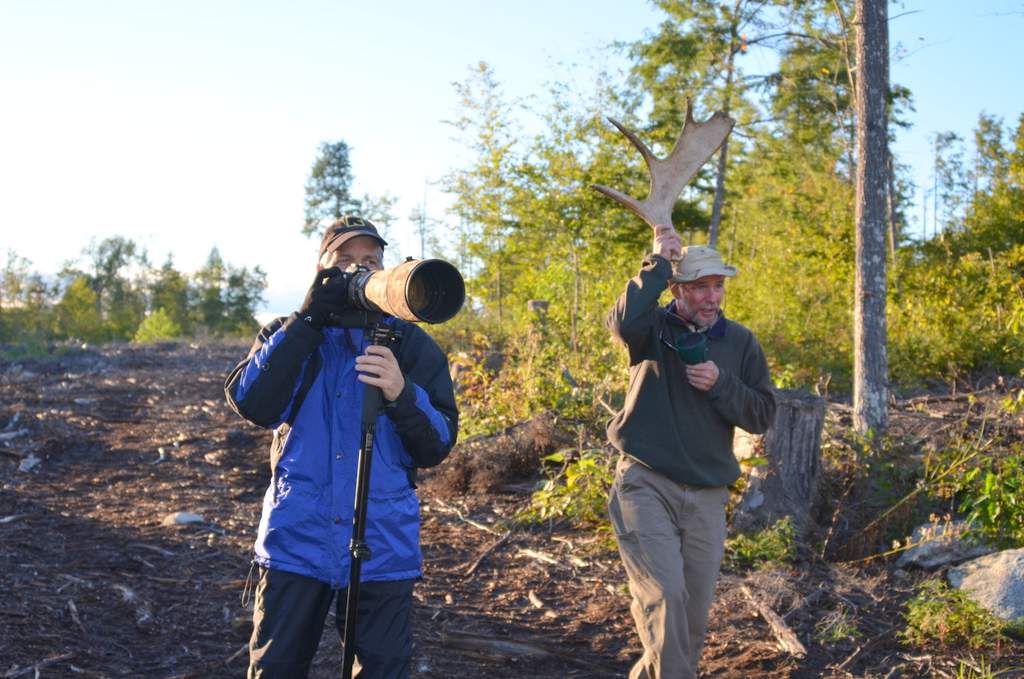
So, how does one find a moose to take his picture? Well, for me it involved spending a sleep-deprived week in Maine. Each day we would get up at 4:15 am to be on the road by 5:00 am. With our local guide Bryant at the wheel we spent each day wandering logging roads in search of moose. We usually did not get back to our hotel until 7 pm. Just enough time for a shower, download photos, and perhaps eat. We were too tired to go out for dinner and typically just nibbled on food we had brought along. In bed by 10 because 4:15 comes at you fast and hard. Repeat.
We timed our visit to coincide with the mating season. During this period both male (bull) and female (cow) moose call out to attract a partner. Several times a day we would stop at “favorable” locations and our guide would imitate a moose call to try and draw in a bull. In the second image, you can see me taking the photo of the moose shown above. Bryant had successfully called this large male in. You may notice that Bryant is holding up an antler — his attempt to look moose-like. Moose have terrible eyesight but excellent hearing and sense of smell.
Seeing a bull moose on a crisp autumn day in Maine…can be tiring, but definitely one for the life list.
Until next month….m
Shot of the Month – December 2012
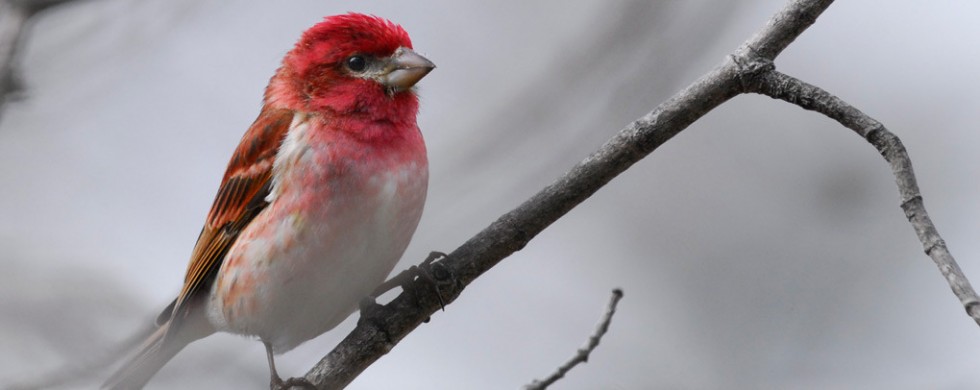
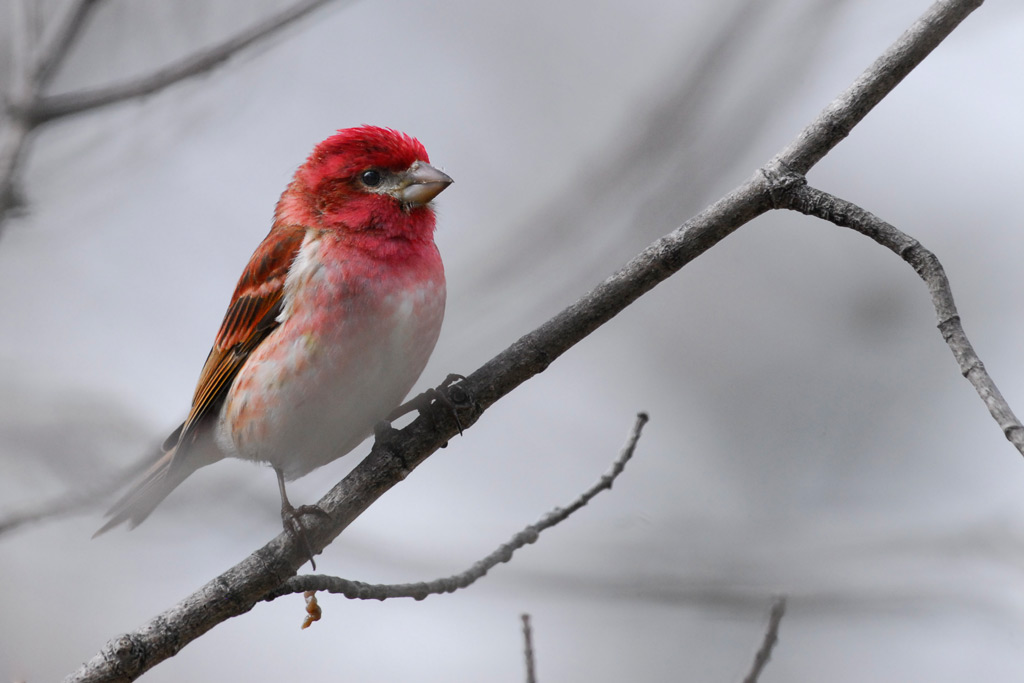 This month an image that hints at the beauty of the male Purple Finch. Do not adjust your monitor — the name is a red herring. There is nary a purple feather to be found on the fellow.
A more accurate, and superbly sublime, description of this bird was offered by Robert Tory Peterson (all birders in the crowd are now bowing in reverence…)… when he said that the male Purple Finch looked like a “sparrow dipped in raspberry juice.”
What can I add to that mental image that won’t seem terribly pedestrian?
No raspberry dipping for the female — she is is striped strictly in brown and white giving a very monochromatic sparrow-like appearance.
Purple finches breed in Canada and live year-round in Northeastern US and along the American Pacific Coast. In the winter many will migrate down from Canada into most of the states in the eastern half of the US.
Purple Finch Fun Fact: They are the state bird of New Hampshire.
Many people confuse the Purple Finch with the House Finch — they look quite similar. A quick tip for telling them apart: The Purple Finch’s beak is conical shaped while the House Finch’s upper mandible is curved downward. Over the past 40 years, the range and number of House Finches has grown significantly across the United States while the number of Purple Finches has dropped dramatically. Seems that the House Finch is rather aggressive and typically wins the battle for food against the Purple Finch.
Purple Finches dine, at least when House Finches aren’t around, primarily on seeds, berries, and insects. At backyard bird feeders they are particularly fond of black oil sunflower seeds or millet.
Is it just me, or is this whole “purple’ thing driving you crazy, too? Why does a rose-colored bird have “purple” in its name??!! I did some digging. The best answer I can find came from Chris Petrak:
Aside from the fact that bird names often make no sense, why is it called “Purple Finch?” To answer that, we need to know its scientific name: Carpodacus purpureus. The genus name comes from Greek and means “fruit eaters,” a questionable name for birds which are seasonal fruit eaters, but year-round seed eaters. The species name, purpureus, comes from Latin and means “crimson” or other reddish color. Our word “purple,” meaning a color obtained from mixing red and blue, derives from the Latin, purpureus. The Purple Finch is really a crimson-colored finch. Or, translating its scientific name, it is “crimson fruit-eater.” When taxonomists give birds their scientific names and common names, they put aside their science and become impressionistic artists.
A few other writers put forth that the word “purple” in days of olde used to be understood to be much redder in hue than as understood in our modern take of said color. So, way back when, the use of “Purple” Finch would have been more accurate.
Neither answer is terribly satisfying, however I console myself by imagining raspberry sparrow dunking, and my spirits are immediately lifted.
Until next month…Happy New Year!

