Puma

Shot of the Month – December 2024

Puma, Patagonia (7253)

Thought #1:  I can’t believe that this is happening!  Look at this magnificent creature!

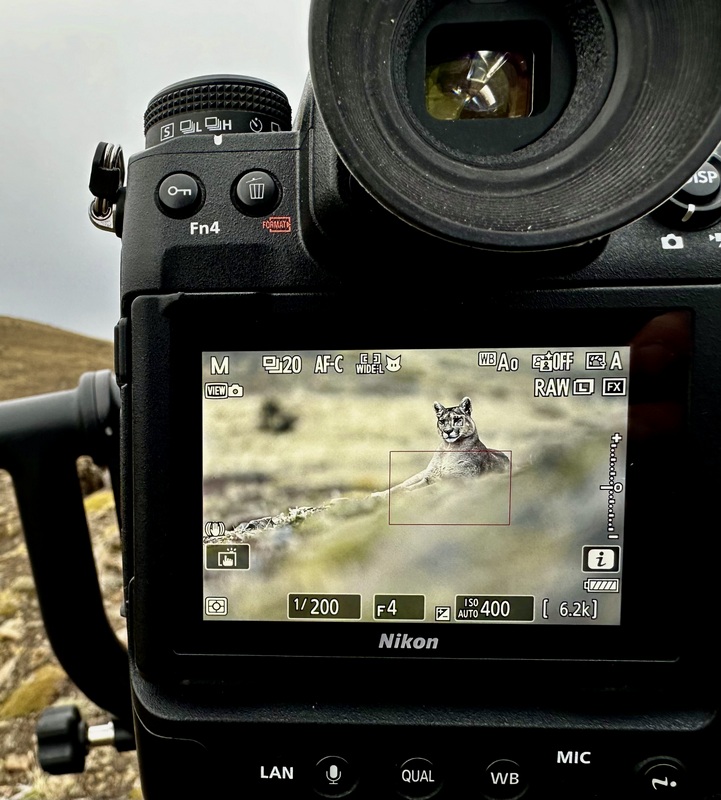
After traveling for more than three days, navigating three airports, and traversing more than 7,500 miles, I was finally in Patagonia.  And on our very first morning, after hiking for only a few hours, we had already found our first puma!  I couldn’t believe our good fortune.  We watched her through our lenses and binoculars for 45 minutes as she sat peacefully.  And then she stood up, crouched, and started walking.

Walking in my direction.

Thought #2:  “She is staring right at ME!  And here she comes!  This is amazing!  I am going to get a great photo on my very first sighting.”

She kept coming.  The muscles in her shoulders rippled with each step.  Her gaze never wavered as she continued forward.  With each step, she appeared larger and larger and soon filled the viewfinder of my camera.

Thought #3:  “Uh, this may have been a mistake.  Those paws are huge!  Is she hunting me?   This may not go well….”

As you may have gathered, she did not eat me.   She did, however, walk directly beside me – she had seen prey just behind my position and was stalking them.  She walked within 15 feet of me!

I had traveled to Chile specifically to try and add a new feline apex predator, the Puma, to my photography portfolio.  Success!

More on this wildcat:

What’s in a name?

Apparently, the Puma holds the Guinness World Record for the animal with the greatest number of names.  I didn’t even know that was a thing.  But there are over 40 names for this lovely cat in English alone.  A few of the most common:

Mountain Lion (United States) = Cougar (Canada) = Puma (Central and South America and most of Europe)

Catamount is another name sometimes used in the United States.

Likewise, Panther = Cougar, Puma, or Mountain Lion.  Everyone got that? All these names refer to the exact same species.

The puma is scientifically classified as Puma concolor.  In Latin, concolor means “one color,” referring to the uniform color of the feline’s coat.  There are only two recognized subspecies:

Puma concolor concolor: South American Cougar, possibly excluding the region northwest of the Andes

Puma concolor cougar:  North American Cougar, found in North and Central America and possibly northwestern South America.  For many years, the Florida Panther was considered its own subspecies, but now scientists consider that population to just be part of the North American Cougar subspecies.

Where can I find one?

Mountain Lions hold another “record” – they are the most widely distributed wild, terrestrial mammal in the Western Hemisphere!!  Pumas are found in 28 countries with a range spanning the Yukon, British Columbia, and Alberta provinces of Canada, the Rocky Mountains, and much of the western United States.  The cat’s range continues through Mexico to the Amazon Rainforest and the southern Andes Mountains in Patagonia.


Many cougars prefer mountain habitats, but as we can see from the range map, pumas are HIGHLY adaptable.  They are found in every New World habitat, including forests, grasslands and steppes (montane deserts), mountains, deserts, swamps, and everything in between.  Pumas were found in all 48 states of the continental US but were wiped out across most of the eastern US due to habitat loss, hunting, and extensive predator eradication campaigns (read more on that here) in the 1800s by the US government.  Cougars were declared extinct east of the Mississippi in the 1930s, although a small population does survive in Florida (the Florida Panthers mentioned earlier).  Since 1950, pumas have been eliminated from Arkansas, Louisiana, Tennessee, and West Virginia.

What are they like?

Pumas are the fourth-largest cat in the world, though ironically, they are not considered a “Big Cat.” That designation goes to the cats of the genus Panthera, which includes the tiger, lion, jaguar, leopard, and snow leopard.  The cats bigger than the puma are the tiger, lion, and jaguar.

Puma size varies by location – they tend to be smaller near the equator and get bigger closer to the poles.  Males weigh from 110 to 180 lbs, while females typically weigh between 70 and 145 pounds.  Males are usually about 30% larger than females.

Pumas are incredibly strong and agile, with long bodies and powerful, short legs.  Their hindlimbs are larger and stronger than their forelimbs, making them extremely good leapers.  How good?  They can jump 18 feet (5 meters) vertically and 40 to 45 feet (12 to 14 meters) horizontally.  Pumas are slower than most of their prey so they are ambush hunters – they stalk quietly and get as close as possible before pouncing on their prey.

What do they eat?

Pumas prefer large mammals, especially ungulates.  In North America, pumas target mule deer, white-tailed deer, elk, moose, mountain goat, and bighorn sheep.  In Central and South America, pumas target guanacos (like a llama), local varieties of deer, rodents, hares, birds, and just about anything else that moves.


Don’t let that “boring” brown coat fool you – there is nothing mundane about this cat.  Pumas are considered a keystone species:

  1. They have conquered every habitat in the Western Hemisphere.
  2. Studies show that cougars interact and influence the behavior of over 450 species across the entire food chain.
  3. Pumas play an essential role in controlling the population of deer and other herbivores, preventing overgrazing, and maintaining healthy vegetation.
  4. By controlling deer populations, pumas indirectly help manage the spread of disease.
  5. Many species alter their behavior in puma habitats out of fear of becoming prey.
  6. Carcasses left behind play an important role in returning nutrients back to the soil and provide an essential food source for scavengers, including birds of prey, mammals, and insects.
  7. Pumas also influence the behavior and distribution of other predators when they share habitats (bears, wolves, jaguars, etc).


Pumas may not be as flashy as some of their feline counterparts but their adaptive skills are second to none, and they play a vital role in keeping our natural world thriving throughout the Western Hemisphere.


Regardless of what the science folks say, pumas are a “big cat” in every sense as far as I am concerned!


Until next month…..michael


Sources:

Cougar (Wikipedia)

Puma (Briticannica)

Puma Facts | Patagonia Wildlife Guide


Nikon Z9, Nikon 600mm, f/4, 1/1000 sec, ISO 400, EV +0.667


Lethal Beauty

Shot of the Month – November 2024

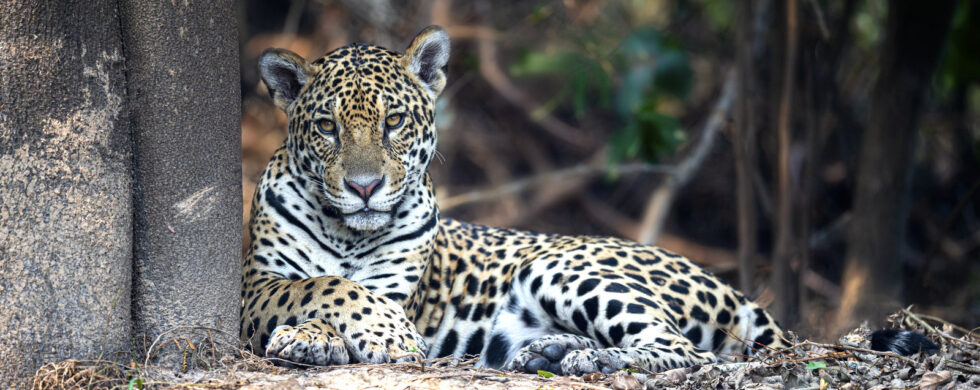
Jaguar, Pantanal - Brazil (4647)

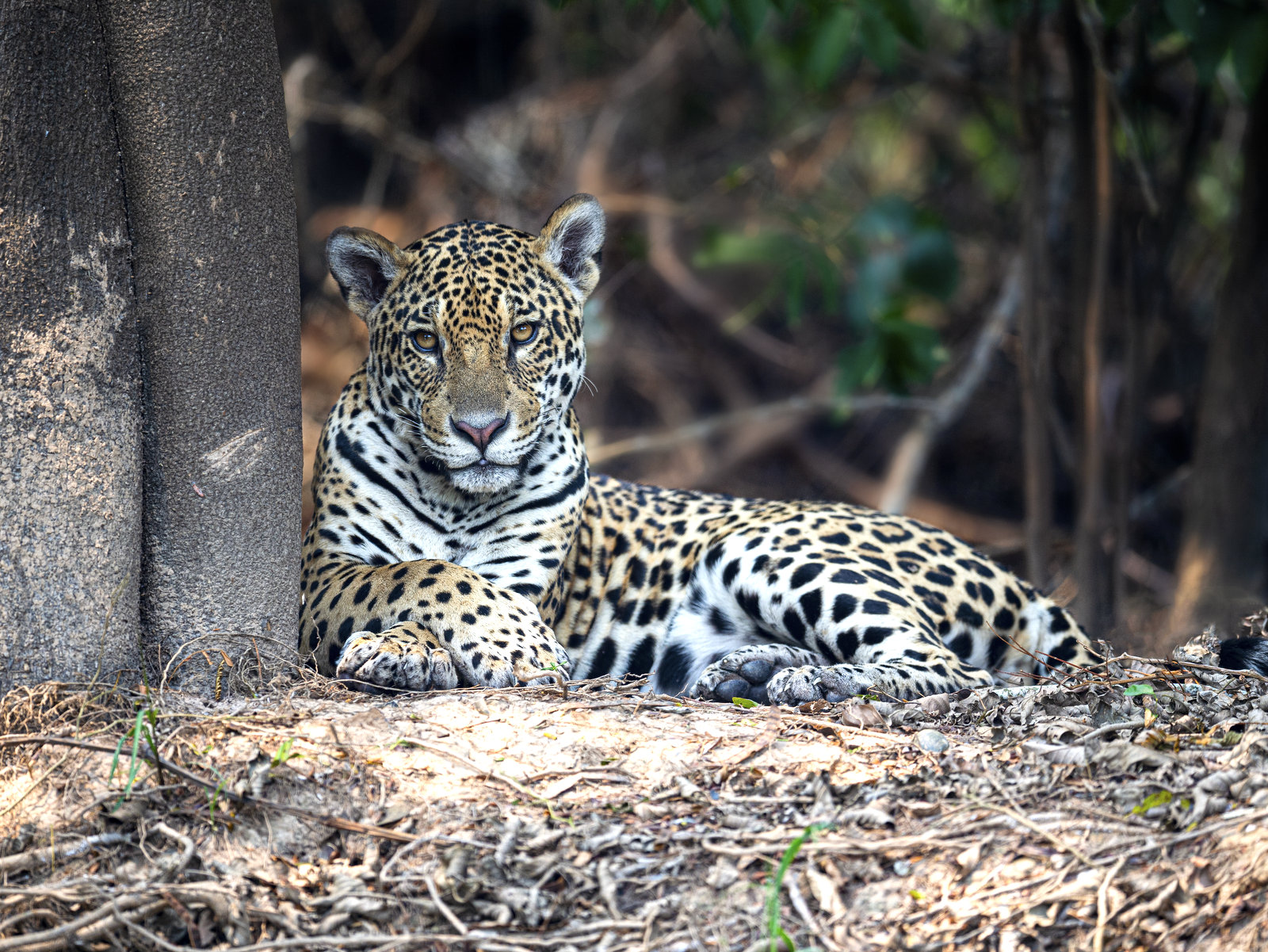
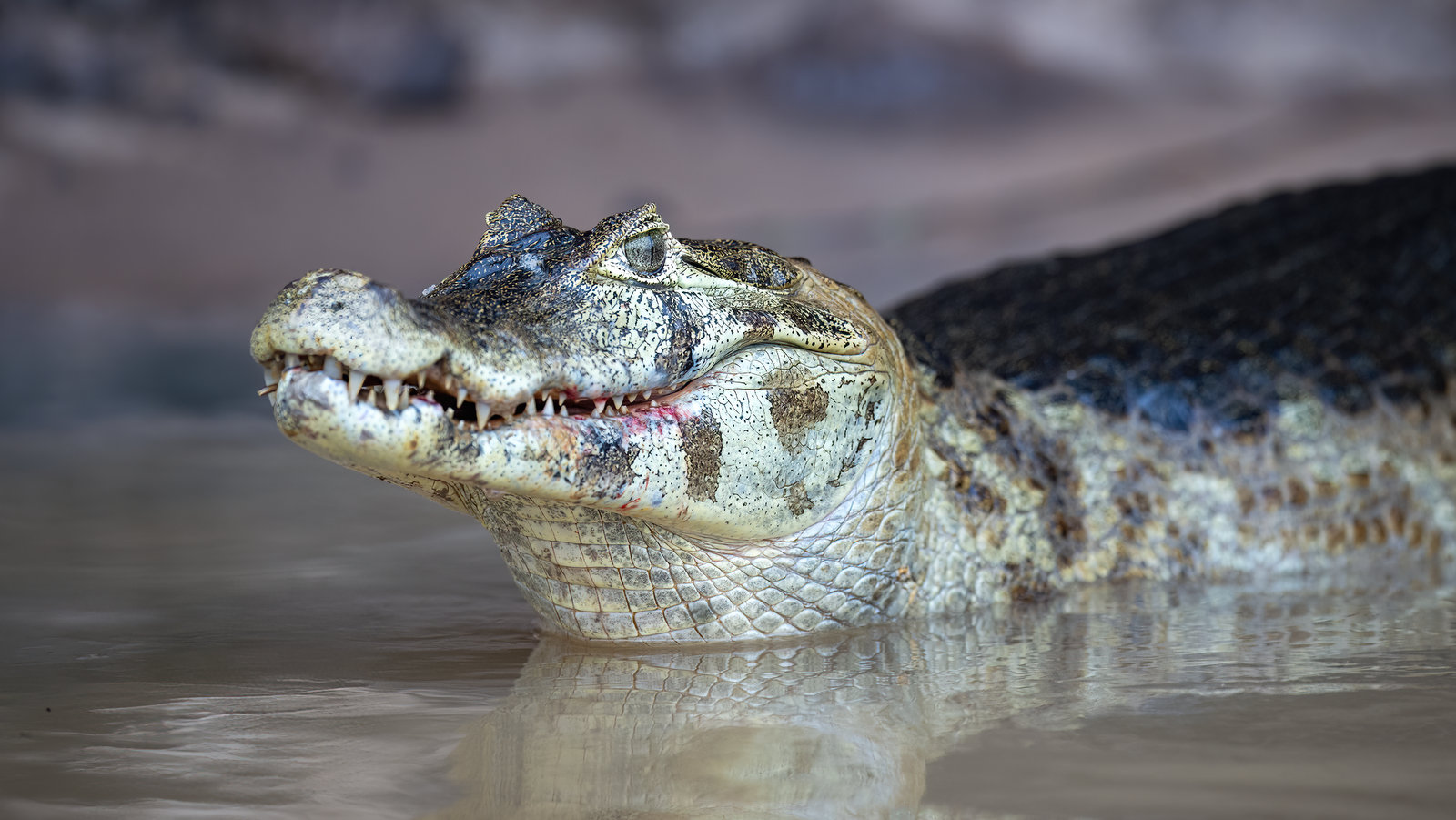
Ok, yeeessss, this female jaguar is an apex predator.  Yes, she is a member of the biggest cat species in the Americas and the third largest in the world.  Yes, this jaguar’s jaw is so powerful it can pierce the skull of a caiman (think alligator but a bit different) with one bite.  Yes, she is terrifying.

Caiman:

Caiman, Pantanal - Brazil (5956)

But she is also stunningly beautiful.  Those eyes!  Could she look any more kitty-like?  The bored gaze…the crossed paws.  I just can’t…

I found this lethal kitty sitting in the shade under a tree along a riverbank in the Pantanal in Brazil.

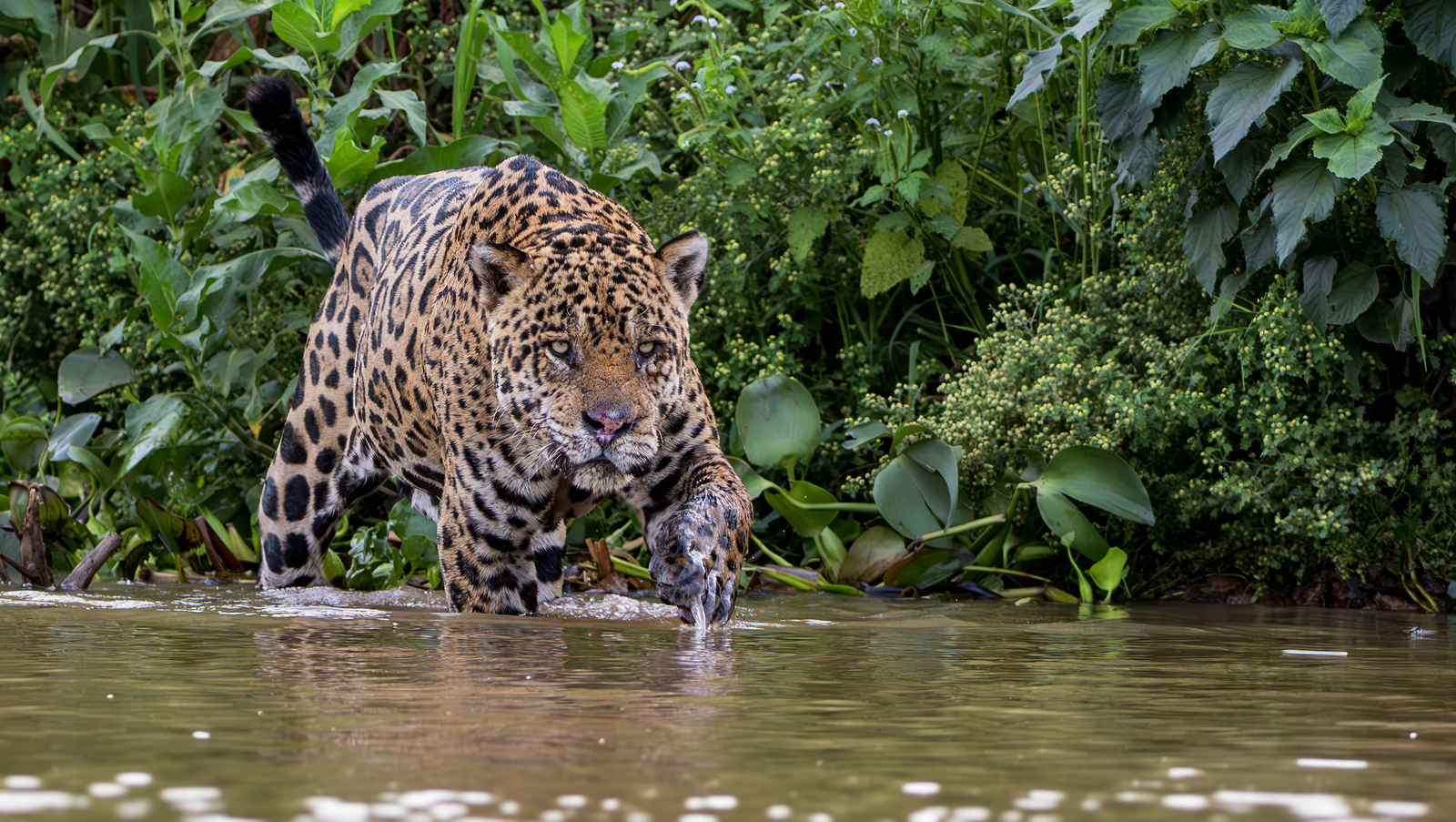
Her looks are particularly striking after seeing male jaguars.  Many males look like middle-aged heavyweight boxers.  Massive, brutish, scarred, and battle-worn.  This female is downright lithe, probably weighing in at the lower end of the typical 75 to 175 pounds for females.  Males can weigh from 220 to 350 pounds.   And her luscious fur coat — so beautiful!

Males often get into territorial battles to keep a preferred part of the jungle or win over rights to a female.  Look at the wounds on this massive male:

Jaguar, Pantanal - Brazil (7489)

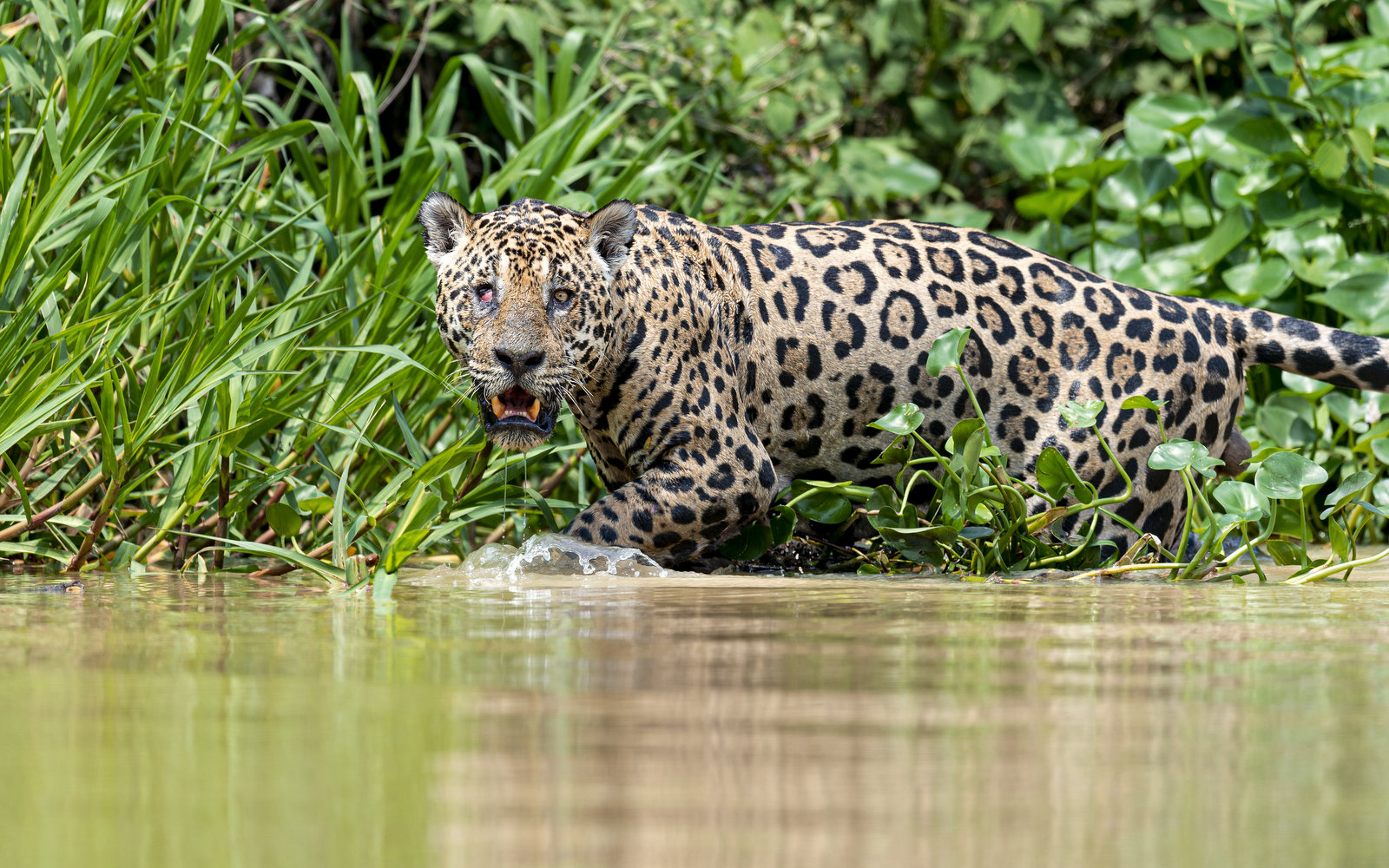
Here is another male jaguar with an injury to his eye.  This jaguar was well known to researchers, and despite the injury, this jaguar was the dominant male in his part of the jungle for many years.

Jaguar, Pantanal - Brazil (0583)

But I digress.  Our lovely female has no scratches or marks on her face.  Given her size and perfect facial features, I guess that she is fairly young and has not yet endured many fights or injuries while hunting.  Females rarely fight but will fiercely defend their young from male jaguars and engage in mock battles with courting males.  They may also fight to defend a kill from other jaguars.


There you have it, a female jaguar in the prime of her life – a stunning, regal queen of the jungle.  Admire at a distance, as her beauty is deceptively lethal.


Read more about Jaguars in my previous posts:

King of the Jungle

Mighty Mick


Until next month……michael


Nikon D4S, Nikon 600 mm, 1/400 sec, f/4, ISO 560, EV +0.5


Clouds

Shot of the Month – October 2024

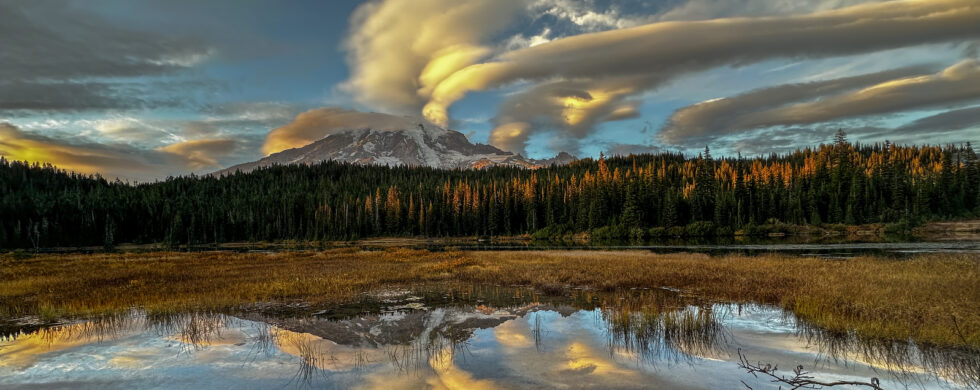
Reflection Lake, Mt. Rainier, Washington (9775)

I stood by Reflection Lake in the late afternoon with low expectations.  I have never had much luck getting a good shot of Mt. Rainier at this time of day – usually, too much wind to get a reflection and rarely any good clouds.  I actually left my camera in the car figuring I would enjoy the scene like a normal person.   But then I almost jumped out of my skin when the clouds suddenly rolled in and the low sun started to bask them in warm light.  And the air was unusually calm allowing for a great reflection.  I ran and got my gear and started shooting.

Click here for more on this photo hotspot:

Dangerous Reflections

Many non-photographers are surprised to learn how important clouds are to creating a compelling sunrise/sunset landscape image.

How important?  Well, I know many a landscape photographer who will skip a potential shoot if there is a forecast for no clouds.  Clouds are so important that there are apps to predict the timing, height, and density of clouds for a given location.  Most serious landscape photographers have at least one or two of these apps on their phones and study them judiciously before heading out for a shoot.  Some include Clear Outside, Astrospheric (IoS, Android), and Windy.com (IoS, Android).

There is no doubt that the sun sinking beneath the horizon on a cloudless night at the beach can be serene, beautiful, and romantic….  But it rarely makes for a compelling image.  Clouds, when at the right height and density catch the sun’s glorious first or last rays of red, orange and yellows that humans love.  Clouds create drama and make an image more visually striking.

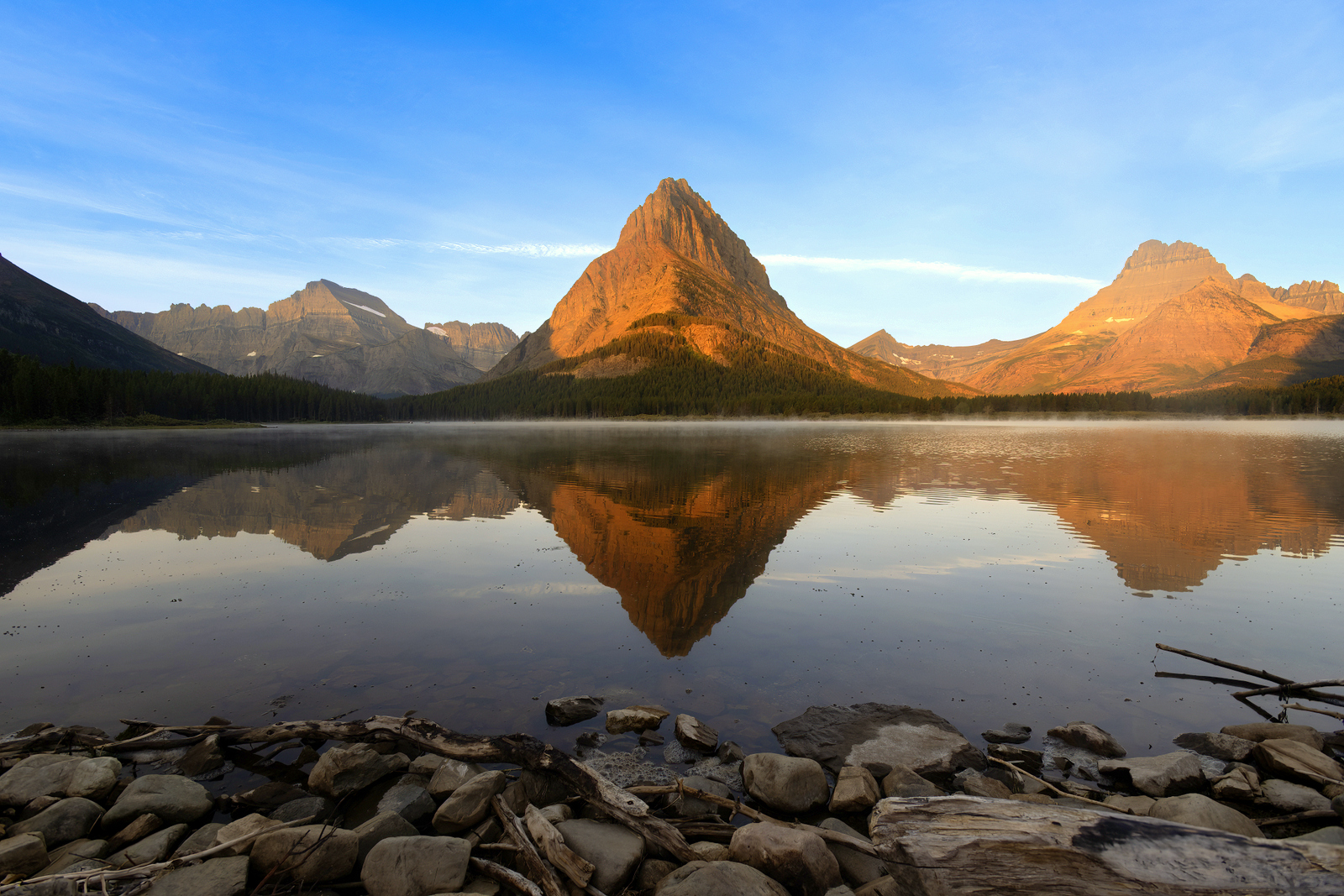
For example, this is a nice sunrise shot I took at Swiftcurrent Lake in Glacier National Park:

Swiftcurrent Lake, Glacier National Park (8715)

But look at what clouds can add to the scene:

Swiftcurrent Lake, Glacier National Park (8334)

(Ok yes, I found a better/more compelling foreground in the second image, but you still get the idea.  That sky is more dramatic and interesting)

In this sunset scene at the same location I had clouds but they were too dense to allow the colors to come through.  My solution was to go for a very long exposure that allowed the motion of the clouds to add drama and visual interest to the scene.

Swiftcurrent Lake, Glacier National Park (8285)

Read more about the story in getting these shots at Swiftcurrent Lake here:

Fire and Ice

The shot below of a tulip field at sunrise had some real potential but in the end fails due to the lackluster sky.  Nary a cloud….sigh.

Tulip Sunrise, Washington (2272)

In the image below at Rialto Beach the dramatic foreground and compelling silhouette make this a decent image but a few more clouds to catch some color would have taken it to another level:

Rialto Beach, Washington (0333)

See more on Rialto Beach here:  Rialto Beach

And in this next shot of the Lime Kiln Lighthouse we have juuuust enough clouds to make it a usable image:

Kiln Lighthouse, Washington (27-33)

But if I crop the image, to allow the clouds to fill more of the scene, I find it more compelling:

Kiln Lighthouse, Washington (27-33), crop

Click on the box to read more about how I got the shots at the Lime Kiln Lighthouse:  Landscape to Lovers


As you can see, a cloudy day is not always a bad thing.  And if you happen to be a landscape photographer, clouds are often essential to making our day into something special.


Until next month….michael

Patagonia

Shot of the Month – September 2024

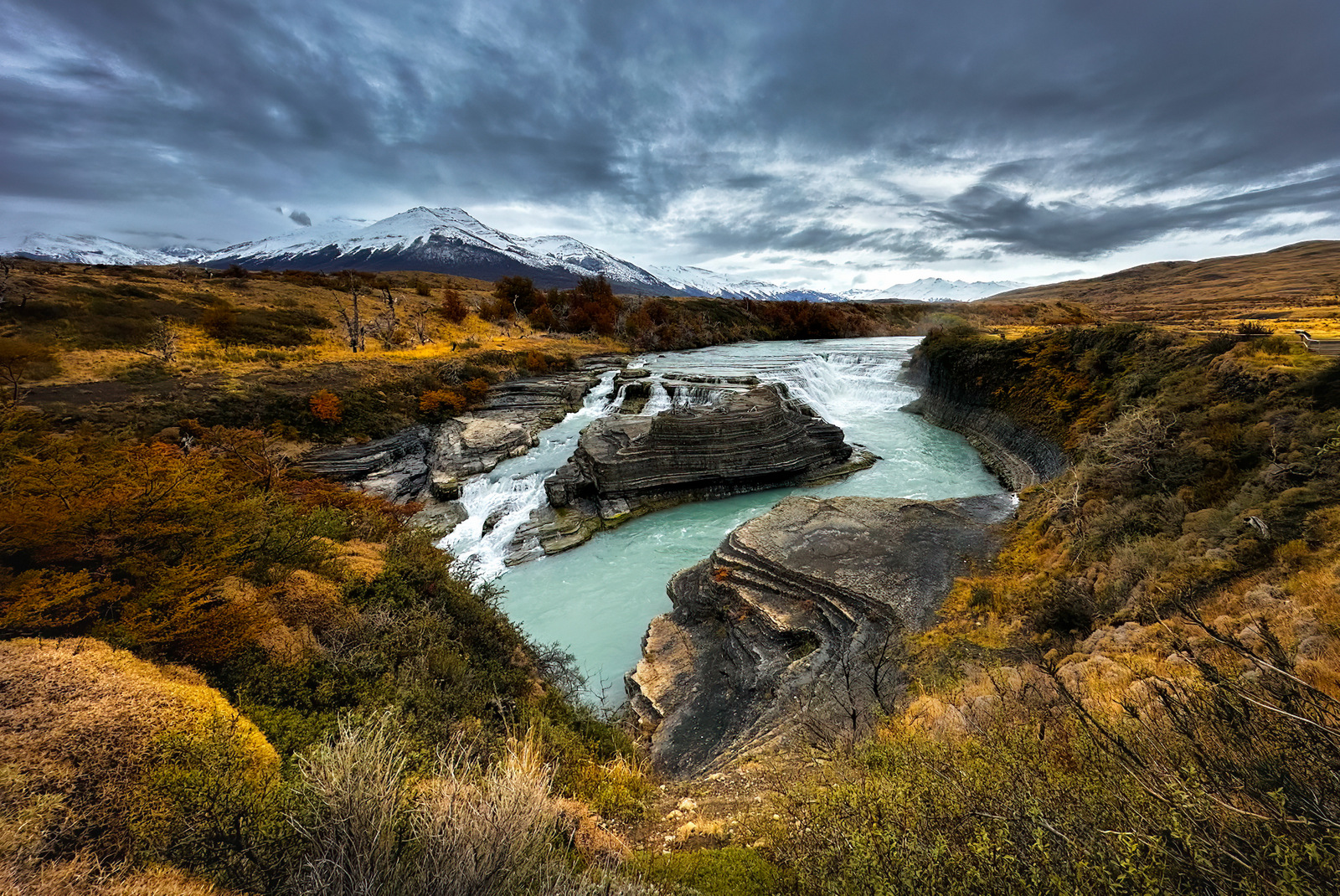
Patagonia (5648), Chile

I don’t even know where to begin.

How do I describe this magical place?  In our age of hyper-sensationalism, where a new cookie flavor is “revolutionary” and the latest TikTok dance is “epic,” many superlatives have lost their punch and meaning.  But let me tell you, my dear friend, Patagonia is the real deal.  Stunning.  Awe-inspiring.  Breathtaking. Majestic.

Tolkien’s Middle-earth has nothing on this place.

Where is this Magical Land?

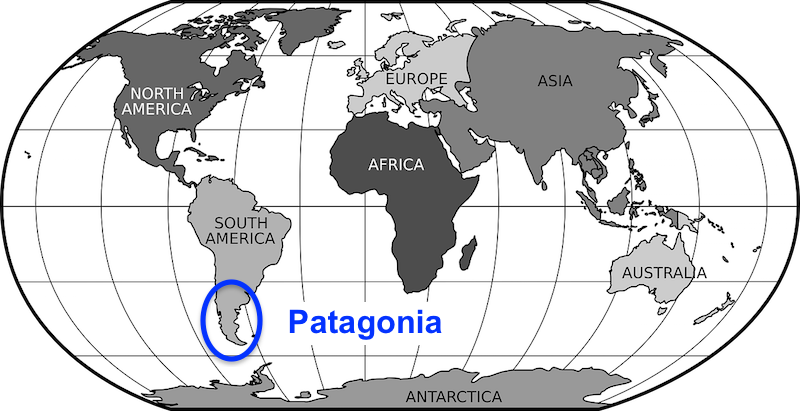
Patagonia covers a massive region at the bottom of South America.

Where is Patagonia?

Source

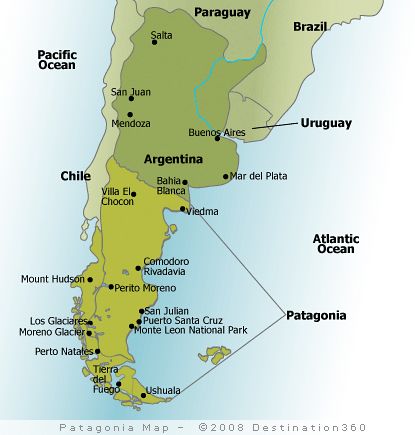
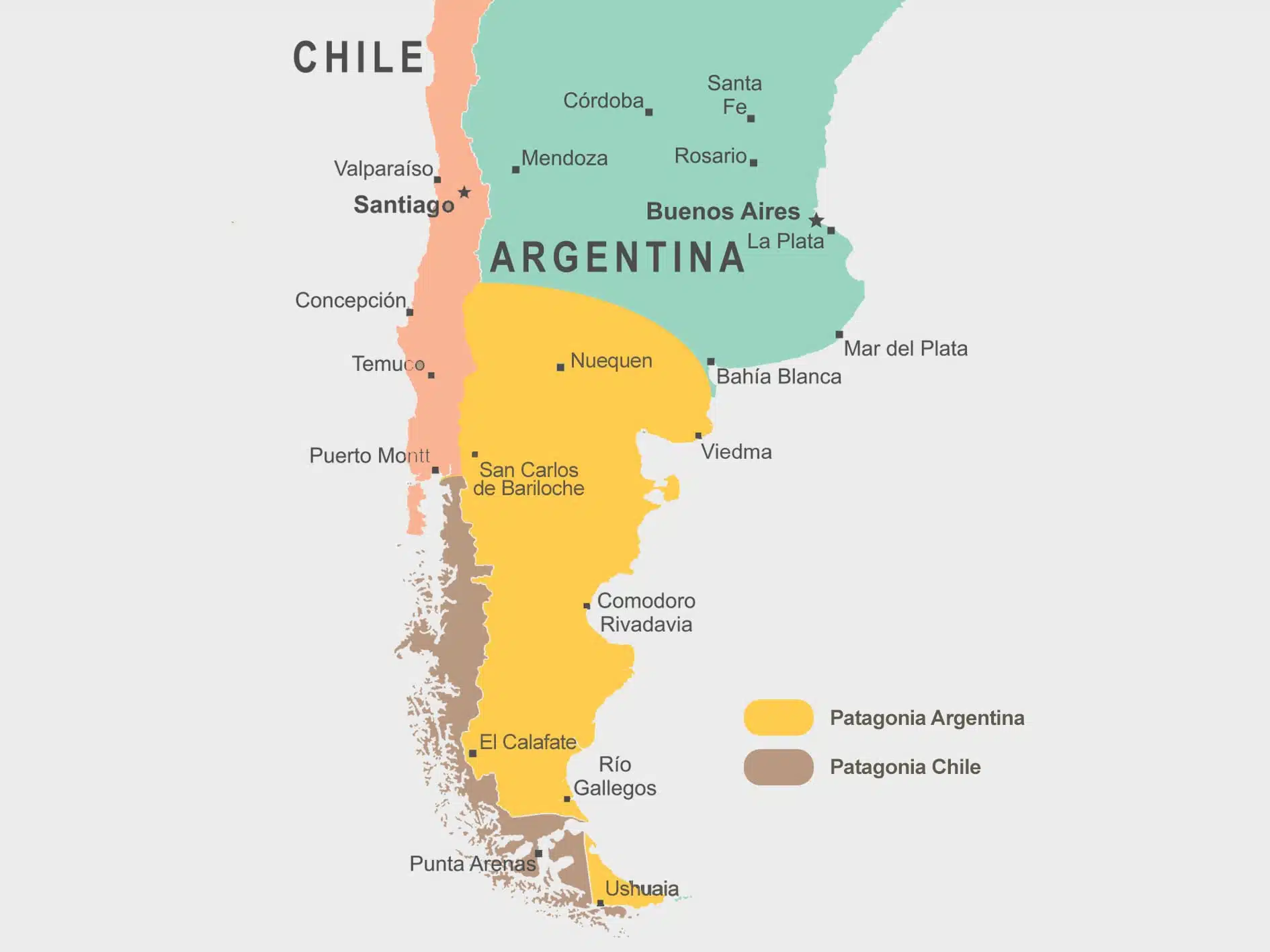
Patagonia is about 300,000 square miles (1 million square kilometers) in size and spans the countries of Chile (to the west) and Argentina (to the east).  It is an area larger than 80% of the countries on earth, yet is one of the least populated areas on the planet (1-2 persons/sq km).

Stunning landscapes and no people??  My kind of place!

The southern Andes mountain range dominates the landscape in many places.  It really is at the end of the world – the most southern tip is the starting point for voyages to Antarctica.

Source

Argentina contains 90% of Patagonia, which spans one-third of the country.  Ten percent of Patagonia is located in Chile, covering half of the country.

Source

What is Patagonia?

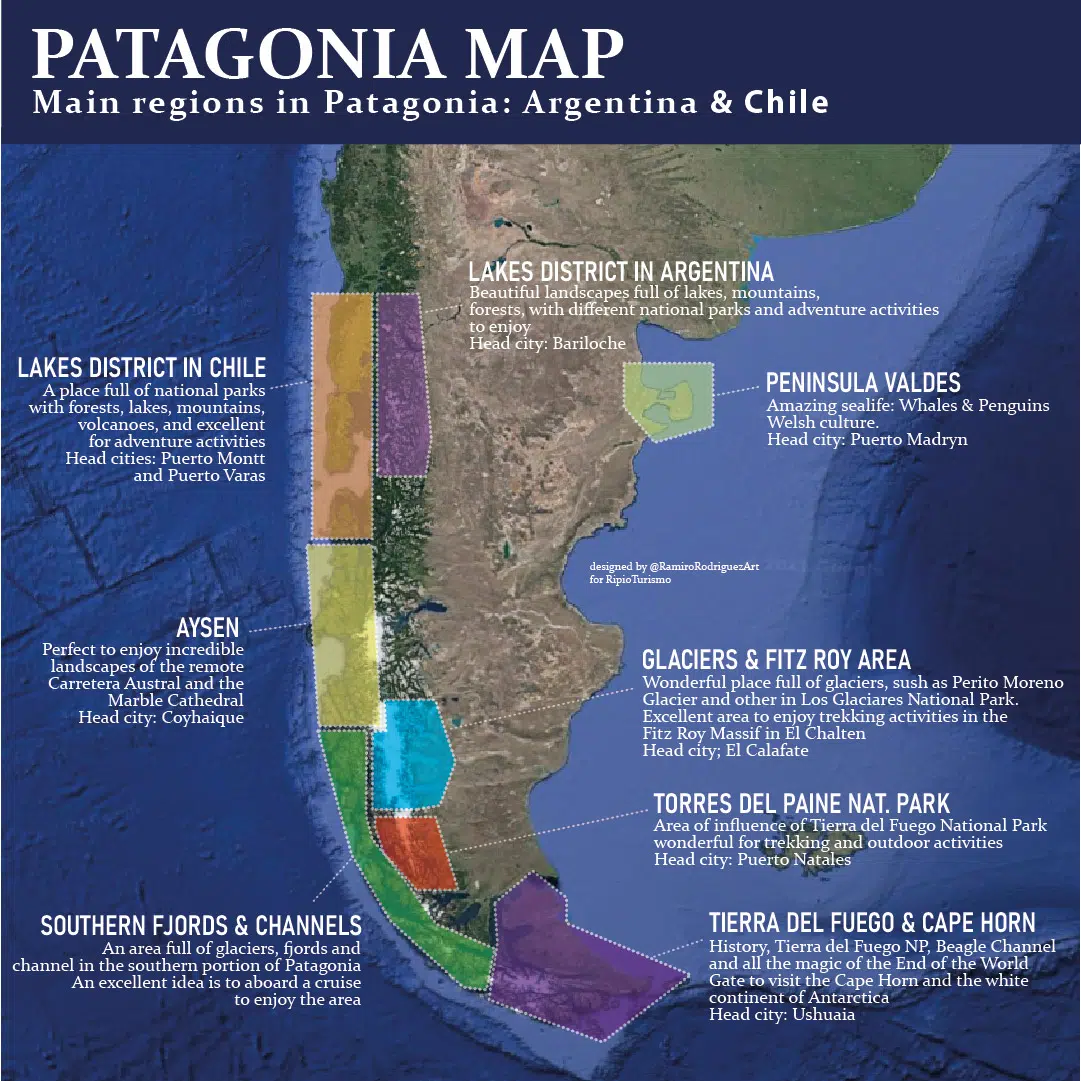
Patagonia is a collision of habitats and landscapes, including towering mountains (Andes), crystal blue lakes, massive glacier fields, temperate rain forests, deep fjords, and huge deserts.  Mother nature worked overtime here offering a bewildering array of habitats and biodomes.  The area is also home to a stunning diversity of wildlife including puma, guanacos, Andean condors, penguins, pygmy owls, fur seals, flamingos, whales and…so much more.

Source

Watch this great video to get a sense of the variety of landscapes that can be found in Patagonia:

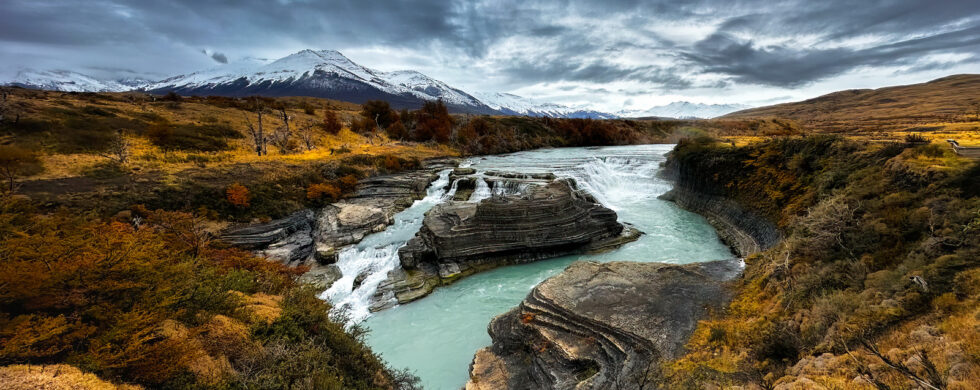
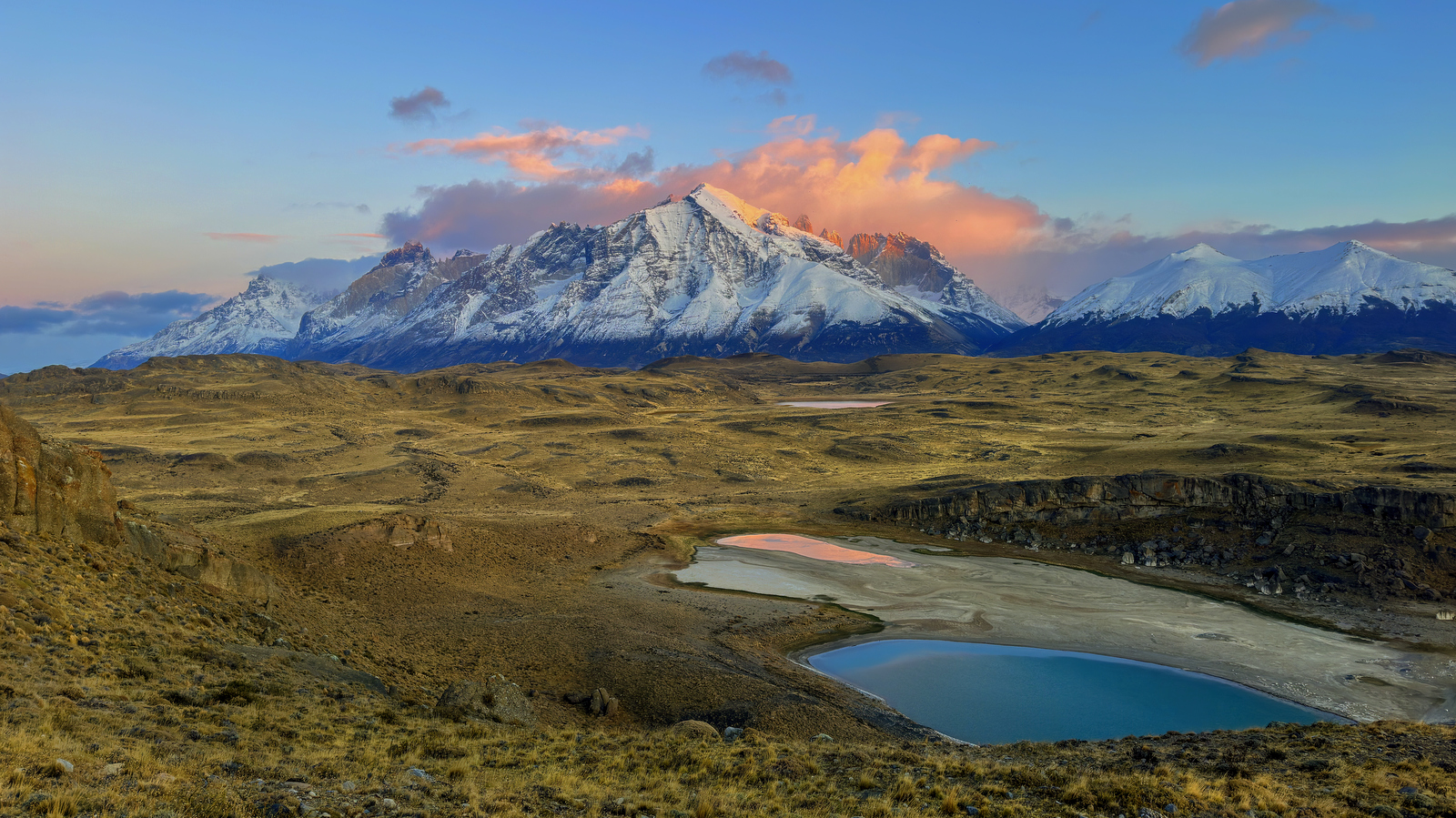
Chilean Patagonia is famous for its dramatic scenery – towering mountains, sprawling glaciers, and pristine fjords.  We visited a ranch in Chile that borders the iconic Torres del Paine National Park in search of pumas.  Each day on our hikes we were greeted with one stunning scene after another.  I shot the image above with an iPhone as I walked up to the river’s edge.

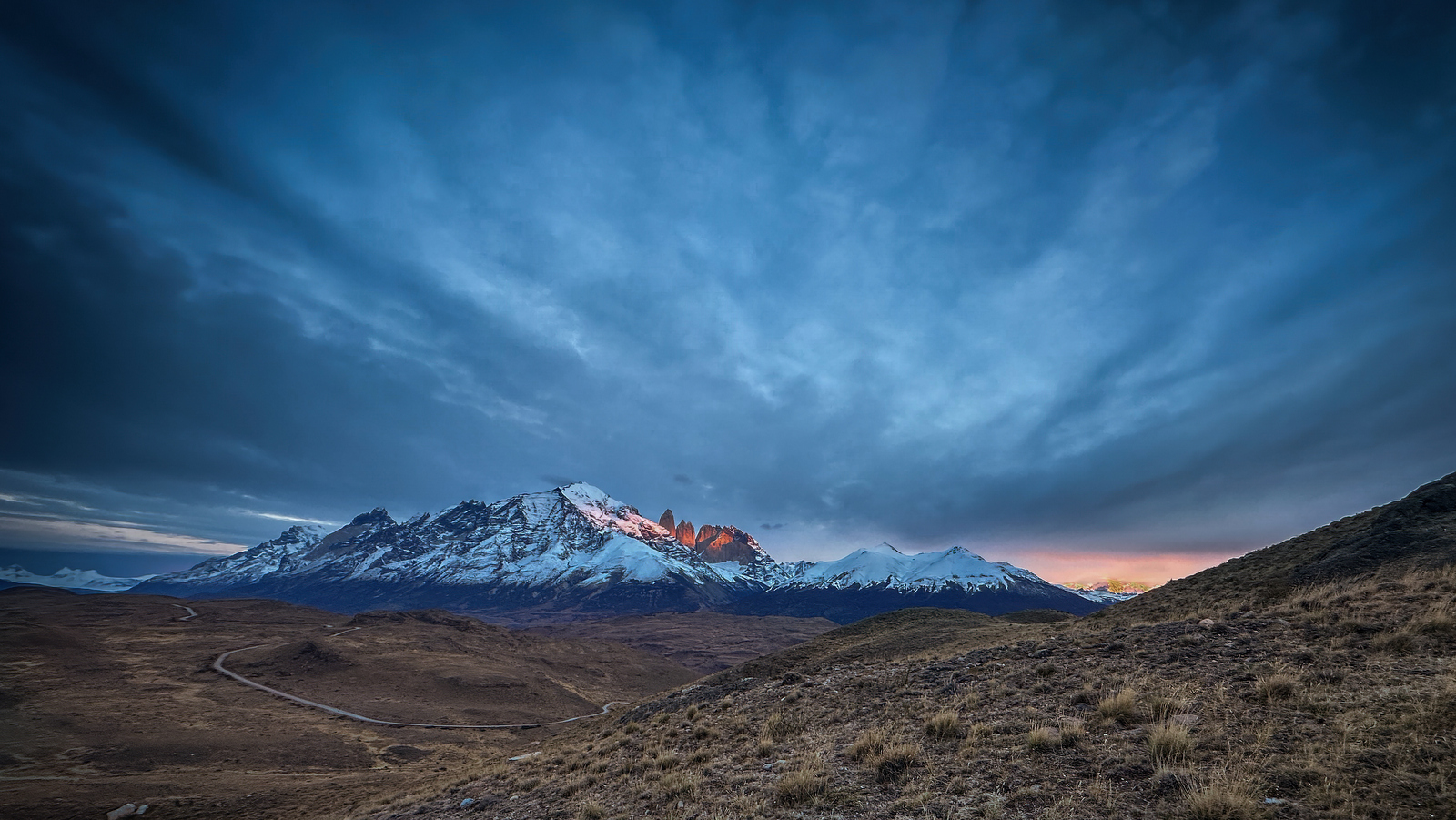
Landscape photographers must lose their minds in Patagonia.  How do you choose which scene to shoot when stunning vistas are found in every direction?  Here is just another “average” sunrise:

Patagonia (5837)- Chile

And another:

Patagonia, Chile (5998)

So yes, I fell in love with the place.  So much so that we scrapped our original travel plans for 2026 (sorry Madagascar) and instead will return to Patagonia for more soul-filling vistas, once-in-a-lifetime animal encounters and glorious solitude that can only be found at this remote, rugged edge of the planet.

And we had some amazing luck with the wildlife…but more on that in future posts.  Puma


Until next month….michael


Sources:

Wikipedia: Patagonia

Chilean Patagonia vs. Argentine Patagonia: Which is Right for You?

10 incredible facts about Patagonia


Apple Iphone 14 Pro, 14mm, f/2.2, 1/1250 sec, ISO 40

Lion Tree?

Shot of the Month – August 2024

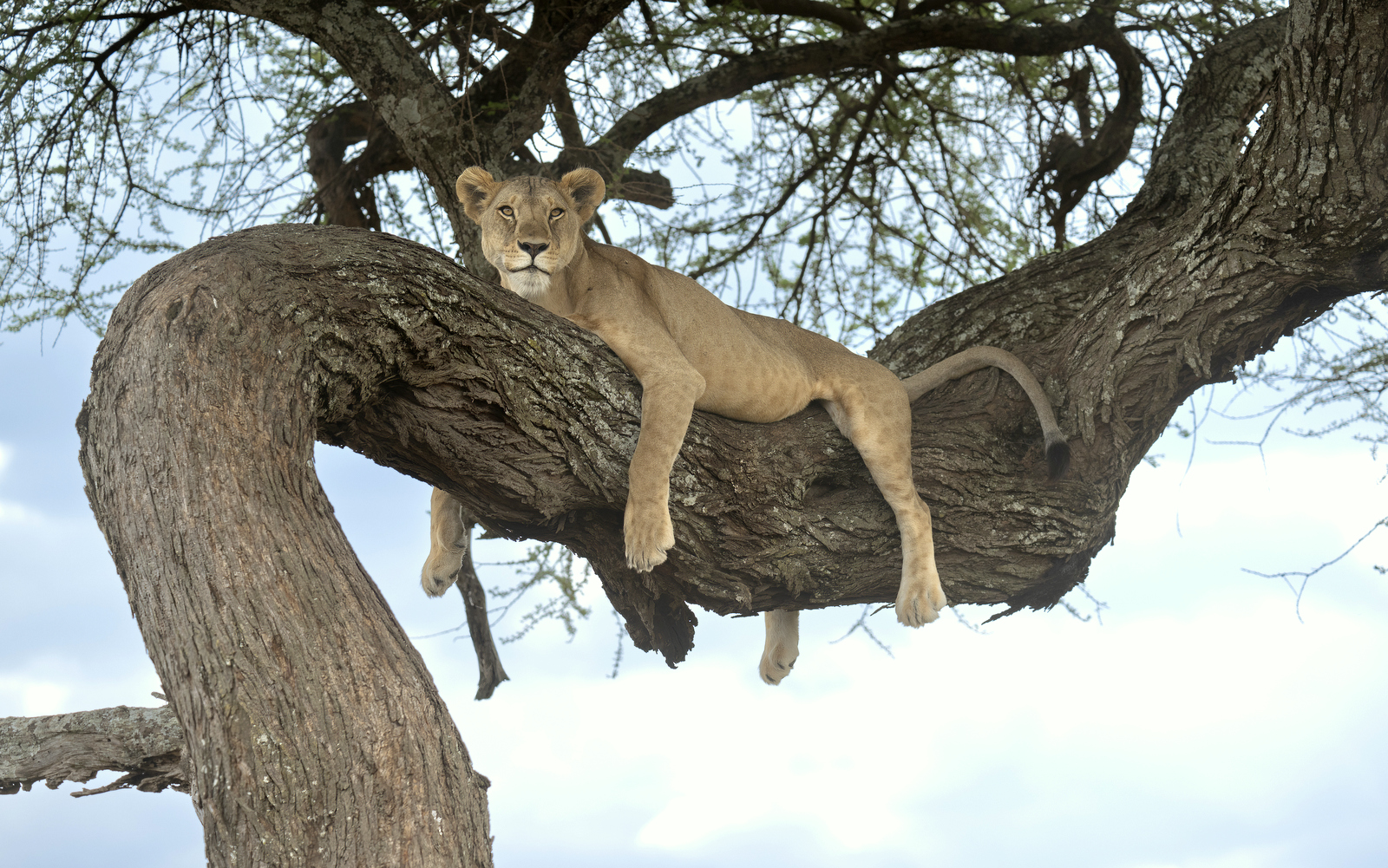
Lion, Serengeti NP, Tanzania (8450)

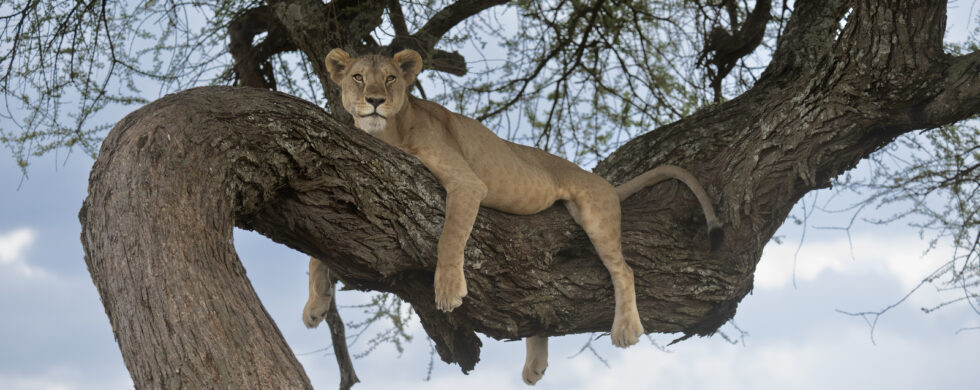
When on safari my head is always on a swivel as we drive across the savannah.  I peer left and right as my eyes scan the bushes and grasses for lions and cheetahs.  When near trees I stick my head out the window, strain my neck, and squint my eyes to look up into the canopy in search of a leopard amongst the limbs and shadows.  Imagine my surprise on this day in the Serengeti when I looked up and saw….a lion??!    What is this lion doing relaxing up on this branch, rather far from terra firma?

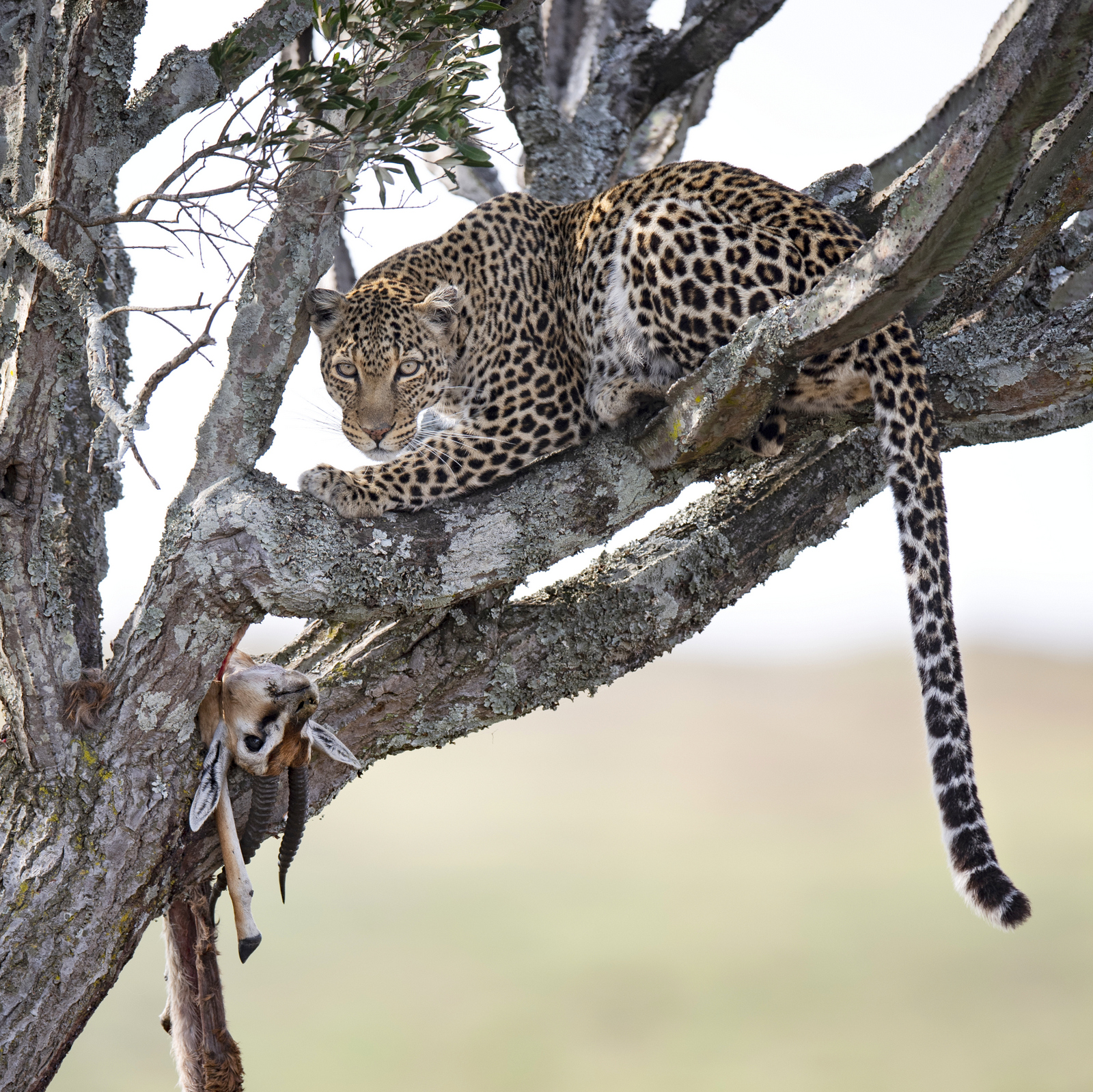
Leopards take refuge in trees out of necessity – they live and hunt alone and cannot defend their meals against larger predators like lions and hyenas. Leopards evolved over millennia to be natural tree climbers so they can cache their meals high up in trees to be out of the reach of their thieving competitors.

A leopard with its kill in a tree:

Leopard, Serengeti - Tanzania (8777)

Lions have no such need — they are the largest predators in their habitats and live in prides with 3 to 40 members (average size is 15) allowing them to defend their meals with ease.

And while leopards are perfectly built to climb trees, lions are not. Leopards are relatively light (ranging from about 50 to 160 pounds) and their shoulder blades are proportionally bigger, flatter, and more concave than a lion’s. Lions are built with enormously powerful forequarters and a very stiff back which is useful for wrestling heavyweight prey, such as buffalo to the ground. However, the lion’s powerful build reduces agility and vertical leaping ability, making tree climbing more difficult. Male lions can weigh 400 pounds so jumping out of a tree presents a real risk of dislocating a limb when landing with a thud back on earth.

There are currently about 21 countries with lions and the fact is that the vast majority of said lions never climb a tree. But, lions can learn to become tree climbers when the conditions are juuust right. For example, the lions in Queen Elizabeth National Park in Uganda are famous for their tree-climbing ways. Why there? Scientists note that the prides in this park tend to be smaller and share the habitat with large herds of buffaloes and elephants. Scampering up the local tree is a good escape plan when faced with a stampede of buffaloes. (See the Queen Elizabeth NP lions here.)

Lake Manyara National Park in Tanzania is another location well known for its arboreal-minded lions.  Scientists noted that a very heavy rainfall in 1963 created a plague of Stomoxys biting flies and drove the resident lions up trees and down warthog burrows to escape the insects that caused open wounds and deadly infections.  Lions have been seen climbing trees in this park ever since.

Tree-climbing lions have also been spotted in the Tarangire and Serengeti National Parks in Tanzania.  More recently a lion pride in Kruger National Park in South Africa has been observed climbing trees.

So while seeing a lion in a tree is not common, it also is not unheard of.  This behavior is usually based on unique circumstances and local conditions.   Lions seem to climb trees to:

  1.   Avoid insects
  2.   Avoid heat (they can find a nice breeze a bit higher off the ground)
  3.   Look for prey
  4.   Steal prey from leopards

Lions can only climb trees if their local habitats have trees that are “lion-friendly.”  This means trees with strong, low branches that can support cats weighing anywhere from 250 to 400 pounds.  For example, the African sycamore fig trees or umbrella acacia thorn trees often have horizontal branches not too far above the ground and tend to be lions’ preferred “jungle gym.”

Once a pride experiences the benefits of tree climbing they can take to it with enthusiasm.  The behavior is then passed down from one generation to the next.

You get entire families — adults, youngsters, everyone — up trees. Generation after generation, it really has become a habit to go up in the trees. It just gets entrenched as a culture because it’s fun.”

Dr. Luke Hunter

Lions tend to be much better at climbing a tree than getting down.  It can be painful (and hilarious) watching these massive beasts awkwardly trying to exit a tree – the dismount can quickly become a Mr. Bean sketch.

Here is a video with a good summary on how and why lions climb trees:


Here we see lions trying to get a leopard’s kill out of a tree: (You can see how the large male lion struggles at tree climbing)

And here is a crazy interaction between a lion and a leopard in a tree that shows why lions need to be careful to stay on limbs that can support their weight! (The action starts at 0:25 seconds)


Sooo, next time you go tree climbing in your local safari park, look up first to see what may be “lion” around on the branch above.  (Really?  You didn’t see that coming??)


Until next month……michael


Sources

Wild Cats 101: Why Do Lions Climb Trees?

Why Do Some Lions Climb Trees? A closer look at tree climbing lions

Facts About the Tree Climbing Lion of Tanzania

Why Don’t All Lions Climb Trees? (NY Times)


Nikon Z9, Nikkor Z 100-400 mm (@190mm), f/5, 1/320 sec, ISO 200, EV +0.667