How Bout ‘Dem O’s?

Shot of the Month – May 2015
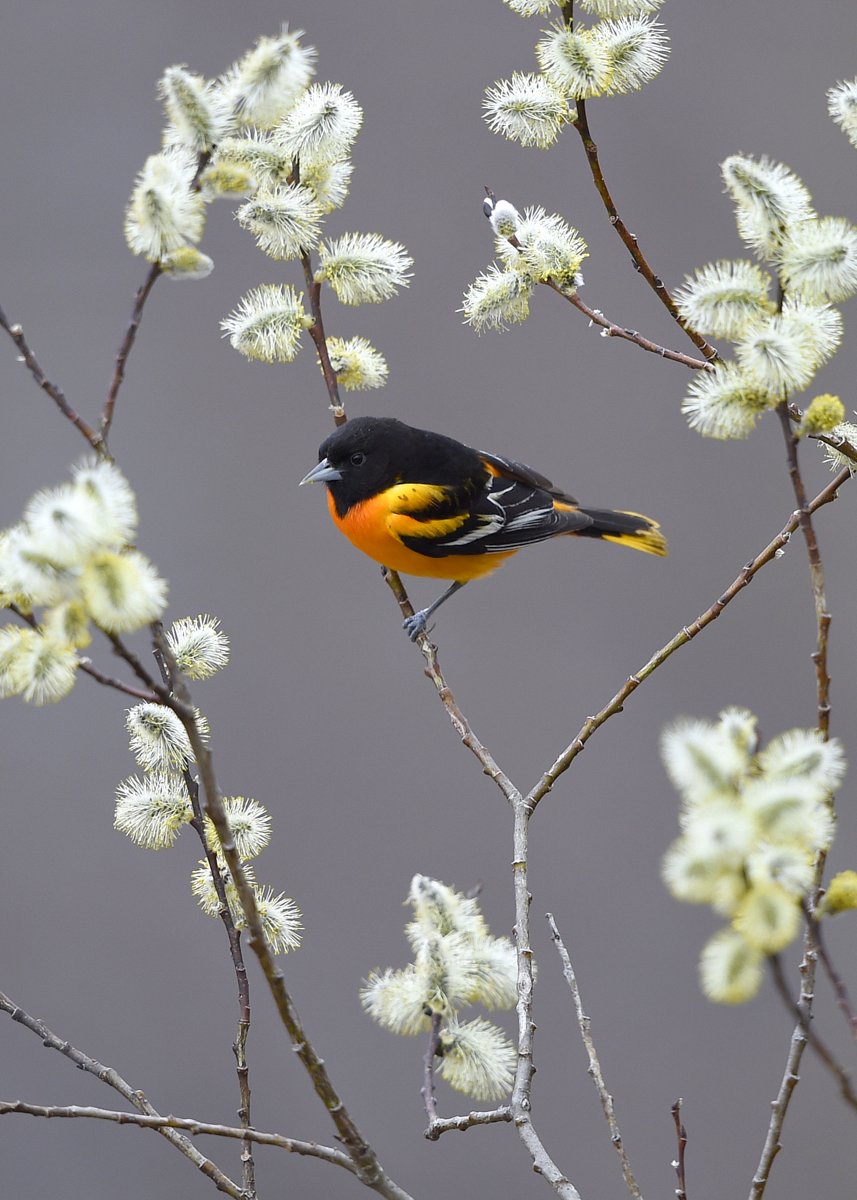
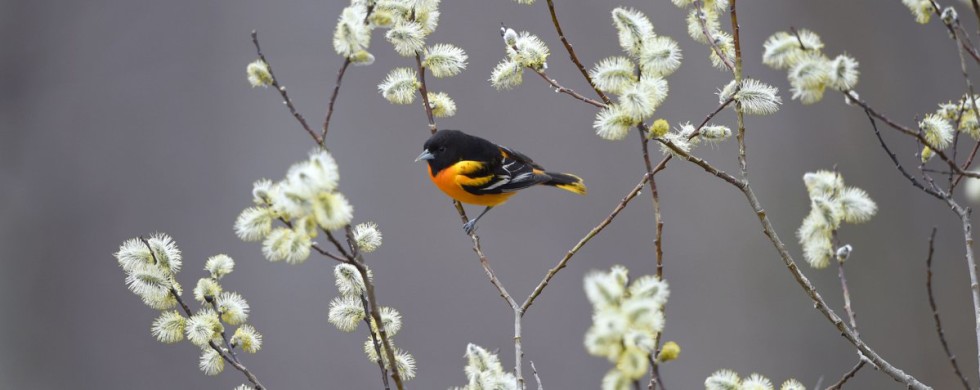
Baltimore Oriole, Vermont (1335)Warning:  There may be a bit too much “inside baseball” chatter in this month’s post but stay with me if you can.  Or at least, do stop long enough to enjoy the pretty picture.

As a child, I grew up as a big fan of Baltimore Orioles.  My brother and I shared a room and though we rarely agreed on how that space should be apportioned, we both reveled in having a poster of Brooks Robinson on the wall.  At this time Boog Powell was a household name as was Frank Robinson and Jim Palmer.  Now, if you are a bird lover, but not a baseball fan, not over the age of 50, nor grew up within a hundred miles of Baltimore, you are probably thoroughly confused.  And quickly getting bored…

You see I grew up but a mere one-hour drive from the city of Baltimore, Maryland, the home of the Baltimore Orioles baseball team.  And it just so happens that their golden era coincided with my youth as they won the World Series in 1966 and 1970.  Brooks (3rd base), Boog (1st base), Frank (outfield), and Jim (pitcher) were the all-stars of those glory years.

 

The only oriole I ever knew of was this guy to the right.  (His looks have changed a bit over the years.)

Oddly, for most of my life I never really thought about what the real version of the mascot actually looked like.  I had no idea where they lived.  I had never seen one even though they are pretty common throughout eastern United States in the summer.  I had to come all the way to Vermont to see my first real-life oriole.  And the guy in my photo was a particular treat in that he stopped by for a few days just outside our window during the spring last year.  We live near the top of a mountain and we hadn’t seen an oriole at such an altitude before — nor since.

The bird and the city are both named after George Calvert.  Hang on, I am getting there.  George was also known as Lord Baltimore (ahhh…) and he helped colonize what is now Maryland.  Ok, that explains the city’s name, but what gives for the bird?  The coat of arms for the Calvert family contained a similar color pattern as our avian friend so ye olde bird guys chose that moniker for da bird.  The coat of arms shown here is actually for Cecil Calvert, George’s son, but you get the idea.  If you know the state flag of Maryland, the coat of arms will look pretty familiar.
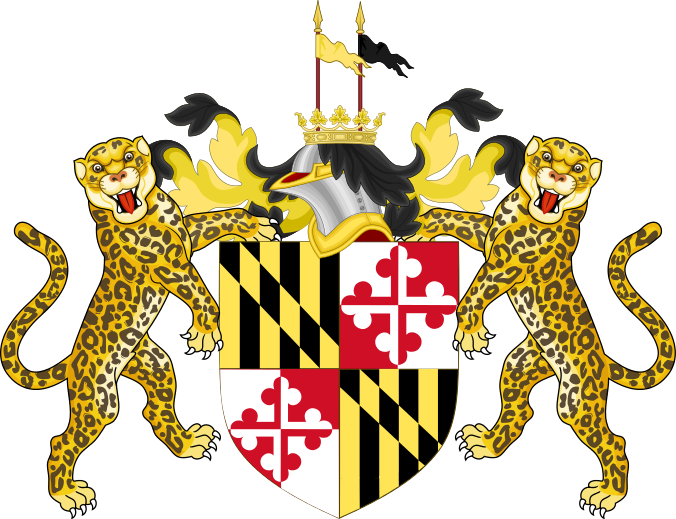
Coat of Arms of Cecil Calvert, Baron Baltimore

Cecil Calvert Coat of Arms

Maryland State Flag

Maryland State Flag


Wanna take a guess at the state bird of Maryland?

If you live in the right zip code do yourself a favor and go find a Baltimore Oriole — it is a real visual treat.  They can be hard to find however as they tend to hang out at the top of trees.  But catch a male in the afternoon light, against a blue sky and his orange chest will beacon like a burning torch — it is stunning to behold.  Get out there, you deserve it, hon.

Until next month…m


Nikon D4S, Nikon 600mm, f/4, 1/1000 sec, ISO 560
Connections

Shot of the Month – April 2015 

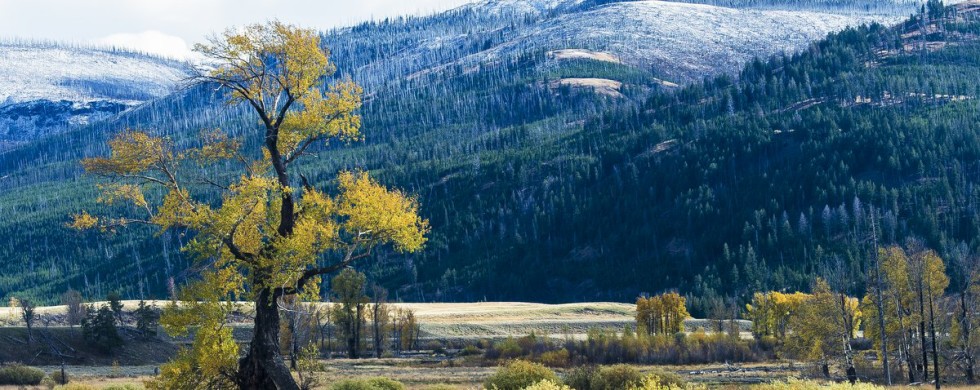
Cottonwood Tree, Yellowstone NP (1045)

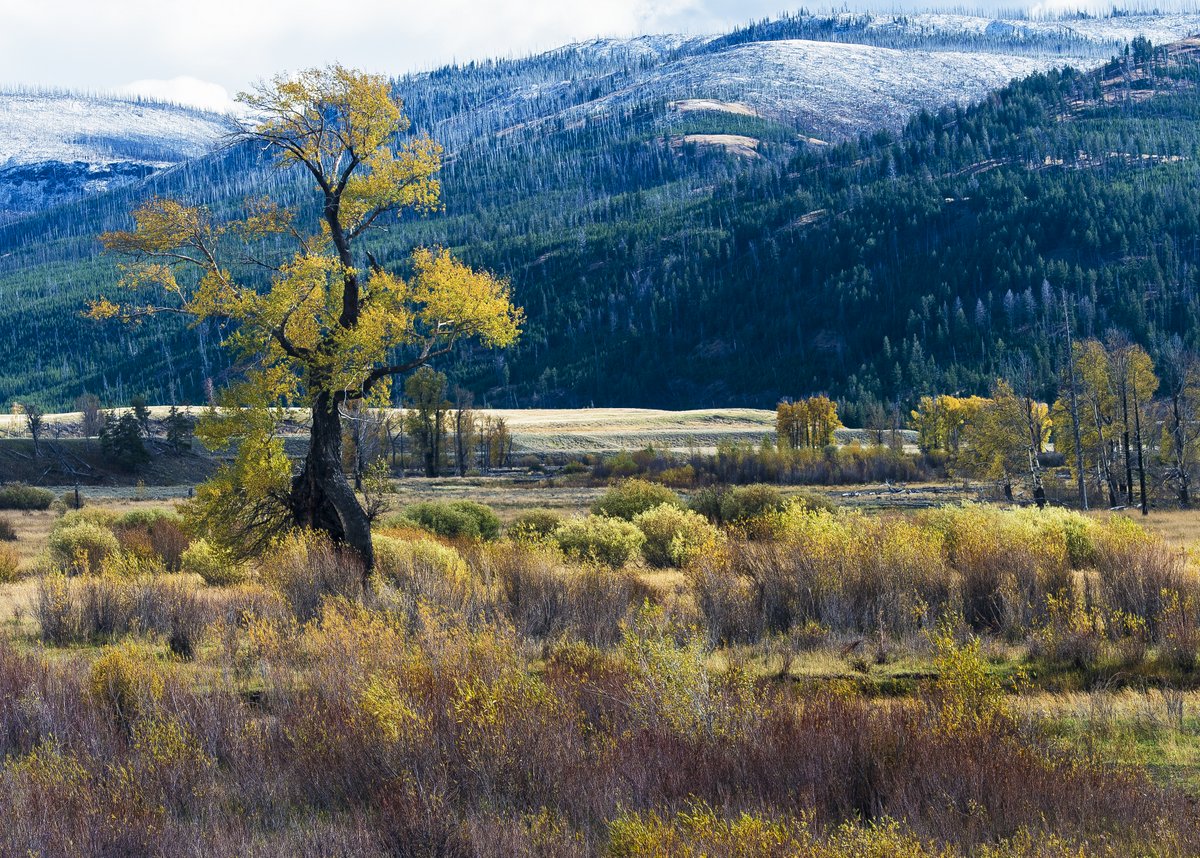
This month a landscape photo captured on a lovely fall afternoon in Yellowstone National Park.

I originally chose this image as a shot of the month because I think it’s purty (IMHO).  I like the vast range of colors, shapes, and textures.  And I like the transition from full-bore color and texture in the foreground with the dense collection of shrubs, bushes, and sundry plant-like things, to less color and density as you gaze past the tree to the more open fields.  To the hillside with only a few colors, green and black mainly.  Leading to a hilltop that is denuded and virtually monochromatic till you reach an essentially white sky.

However, the more I stared at the image I realized that the visual depth of this image hinted at the depth of connection between the animals, the plants, and even the forces of nature like fire, wind, water, and so on that co-exist in this landscape.  This was more than just a pretty picture.

Let’s start with those denuded trees at the top of the hills behind the tree — that part of the forest was ravaged by fire and the trees have died.  Don’t be alarmed, this is a glorious thing.  For the first 100 years of the park’s existence, the rangers would extinguish forest fires thinking they were protecting this great park.  Rangers eventually realized that fire plays an essential role in revitalizing the park’s ecosystem and they now allow fires to burn naturally and will even instigate controlled fires to mimic natural processes.   Fire reduces dead vegetation, stimulates new growth, and improves habitat for wildlife.  Soil samples from the park reveal that fire has helped shape and nurture the landscape in this area for over 14,000 years.

Ugh – Fire Good.” (Said in my best caveman voice)

And then there is that gnarly cottonwood tree in the foreground.  Cottonwoods are few and far between these days in Yellowstone, much like the Aspen and the Willow trees.  These trees went into rapid decline after the last wolves were killed in Yellowstone in 1926.  What do wolves have to do with trees?  Well, with the top predator gone the elk population exploded and young trees and saplings were overgrazed and could not recover.  Since the reintroduction of wolves in the park in 1995 the trees appear to be making a comeback.  Astoundingly, the wolves seem to touch virtually every life form in the ecosystem.  Watch this video:

Now when I see this image I don’t see just a few trees and shrubs, but the entire park and its entire history.   Every element in this photo exists, or doesn’t because of every action or inaction that took place to arrive at this day.  That cottonwood tree may be standing there because of a wolf that was born in 1996 and the life she led.

Everything we do, or don’t do, has an impact on life, big and small, even when out of sight.


with Great Power Comes Great Responsibility


Until next month…


Nikon D4S, Nikon 70-200mm f/2.8 VRII @95mm, f/8, 1/125s, ISO 200, +0.5 EV

Seeing Beyond Color

Shot of the Month – March 2015

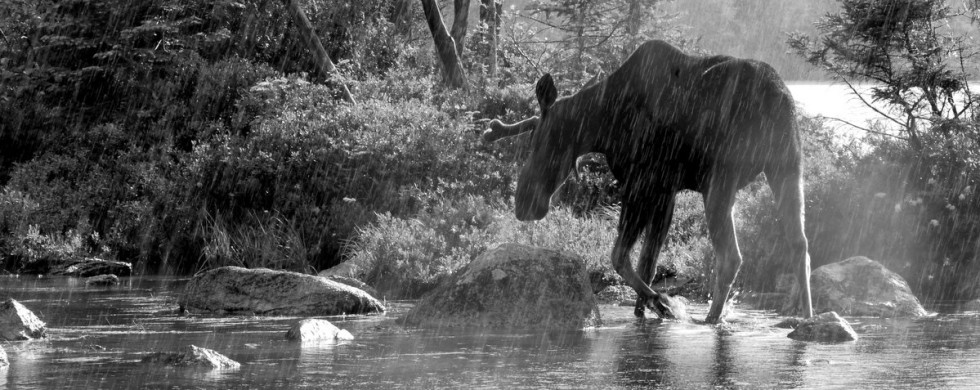
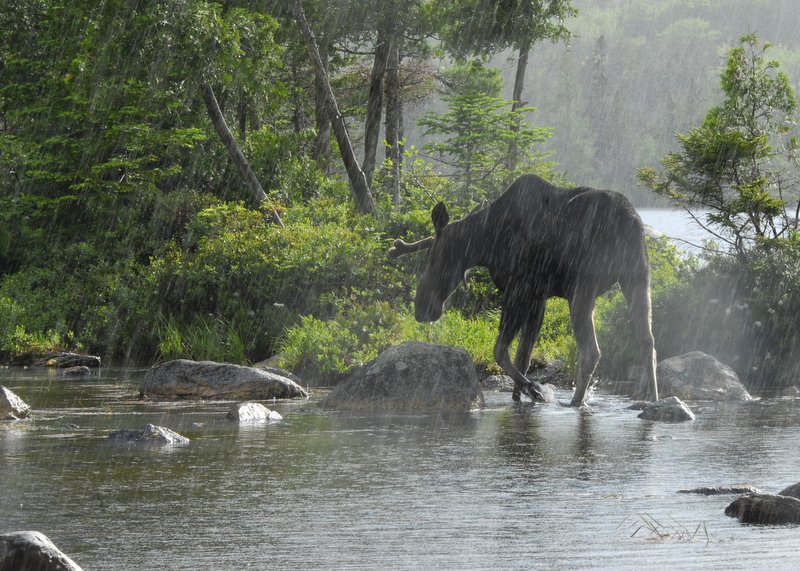
Moose, Baxter State Park-Maine (7550bw)


Much of my photography reflects my bias towards warm hues and vibrant colors.  I am on record for preferring to photograph brightly colored birds over those draped in shades of brown.

Color photography shows a world that we are most familiar with as most humans see the world in color.  Color images can evoke a range of emotions as broad as the spectrum of a rainbow.

That being said, some of the most powerful images ever captured are black and white (B&W), and much “fine art” photography is sans color.

For me, an image is about telling a story.  Strong use of color can tell a great story.  However, color can also be a great distraction.  B&W images remove that distraction and allow the viewer to explore the world in a new way.

Removing the color from a shot changes the focus—it shifts the viewer’s attention from the colors to things that can be more abstract, less immediately noticeable, and it presents the world to us in a way that few of us are used to seeing it. It can, by the very removal of that familiar element, generate an intense amount of interest and a powerful feeling of drama that might otherwise be overwhelmed by the presence of the color. (Source)

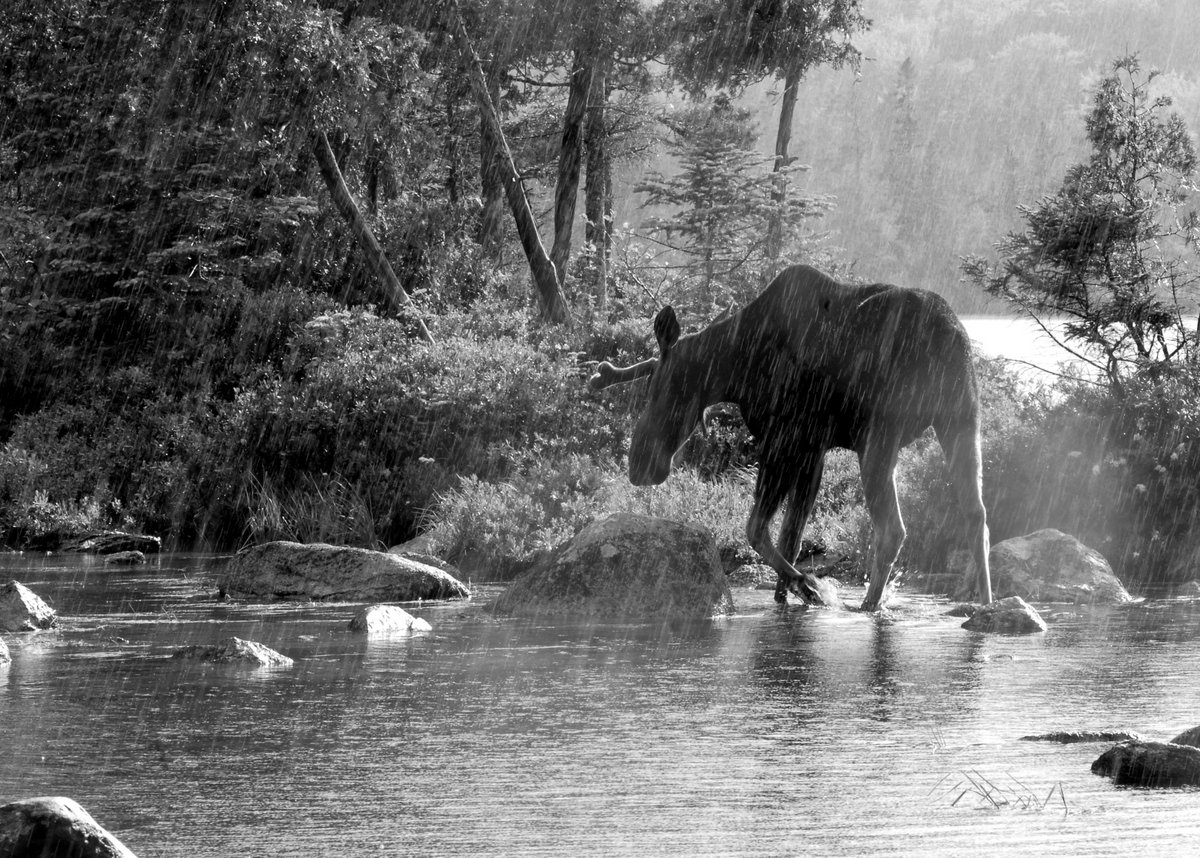
Moose, Baxter State Park-Maine (7550)

In the original color image, I found the green bushes to be a distraction and the sharp color divide made the photo feel disjointed.  Once I converted to B&W the photo seemed to be more visually coherent.  And now the image was less about reporting what I saw, a moose in a rain shower, and became more universal in embodying mood and perhaps melancholy.

Some photographers are drawn to shoot in black and white because creating a compelling image without colors requires a strong understanding and mastery of the visual building blocks of a great photo: texture, tonal contrast, shape, form, and lighting.

A few pointers on making a worthy B&W image:

  1. Visualize in B&W but shoot in color.  Yes, really.  Best to shoot in color first and then convert later.  You will have more data and options to work with.
  2. To visualize in black and white only pay attention to lines, shadows, and shapes.
  3. Look for contrast.  Strong B&W photos usually have strong whites and deep blacks.
  4. Look for texture.  (Think old barns and how great they look in B&W)

Learning to see the world in B&W will allow you to exercise a different set of visual muscles and will make your “colorful” stories even stronger.

Here is a good article on how to see in black and white.

Until next month….m


Nikon D200, Nikon 70-200mm  f/2.8 VR (@110mm), 1/125 s, f/16, ISO 400


Whistle Pig Romance

Shot of the Month – February 2015

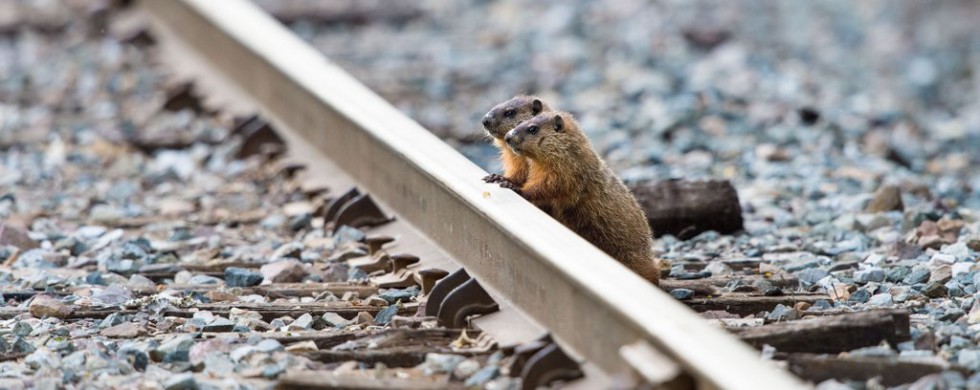
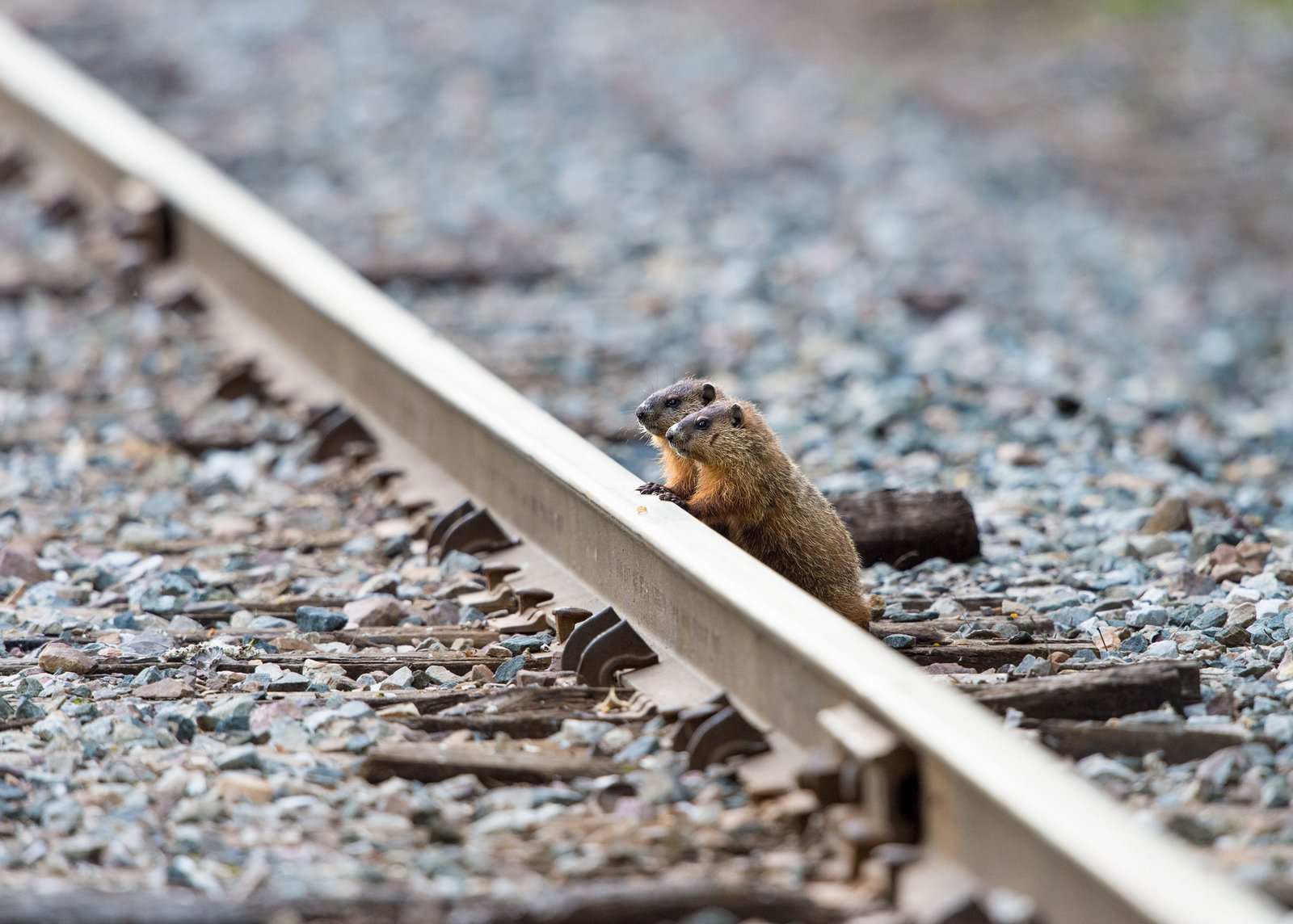
Groundhog-5164

Here you go, a shot that best captures the essence of February.  Blank stare from reader…

Come on, what is February famous for?  For one thing, it has Valentine’s Day, which at least in modern times is all about the celebration of love and companionship (and the commercialization of love and massive consumption of chocolate, greeting cards, roses, etc., but let’s not go there).  Look at this adorable set of lovestruck whistle pigs as they nuzzle side by side and gaze out across the tracks during a late afternoon stroll – that’s as Hallmark moment as it gets.

What else is this month famous for (in a US-centric kind of way)?  Yes, each February 2nd we pull some poor groundhog out of its den to determine if we will get six more weeks of winter.  The aforementioned whistle pigs are groundhogs.  Other aliases include woodchucks, ground beaver, and mouse bear.  What’s with all the crazy names?

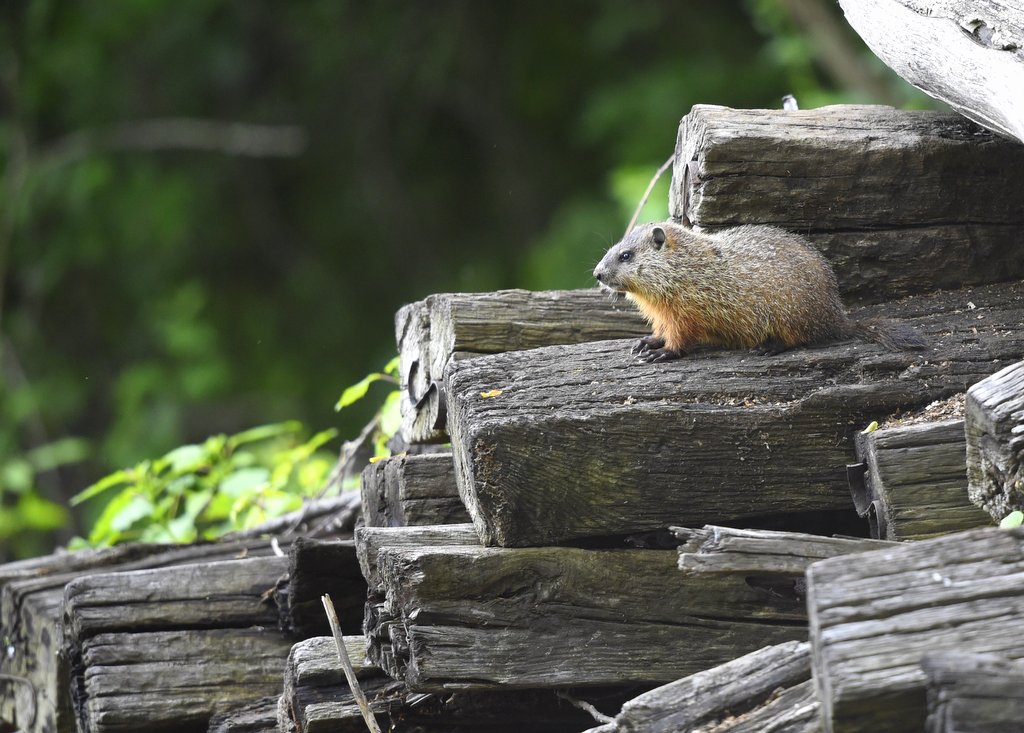
Groundhog -5205

Chucked wood? Ironically, these two lived in this wood pile. Disclaimer: No wood was chucked in the making of this image.

Woodchuck:  Has nothing to do with wood, or chucking.  The Algonquian name for the creature is wuchak.  Which leads to one of my favorite tongue twisters.

How much wood would a woodchuck chuck
if a woodchuck could chuck wood?
A woodchuck would chuck all the wood he could
if a woodchuck could chuck wood.

Whistle pig:  Groundhogs thrive in open areas and will often sit on their back legs or stand to watch out for danger.  If they see a threat, usually in the form of a wolf, cougar, coyote, fox, bobcat, bear, eagle, or dog, they let out a whistle to warn the neighbors.

Mouse bear:  They look like miniature bears when sitting upright.

Groundhogs are one of the few animals that truly hibernate in the winter and can go 150 days without eating.  They only lose about 1/4 of their body weight during this period as they are so adept at slowing down their metabolism as they sleep.  Groundhogs come out of hibernation in March and mating season begins in early spring.  Male groundhogs will rouse themselves from their sleep in early February however to wander about their 2-3 acre territory in search of a den with a female.   The male will enter a female’s den and spend the night.  No mating, just a visit to get to know each other better and smooth the way for a successful March.  If you get my drift. (source)

Romance, whistle pigs, and February — a match made in Heaven.

Until next month….m


Nikon D4s, Nikon 600mm, f/5.6, 1/500s, ISO 800, -0.5 EV

A Spoonful of Pink

Shot of the Month – January 2015

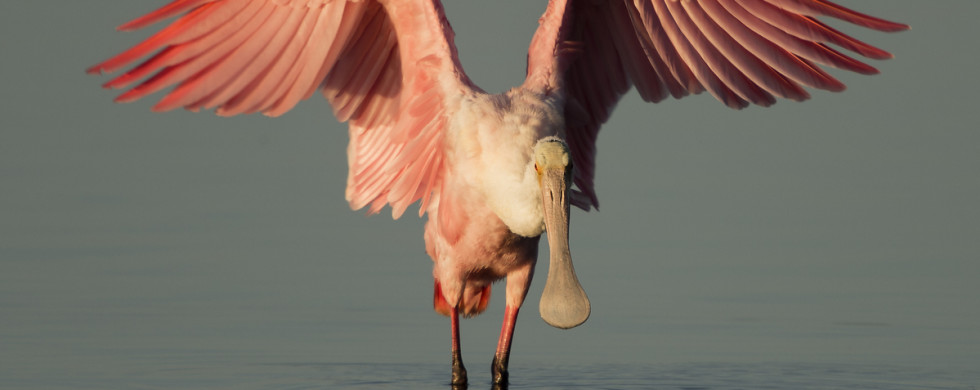
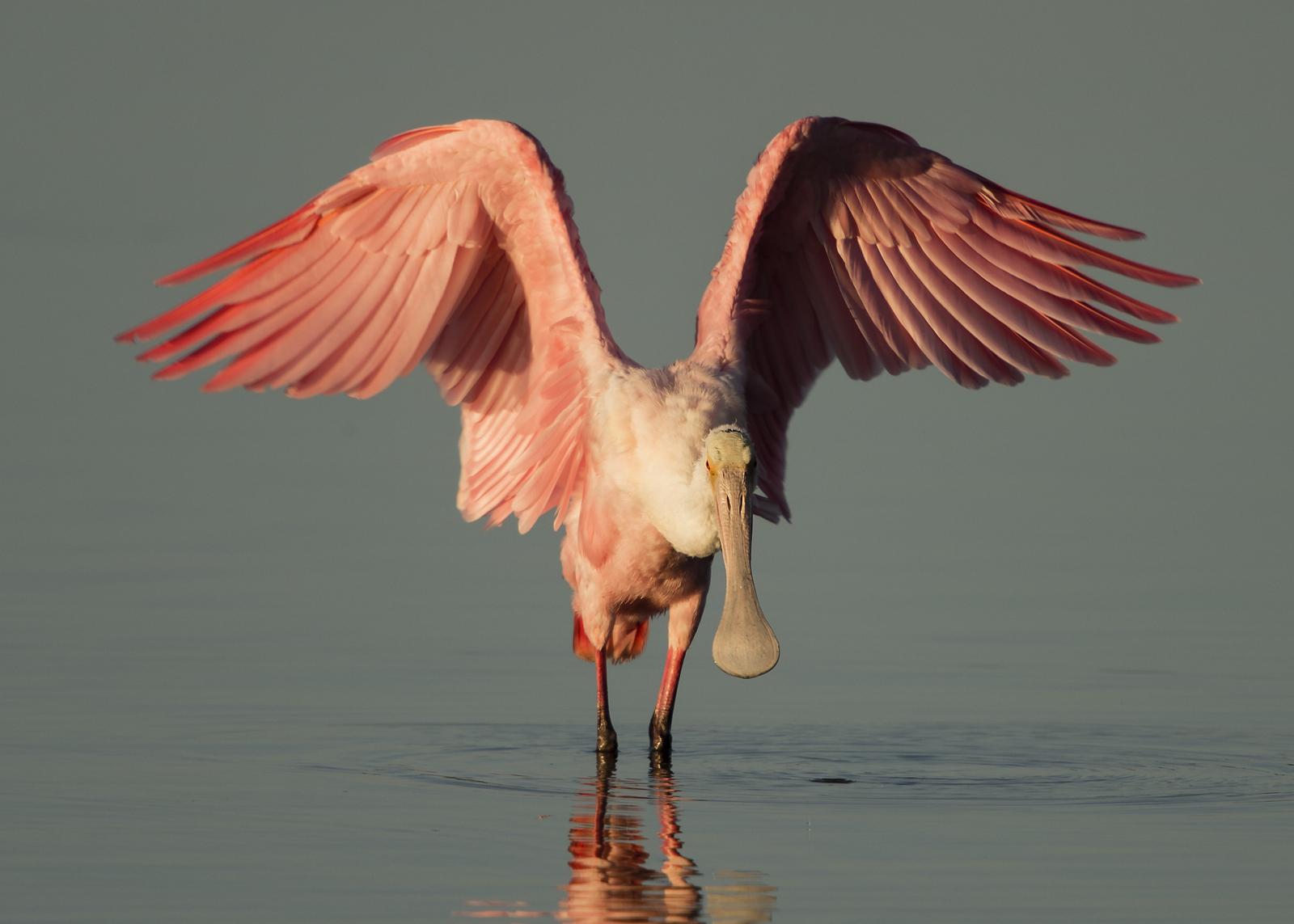
Roseate Spoonbill-8898This month an image of one of Florida’s marquee birds.  Now if you are not paying close attention you might think this is a shot of Florida’s renowned pink flamingo.  Wading bird – Check.  Pink plumage – Check.  Florida – Check.  But the giveaway that this is not a flamingo is in the bill.  Check out the big spatula on Brad (pop culture reference).  What we got here is a Roseate Spoonbill — Florida’s other pink bird.

Myth Buster Alert:  I, like most Americans I imagine, associate flamingos with Florida.  Turns out that the American Flamingo does not breed in Florida and the occasional sighting is most likely that of a bird that escaped from captivity.  In lower Florida, in the southern reaches of the Everglades, you may see a flamingo that is a vagrant from the Yucatan Peninsula.  When Europeans first discovered Florida there was a small breeding population but that population either died off or migrated to other locations further south.  So, despite all the flamingos in the souvenir shops, flamingos are not really part of Florida’s natural landscape.  Wow, mind officially blown. (source)

But we are here to talk about a true Floridian — the Roseate Spoonbill.  There are six species of spoonbill around the world and the Roseate is the only one that is pink.  And it is the only one found in the Western Hemisphere.  Roseate Spoonbills are typically found in Central and South America as far south as Argentina and Chile.  They can also be found in the Bahamas, the Caribbean, and Cuba.  In the US the breeding range is limited to coastal Texas, southwestern Louisiana, and Southern Florida.  A popular place to see the Roseate Spoonbill is in Ding Darling National Wildlife Refuge where I photographed this fellow.

The Roseate Spoonbill uses that signature bill to good use — it is a very effective tool for catching dinner.  In the early morning and late afternoon the spoonbill can typically be seen wading through shallow water, head down, as it sweeps its bill from side to side near the bottom of the water with its mandibles slightly open.  The bill has very sensitive nerves and will snap shut rapidly if prey is felt.  Notice the two narrow slits near the top of the bill?  They allow the bird to continue breathing even while the bill is submerged looking for prey.  Pretty smart.  Minnows comprise 85% of the spoonbill’s diet though they also eat shrimp, mollusks, frogs, newts, and some types of aquatic plants.  Like flamingos, the spoonbill gets its pink color from the algae that is found in the crustaceans that the bird consumes.

Florida was almost left completely pink-free in the 1800s as the population was decimated by professional plume hunters to make hats and fans for stylish ladies of that era.  By 1930 only 30-40 breeding pairs remained.  Fortunately, action was taken and hunting of the bird was banned and special conservation areas were created to protect the bird.  Since then the population has rebounded and about a thousand breeding pairs live in Florida.  Today the main threat to the spoonbill is the loss of habitat as Florida continues to expand human settlements into coastal areas where spoonbills typically live.

Well, at least for the moment it is great news that the Roseate Spoonbill is literally, and figuratively,  “in the pink.”  (collective groan)

Until next month….m


Shot Information:

Nikon D4S, Nikon 600 mm w/ 1.4 x TC (effective 850 mm), f/5.6, 1/750s, ISO 200,