
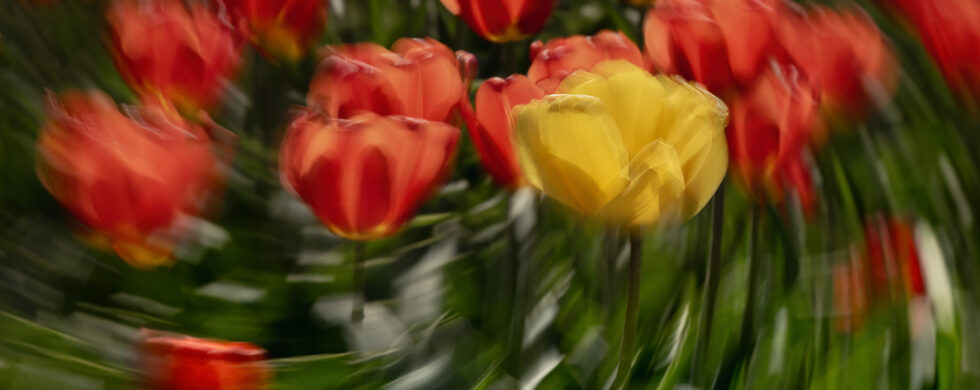
30
2025Fresh Flowers
Shot of the Month – June 2025
In April, I visited Washington’s famous tulip fields in Skagit County. As I drove to the location, I was preoccupied with a concern:
“How am I going to create a unique image? Many thousands of people photograph these same fields year after year after year after……. What am I going to do that is any different? Does the world really need another pretty tulip snap?”
I have visited the fields multiple times — It wasn’t my first rodeo.
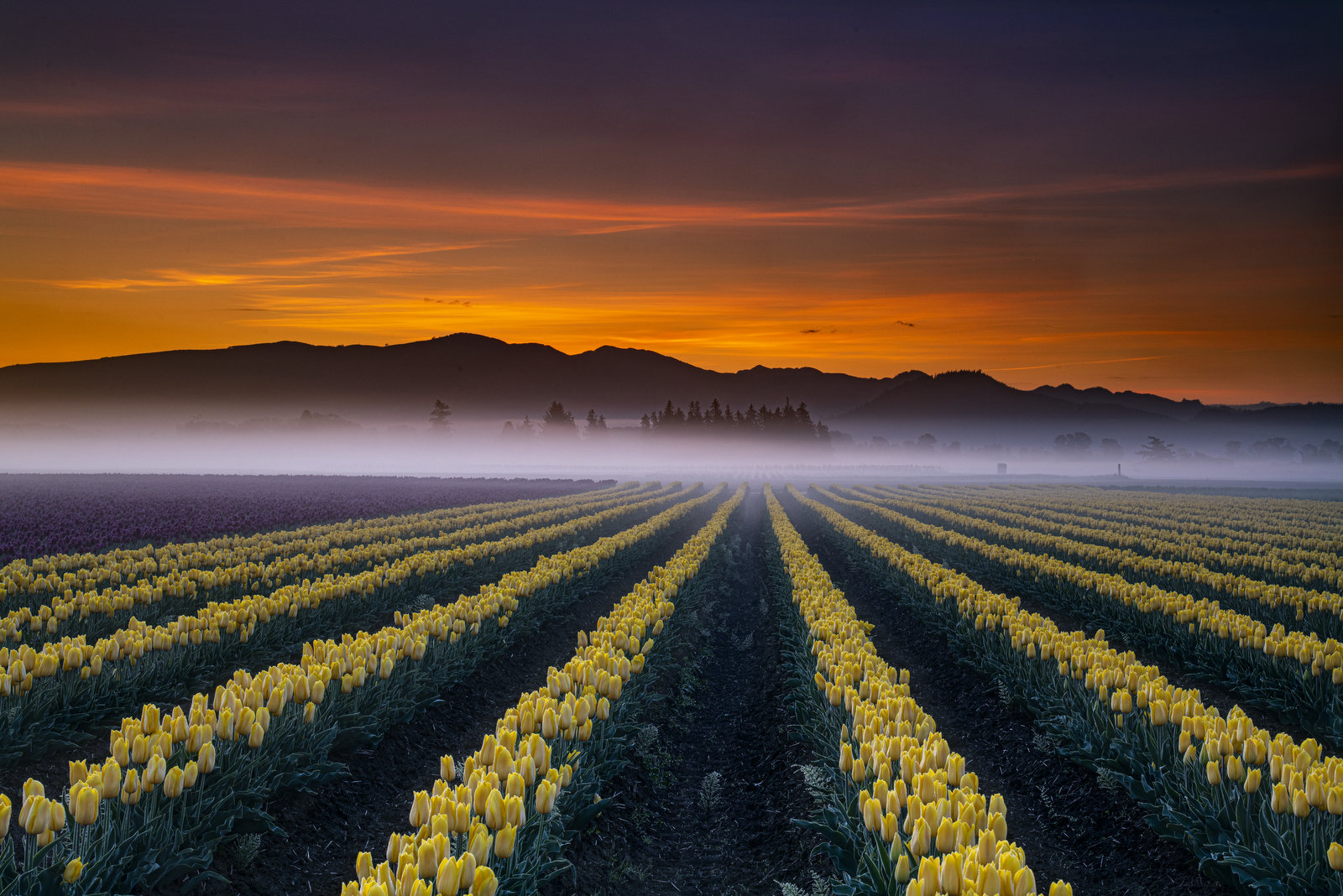
I have done the classic “landscape” shot at sunrise:
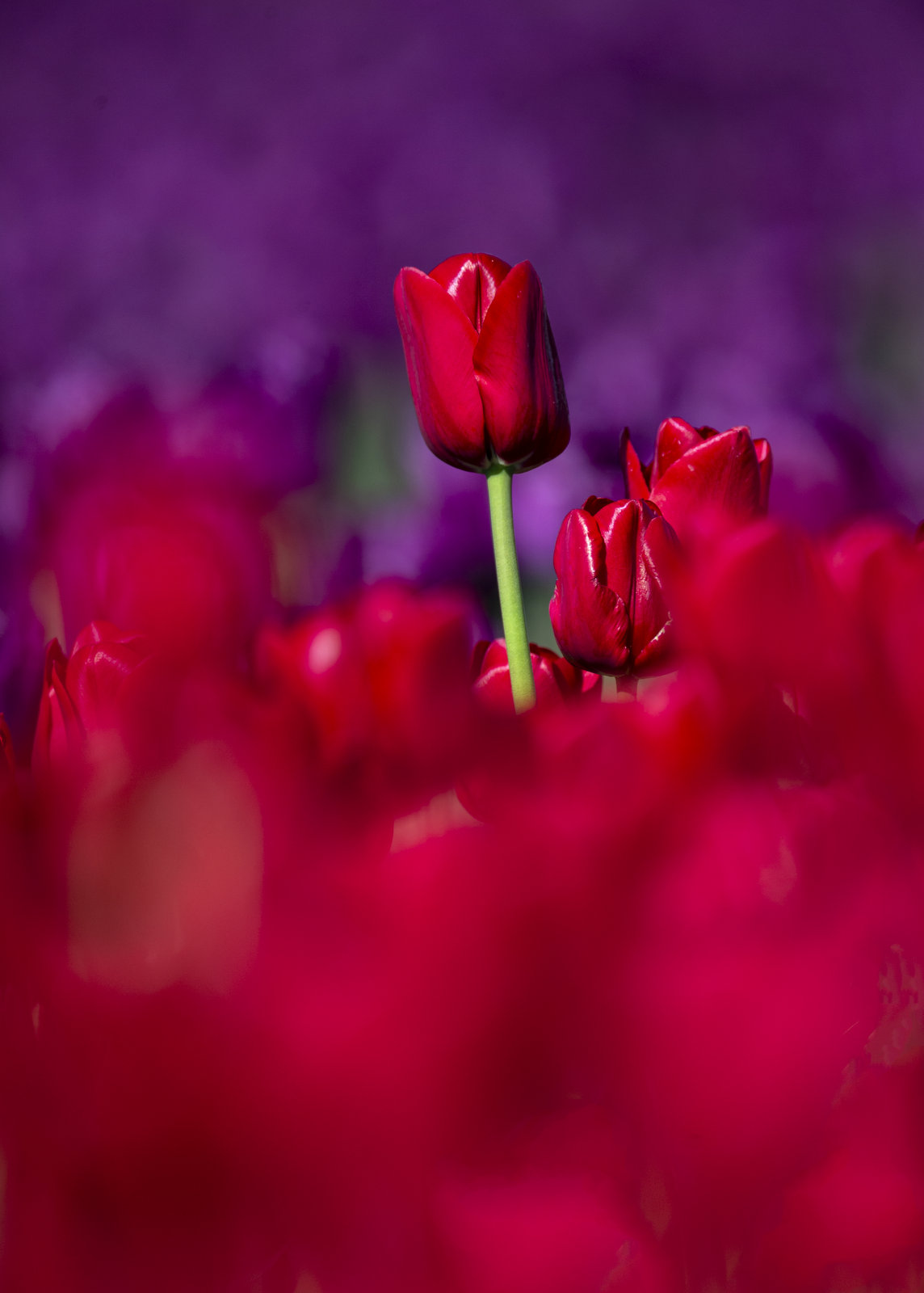
I have done some nice individual flower “portraits”:
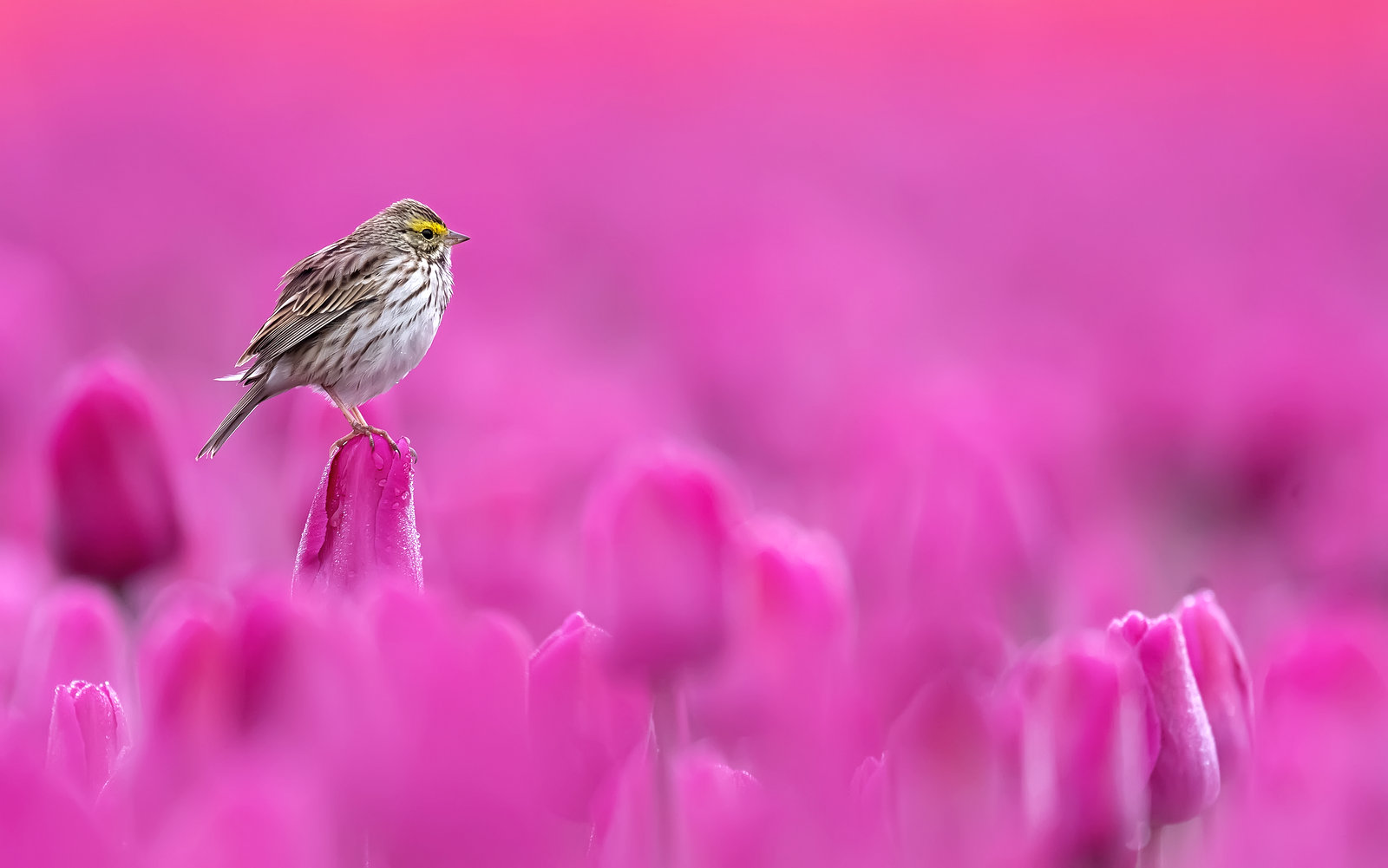
I have experimented with colorful birdscapes:
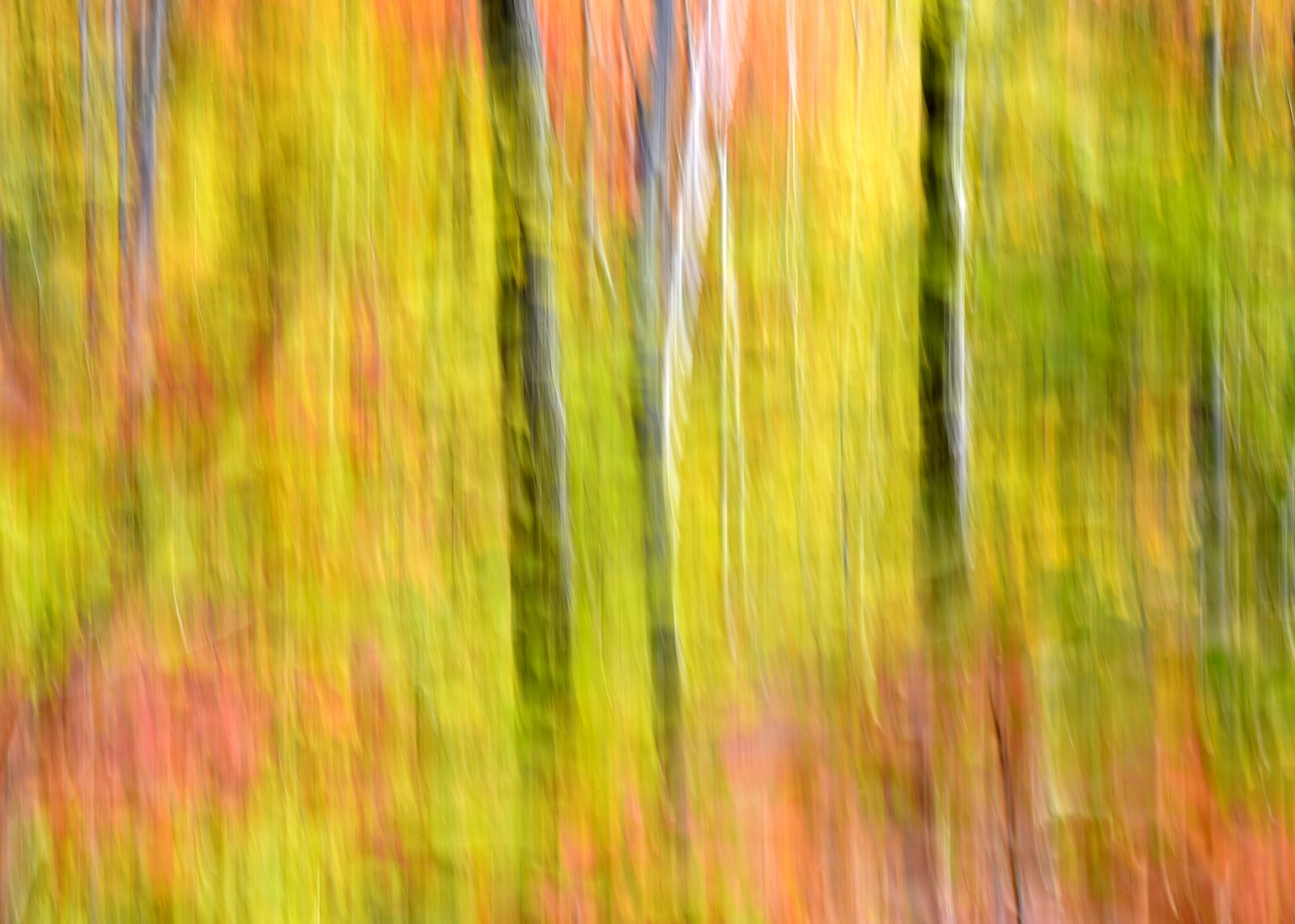
So what next? How can I move the needle? What is something new that I can try? Something beyond pretty flower…?…hmmmm………….Then it dawned on me. Many years ago, I experimented with slow shutter speeds and camera movement to add life to my autumn leaf photography, and I was stunned by the results. For the foliage, I used a slow shutter speed and tilted the camera up or down while exposing the scene to get abstract images like this:
For the tulips, I decided to experiment with “zoom bursts.” What’s dat?
“The zoom burst effect is a photographic technique creating radial streaks of motion by zooming a lens (in or out) while the shutter is open, using a slow shutter speed (like 1/30s or slower) and a steady camera (tripod recommended), resulting in an abstract, dynamic look that makes subjects appear to burst outward or rush inward, ideal for lights, cityscapes, or nature.”
Still confused? Remember in Star Wars when they made the jump to lightspeed? And all the stars came zooming by as streaks of light? Yeah, that. On this occasion, we replaced stars with flowers, and got something like this:
Shot #1:
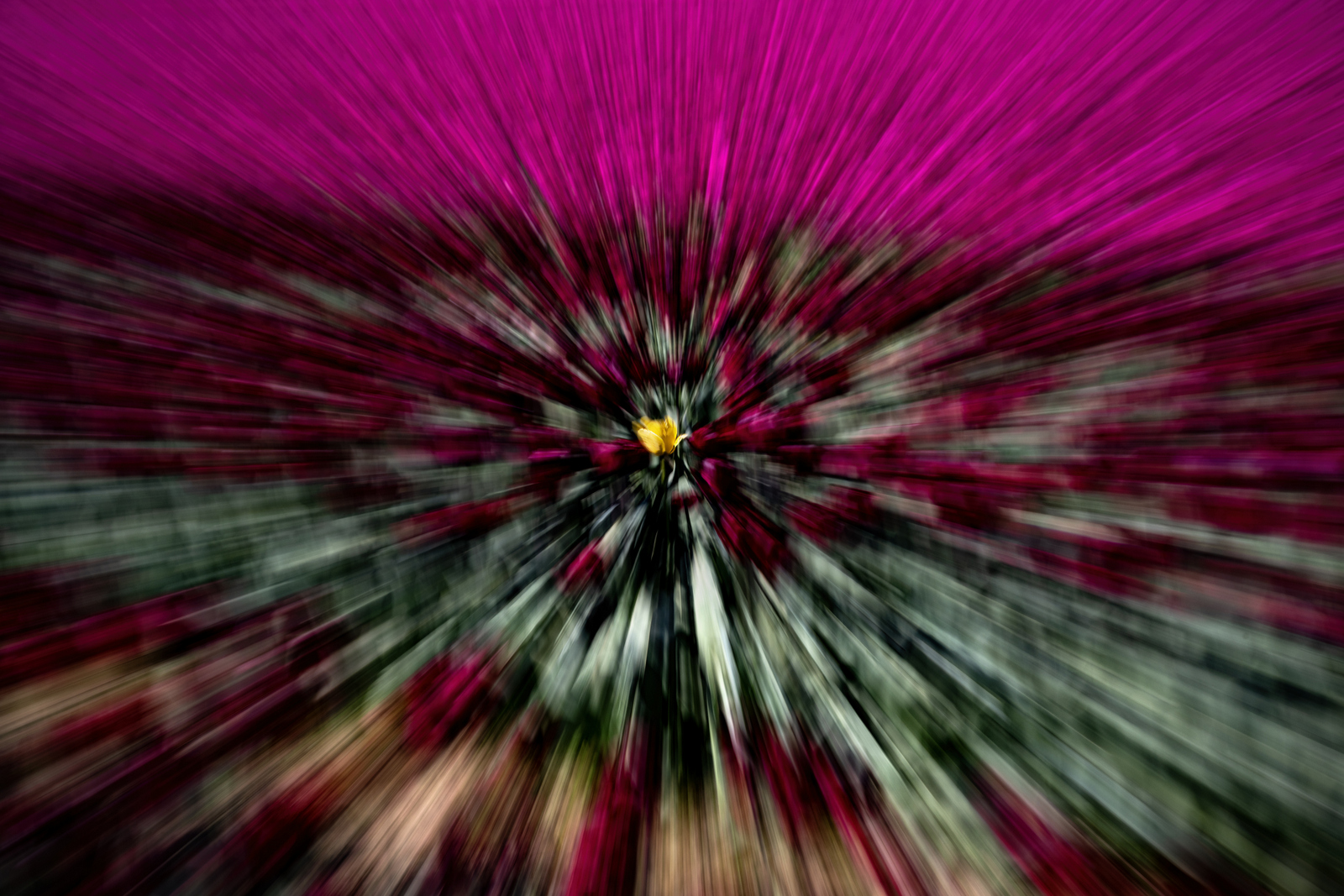
The yellow tulip provided a nice visual contrast and helped anchor the shot.
The key to creating the dynamic blurred streaks is to use a low shutter speed while zooming in or out during the exposure. Other than that, there are no rules. Just a lot of trial and error, experimenting with different shutter speeds and varying how rapidly to pull/push the zoom ring on the lens (So yes, a zoom lens is required to experiment with this technique).
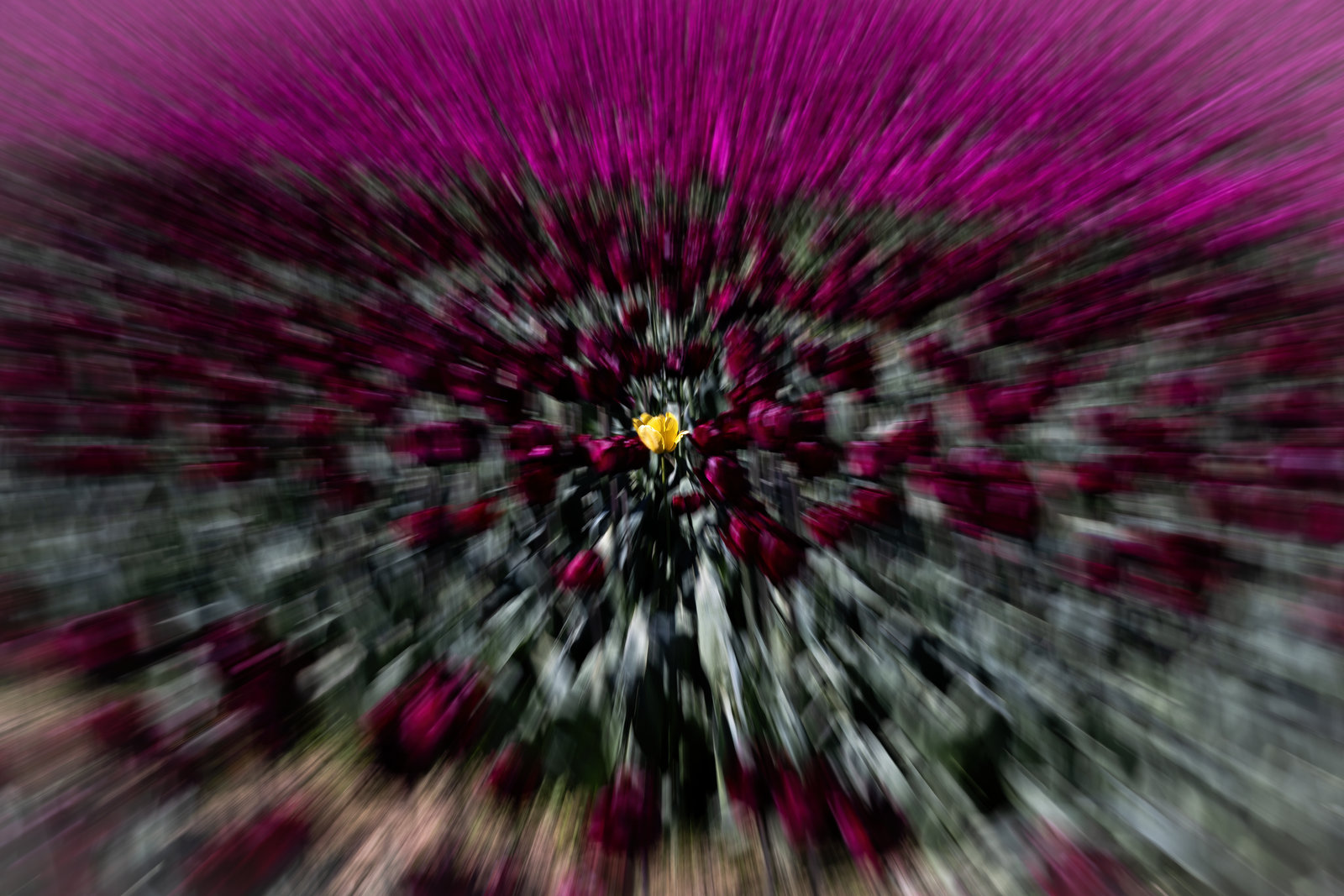
Another attempt from the same position:
Shot #2:
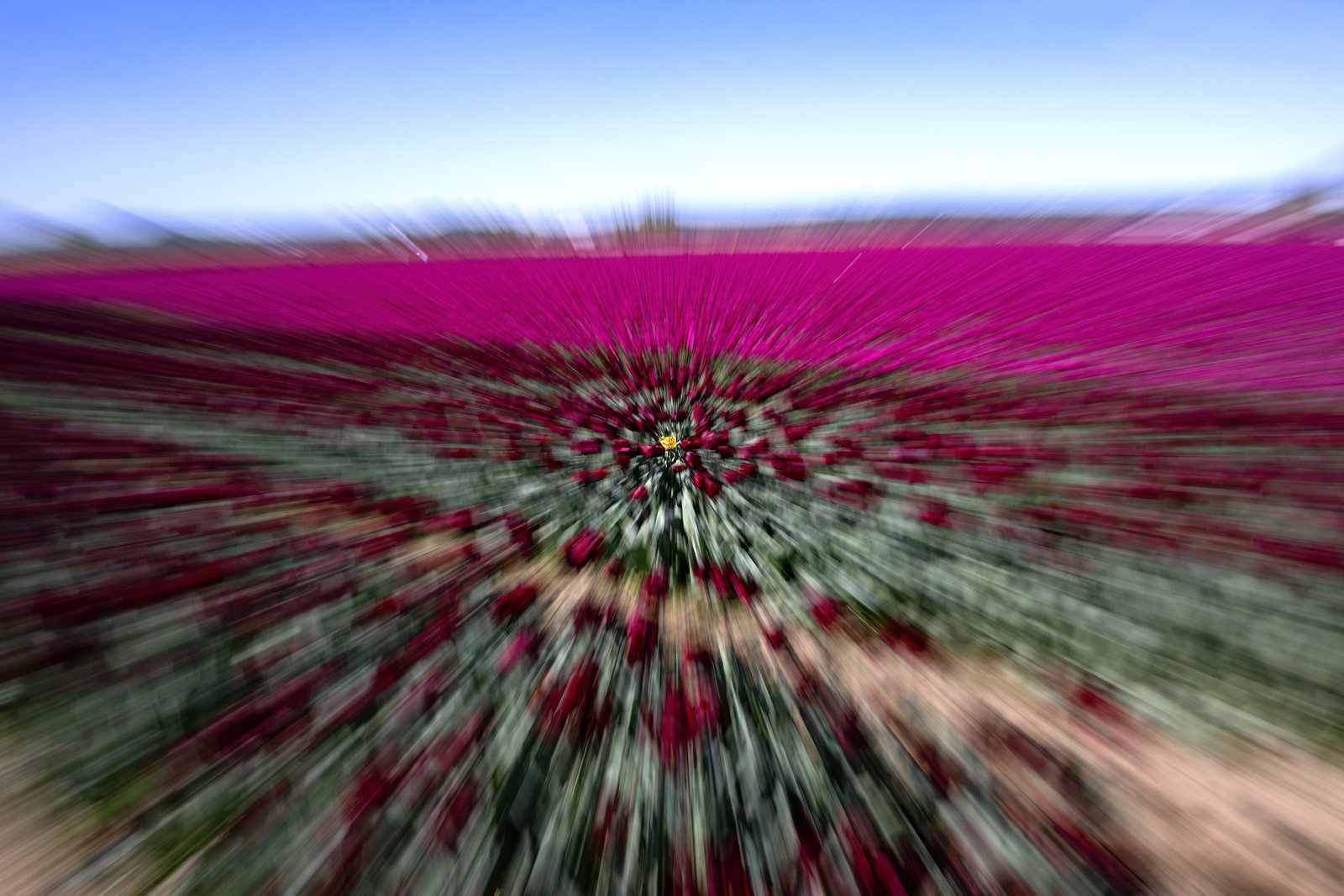
And here is a wider perspective from the same location:
Shot #3:
For an added “twist,” you can rotate the zoom ring as you are pushing or pulling the lens, adding a spiral effect to your radiating lines:
Shot #4:
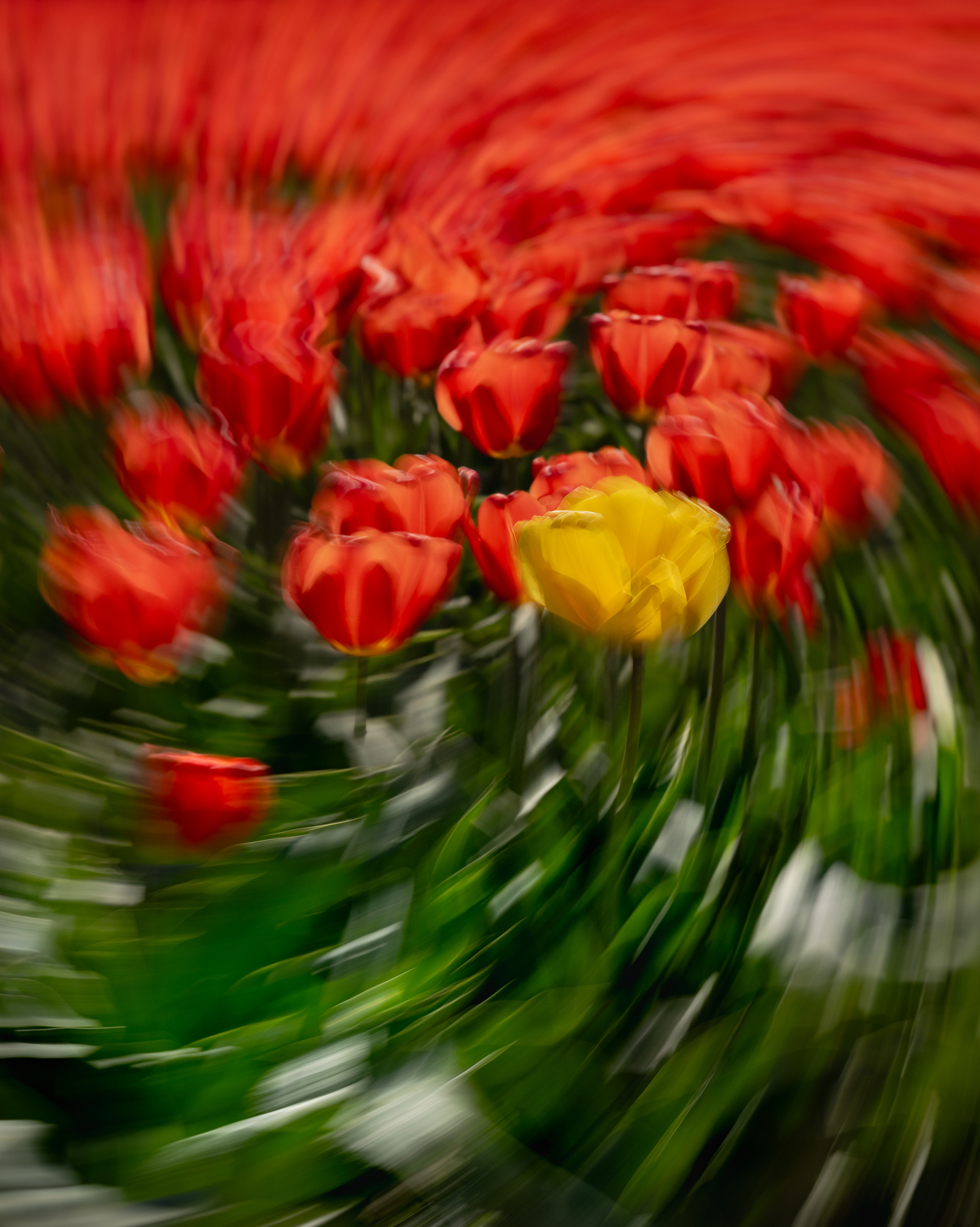
Here is the same shot with a wider field of view:
Shot #5:
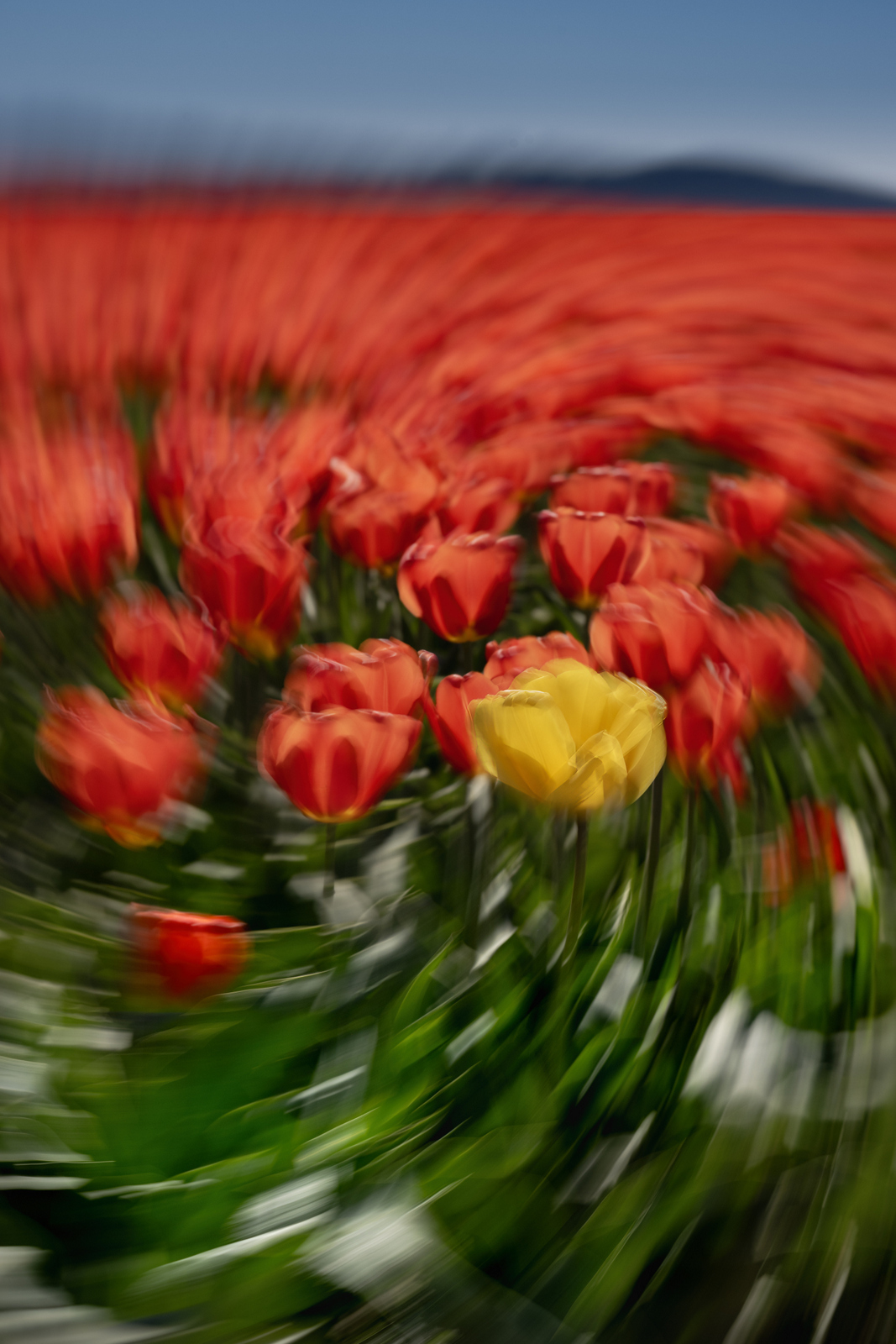
Typically, only the subject at the center of your image will be in focus, but you can experiment with off-center subjects, and sometimes you can get it reasonably sharp, as in the image above.
In the next image, I spun the lens 360 degrees with the yellow tulip dead center, creating a merry-go-round look:
Shot #6:
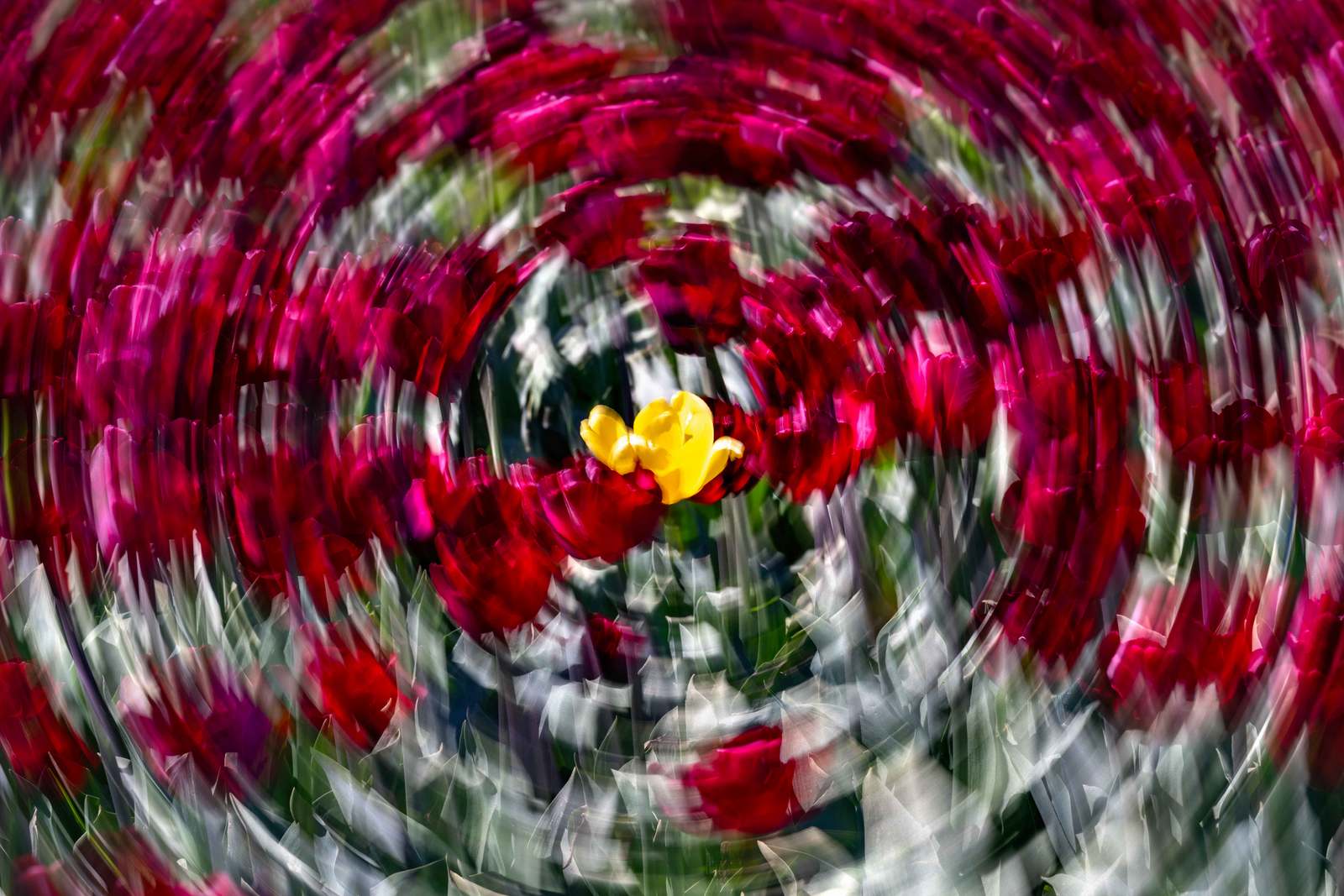
In the next image, I did not spin the lens a full 360 degrees:
Shot #7:
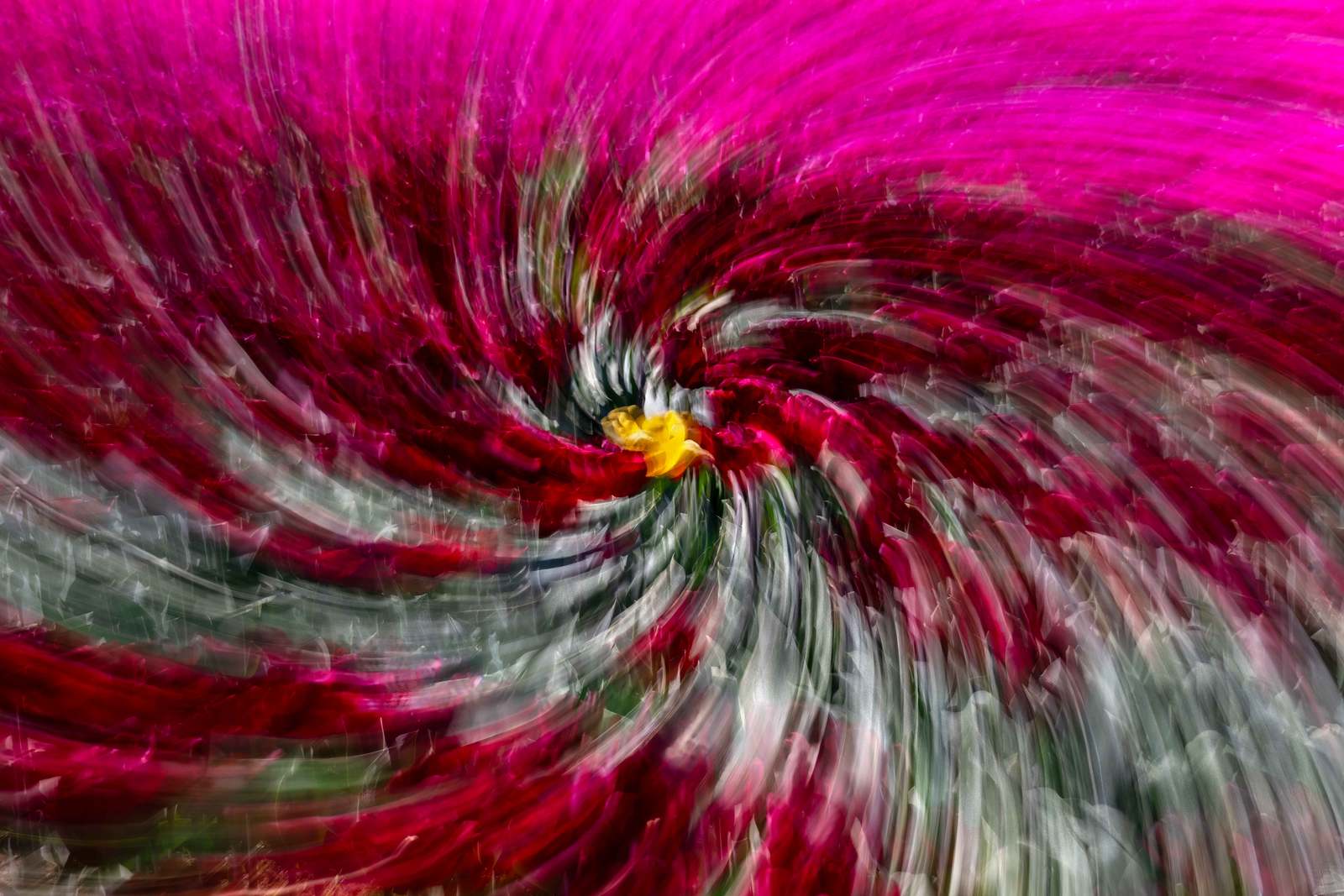
It seems like all of the flowers are being sucked into a vortex created by the yellow tulip. Dude, so trippy….
I looked for subjects that clearly stood out from the crowd:
Shot #8:
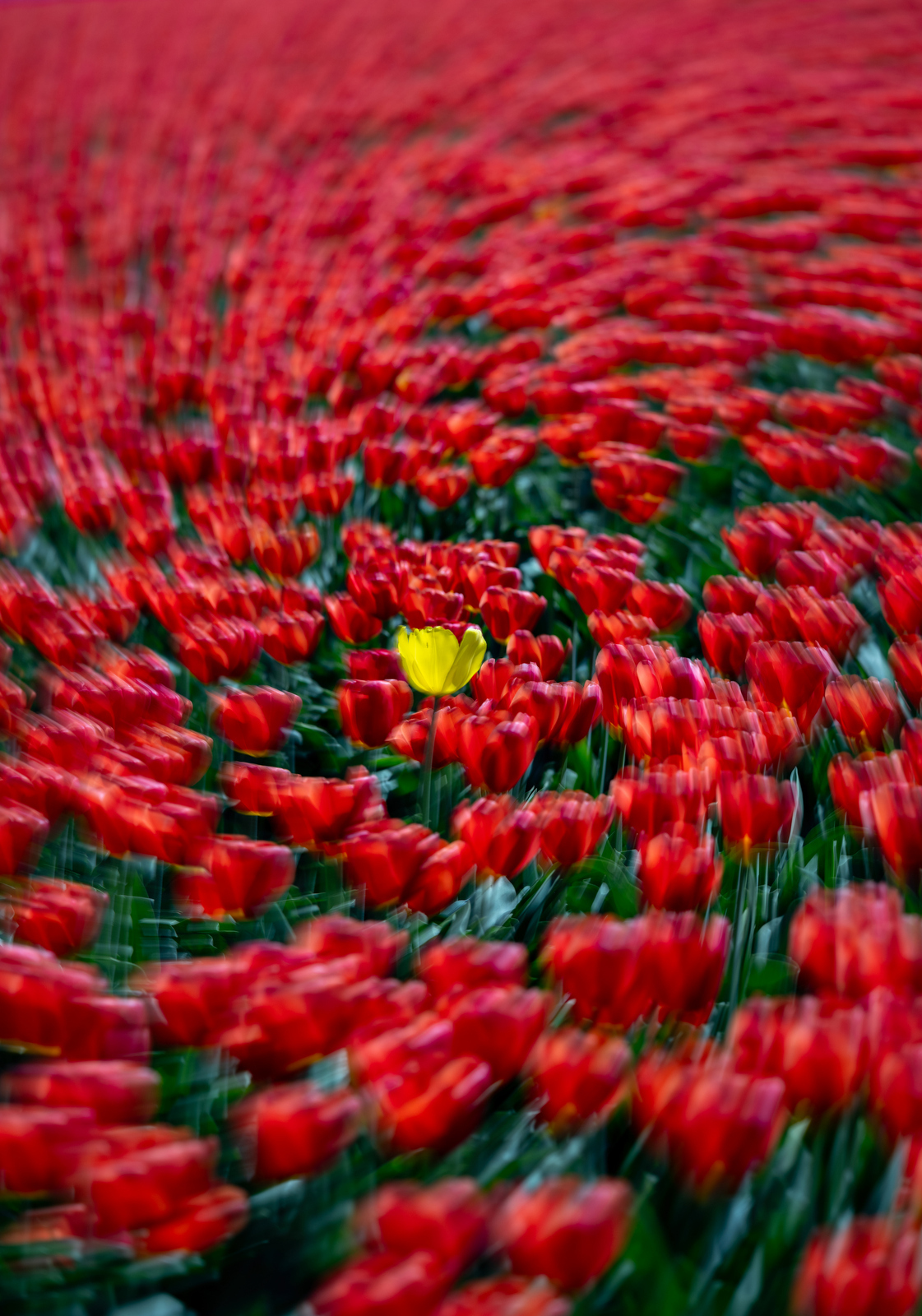
In the shot above, I used a relatively fast shutter speed and zoomed and rotated the lens only mildly, so the effect is more subtle.
Here’s a pretty field….
Shot #9:
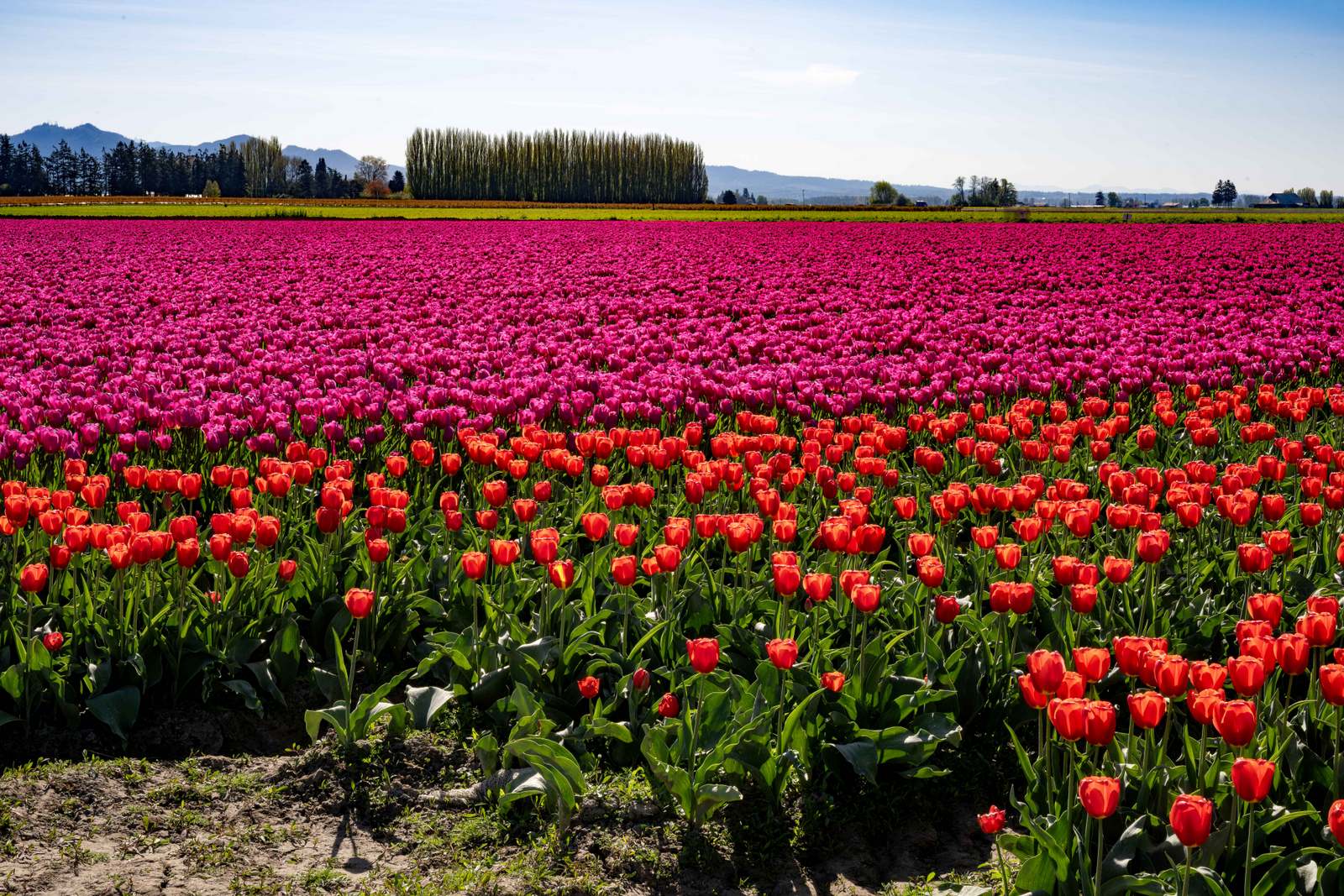
Ok, (yawn) what else you got? Let’s jump to lightspeed (straight zoom pull, no twist):
Shot #10:
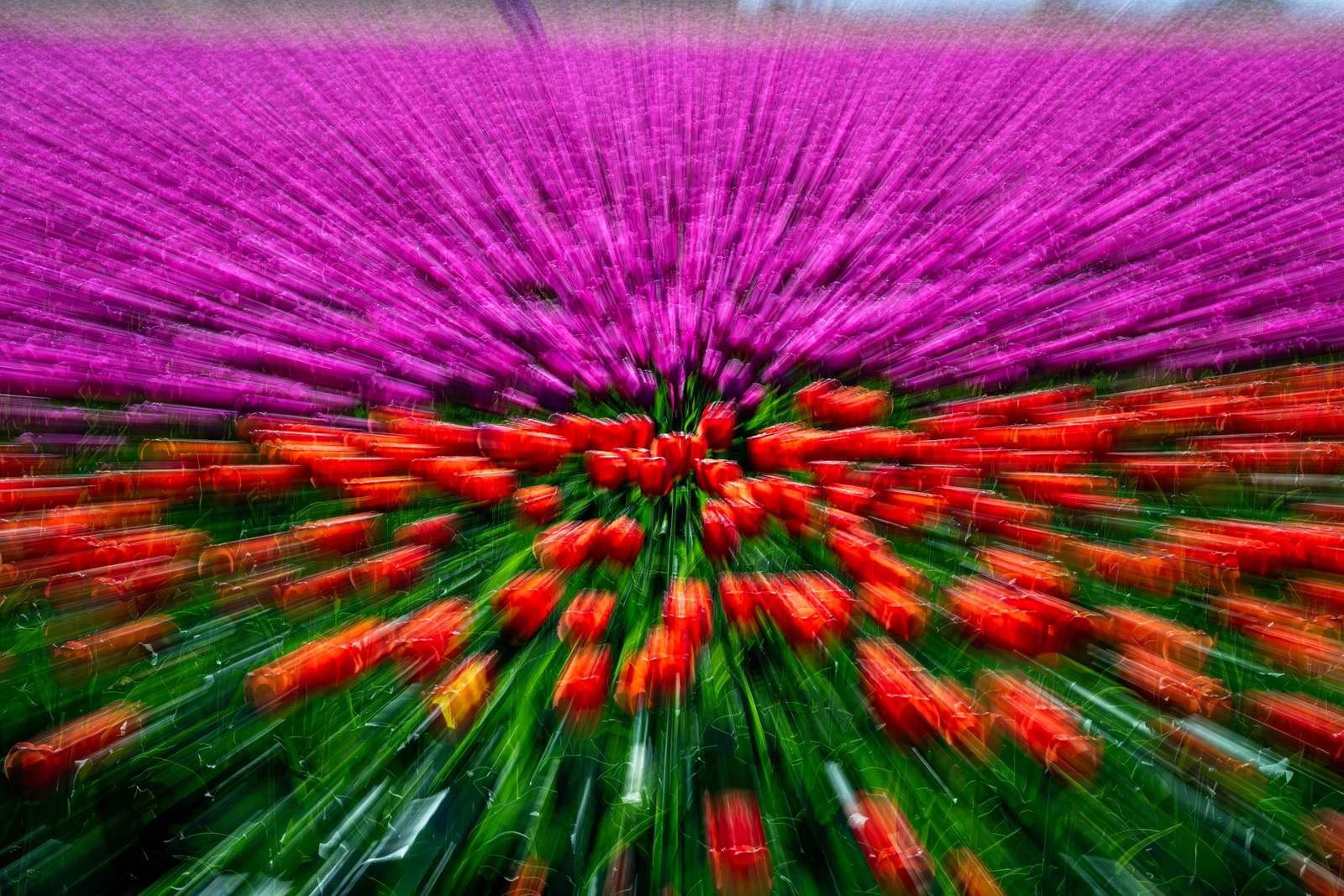
Another version, but let’s push the zoom in a different direction:
Shot #11:
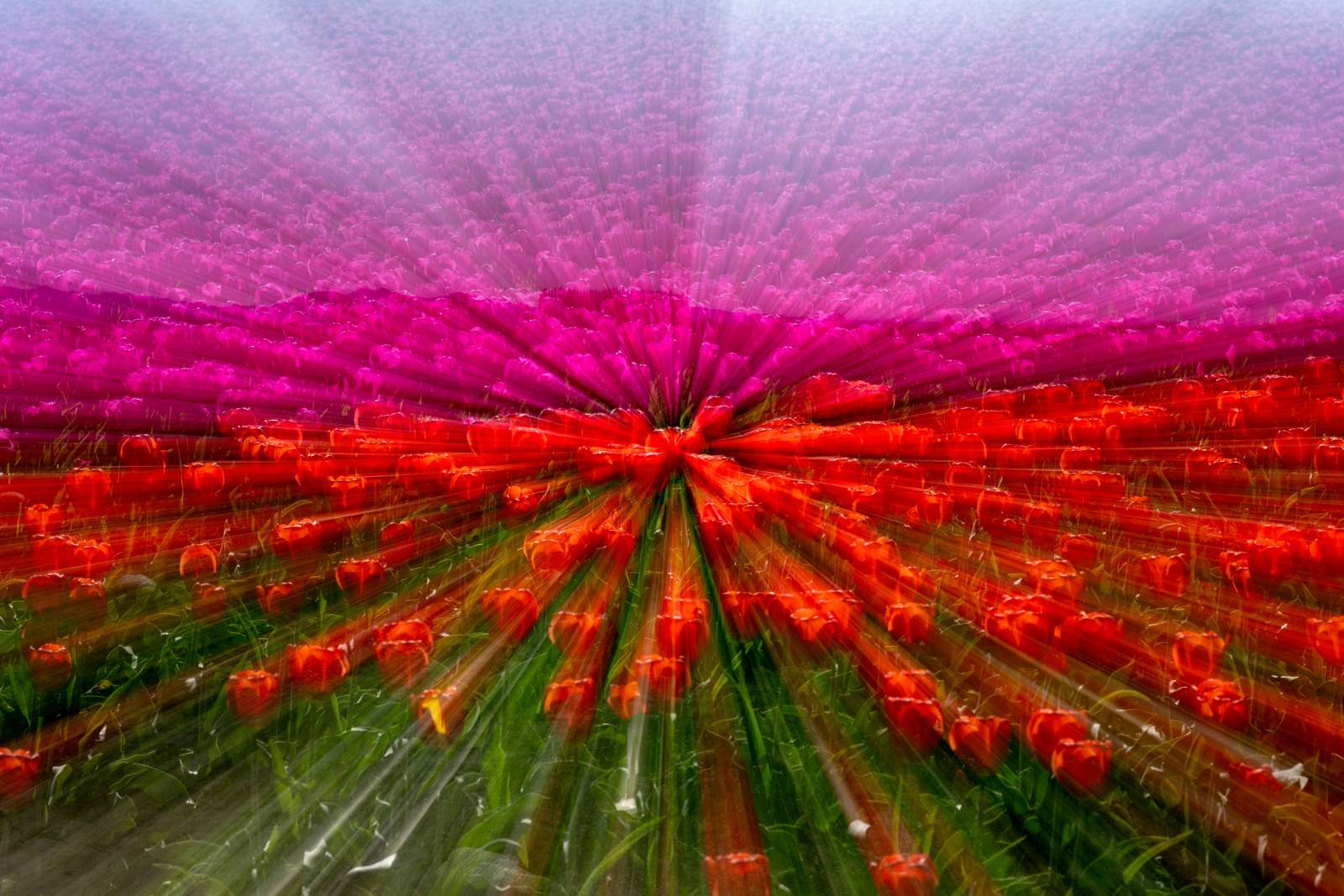
Ok, one last shot with a wider perspective:
Shot #12:
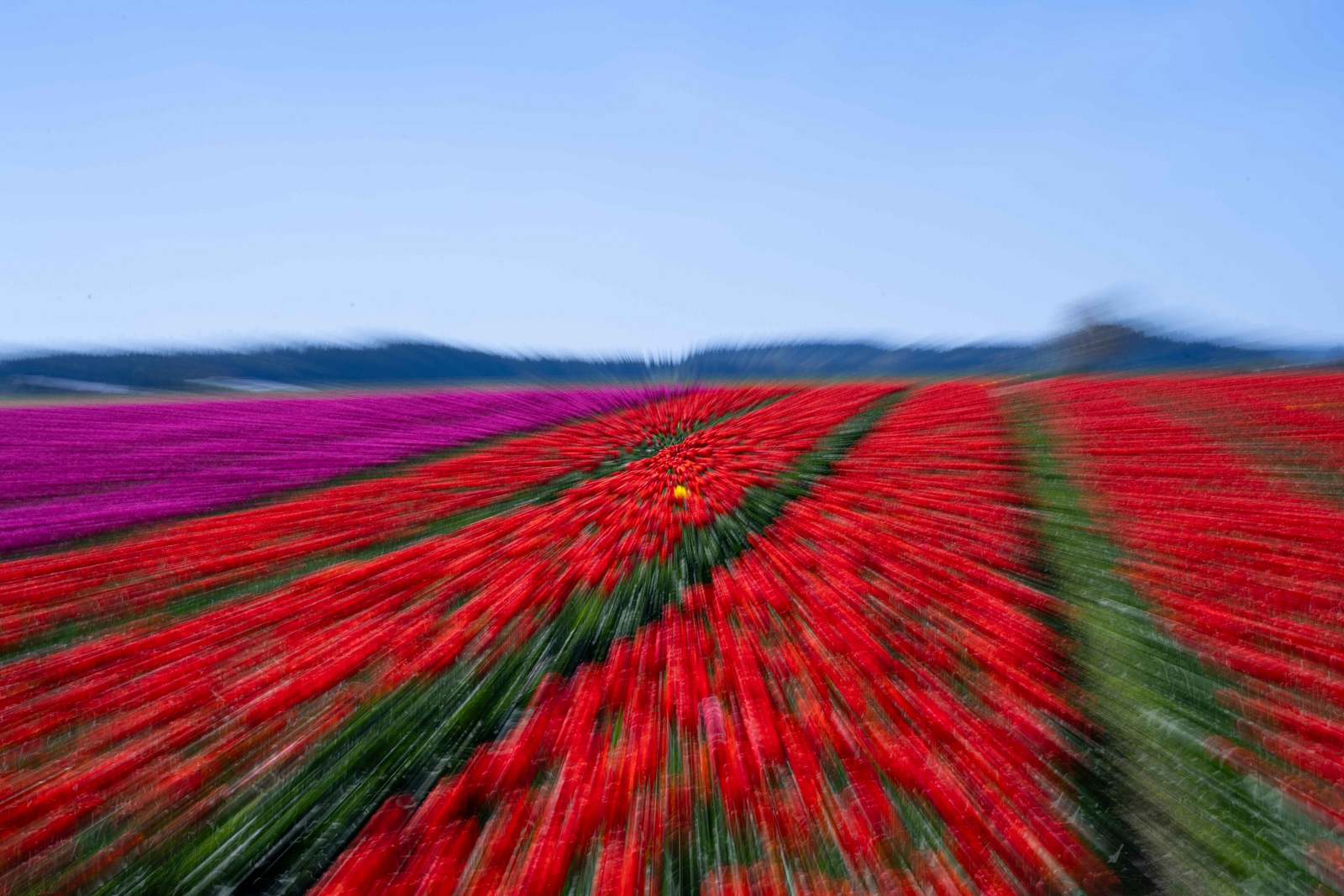
On some days, after so many years of photography, it can be challenging to find the inspiration or vision needed to create something worthwhile. Not on this day. I had a blast experimenting with the new technique. After each shot, I excitedly checked the screen to see what magical combination of color and shape I may have captured. The hours passed quickly as I played with the limitless variations of shutter speed and lens movement. And it was fun to study the scene with my new “mental lens” in looking for compositions that were conducive to the “zoom effect.”
What are your thoughts on this non-traditional view of the world? Strike your fancy? Any favorites among the group?
Until next month…
Shot #4: Nikon Z9, Nikon 100-400 mm, f/11, 1/30 sec, ISO 64


Mini
Loved the blog!! A Master Class in zoom bursts!
Sherry Lawson
Beautiful shots! Many thanks for sharing with us! Best wishes.
Craig
Another wonderful post. You didn’t even hint at this experiment, nicely done. Great colors.
Laura
Gorgeous pictures. Happy Holidays!
Ginger E.
Love this! I’m going for #5 – like the assymmetry and the movement of the off-center swirl.
Love and happy new year! Ginge
Dave Dickson
Sir, dude, hace mucho tempo, tempus fugit…
Have you ever revisited Koulamoutou¿
Your fotos are boss. PuraVida
Cheers, Dave Dickson
Standing Out From The Crowd @ Michael Despines Photography
[…] month we explored a non-traditional approach to Tulip photography using a “zoom effect.” This month, we will revisit a more traditional approach – subject isolation. […]