Trifecta!

Shot of the Month – January 2025


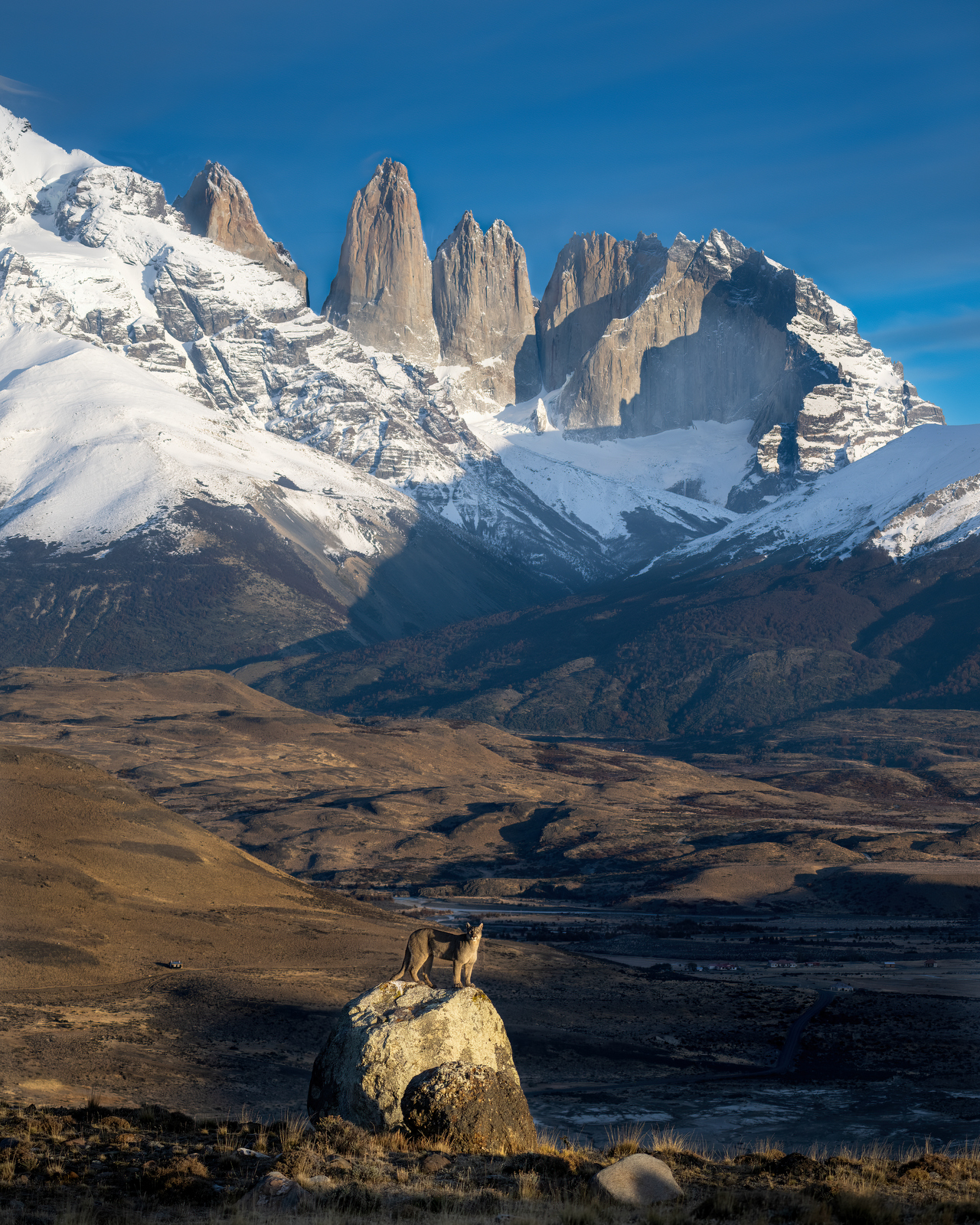
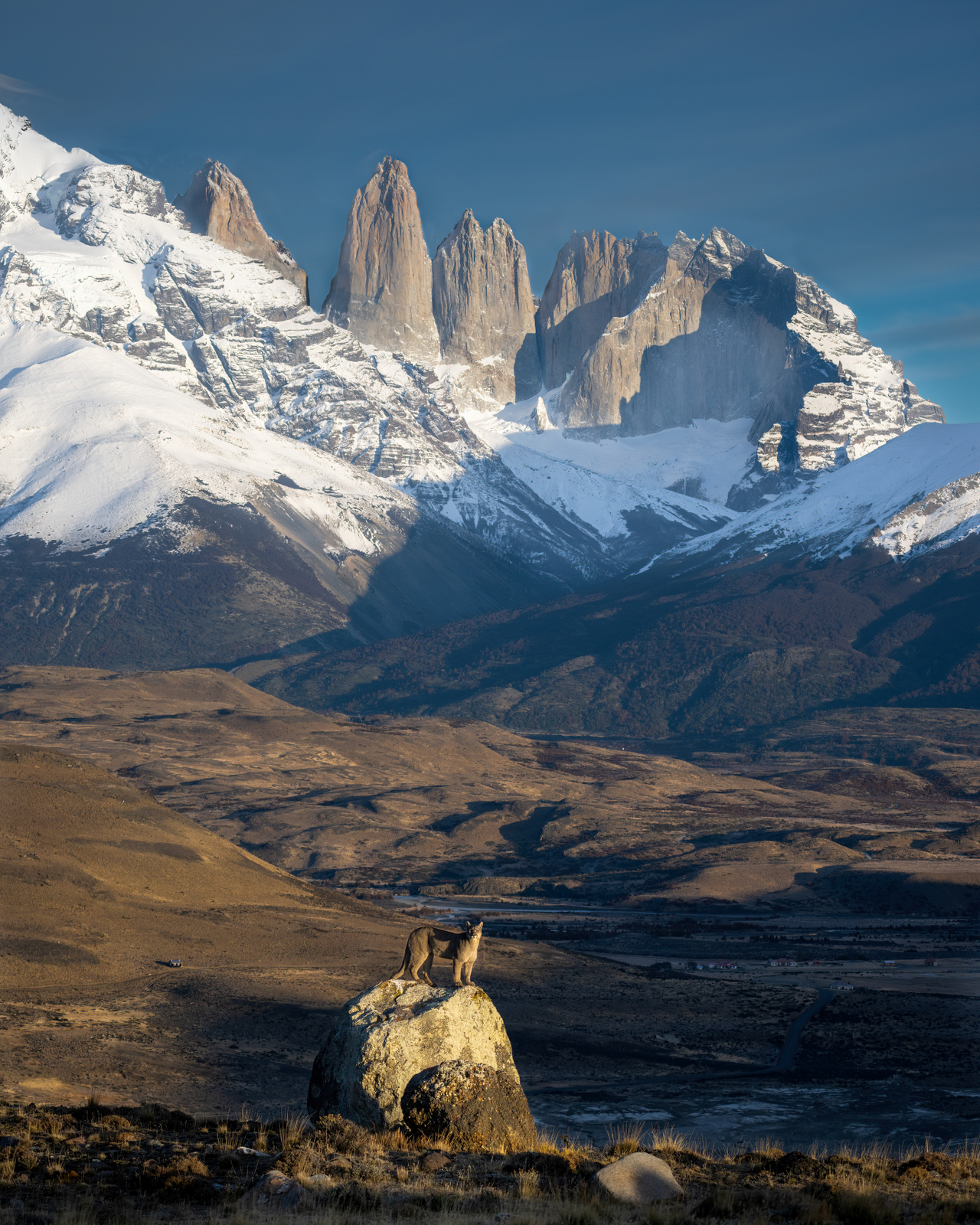
Puma (8275), Patagonia

Boom! (The photographic equivalent of a “mic drop”)

My favorite (best?) shot of 2024!

A once-in-a-lifetime shot!  Definitely

It doesn’t get any more Patagonia than this.  If you need a refresher on Patagonia, check out this link:

Patagonia

Otherwise, let’s break it down:

Torres del Paine:

In the background of this shot we see three immense rock towers called the Torres del Paine (Spanish for “Towers of Paine”).   These three peaks are the centerpiece of the eponymously named Torres del Paine National Park in Patagonian Chile.  These peaks are part of the broader Cordillera del Paine mountain range, which makes up part of the southern Andes Mountains.

Puma

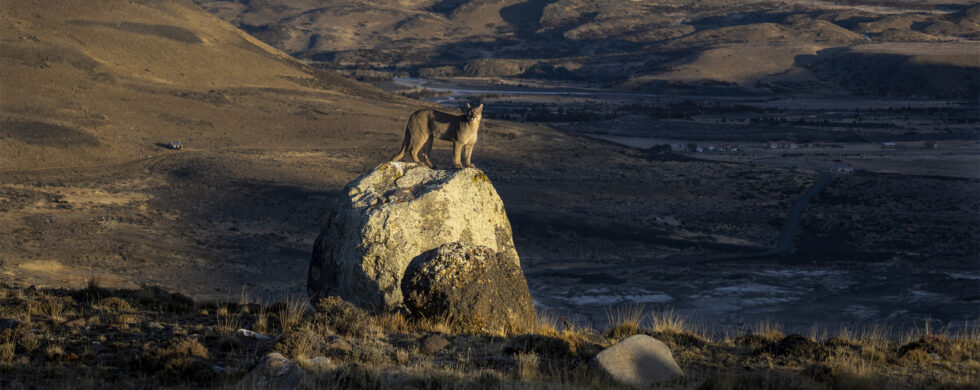
The apex predator of Patagonia is the Puma.  In this shot, we see a female puma standing on a rock as she surveys her territory.

The Shot!!!

Getting a shot of a Puma in Patagonia is possible if you spend a few days and put in the miles.  Getting an image of the Torres del Paine is a given, as they dominate the landscape in this park.  Getting them both together, as in this composition?  That puts us in “once in a lifetime territory”!

How did it happen?

One crisp morning, we were out hiking when we saw this female puma walking along a ridge line.  My guide instantly looked at me and said “I know this cat.  She likes to walk along the ridgeline.  You are probably going to get some nice shots, but you are going to have WORK for it.”  The challenge is that even when a puma is not walking very fast, by puma standards, this is very fast for us, fairly out of shape bipedal humanoids carrying more than 25 pounds of camera gear.

We took off with great haste to try and keep in front of the cat.  We scanned the horizon and tried to guess where she might stop, and looked for potential good compositions.  We scrambled to get out in front, set down our cameras and tripods, and set up for a shot.  Usually, I would be breathing heavily and struggling to keep still as I composed a shot.  We might get a few seconds to shoot before she was already past us again.  MOVE!

We scrambled and did our best Olympic speed walking to get in front.  This went on for hundreds of yards.  Scramble.  Stop.  Drop to your knees and put the gear down.  Try and compose an image and shoot while your chest is heaving.  Scramble.  Shoot.  Repeat.

And then we saw the rock.

The rock that also happened to have the Torres del Paine in the background.

The same rock that had the Torres del Paine in the background as the morning light lit up the valley and the towers with a crisp blue sky as a backdrop.

My heart was now pounding in my ears.  I realized the image that might be possible.  I didn’t allow myself to even consider it.  It would be like winning a photographic lottery with the same or even worse odds.  I scrambled as fast as I could to get into position.  Can I get there in time and set up the shot?  Would she actually get up on that rock?  Would she look at us?  My mind was racing.  I set my gear down and began to compose the image.  Trembling.

My Brain:  “Dont F*&^ this up!”  Get your settings right.  Get the focus ready.  HURRY!

This all happened within a few seconds.  The puma reached the rock.  She did not hesitate and immediately leaped onto the boulder.  She was checking for scents – seemingly a popular place to mark one’s territory.  But she was also facing the wrong way!!  I need just one MORE miracle.  Please turn around!  Turn around! Turn…

And she turned around.

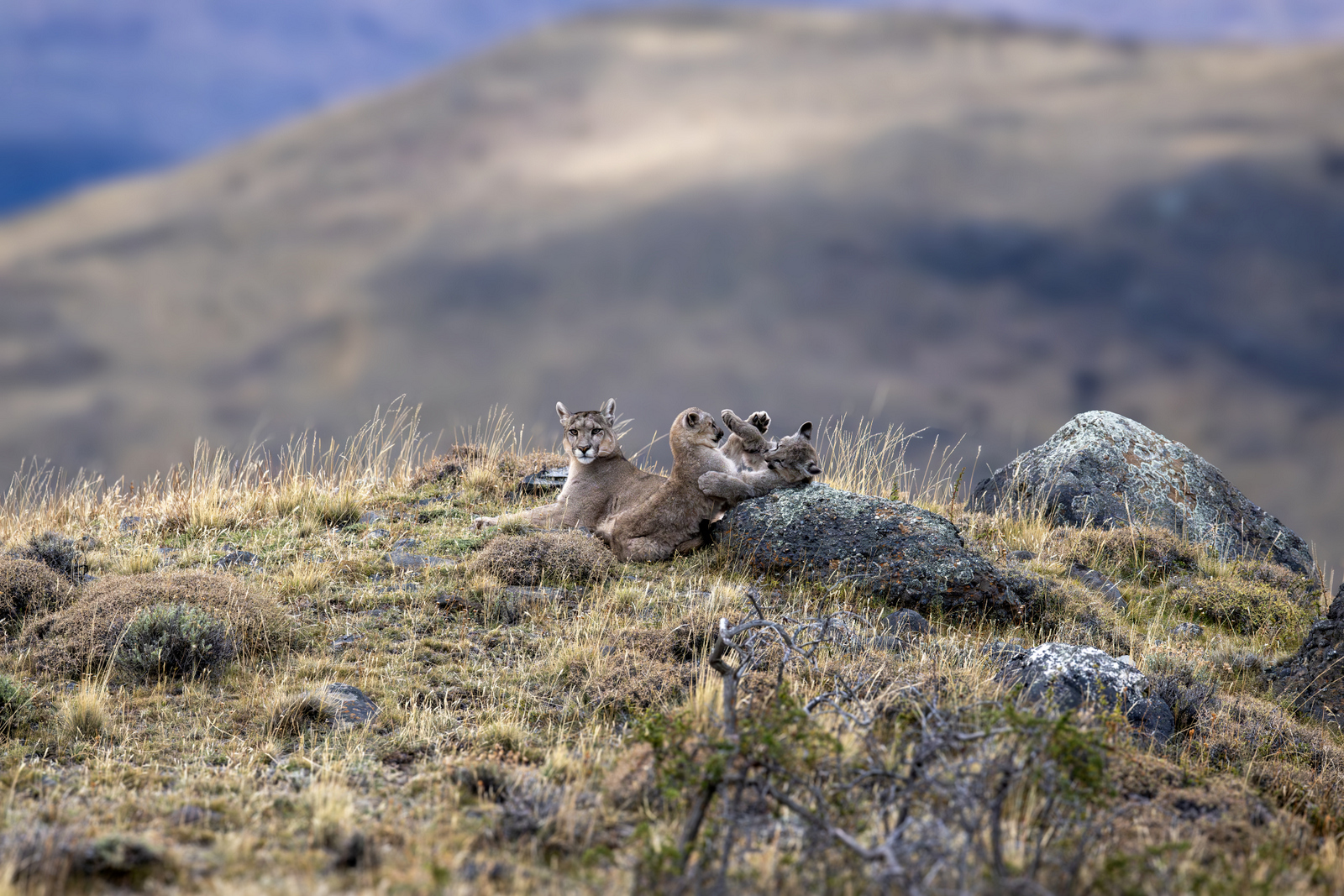
I initially tried to shoot the image in landscape orientation, but my lens was not quite wide enough:
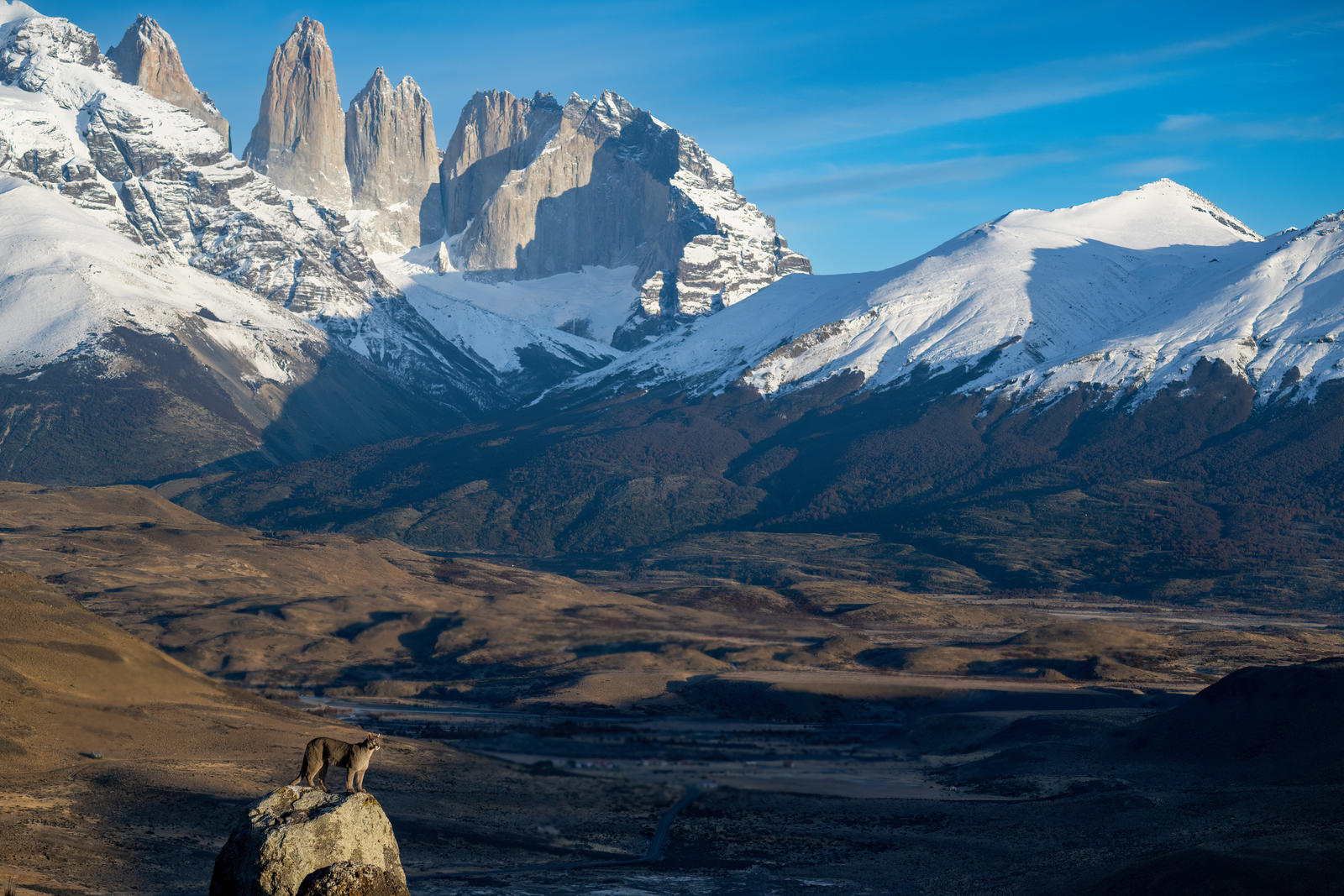
Puma, Patagonia (8229)

Arrrgh!  Just a bit too cramped at the top to really work.  Flip to vertical!!!

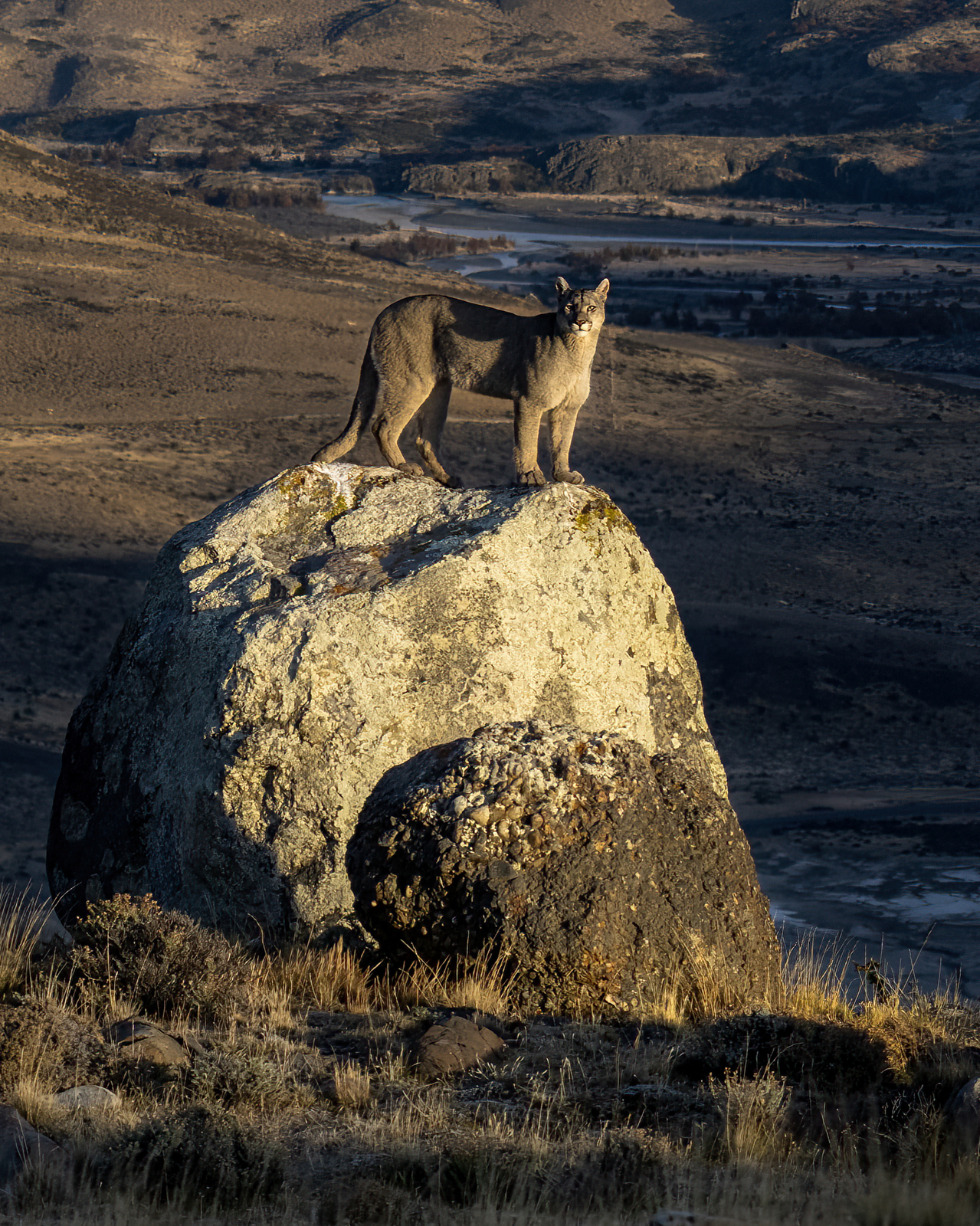
Fortunately, she was very cooperative and stood there for a few seconds, allowing me enough time to rotate my camera, adjust my settings, and get “the” shot before she leaped down and continued her patrol.
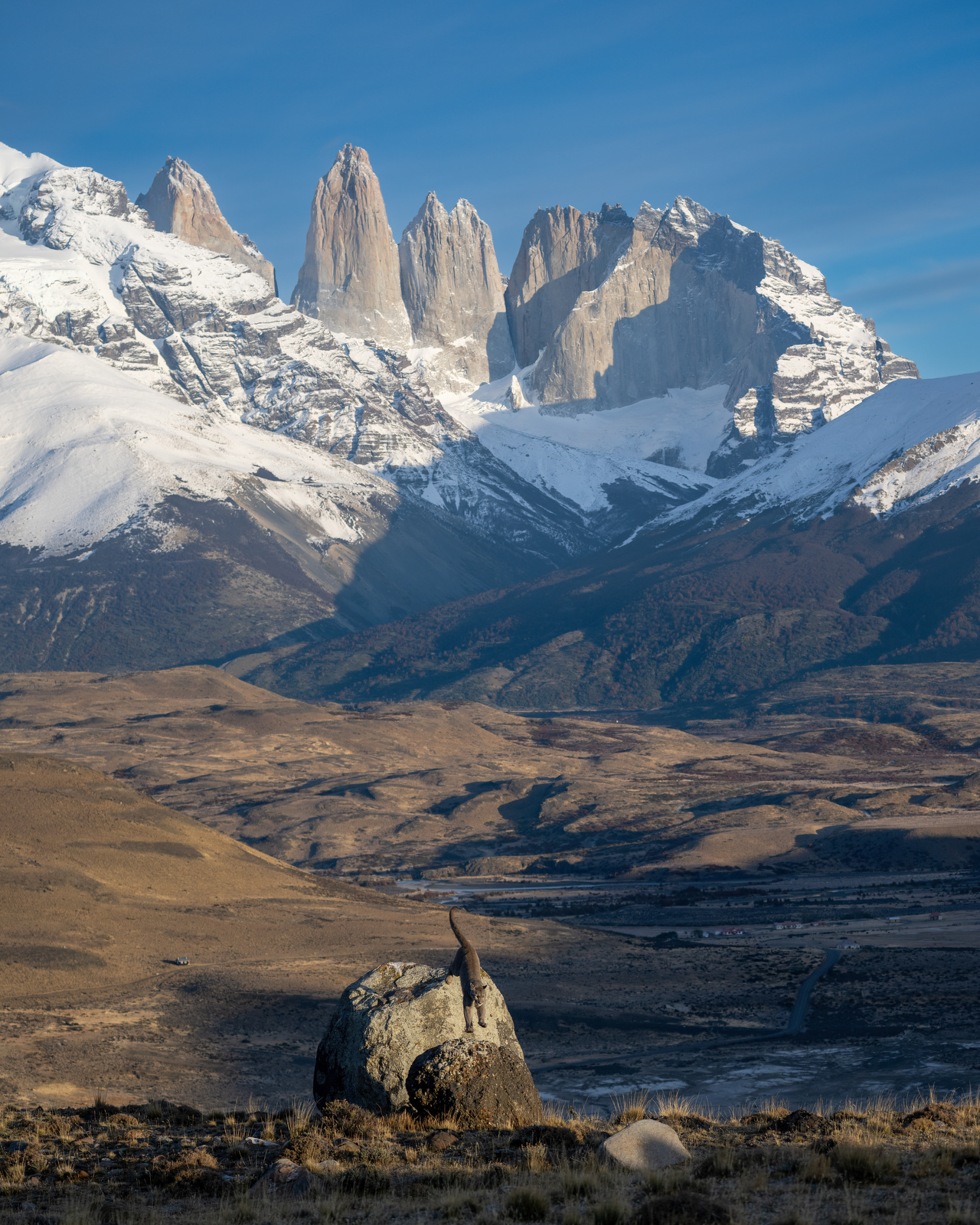
 

The leap:
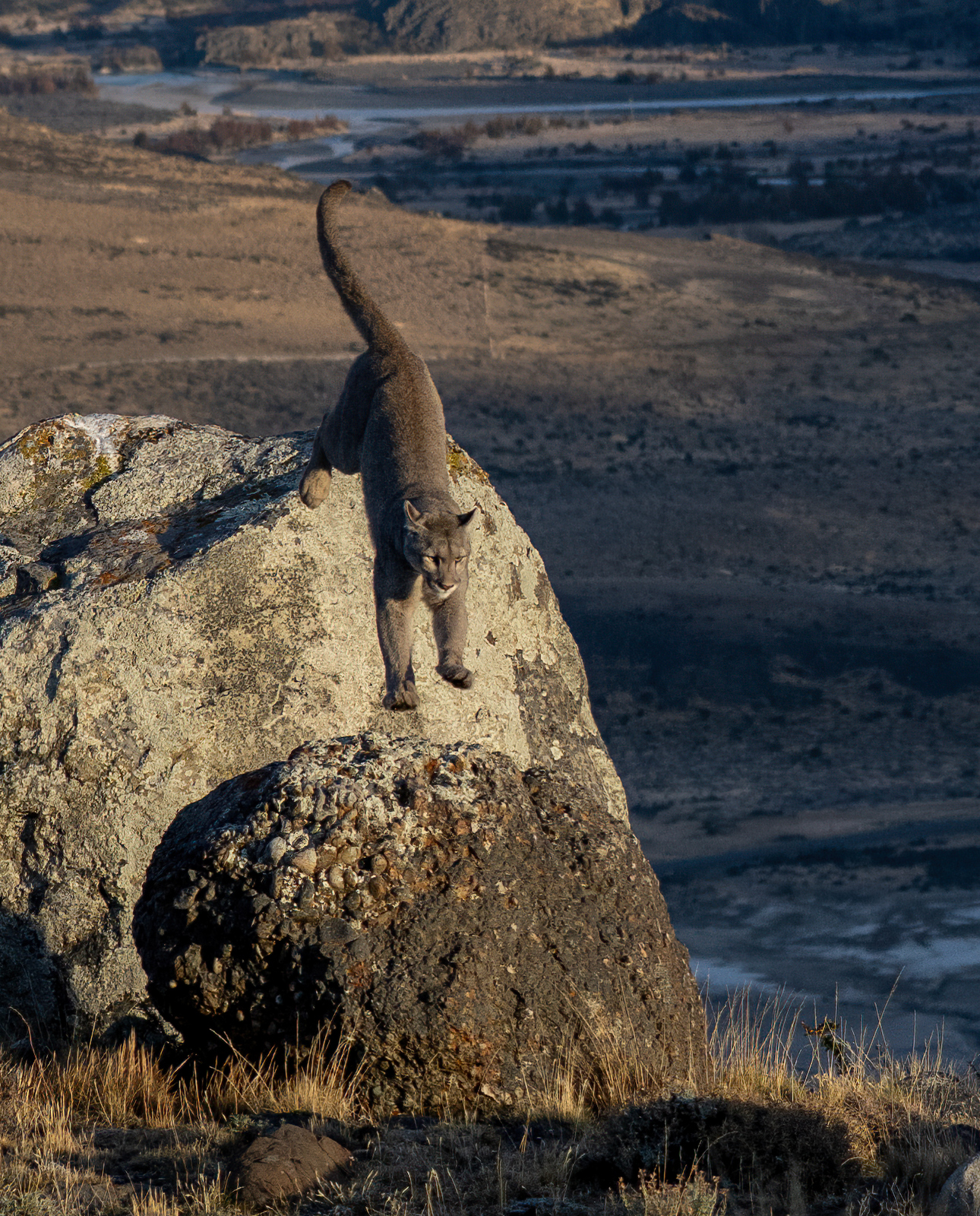
 

In the first image, we see the puma, the region’s regal apex predator, on her throne, with Patagonia’s signature mountains, the Cordillera del Paine, towering behind her.  Months and months later, and I am still in shock that it all came together so spectacularly.


Until next month….michael


Nikon Z9, Nikon 100-400 (@100 mm), 1/1000, f/4.5, ISO 250,
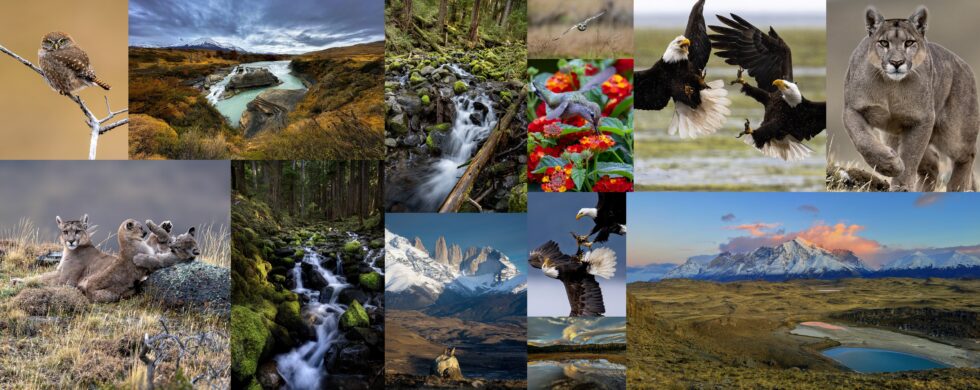
 

Favorites – 2024 Edition

One last glance back at 2024 before we leap into 2025 with a review of some of my favorite images from the last 12 months.

In 2024 I made my first trip to Patagonia, Chile in search of pumas.  I had low expectations going into that trip but in the end, I was blown away by the experience.  The landscape and scenery were breathtaking.  Although the winter days were short the light was spectacular from sunrise to sunset.  We spent most of each day hiking as we tracked pumas allowing us to really be part of that stunning landscape.  Put all this together and we get one of the best trips I have ever taken.  We enjoyed it so much that we plan to return in 2026 (Sorry, Madagascar, you will have to wait one more year).

Let’s start with my favorite images from that adventure.

1.   We begin with my best photo of the year and one of the best images I have ever taken.  Truly an image of a lifetime.  In one shot, we get not only the dramatic Patagonia landscape (Cordillera del Paine) but also the apex predator of the region.

Puma (8275), Patagonia

And just in case you didn’t notice, here is a zoomed-in crop of the bottom part of the image:

Puma (8275 crop), Patagonia

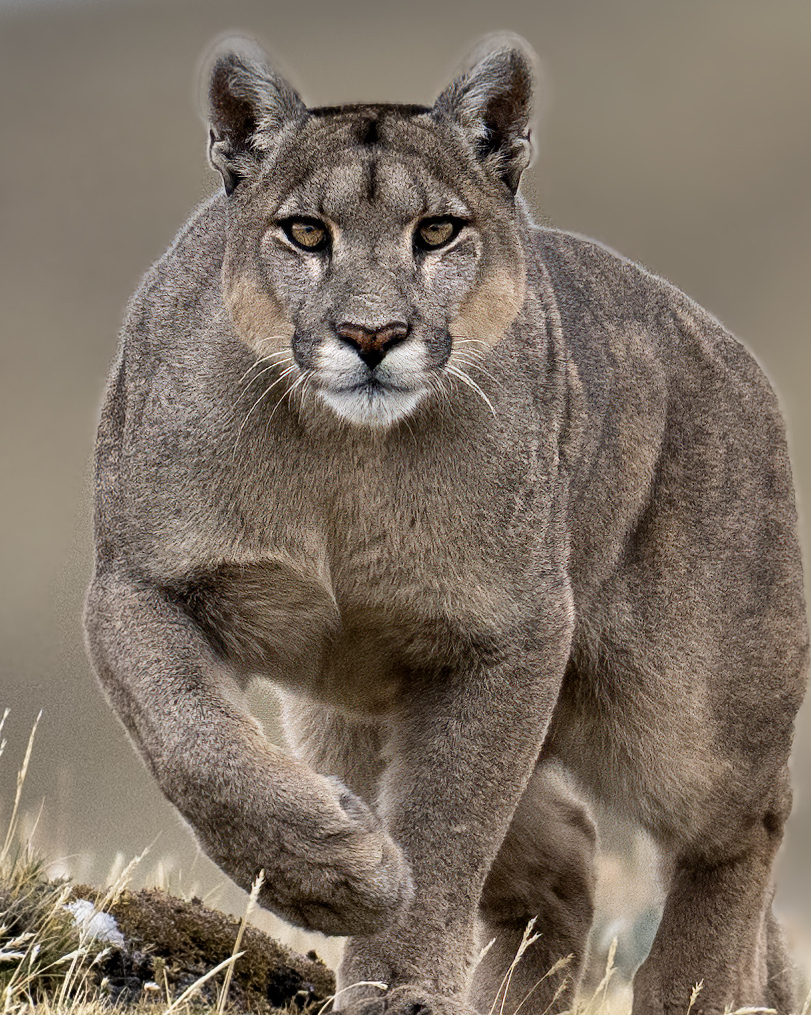
2.  In the next image we can see the powerful build of the puma.  And that gaze is intense!

Puma (7253), Patagonia

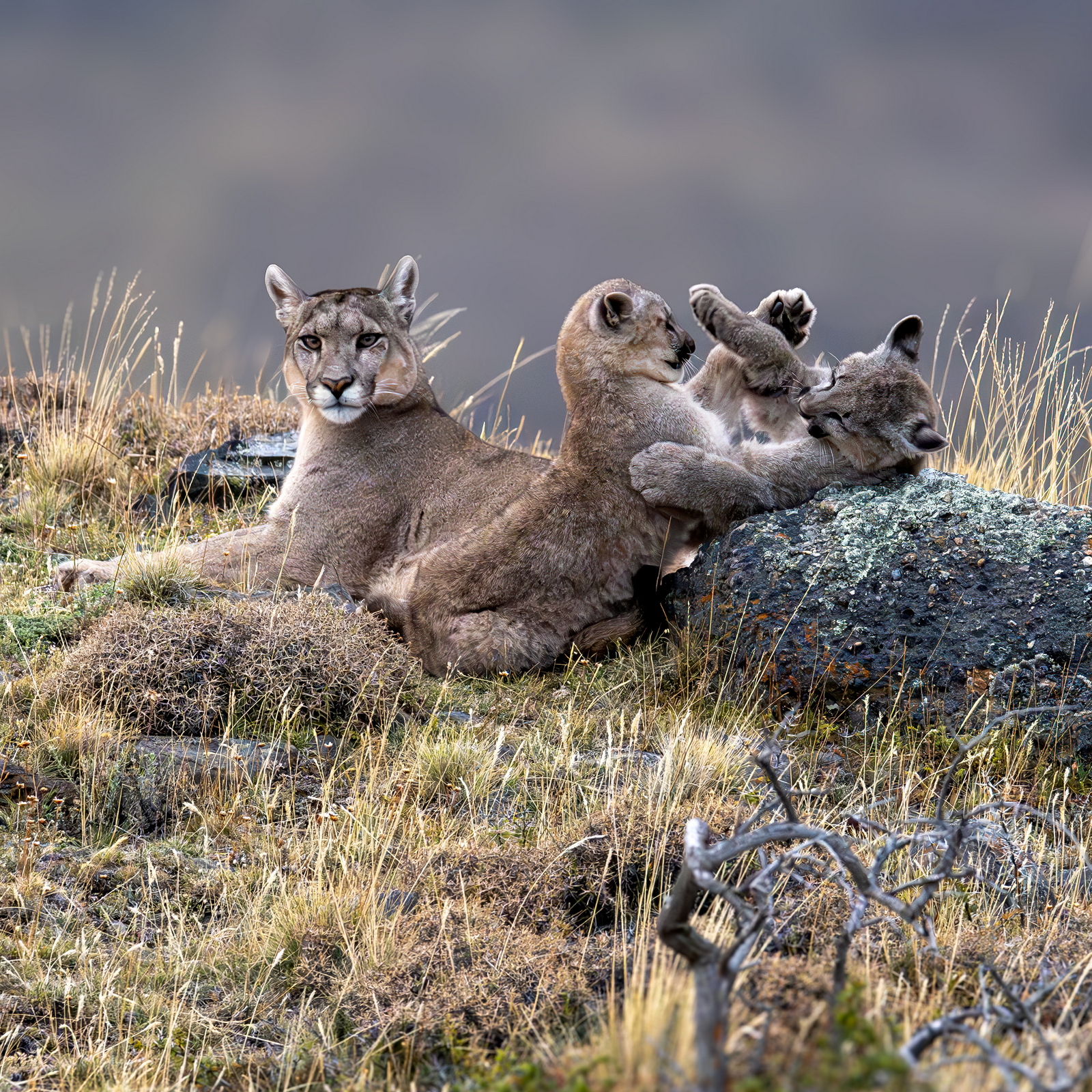
3.  Here we see a female puma with her two cubs.  Cuteness overload!

Puma with cubs (5911), Patagonia

Here is a close up of the puma family:

Puma (5911) -cropped, Patagonia

4.  One of my goals for the trip was to photograph a pygmy owl and Patagonia did not disappoint!  It was my first sighting of this fierce tiny raptor.

Pygmy Owl (1901), Patagonia

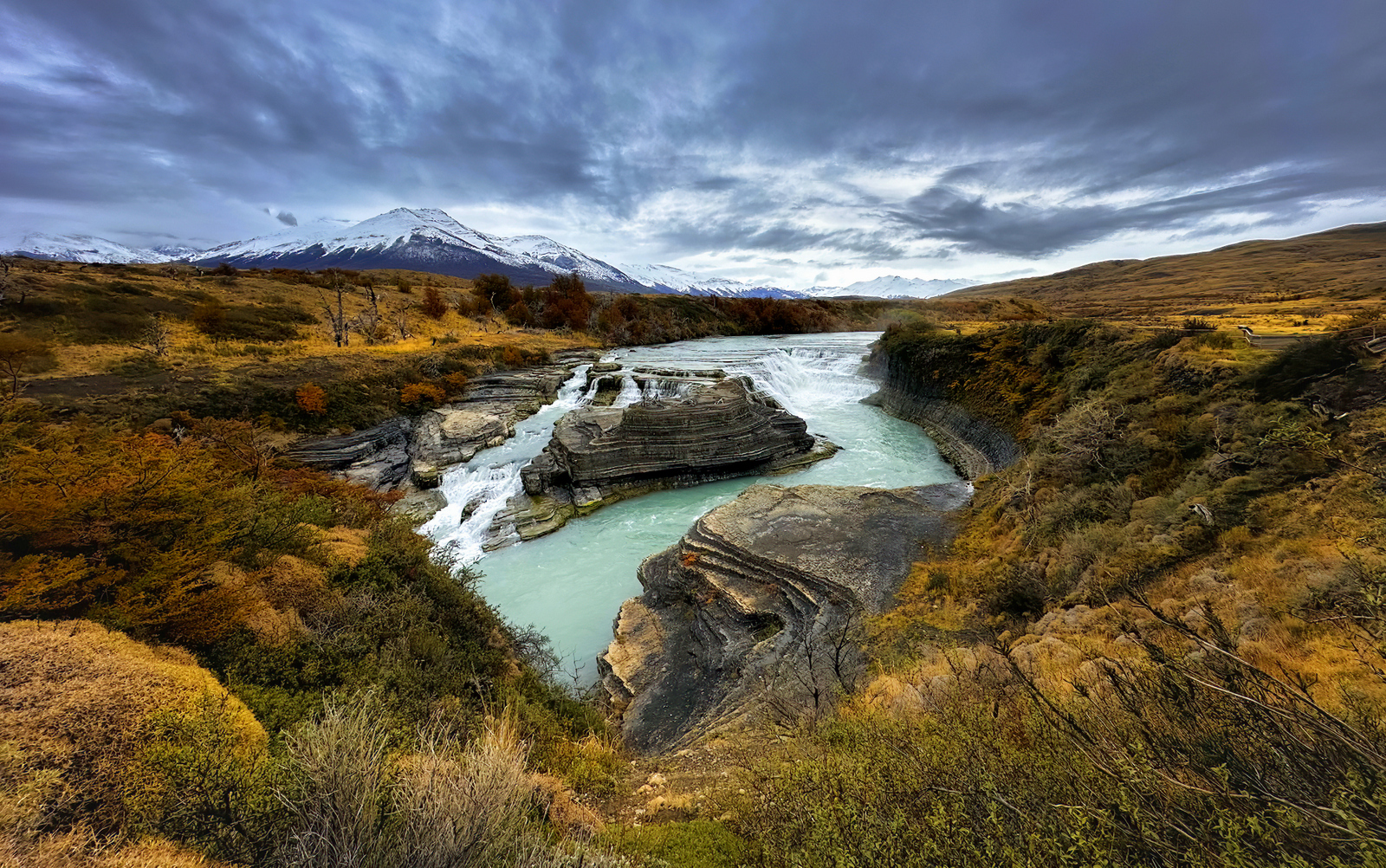
5.  I imagine that true landscape photographers must lose their minds in Patagonia – at every turn was yet another mind-boggling scene.  How do you choose where to point your camera??

Patagonia - River Scene (5648)

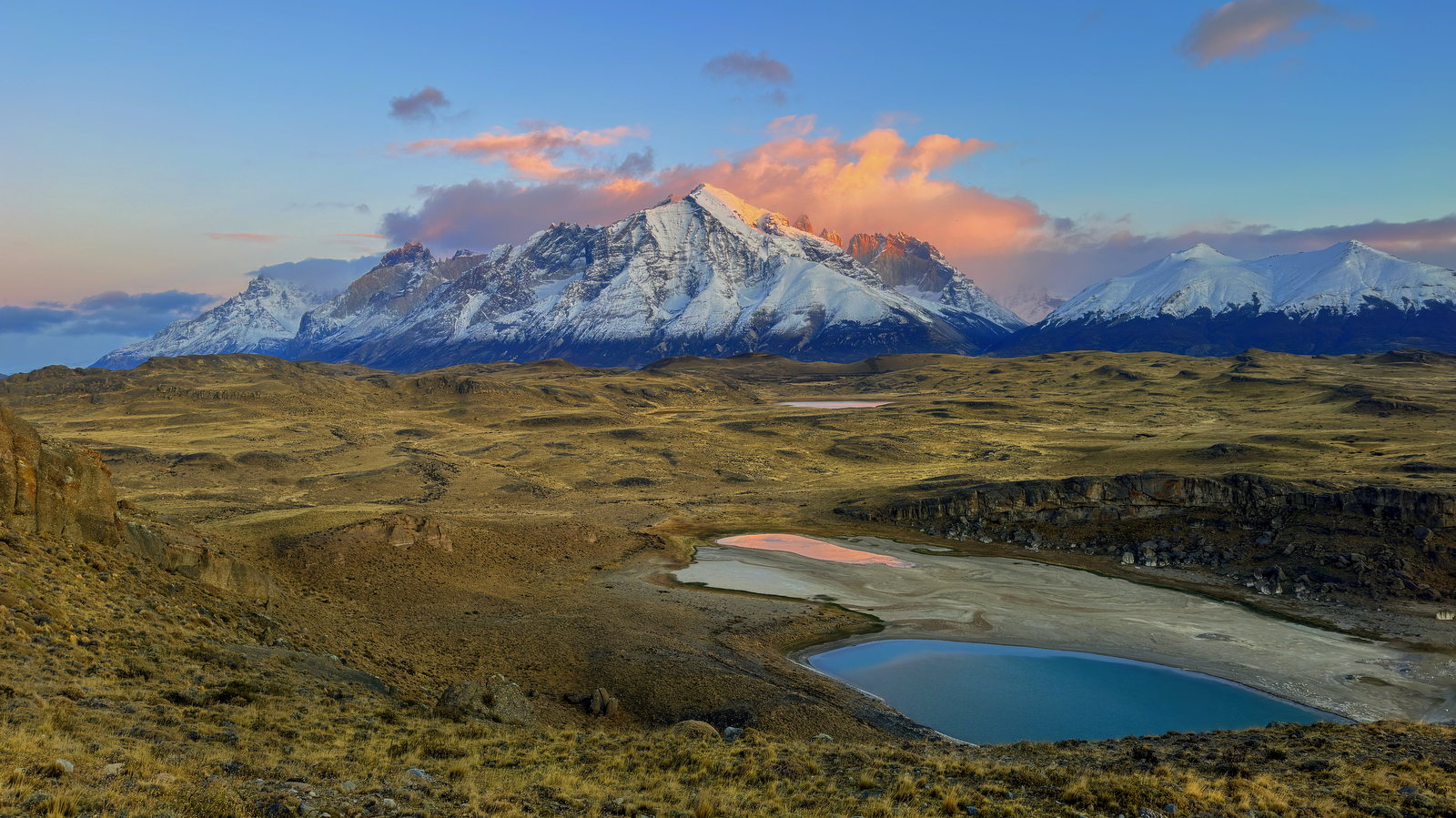
6.  Just another average sunrise in Patagonia.

Sunrise (5837), Patagonia

A few other of my favorite images from 2024 captured a bit closer to home.

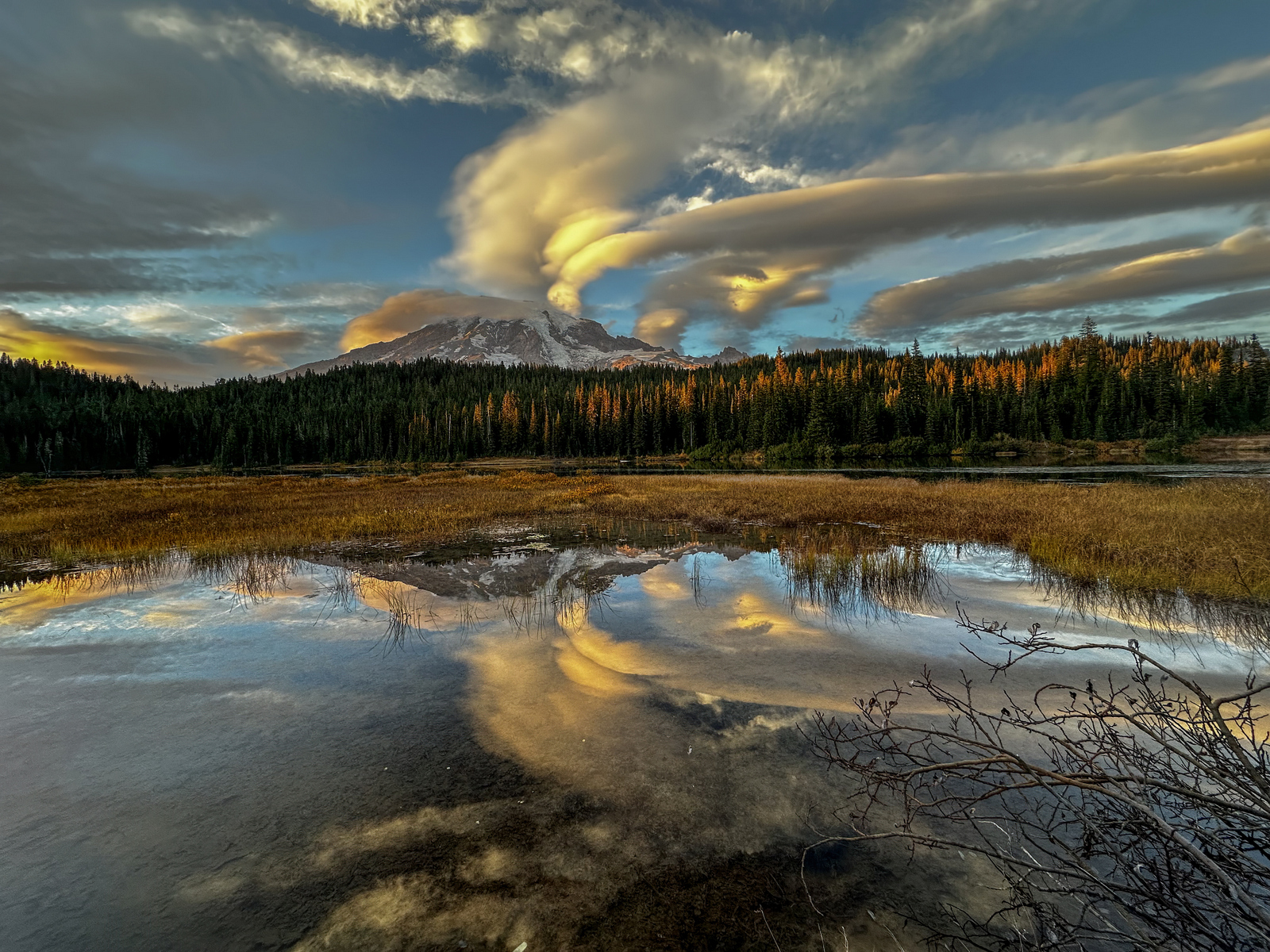
7.  I made a weekend trip to Mt. Rainier (Washington State) and found this dramatic sunset scene at Reflection Lake.  I have some nice sunrise photos from this location but this is my first compelling sunset image.

Mt. Rainier at Reflection Lake (9775), Washington

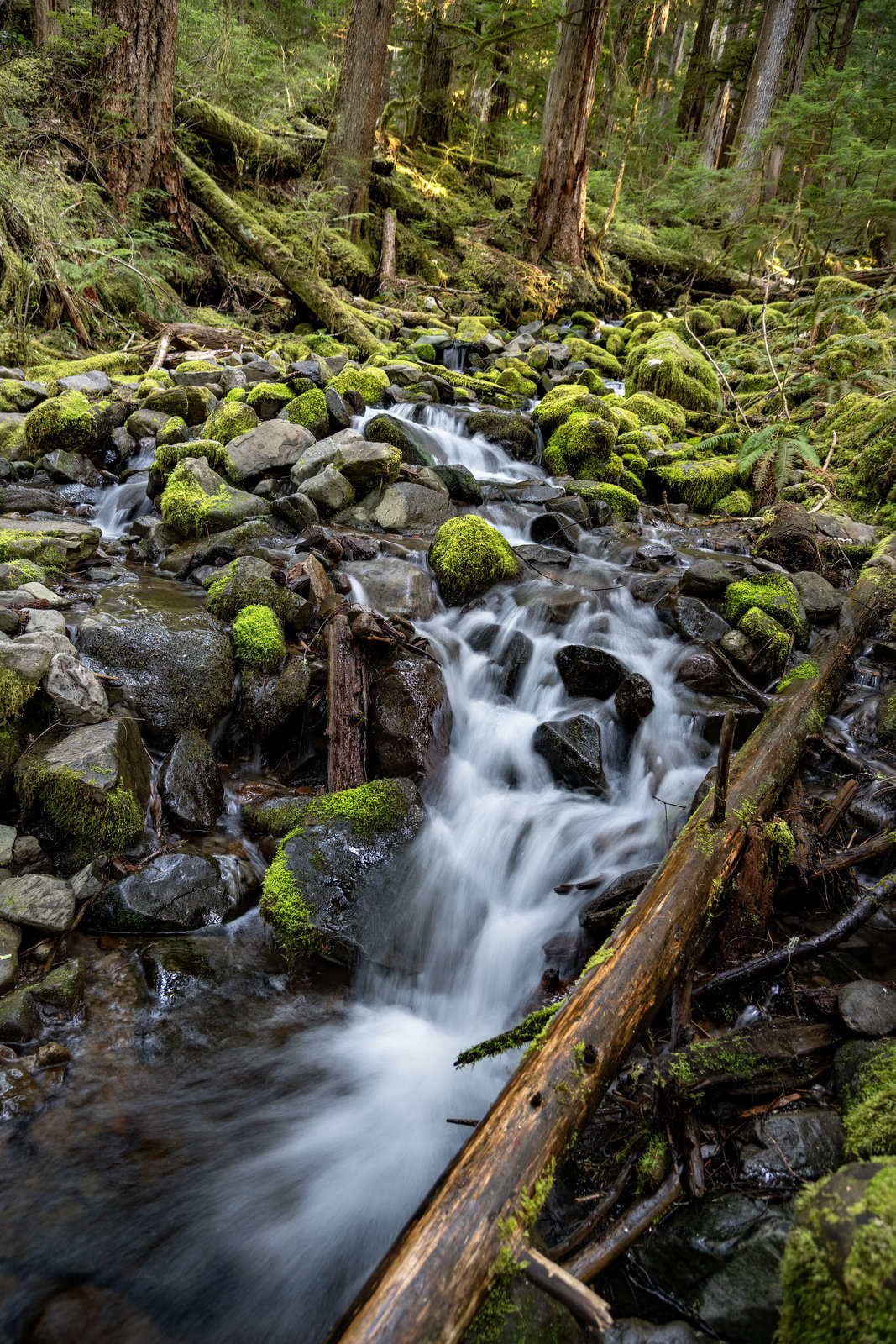
8.  I spent a few days in the Olympic National Park (Washington State) and captured two images that I really liked (I am using this one as the background on my phone).

Stream (8828), Olympic National Park, Washington

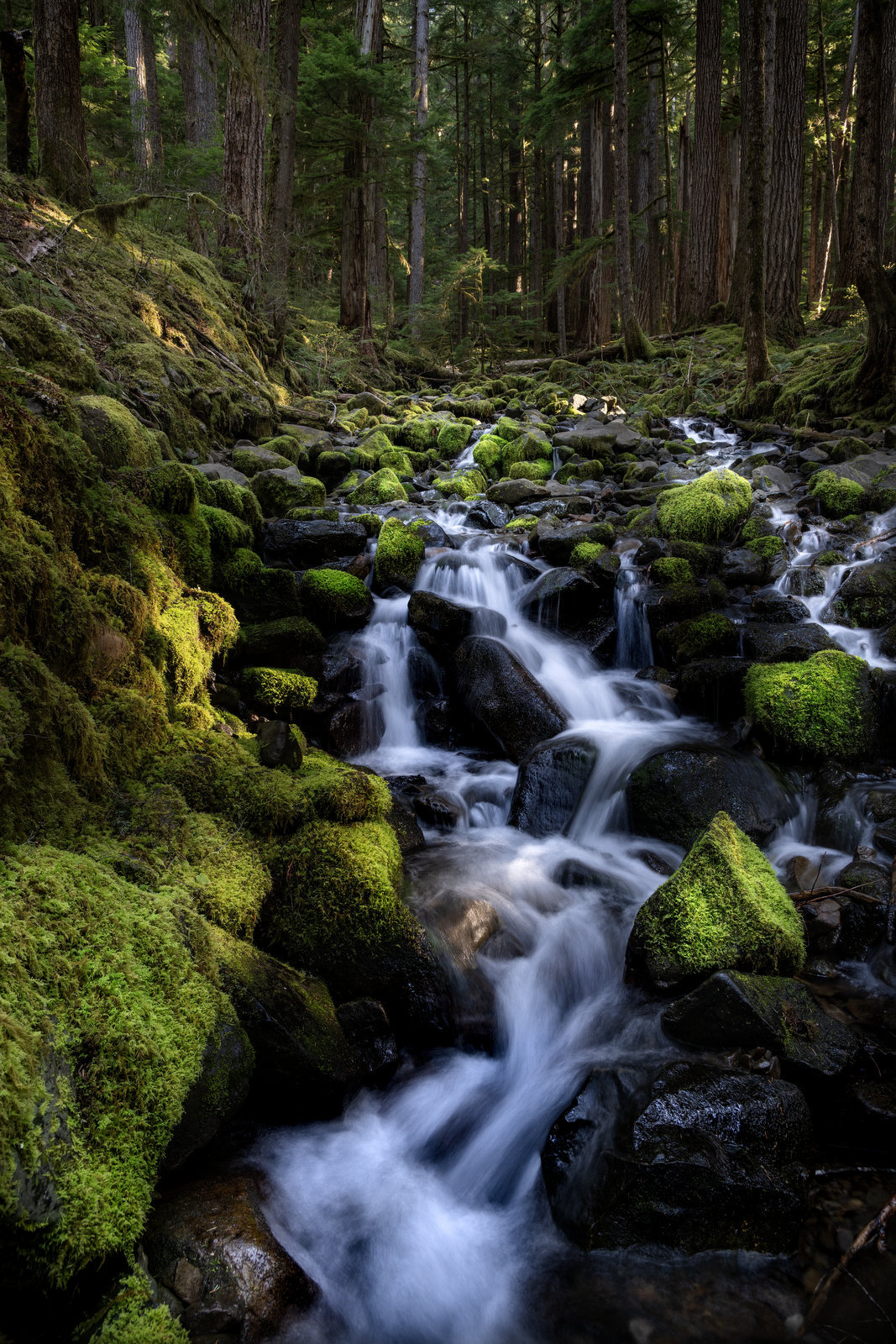
9.  Another view of the same stream.  It seems that I am a big fan of fuzzy green rocks.

Stream (8863), Olympic National Park, Washington

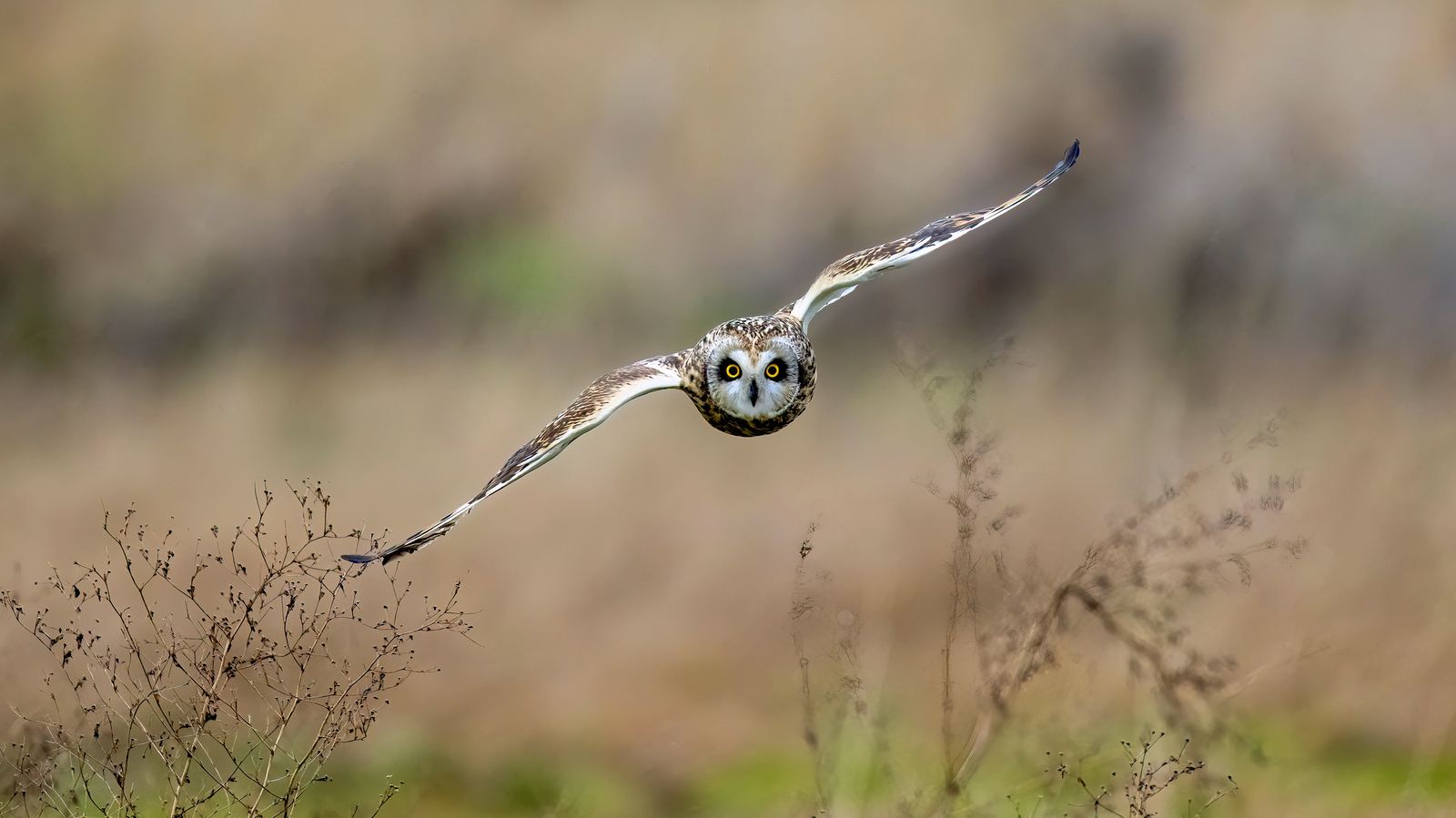
9.  Each year short-eared owls winter in Washington State – here is one of my favorite images from my time with them.

Short-eared Owl (4353), Washington State

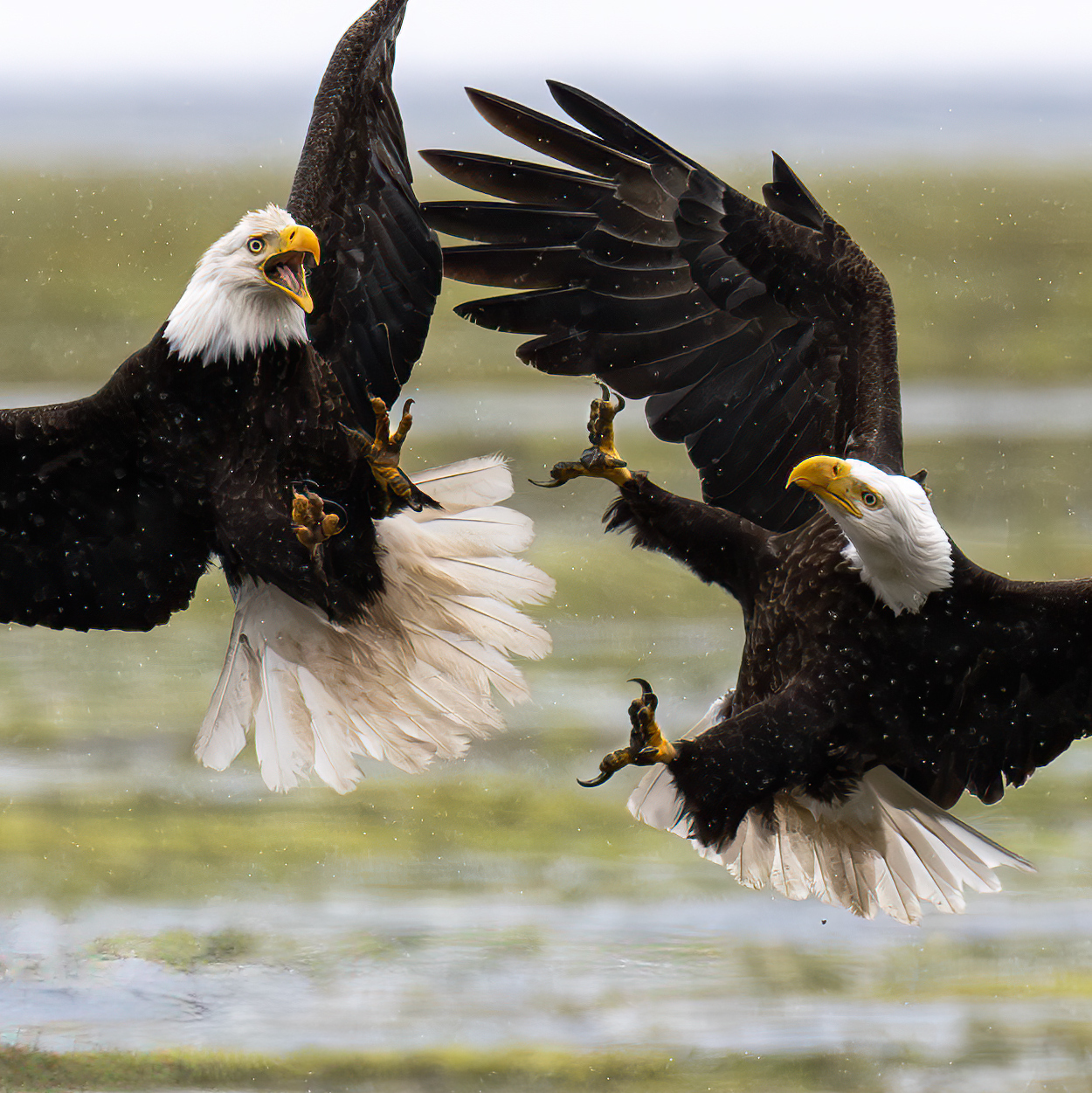
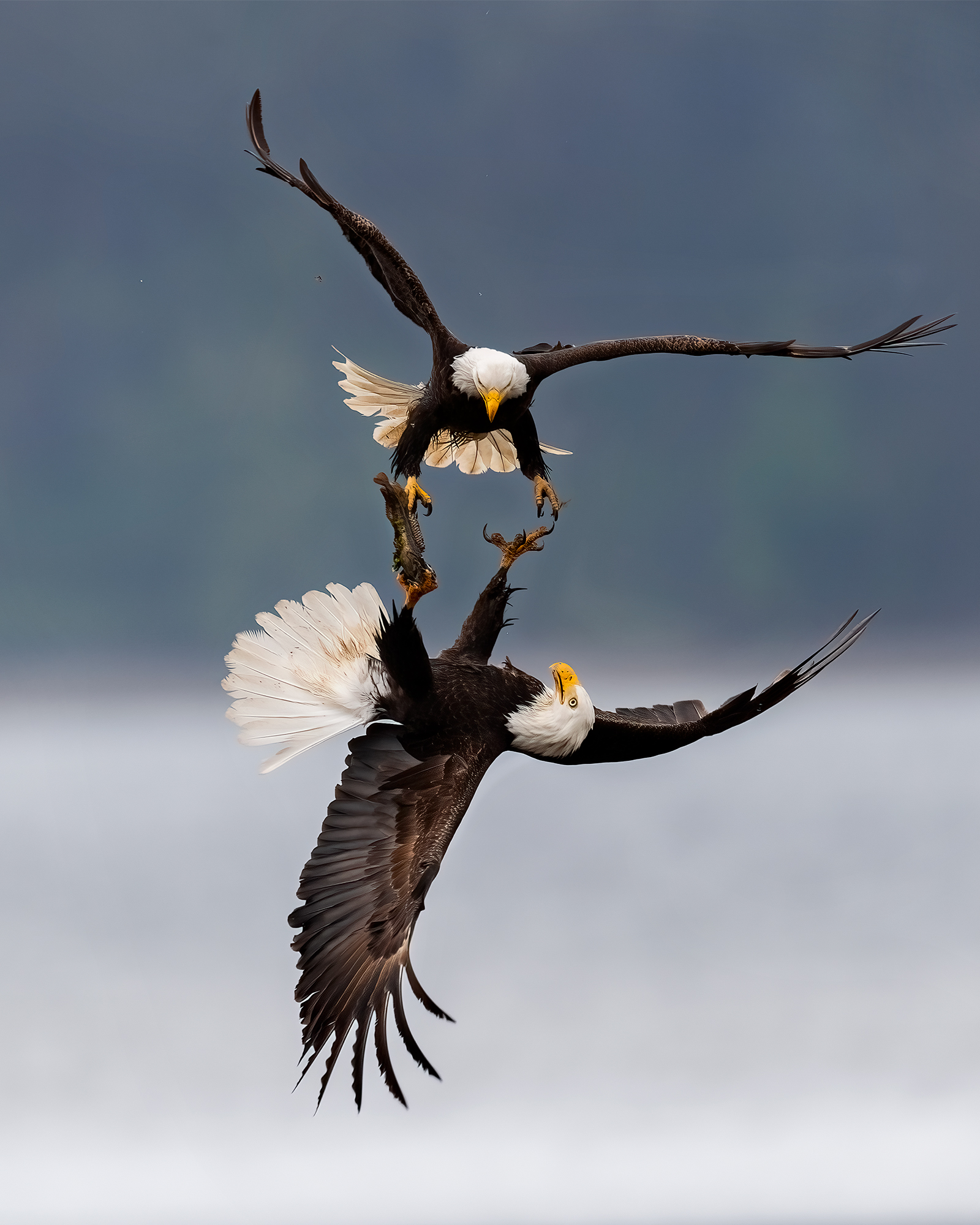
10.  And each summer bald eagles congregate along the coastline of Washington State to feast on spawning fish.  In this image, we have two eagles fighting over a fish.

Bald Eagle (6987), Washington State

11.  No fish in this image but two eagles still fighting, in the rain – just because.

Bald Eagle (4802), Washington State

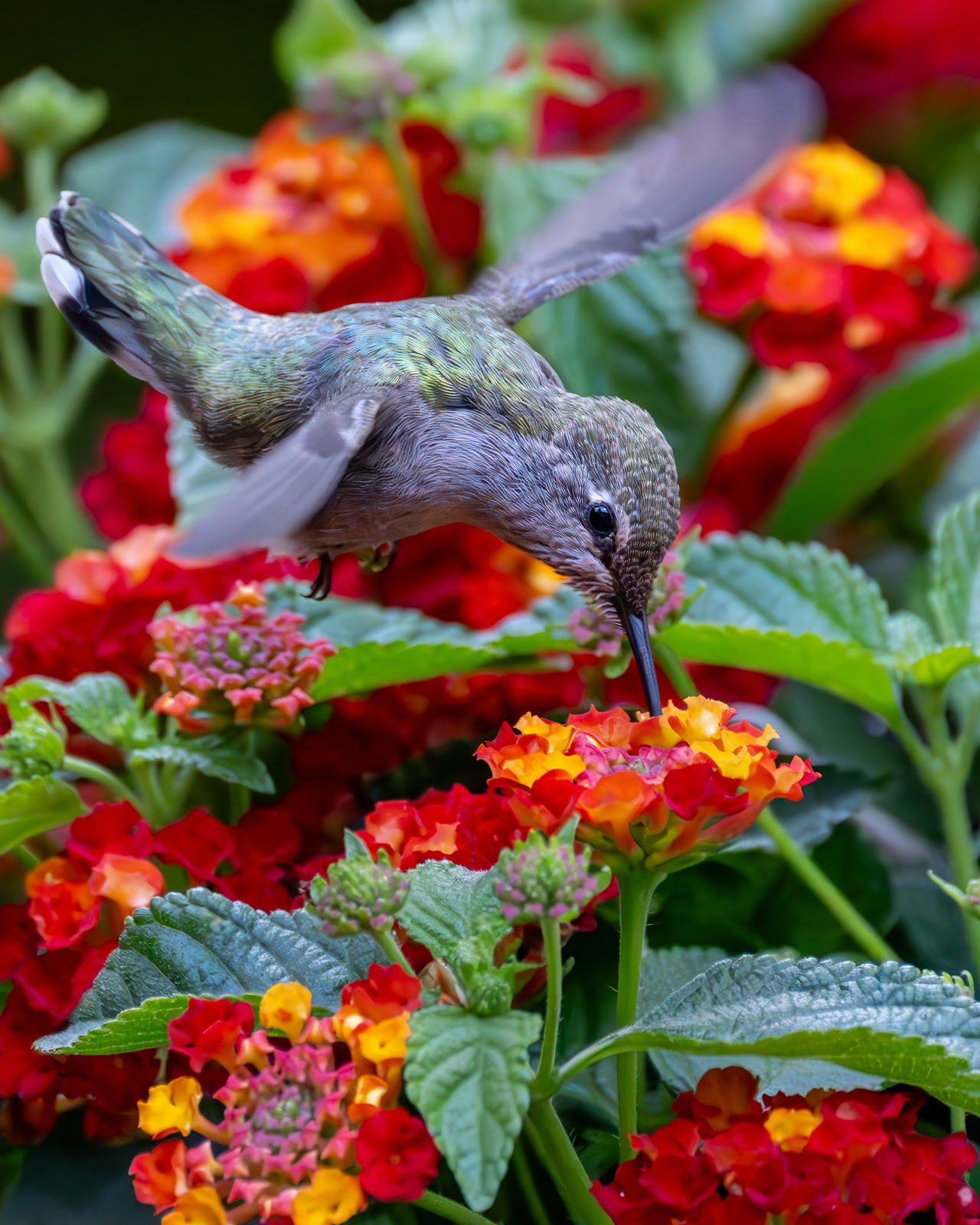
12.  And finally, an image taken really close to home.   An Anna’s hummingbird dining in the garden that is on the back deck of our house.

Anna's Hummingbird (4379), Washington State


In other news, I entered a few photo contests in 2024 with some good results.

Three images were “Commended” in the 2024 Bird Photographer of the Year (BPOTY) Contest:

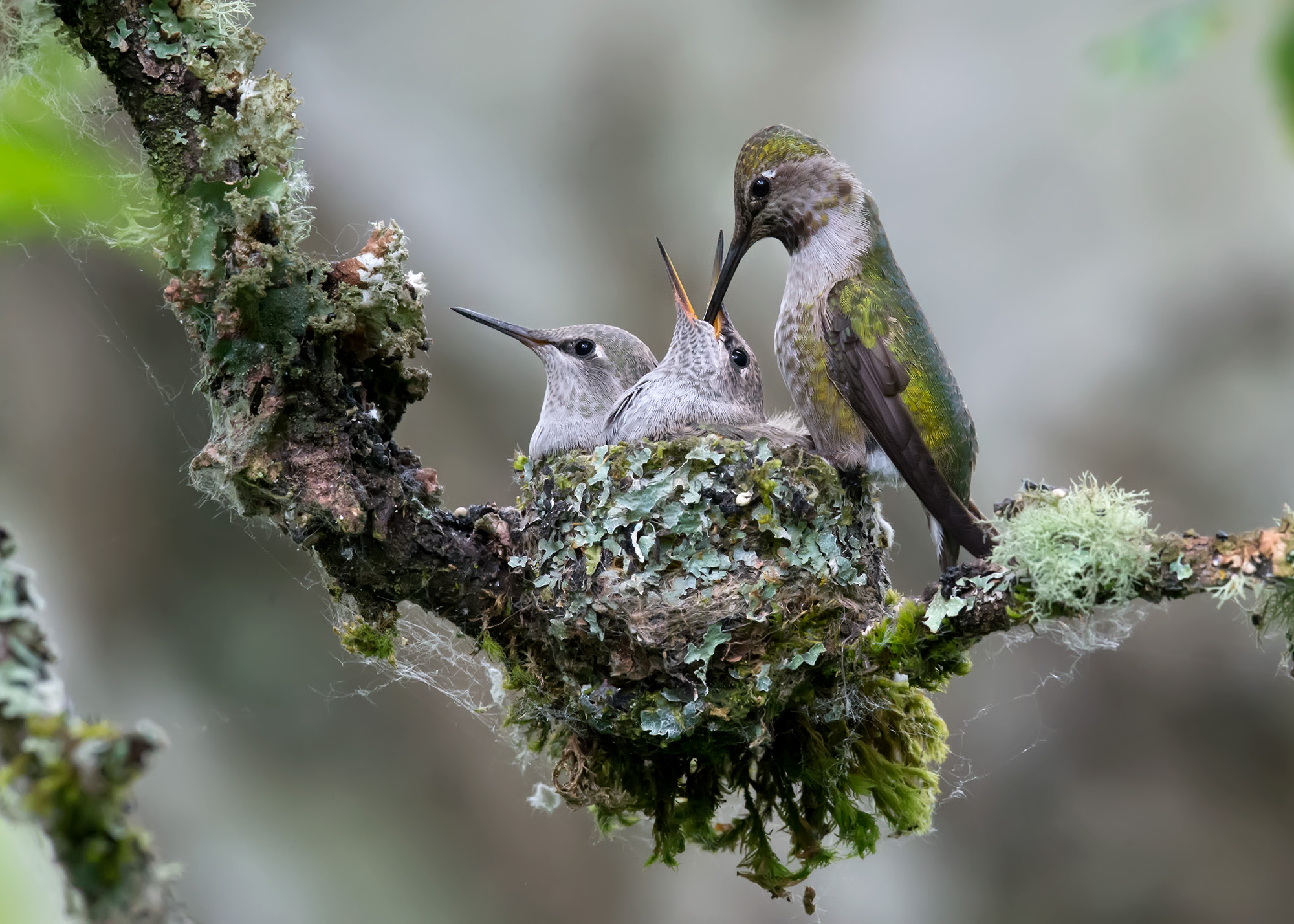
1.  Feeding Time

Anna's Hummingbird (0127), Washington State

Photo Caption:

Over three weeks I visited this Anna’s Hummingbird nest regularly to document the growth and development of the chicks.  By staying on the boardwalk and using a 600 mm lens I was able to have a good view of the hummingbird family while keeping a safe distance from the nest.  When I began the chicks were blind, featherless, and the size of my thumbnail.  In this image the chicks are almost fully mature, and their feathers have grown in.  Just two days after this photo was taken, I watched the chicks take their first flight!  We were all very proud!

See the full story here.

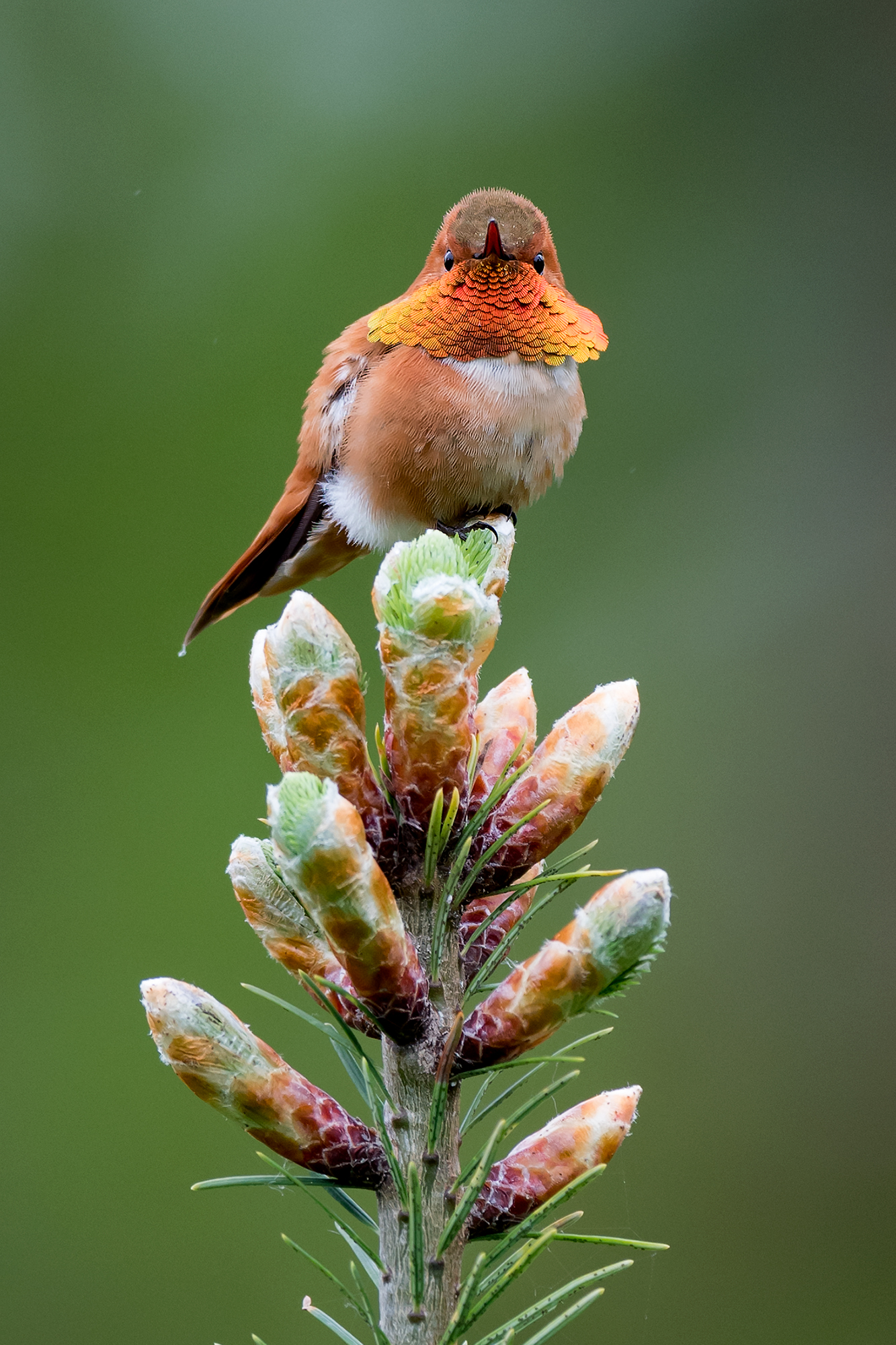
2.  Rufous on Watch

Rufous Hummingbird (4184), Washington State

Photo Caption:

From his perch, this male Rufous Hummingbird surveyed the entire field – if any other bird or creature dared to enter, he would take flight and warn them off. As the tree swayed in the breeze the light occasionally caught his gorget just right, and radiated bright orange. Every few seconds he would expand his gorget for added effect, flashing it for all to see, and to proclaim “No Trespassing.” I approached him slowly, taking images every 10 paces or so until I was able to capture this portrait of the fiery watchman

Read more on the rufous hummingbird here.

3.  Fish Fight

Bald Eagle (9406), Washington State

Photo Caption:

Bald eagles congregate along the Washington coast each summer to feed on midshipman fish spawning among the oyster beds.  As the tide recedes the fish become trapped and the eagles attack.  Some eagles strafe the water to catch their own fish while others steal from blue herons and seagulls.  Other bald eagles prefer to steal from fellow eagles.  In this scene, the eagle with a fish implemented an impressive barrel roll to confront her attacker.  With the theft rebuffed the eagle flew to a nearby pine tree to dine in peace.

Read more on this behavior here.

The photo above was also deemed “Highly Honored” in the 2024 Nature’s Best Photography International Awards.

You can see all the winners here.


What photo(s) was your favorite?


Wishing you a wonderful 2025!


….michael


Puma

Shot of the Month – December 2024

Puma, Patagonia (7253)

Thought #1:  I can’t believe that this is happening!  Look at this magnificent creature!

After traveling for more than three days, navigating three airports, and traversing more than 7,500 miles, I was finally in Patagonia.  And on our very first morning, after hiking for only a few hours, we had already found our first puma!  I couldn’t believe our good fortune.  We watched her through our lenses and binoculars for 45 minutes as she sat peacefully.  And then she stood up, crouched, and started walking.

Walking in my direction.

Thought #2:  “She is staring right at ME!  And here she comes!  This is amazing!  I am going to get a great photo on my very first sighting.”

She kept coming.  The muscles in her shoulders rippled with each step.  Her gaze never wavered as she continued forward.  With each step, she appeared larger and larger and soon filled the viewfinder of my camera.

Thought #3:  “Uh, this may have been a mistake.  Those paws are huge!  Is she hunting me?   This may not go well….”

As you may have gathered, she did not eat me.   She did, however, walk directly beside me – she had seen prey just behind my position and was stalking them.  She walked within 15 feet of me!

I had traveled to Chile specifically to try and add a new feline apex predator, the Puma, to my photography portfolio.  Success!

More on this wildcat:

What’s in a name?

Apparently, the Puma holds the Guinness World Record for the animal with the greatest number of names.  I didn’t even know that was a thing.  But there are over 40 names for this lovely cat in English alone.  A few of the most common:

Mountain Lion (United States) = Cougar (Canada) = Puma (Central and South America and most of Europe)

Catamount is another name sometimes used in the United States.

Likewise, Panther = Cougar, Puma, or Mountain Lion.  Everyone got that? All these names refer to the exact same species.

The puma is scientifically classified as Puma concolor.  In Latin, concolor means “one color,” referring to the uniform color of the feline’s coat.  There are only two recognized subspecies:

Puma concolor concolor: South American Cougar, possibly excluding the region northwest of the Andes

Puma concolor cougar:  North American Cougar, found in North and Central America and possibly northwestern South America.  For many years, the Florida Panther was considered its own subspecies, but now scientists consider that population to just be part of the North American Cougar subspecies.

Where can I find one?

Mountain Lions hold another “record” – they are the most widely distributed wild, terrestrial mammal in the Western Hemisphere!!  Pumas are found in 28 countries with a range spanning the Yukon, British Columbia, and Alberta provinces of Canada, the Rocky Mountains, and much of the western United States.  The cat’s range continues through Mexico to the Amazon Rainforest and the southern Andes Mountains in Patagonia.


Many cougars prefer mountain habitats, but as we can see from the range map, pumas are HIGHLY adaptable.  They are found in every New World habitat, including forests, grasslands and steppes (montane deserts), mountains, deserts, swamps, and everything in between.  Pumas were found in all 48 states of the continental US but were wiped out across most of the eastern US due to habitat loss, hunting, and extensive predator eradication campaigns (read more on that here) in the 1800s by the US government.  Cougars were declared extinct east of the Mississippi in the 1930s, although a small population does survive in Florida (the Florida Panthers mentioned earlier).  Since 1950, pumas have been eliminated from Arkansas, Louisiana, Tennessee, and West Virginia.
What are they like?

Pumas are the fourth-largest cat in the world, though ironically, they are not considered a “Big Cat.” That designation goes to the cats of the genus Panthera, which includes the tiger, lion, jaguar, leopard, and snow leopard.  The cats bigger than the puma are the tiger, lion, and jaguar.

Puma size varies by location – they tend to be smaller near the equator and get bigger closer to the poles.  Males weigh from 110 to 180 lbs, while females typically weigh between 70 and 145 pounds.  Males are usually about 30% larger than females.

Pumas are incredibly strong and agile, with long bodies and powerful, short legs.  Their hindlimbs are larger and stronger than their forelimbs, making them extremely good leapers.  How good?  They can jump 18 feet (5 meters) vertically and 40 to 45 feet (12 to 14 meters) horizontally.  Pumas are slower than most of their prey so they are ambush hunters – they stalk quietly and get as close as possible before pouncing on their prey.

What do they eat?

Pumas prefer large mammals, especially ungulates.  In North America, pumas target mule deer, white-tailed deer, elk, moose, mountain goat, and bighorn sheep.  In Central and South America, pumas target guanacos (like a llama), local varieties of deer, rodents, hares, birds, and just about anything else that moves.


Don’t let that “boring” brown coat fool you – there is nothing mundane about this cat.  Pumas are considered a keystone species:

  1. They have conquered every habitat in the Western Hemisphere.
  2. Studies show that cougars interact and influence the behavior of over 450 species across the entire food chain.
  3. Pumas play an essential role in controlling the population of deer and other herbivores, preventing overgrazing, and maintaining healthy vegetation.
  4. By controlling deer populations, pumas indirectly help manage the spread of disease.
  5. Many species alter their behavior in puma habitats out of fear of becoming prey.
  6. Carcasses left behind play an important role in returning nutrients back to the soil and provide an essential food source for scavengers, including birds of prey, mammals, and insects.
  7. Pumas also influence the behavior and distribution of other predators when they share habitats (bears, wolves, jaguars, etc).


Pumas may not be as flashy as some of their feline counterparts but their adaptive skills are second to none, and they play a vital role in keeping our natural world thriving throughout the Western Hemisphere.


Regardless of what the science folks say, pumas are a “big cat” in every sense as far as I am concerned!


Until next month…..michael


Sources:

Cougar (Wikipedia)

Puma (Briticannica)

Puma Facts | Patagonia Wildlife Guide


Nikon Z9, Nikon 600mm, f/4, 1/1000 sec, ISO 400, EV +0.667


Lethal Beauty

Shot of the Month – November 2024

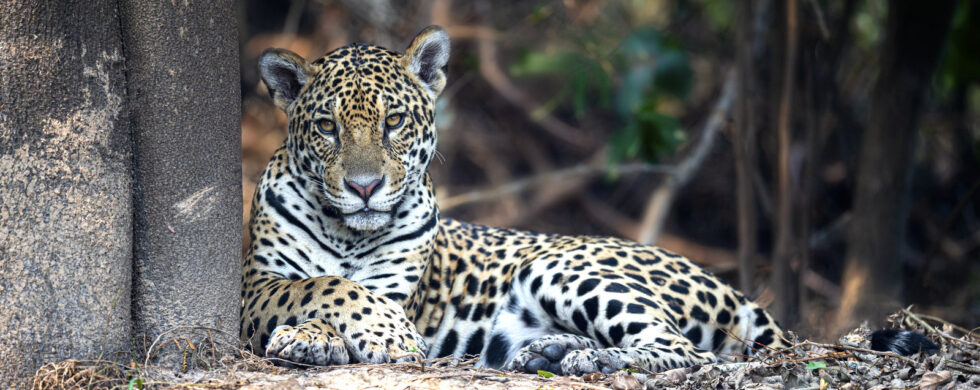
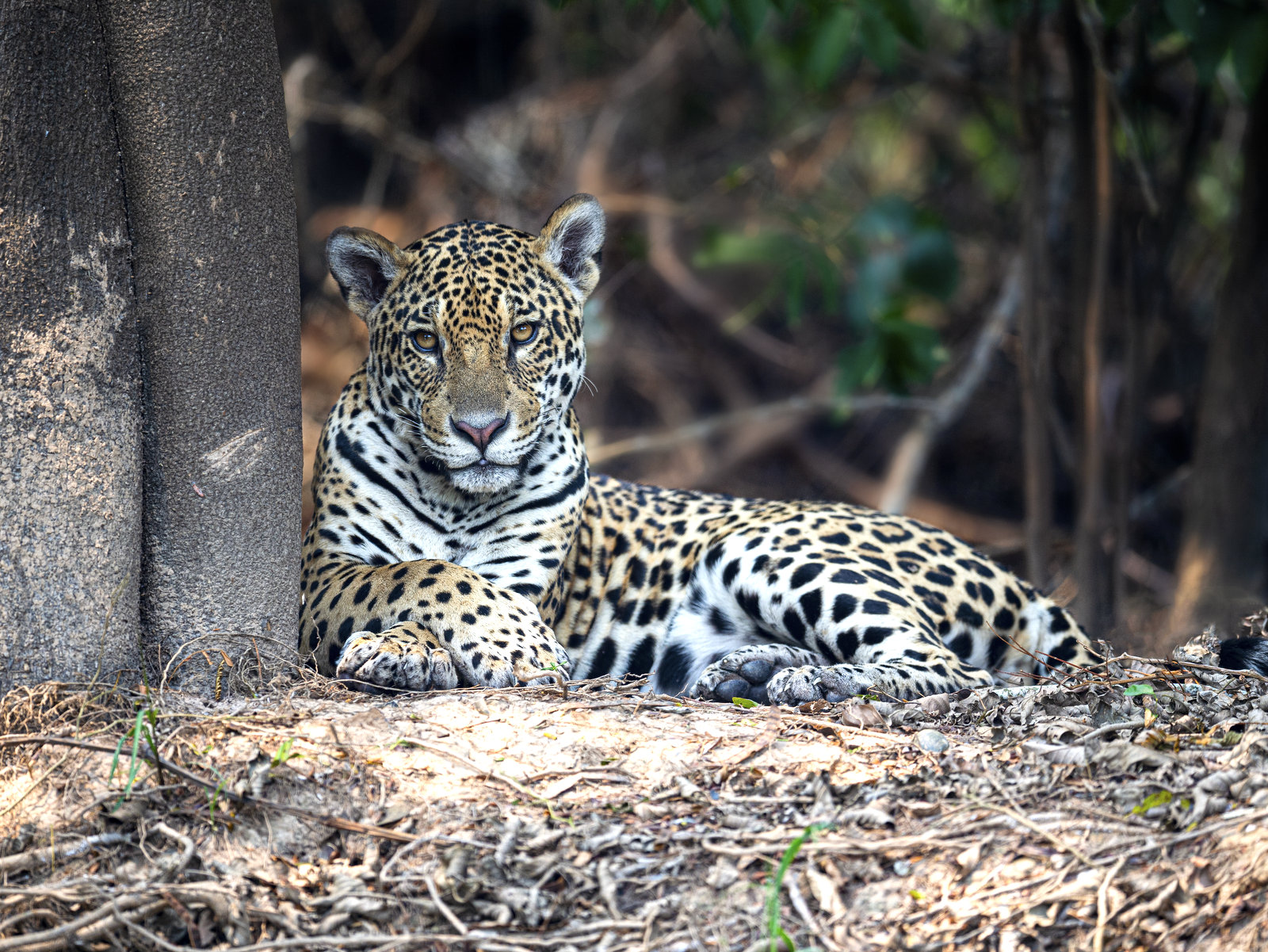
Jaguar, Pantanal - Brazil (4647)
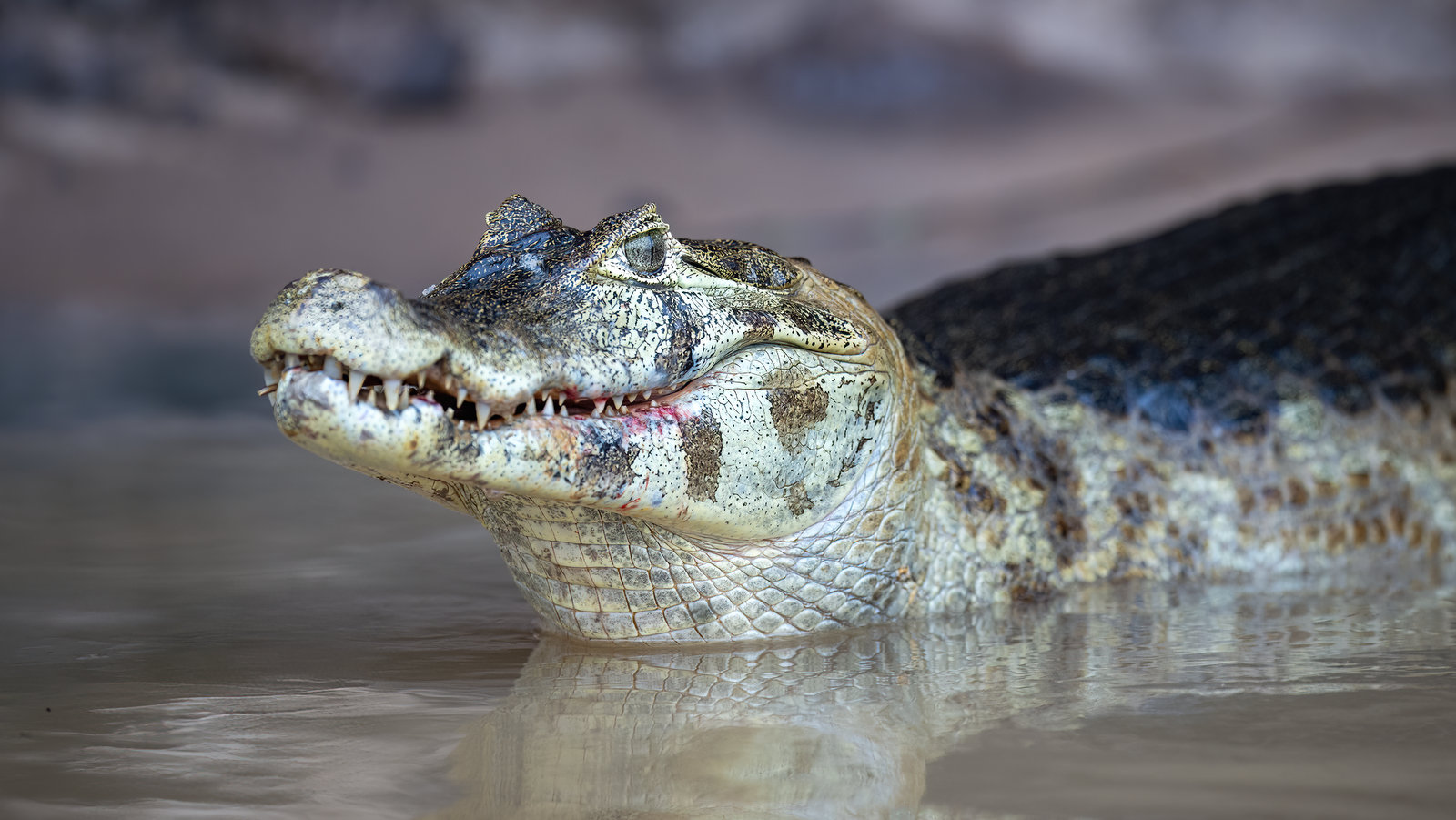
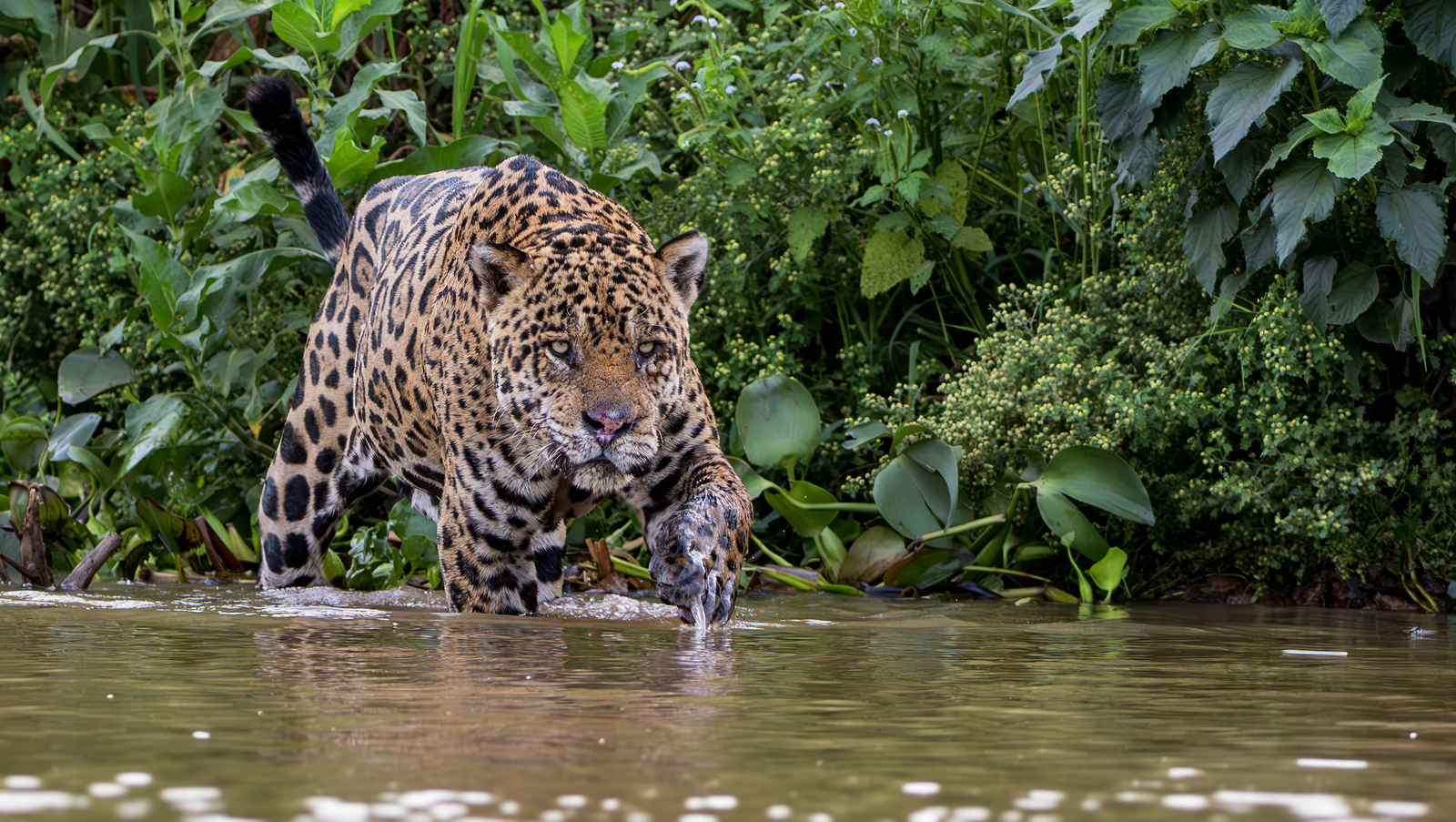
Ok, yeeessss, this female jaguar is an apex predator.  Yes, she is a member of the biggest cat species in the Americas and the third largest in the world.  Yes, this jaguar’s jaw is so powerful it can pierce the skull of a caiman (think alligator but a bit different) with one bite.  Yes, she is terrifying.

Caiman:

Caiman, Pantanal - Brazil (5956)

But she is also stunningly beautiful.  Those eyes!  Could she look any more kitty-like?  The bored gaze…the crossed paws.  I just can’t…

I found this lethal kitty sitting in the shade under a tree along a riverbank in the Pantanal in Brazil.

Her looks are particularly striking after seeing male jaguars.  Many males look like middle-aged heavyweight boxers.  Massive, brutish, scarred, and battle-worn.  This female is downright lithe, probably weighing in at the lower end of the typical 75 to 175 pounds for females.  Males can weigh from 220 to 350 pounds.   And her luscious fur coat — so beautiful!

Males often get into territorial battles to keep a preferred part of the jungle or win over rights to a female.  Look at the wounds on this massive male:

Jaguar, Pantanal - Brazil (7489)

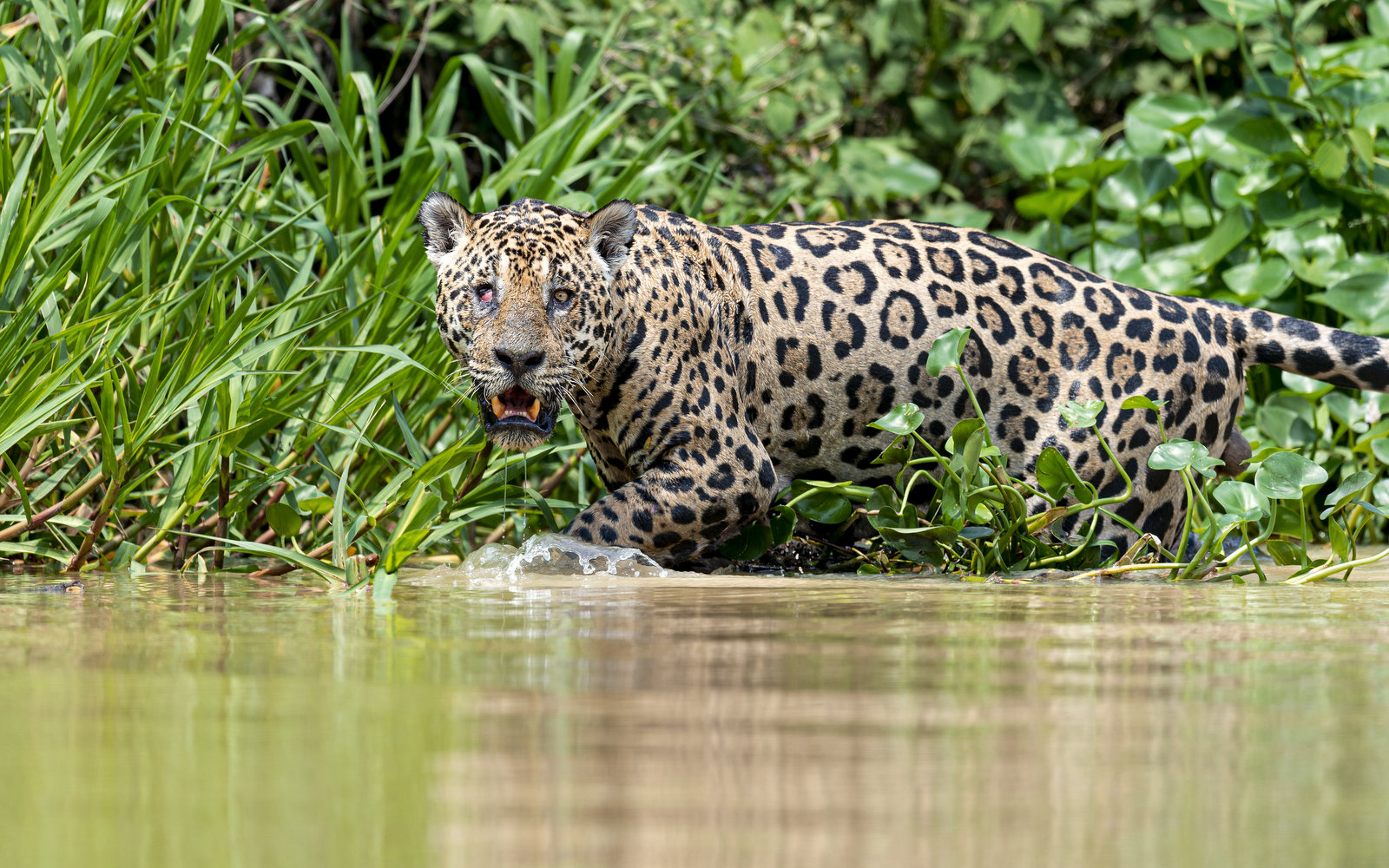
Here is another male jaguar with an injury to his eye.  This jaguar was well known to researchers, and despite the injury, this jaguar was the dominant male in his part of the jungle for many years.

Jaguar, Pantanal - Brazil (0583)

But I digress.  Our lovely female has no scratches or marks on her face.  Given her size and perfect facial features, I guess that she is fairly young and has not yet endured many fights or injuries while hunting.  Females rarely fight but will fiercely defend their young from male jaguars and engage in mock battles with courting males.  They may also fight to defend a kill from other jaguars.


There you have it, a female jaguar in the prime of her life – a stunning, regal queen of the jungle.  Admire at a distance, as her beauty is deceptively lethal.


Read more about Jaguars in my previous posts:

King of the Jungle

Mighty Mick


Until next month……michael


Nikon D4S, Nikon 600 mm, 1/400 sec, f/4, ISO 560, EV +0.5


Clouds

Shot of the Month – October 2024

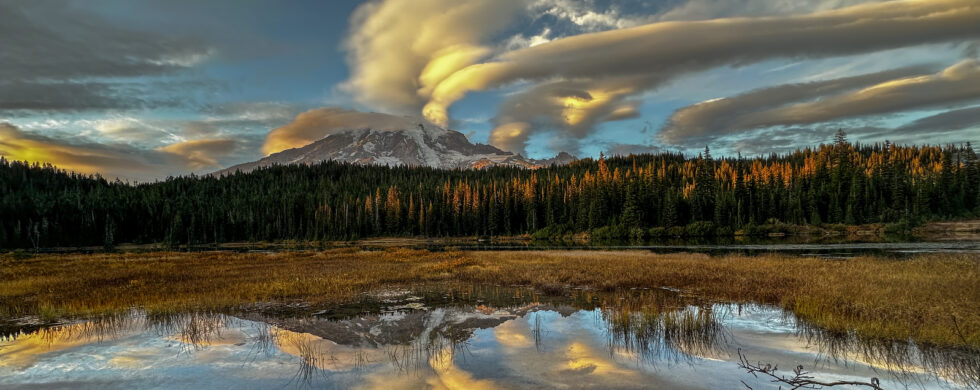
Reflection Lake, Mt. Rainier, Washington (9775)

I stood by Reflection Lake in the late afternoon with low expectations.  I have never had much luck getting a good shot of Mt. Rainier at this time of day – usually, too much wind to get a reflection and rarely any good clouds.  I actually left my camera in the car figuring I would enjoy the scene like a normal person.   But then I almost jumped out of my skin when the clouds suddenly rolled in and the low sun started to bask them in warm light.  And the air was unusually calm allowing for a great reflection.  I ran and got my gear and started shooting.

Click here for more on this photo hotspot:

Dangerous Reflections

Many non-photographers are surprised to learn how important clouds are to creating a compelling sunrise/sunset landscape image.

How important?  Well, I know many a landscape photographer who will skip a potential shoot if there is a forecast for no clouds.  Clouds are so important that there are apps to predict the timing, height, and density of clouds for a given location.  Most serious landscape photographers have at least one or two of these apps on their phones and study them judiciously before heading out for a shoot.  Some include Clear Outside, Astrospheric (IoS, Android), and Windy.com (IoS, Android).

There is no doubt that the sun sinking beneath the horizon on a cloudless night at the beach can be serene, beautiful, and romantic….  But it rarely makes for a compelling image.  Clouds, when at the right height and density catch the sun’s glorious first or last rays of red, orange and yellows that humans love.  Clouds create drama and make an image more visually striking.

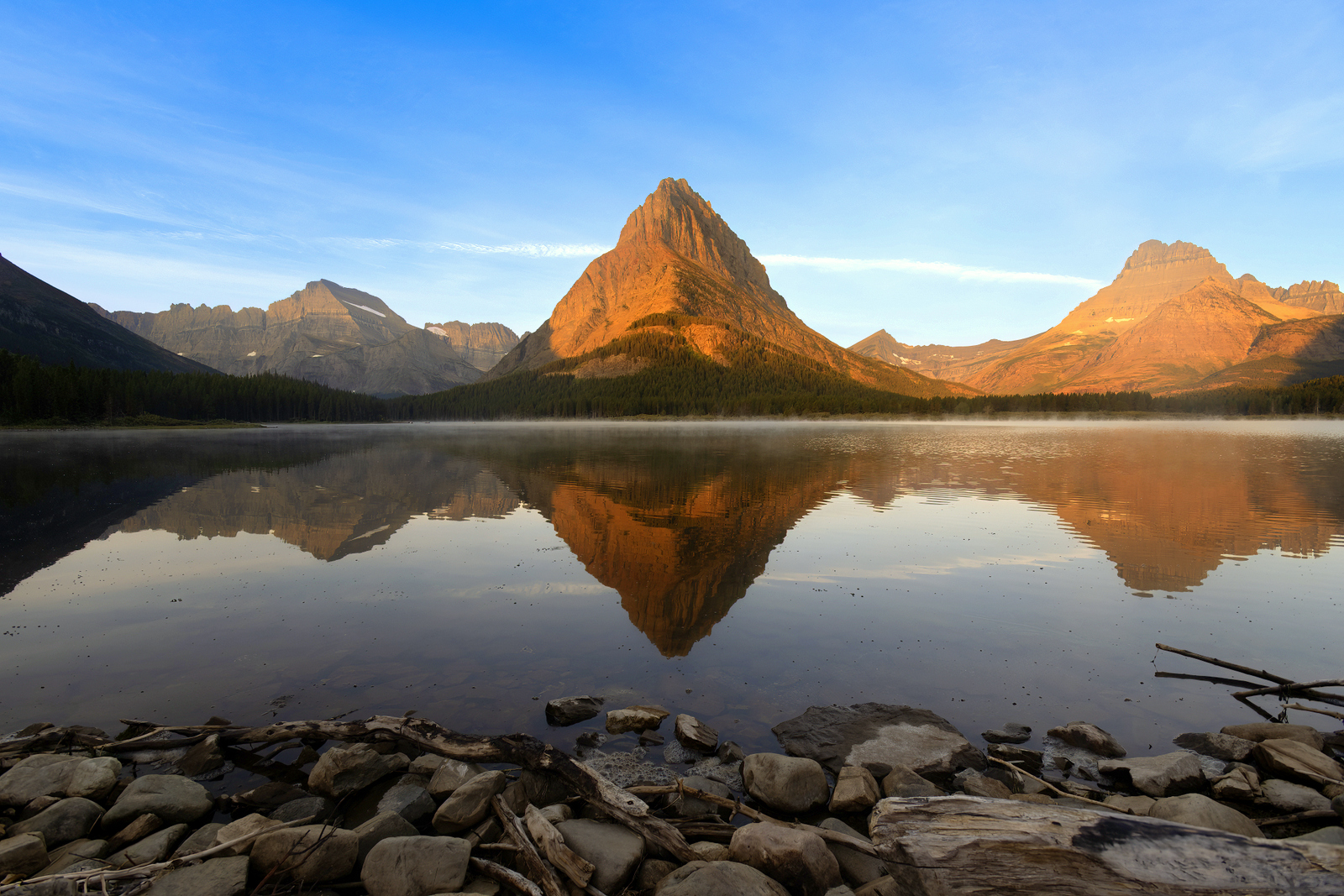
For example, this is a nice sunrise shot I took at Swiftcurrent Lake in Glacier National Park:

Swiftcurrent Lake, Glacier National Park (8715)

But look at what clouds can add to the scene:

Swiftcurrent Lake, Glacier National Park (8334)

(Ok yes, I found a better/more compelling foreground in the second image, but you still get the idea.  That sky is more dramatic and interesting)

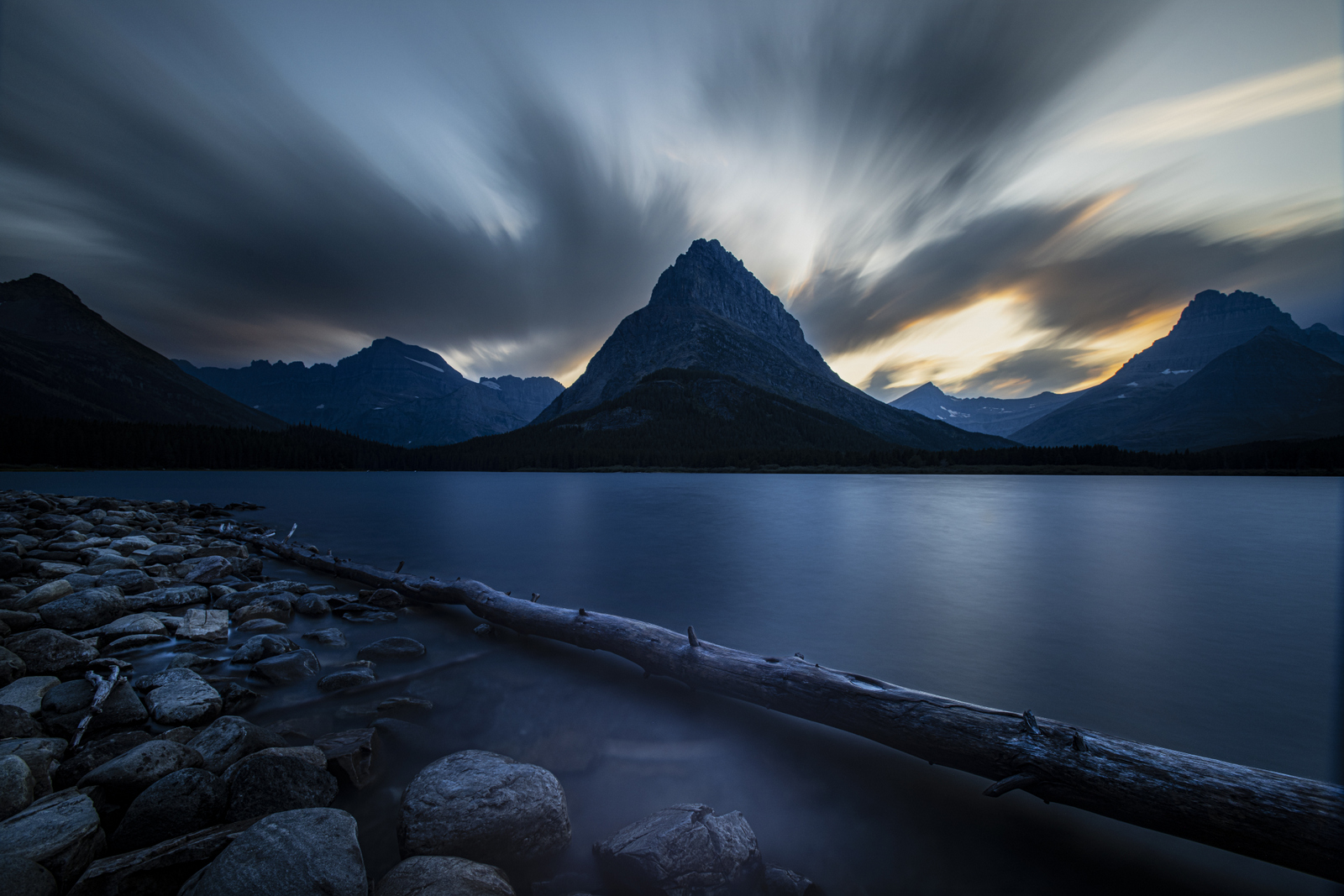
In this sunset scene at the same location I had clouds but they were too dense to allow the colors to come through.  My solution was to go for a very long exposure that allowed the motion of the clouds to add drama and visual interest to the scene.

Swiftcurrent Lake, Glacier National Park (8285)

Read more about the story in getting these shots at Swiftcurrent Lake here:

Fire and Ice

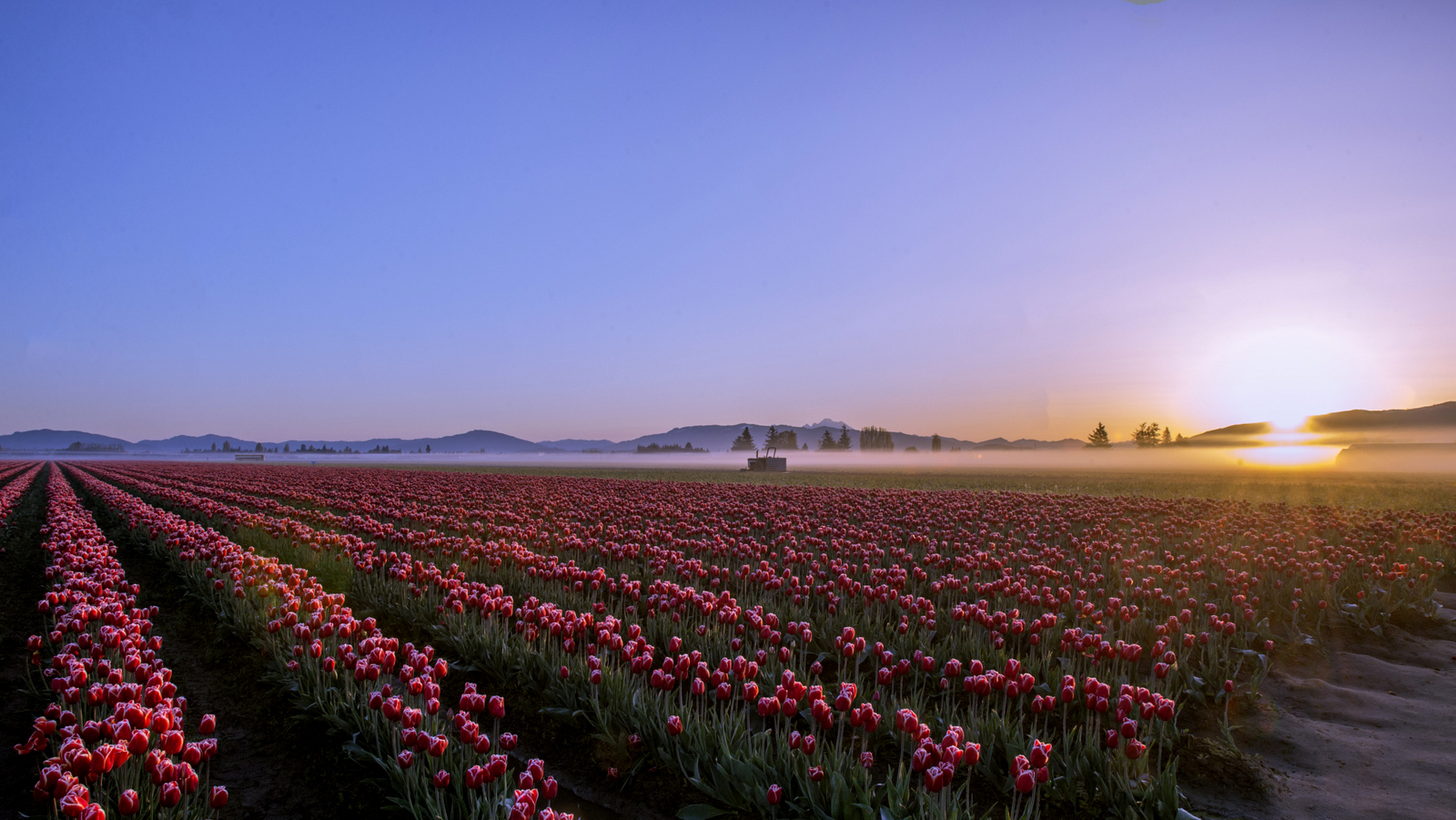
The shot below of a tulip field at sunrise had some real potential but in the end fails due to the lackluster sky.  Nary a cloud….sigh.

Tulip Sunrise, Washington (2272)

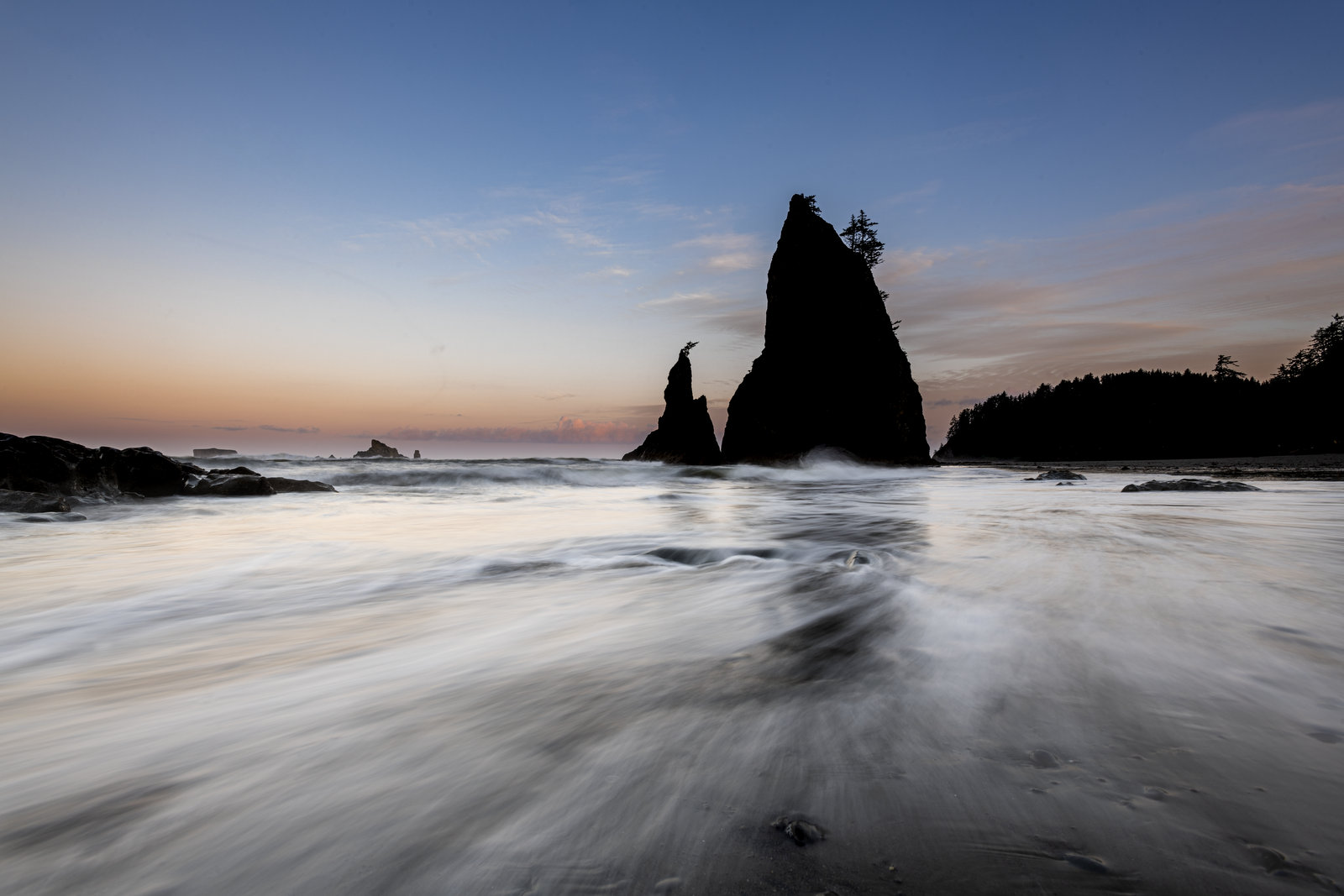
In the image below at Rialto Beach the dramatic foreground and compelling silhouette make this a decent image but a few more clouds to catch some color would have taken it to another level:

Rialto Beach, Washington (0333)

See more on Rialto Beach here:  Rialto Beach

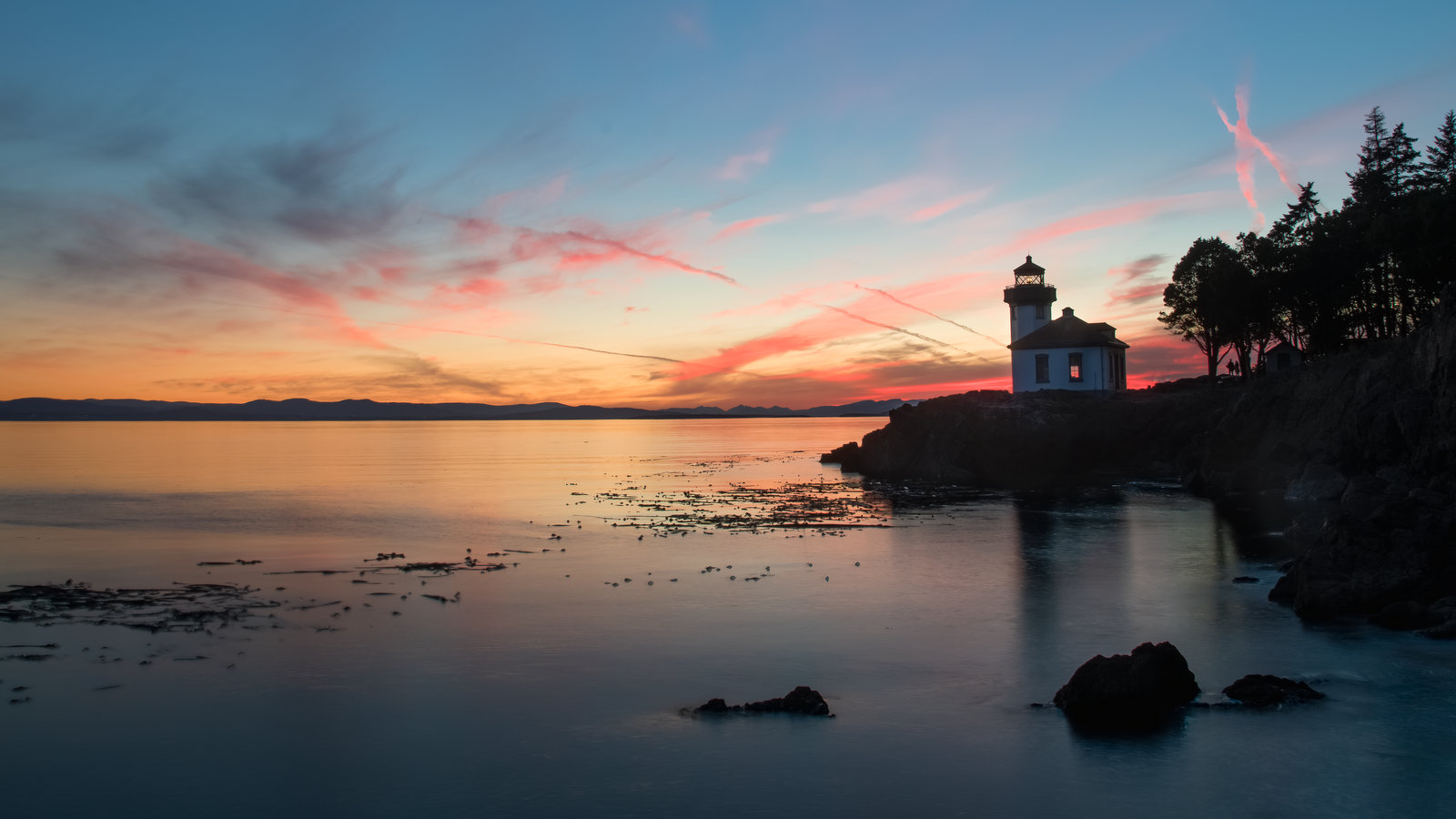
And in this next shot of the Lime Kiln Lighthouse we have juuuust enough clouds to make it a usable image:

Kiln Lighthouse, Washington (27-33)

But if I crop the image, to allow the clouds to fill more of the scene, I find it more compelling:

Kiln Lighthouse, Washington (27-33), crop

Click on the box to read more about how I got the shots at the Lime Kiln Lighthouse:  Landscape to Lovers


As you can see, a cloudy day is not always a bad thing.  And if you happen to be a landscape photographer, clouds are often essential to making our day into something special.


Until next month….michael