
31
Shot of the Month – December 2024

Thought #1: I can’t believe that this is happening! Look at this magnificent creature!
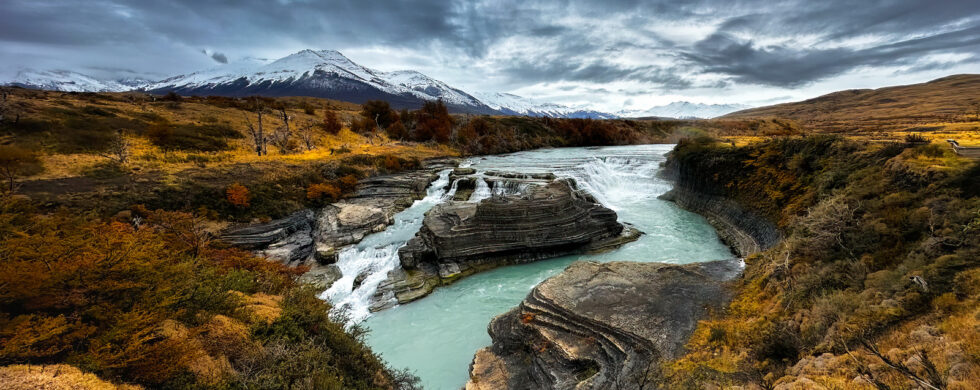
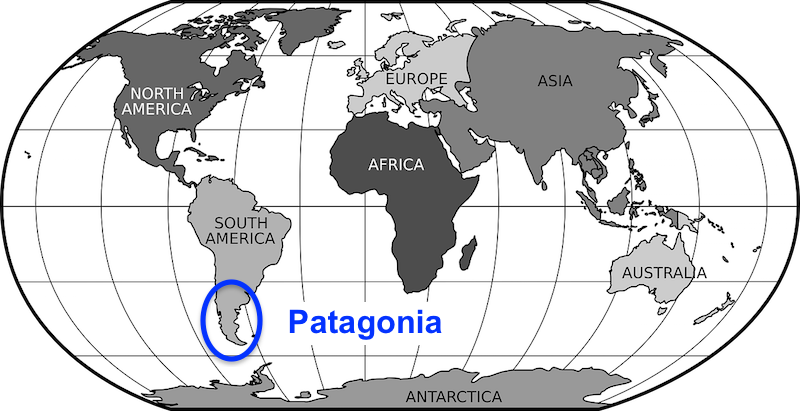
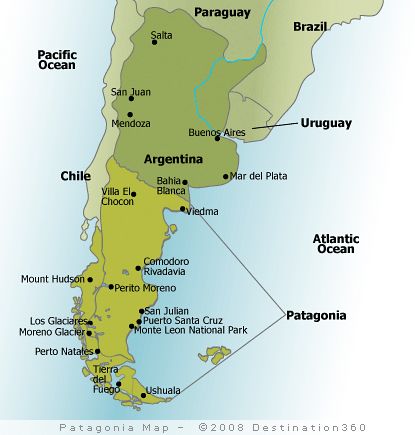
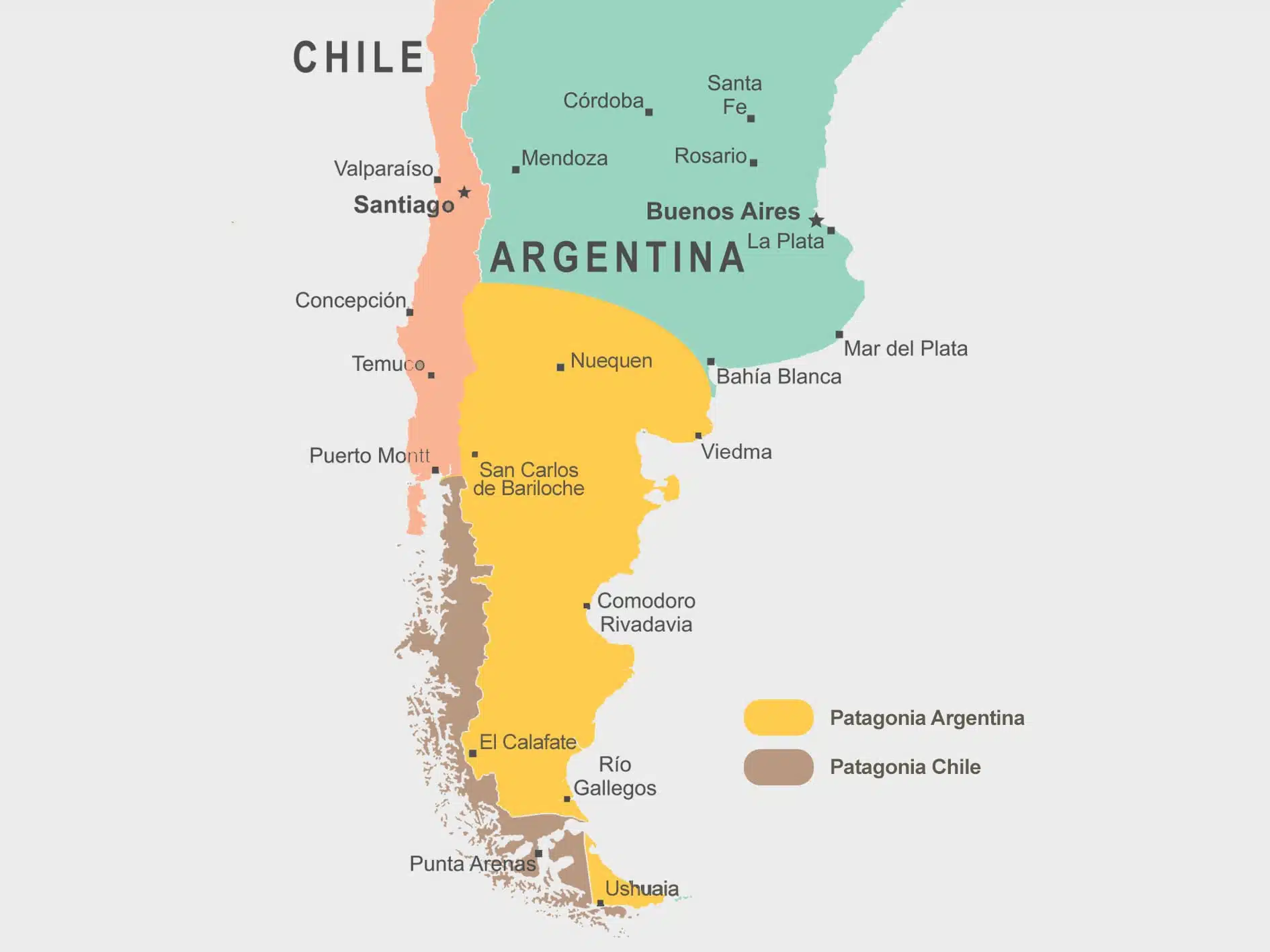
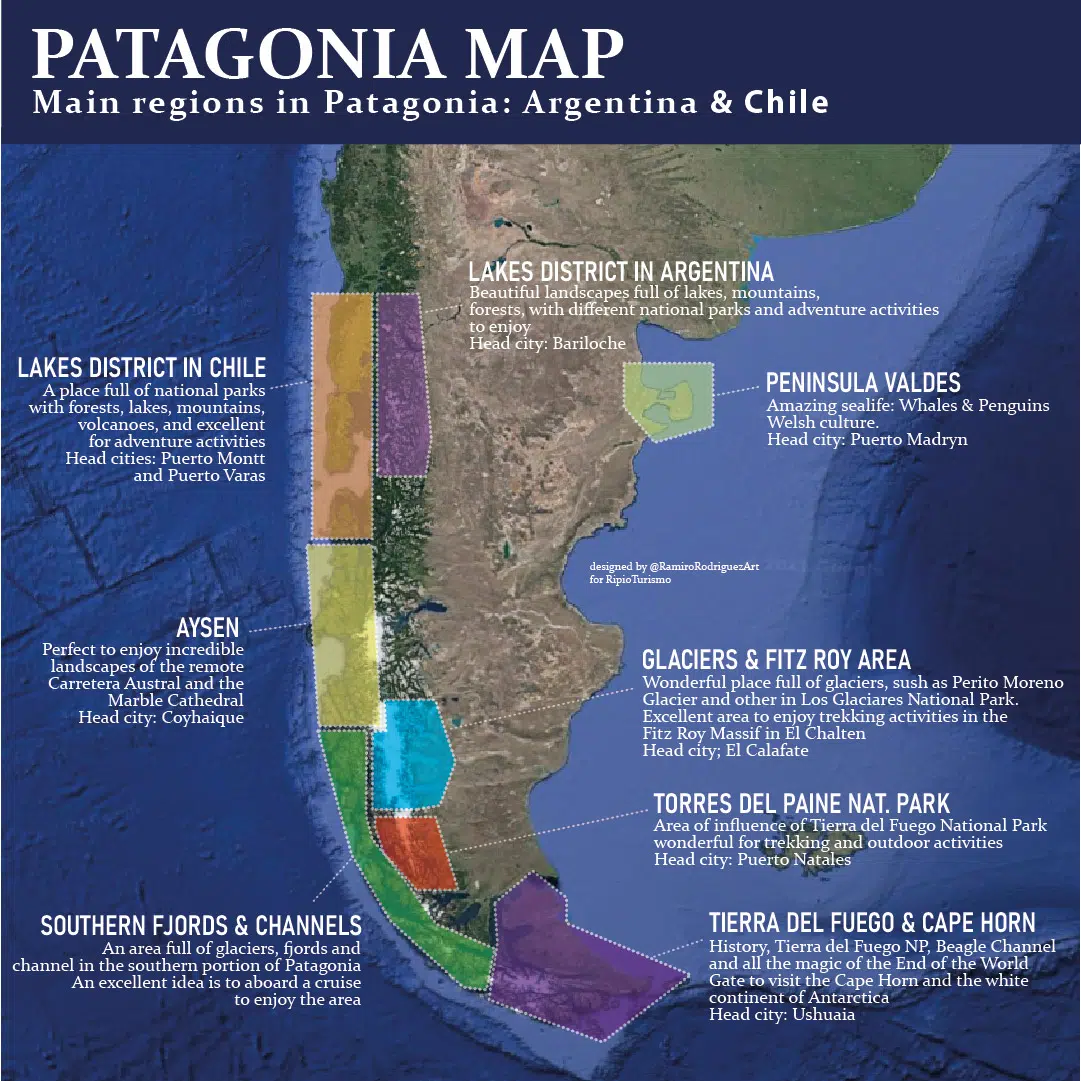
After traveling for more than three days, navigating three airports, and traversing more than 7,500 miles, I was finally in Patagonia. And on our very first morning, after hiking for only a few hours, we had already found our first puma! I couldn’t believe our good fortune. We watched her through our lenses and binoculars for 45 minutes as she sat peacefully. And then she stood up, crouched, and started walking.
Walking in my direction.
Thought #2: “She is staring right at ME! And here she comes! This is amazing! I am going to get a great photo on my very first sighting.”
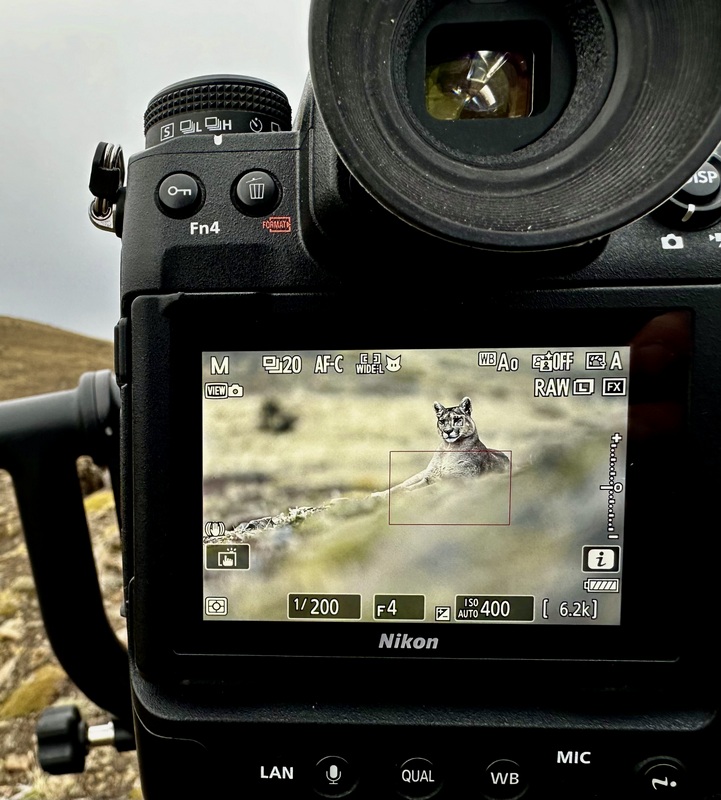
She kept coming. The muscles in her shoulders rippled with each step. Her gaze never wavered as she continued forward. With each step, she appeared larger and larger and soon filled the viewfinder of my camera.
Thought #3: “Uh, this may have been a mistake. Those paws are huge! Is she hunting me? This may not go well….”
As you may have gathered, she did not eat me. She did, however, walk directly beside me – she had seen prey just behind my position and was stalking them. She walked within 15 feet of me!
I had traveled to Chile specifically to try and add a new feline apex predator, the Puma, to my photography portfolio. Success!
More on this wildcat:
What’s in a name?

Apparently, the Puma holds the Guinness World Record for the animal with the greatest number of names. I didn’t even know that was a thing. But there are over 40 names for this lovely cat in English alone. A few of the most common:
Mountain Lion (United States) = Cougar (Canada) = Puma (Central and South America and most of Europe)
Catamount is another name sometimes used in the United States.
Likewise, Panther = Cougar, Puma, or Mountain Lion. Everyone got that? All these names refer to the exact same species.
The puma is scientifically classified as Puma concolor. In Latin, concolor means “one color,” referring to the uniform color of the feline’s coat. There are only two recognized subspecies:
Puma concolor concolor: South American Cougar, possibly excluding the region northwest of the Andes
Puma concolor cougar: North American Cougar, found in North and Central America and possibly northwestern South America. For many years, the Florida Panther was considered its own subspecies, but now scientists consider that population to just be part of the North American Cougar subspecies.
Where can I find one?
Mountain Lions hold another “record” – they are the most widely distributed wild, terrestrial mammal in the Western Hemisphere!! Pumas are found in 28 countries with a range spanning the Yukon, British Columbia, and Alberta provinces of Canada, the Rocky Mountains, and much of the western United States. The cat’s range continues through Mexico to the Amazon Rainforest and the southern Andes Mountains in Patagonia.

Many cougars prefer mountain habitats, but as we can see from the range map, pumas are HIGHLY adaptable. They are found in every New World habitat, including forests, grasslands and steppes (montane deserts), mountains, deserts, swamps, and everything in between. Pumas were found in all 48 states of the continental US but were wiped out across most of the eastern US due to habitat loss, hunting, and extensive predator eradication campaigns (read more on that here) in the 1800s by the US government. Cougars were declared extinct east of the Mississippi in the 1930s, although a small population does survive in Florida (the Florida Panthers mentioned earlier). Since 1950, pumas have been eliminated from Arkansas, Louisiana, Tennessee, and West Virginia.
What are they like?
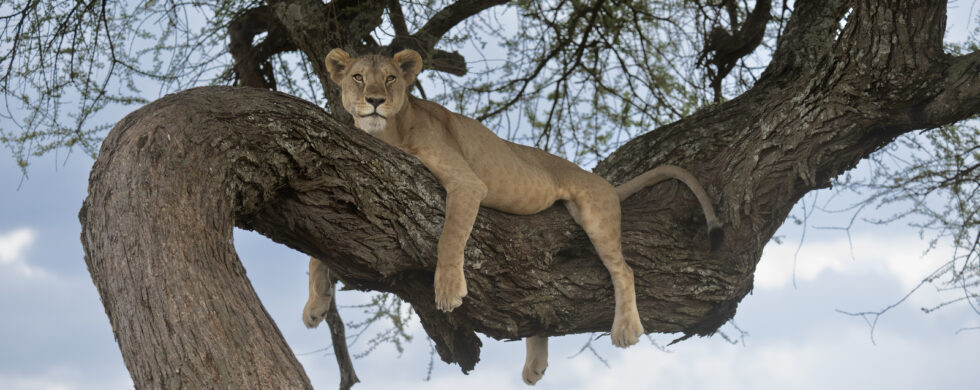
Pumas are the fourth-largest cat in the world, though ironically, they are not considered a “Big Cat.” That designation goes to the cats of the genus Panthera, which includes the tiger, lion, jaguar, leopard, and snow leopard. The cats bigger than the puma are the tiger, lion, and jaguar.
Puma size varies by location – they tend to be smaller near the equator and get bigger closer to the poles. Males weigh from 110 to 180 lbs, while females typically weigh between 70 and 145 pounds. Males are usually about 30% larger than females.
Pumas are incredibly strong and agile, with long bodies and powerful, short legs. Their hindlimbs are larger and stronger than their forelimbs, making them extremely good leapers. How good? They can jump 18 feet (5 meters) vertically and 40 to 45 feet (12 to 14 meters) horizontally. Pumas are slower than most of their prey so they are ambush hunters – they stalk quietly and get as close as possible before pouncing on their prey.
What do they eat?
Pumas prefer large mammals, especially ungulates. In North America, pumas target mule deer, white-tailed deer, elk, moose, mountain goat, and bighorn sheep. In Central and South America, pumas target guanacos (like a llama), local varieties of deer, rodents, hares, birds, and just about anything else that moves.
Don’t let that “boring” brown coat fool you – there is nothing mundane about this cat. Pumas are considered a keystone species:
- They have conquered every habitat in the Western Hemisphere.
- Studies show that cougars interact and influence the behavior of over 450 species across the entire food chain.
- Pumas play an essential role in controlling the population of deer and other herbivores, preventing overgrazing, and maintaining healthy vegetation.
- By controlling deer populations, pumas indirectly help manage the spread of disease.
- Many species alter their behavior in puma habitats out of fear of becoming prey.
- Carcasses left behind play an important role in returning nutrients back to the soil and provide an essential food source for scavengers, including birds of prey, mammals, and insects.
- Pumas also influence the behavior and distribution of other predators when they share habitats (bears, wolves, jaguars, etc).
Pumas may not be as flashy as some of their feline counterparts but their adaptive skills are second to none, and they play a vital role in keeping our natural world thriving throughout the Western Hemisphere.
Regardless of what the science folks say, pumas are a “big cat” in every sense as far as I am concerned!
Until next month…..michael
Sources:
Puma Facts | Patagonia Wildlife Guide
Nikon Z9, Nikon 600mm, f/4, 1/1000 sec, ISO 400, EV +0.667