10 for 15 B&W

A couple of days ago I posted 10 of my favorite images from 2015.  There were all color photos. Here is a sample of 10 of my favorite black and white images from 2015.  Is that cheating?
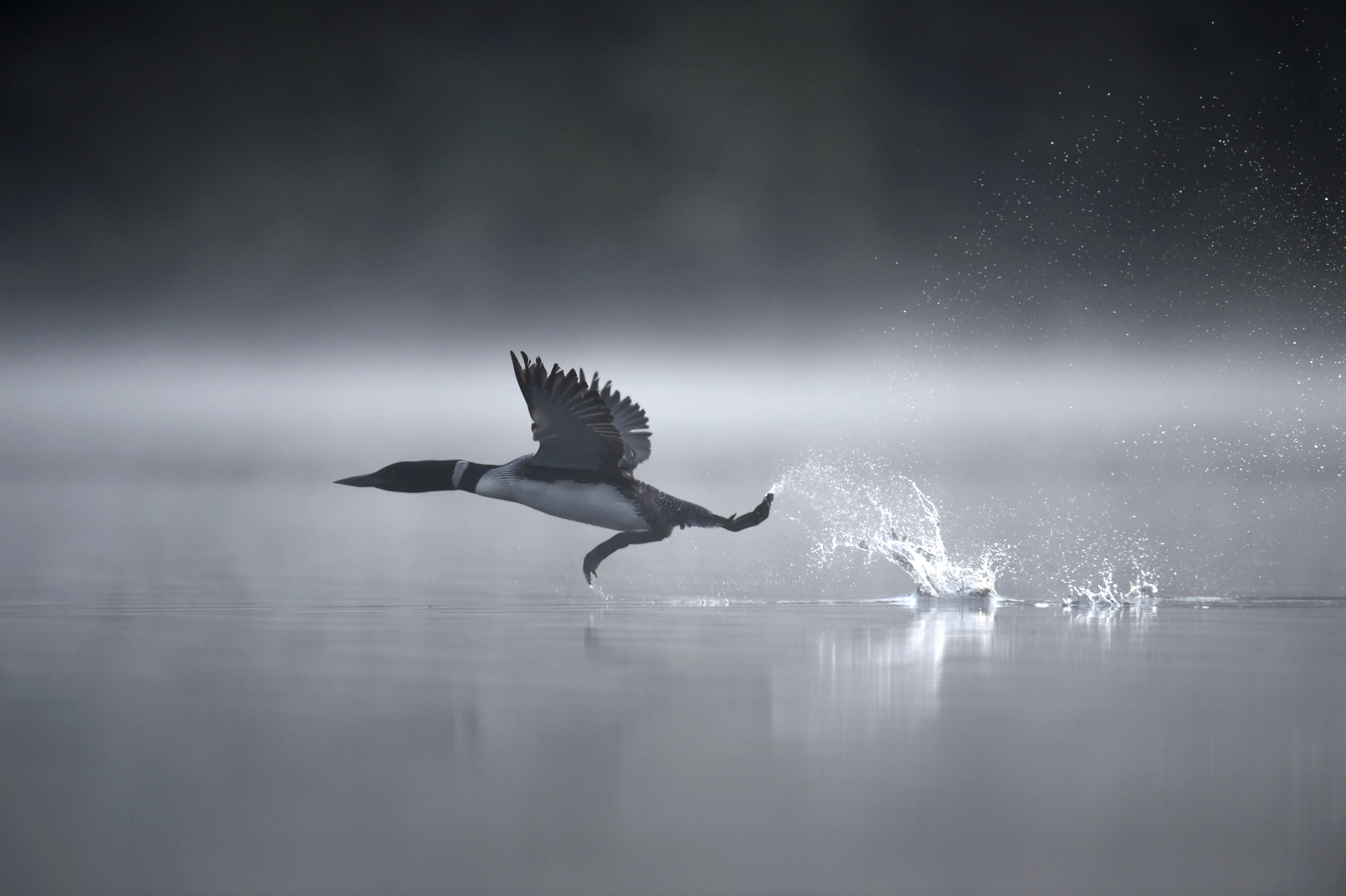
Loon, Vermont (9616)#1  Loon Take Off

This actually is a color photo that lacks color.  This image was shot on a  foggy, early morning pond looking into the sun.  I love the back-lit water splash.
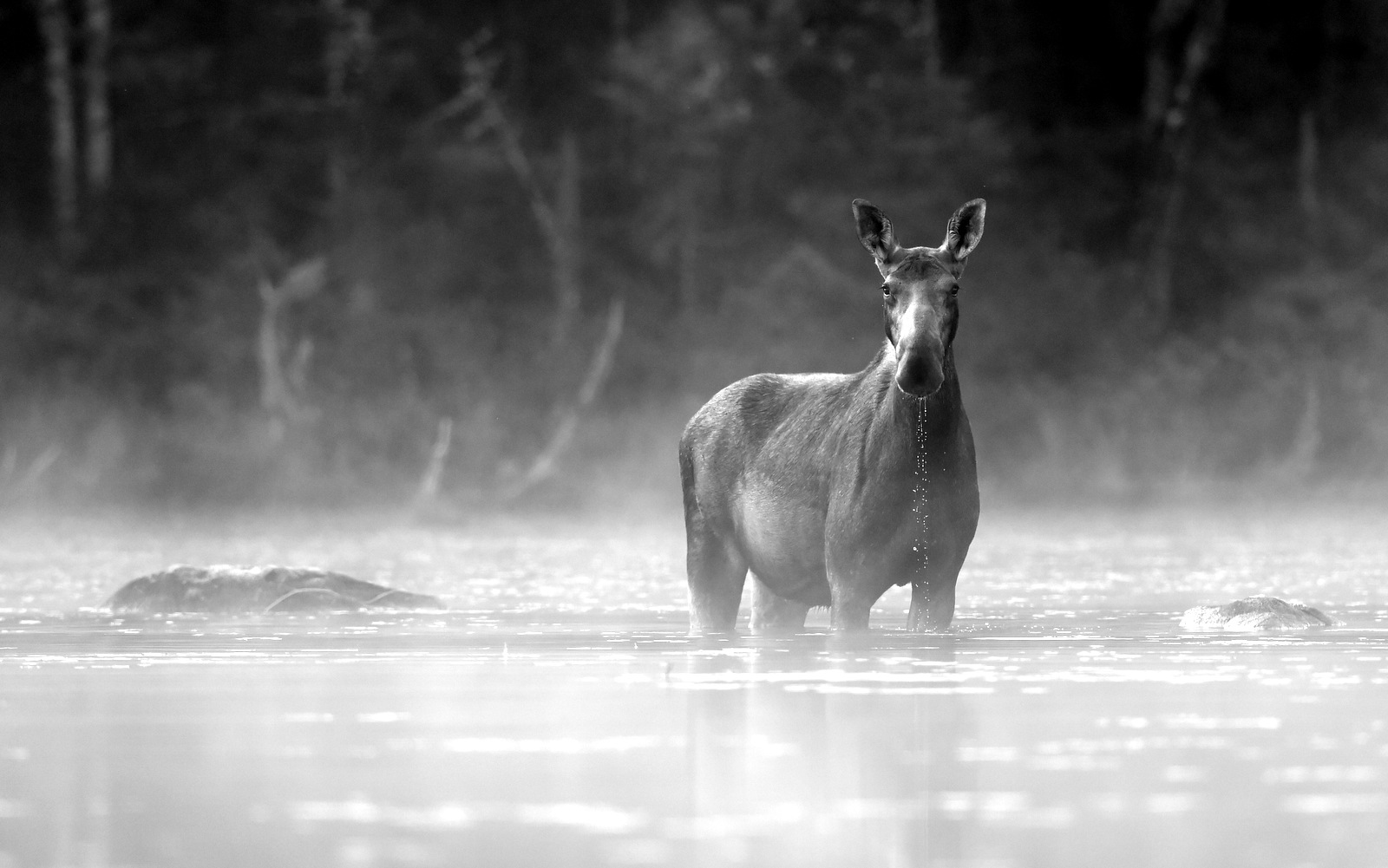


Moose, Maine (4745)#2  Moose in the Mist

Another early morning shot.  There was not much color to be seen at this hour and converting to B&W set a great mood.
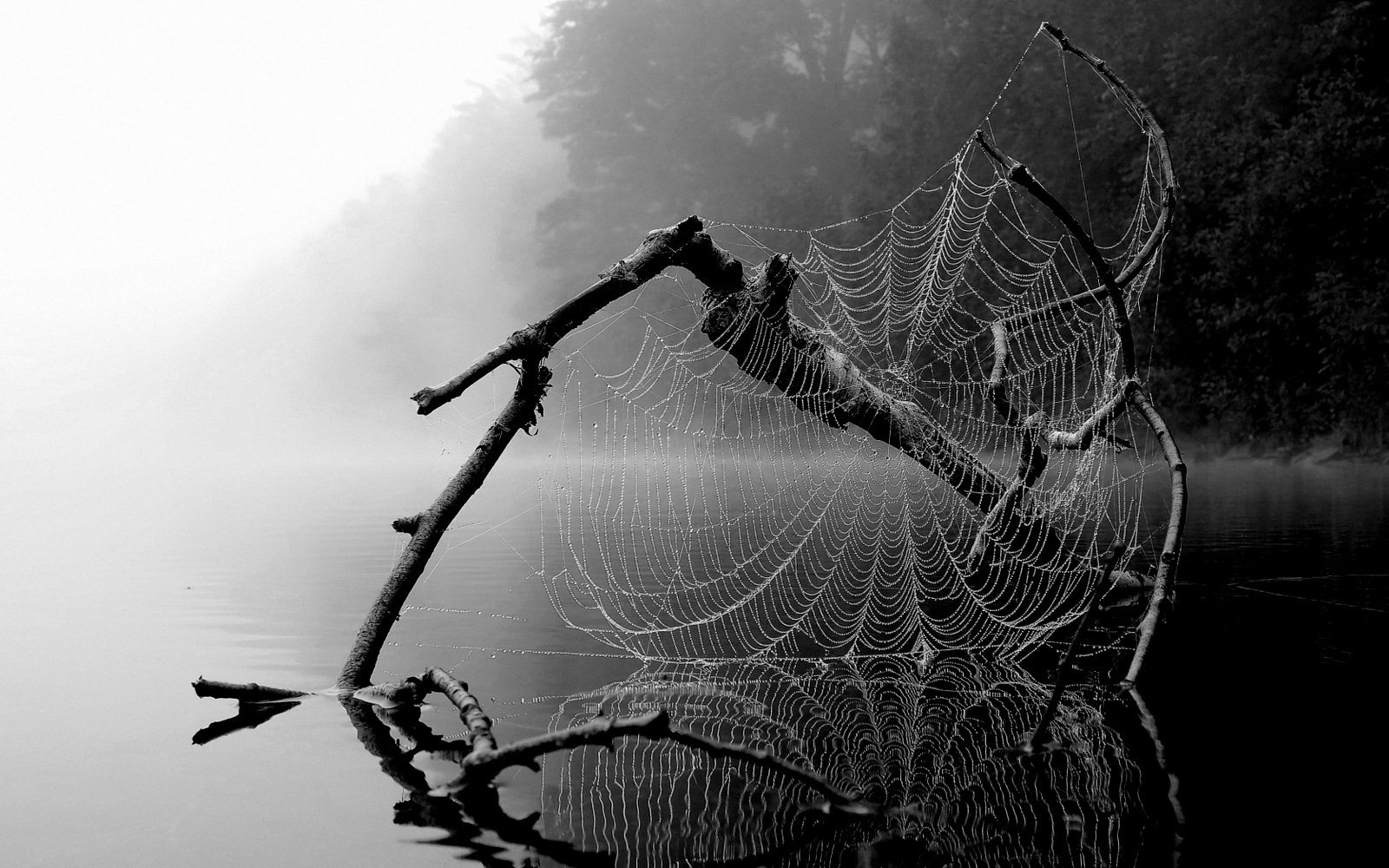


Spider Web, Vermont (0374-01)#3  Spider Web

I shot this photo with a point-and-shoot camera.  I love the multi-layered, diagonal transition from pure white in the upper left corner to pure black in the lower right corner.
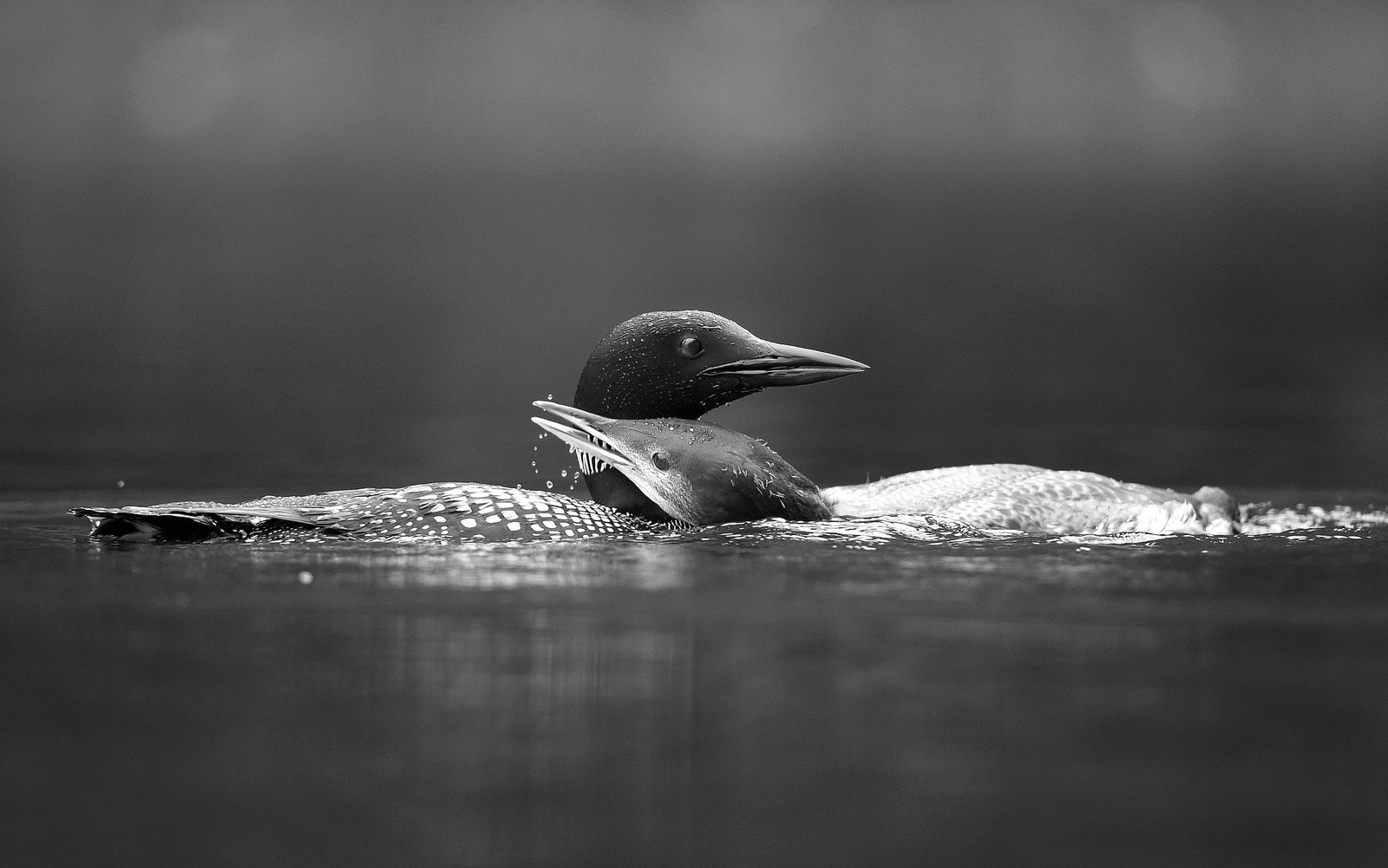


Loon, Vermont (7843-003)#4  Loon Love

Harsh light when I shoot this image.  But in B&W the image suddenly seems to become a timeless ode to familial love.  (Its more an ode to hungry teenager, but let’s not ruin the moment…)
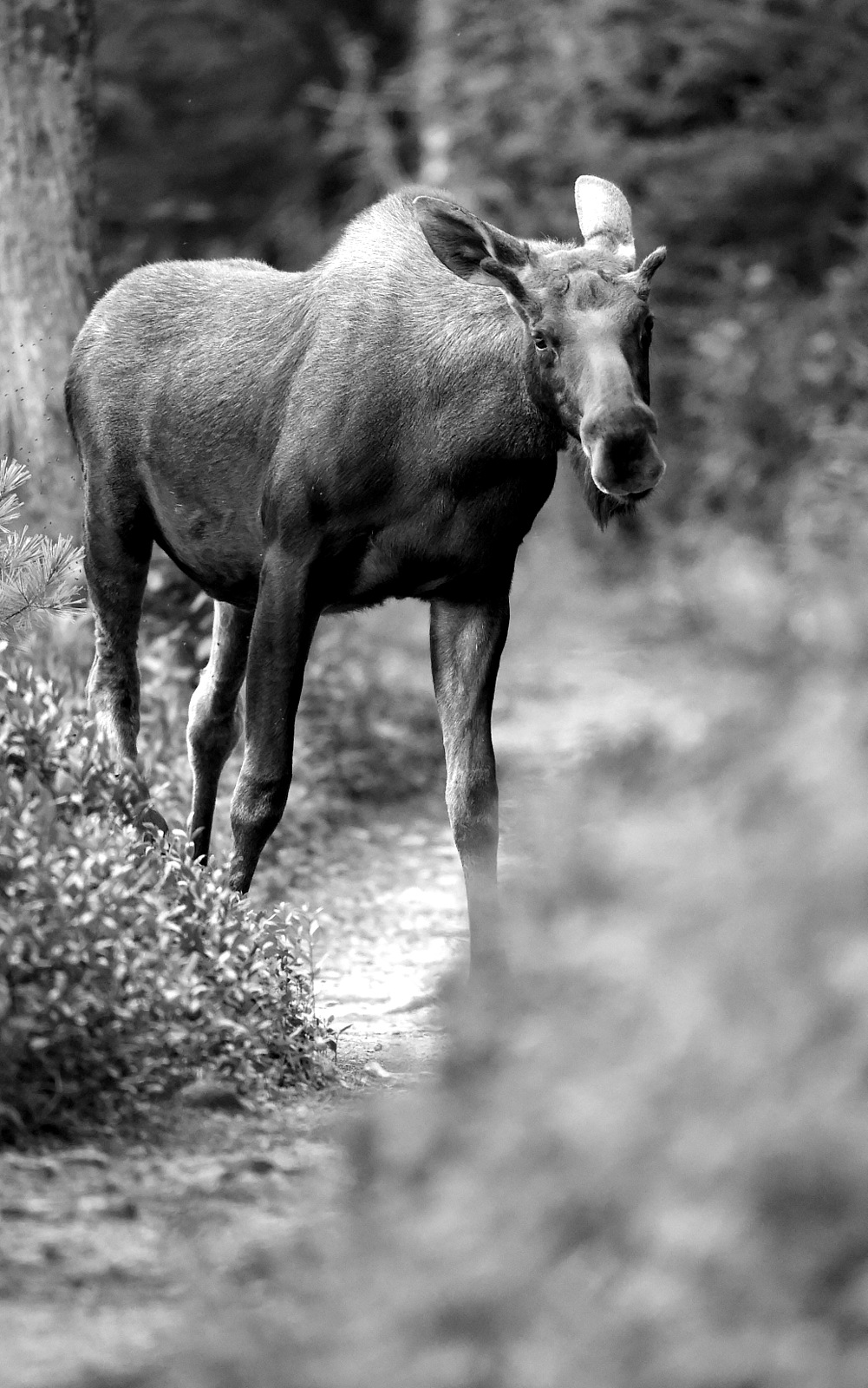


Moose, Cape Breton (2258)#5  Moose On The Trail

I like how this young moose really seems to pop in 3D with the different focal planes of the shot.
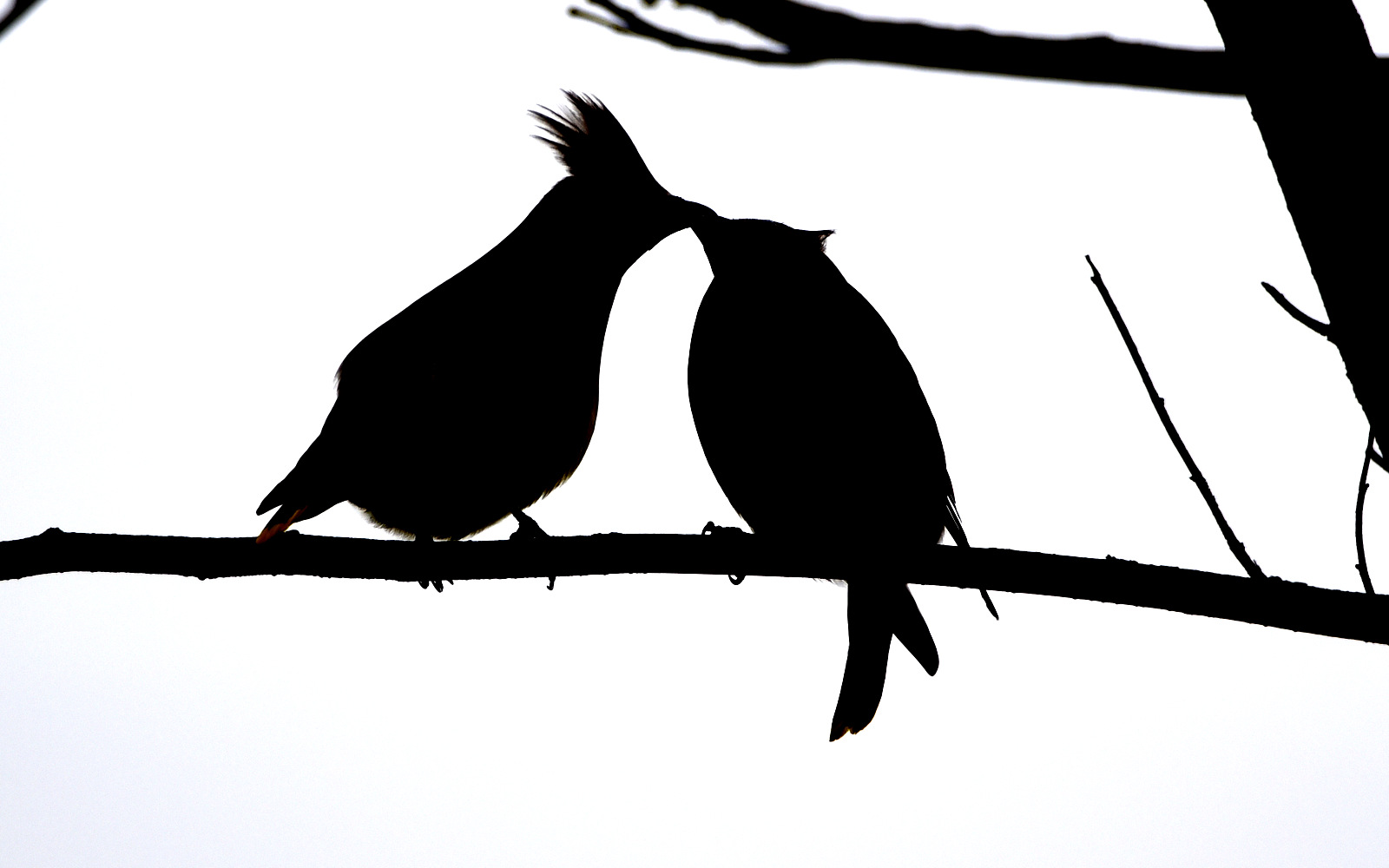


Waxwing, Vermont (7443)#6  Waxwing Love

These birds were harshly back-lit and I almost didn’t take the shot.  But then I realized what a great silhouette it would make.  Glad I saw the light before it was too late….so to speak.
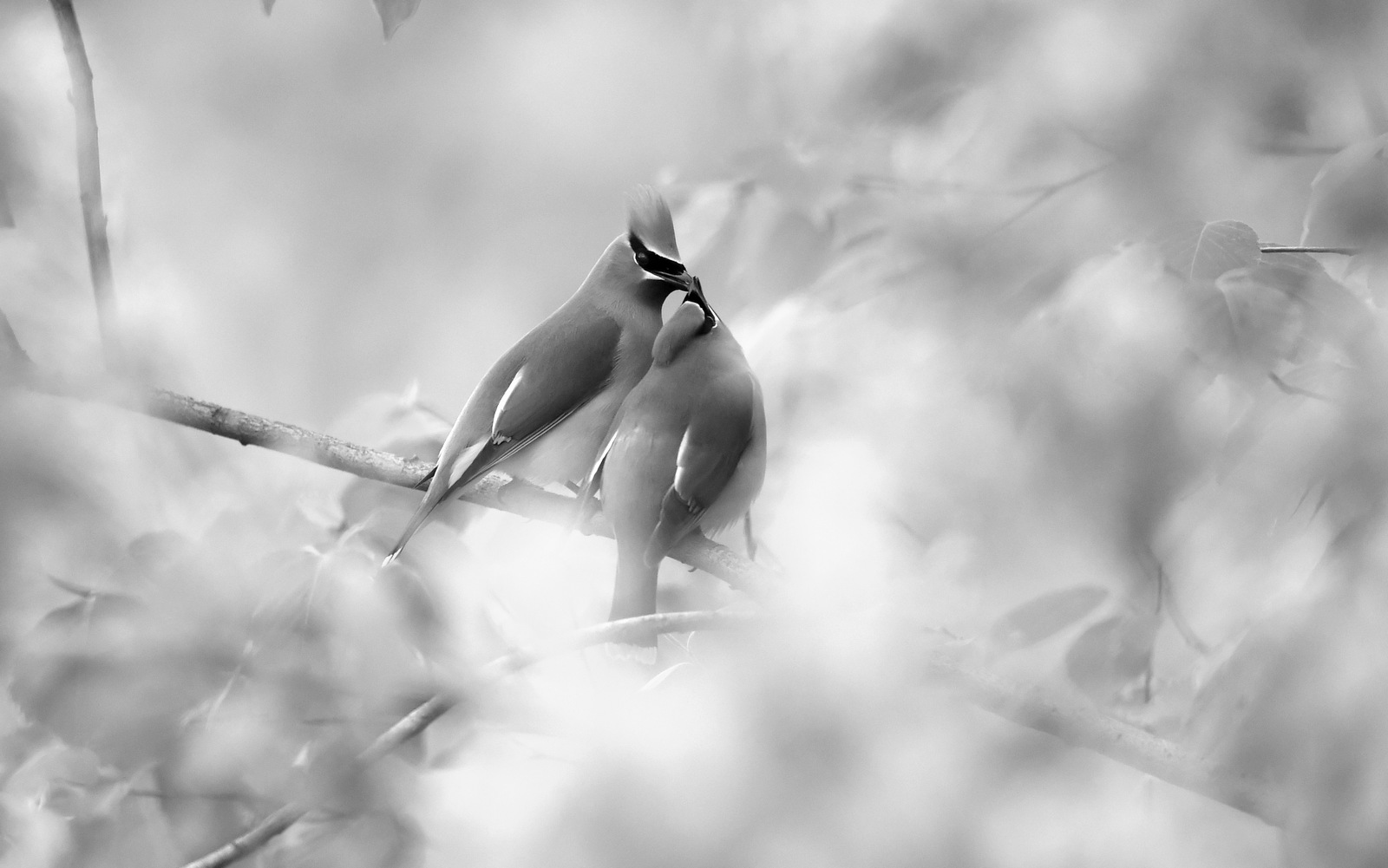


Waxwing, Vermont (9659)#7  Waxwing Love, part 2

Another pair of courting waxwings.  I shot this image while lying on the ground and supporting my 600 mm lens on my raised knees.  I had to shoot through many layers of leaves and branches.  I love the resulting effect.  Stealing a secret moment among the trees…
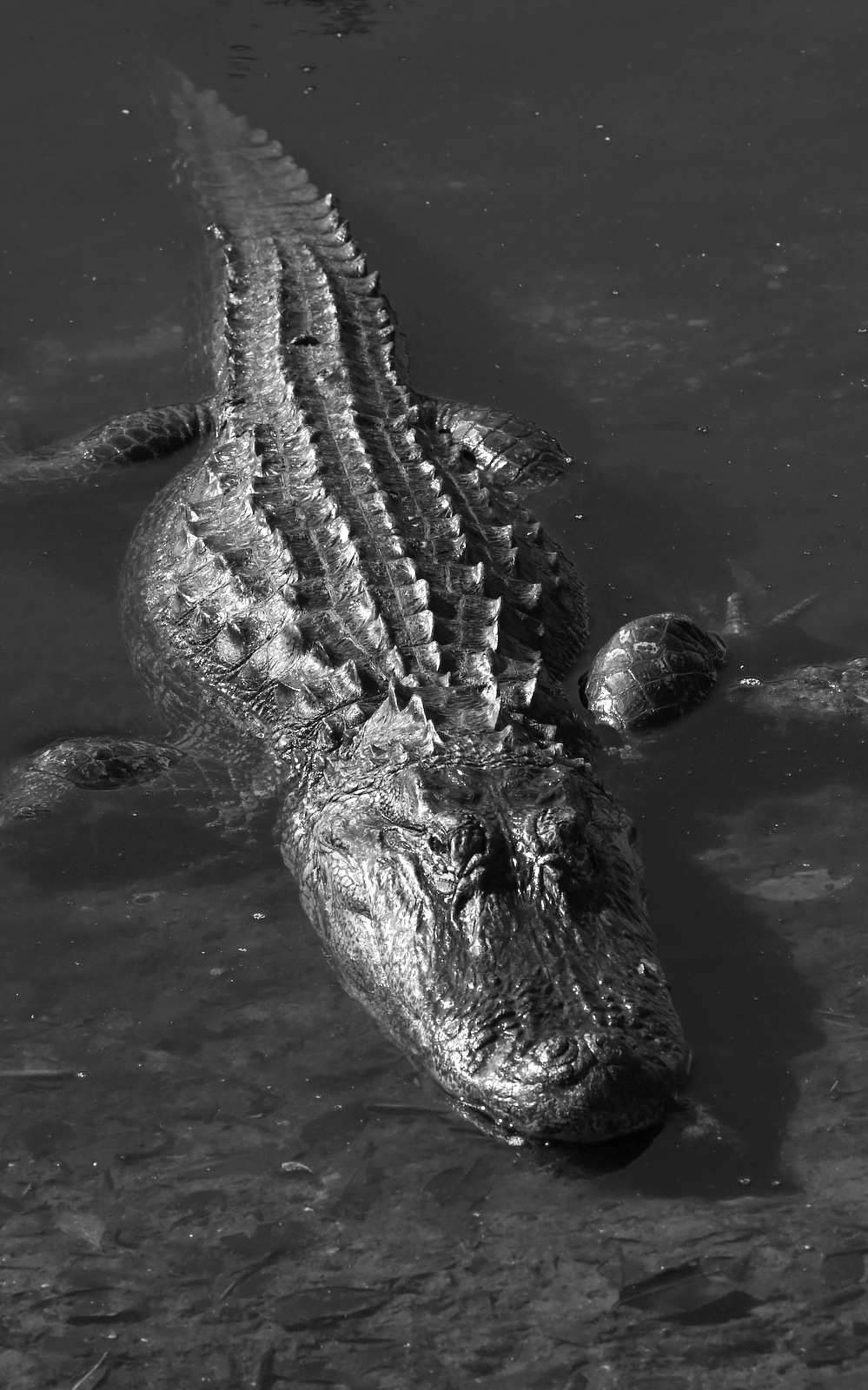


Alligator, Florida (3890)#8  Alligator

Really harsh mid-day light.  Converting to B&W really brings out the menace in this alligator.
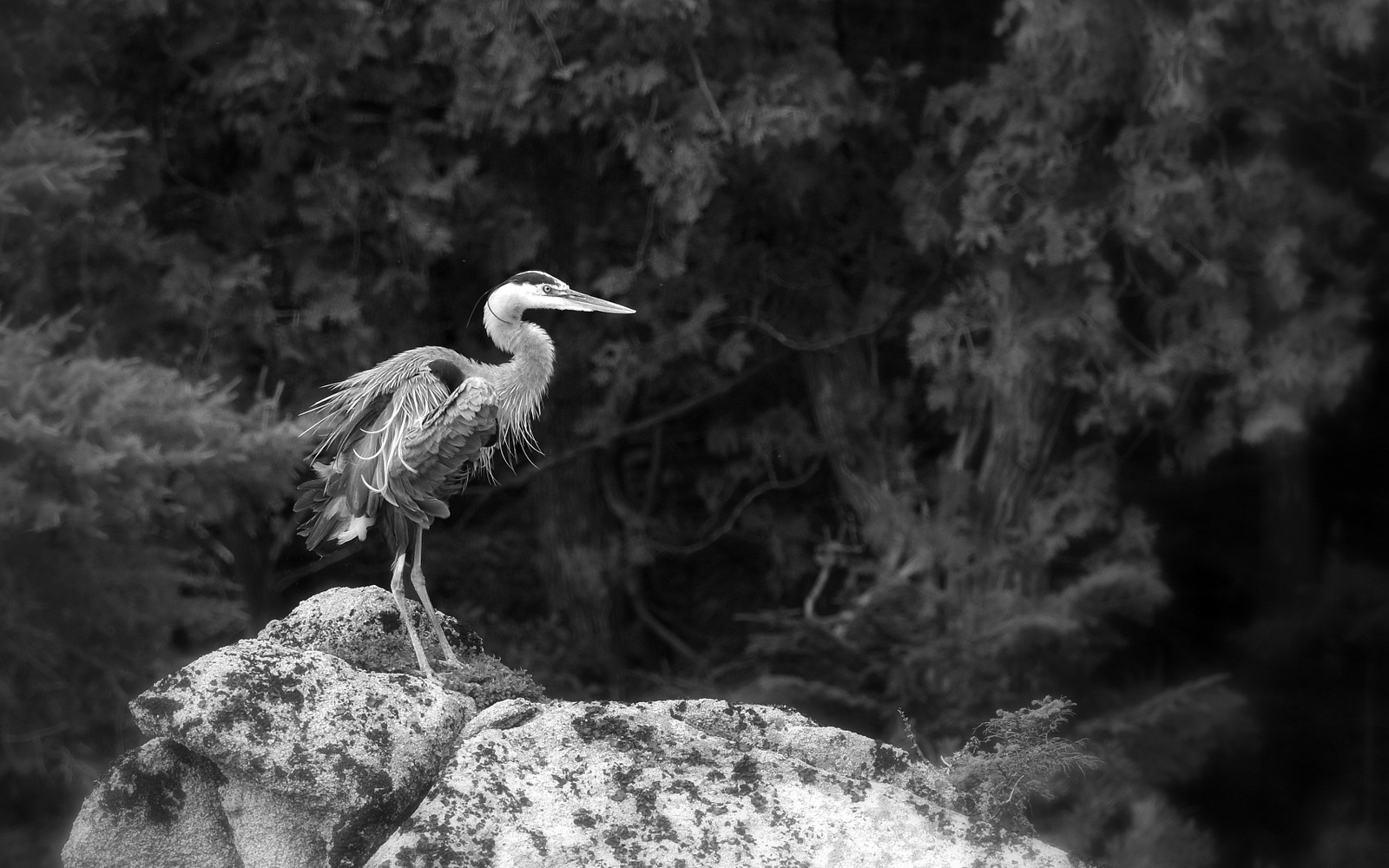


Blue Heron, Vermont (1472-001)#9  Ruffled Heron

I like the mixture of different hues and textures.  A lovely dreamscape…
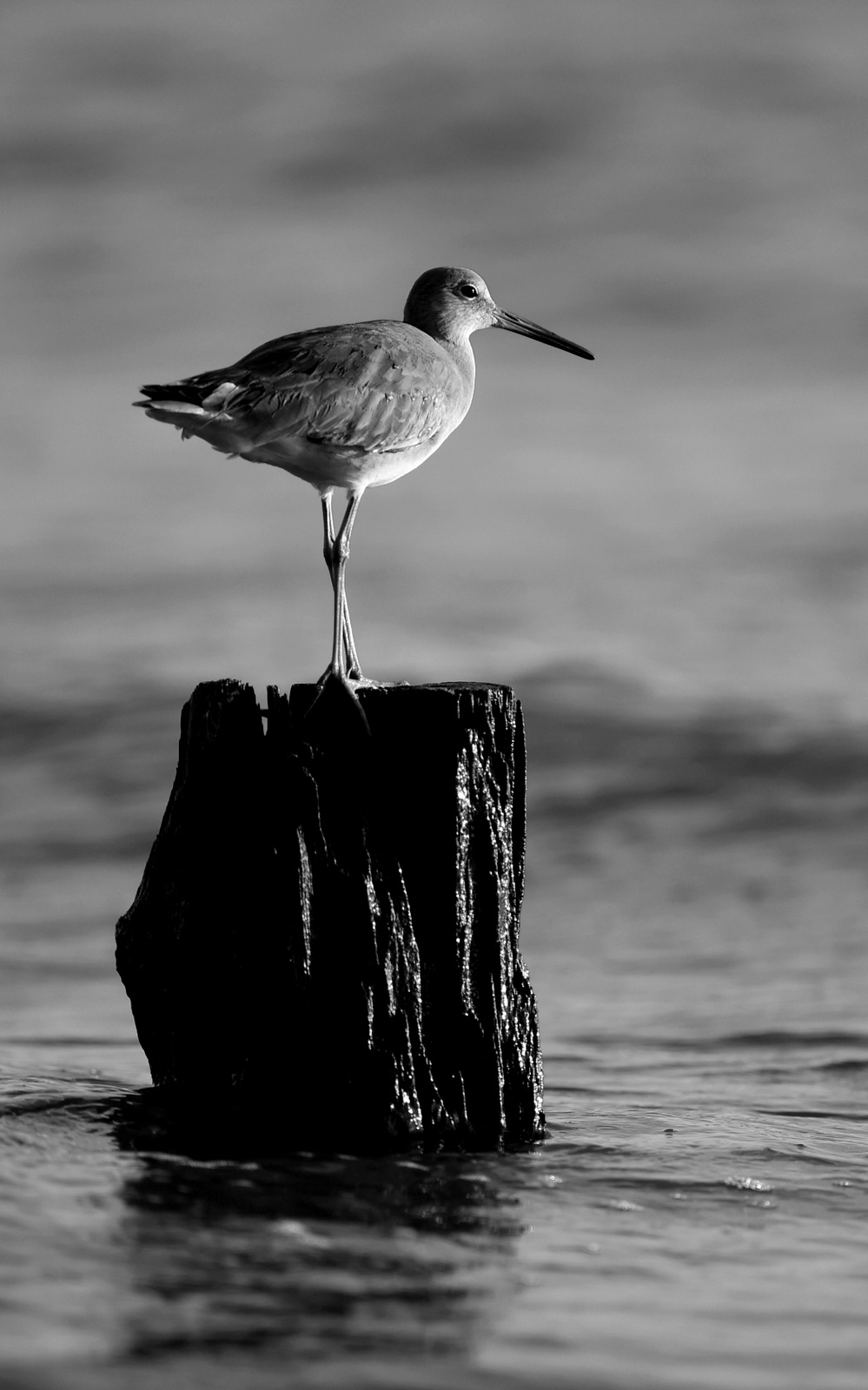


Willet, Florida (8279-001)#10  Pedestal

I like how the bird really pops against the background.


Bonus Images for making it to the end:
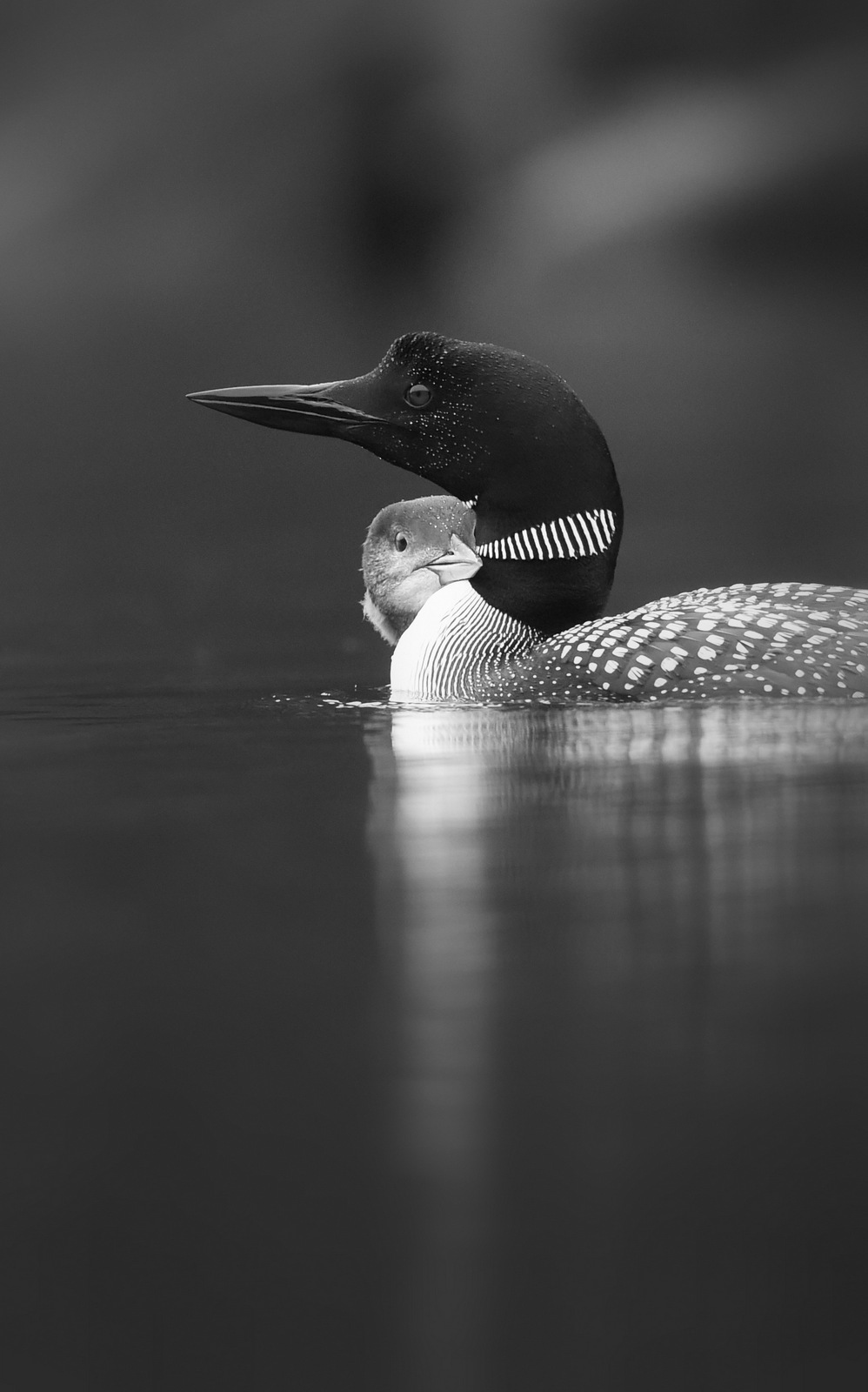
 

Loon, Vermont (7979-001)#11  Peek-A-Boo

More loon love.


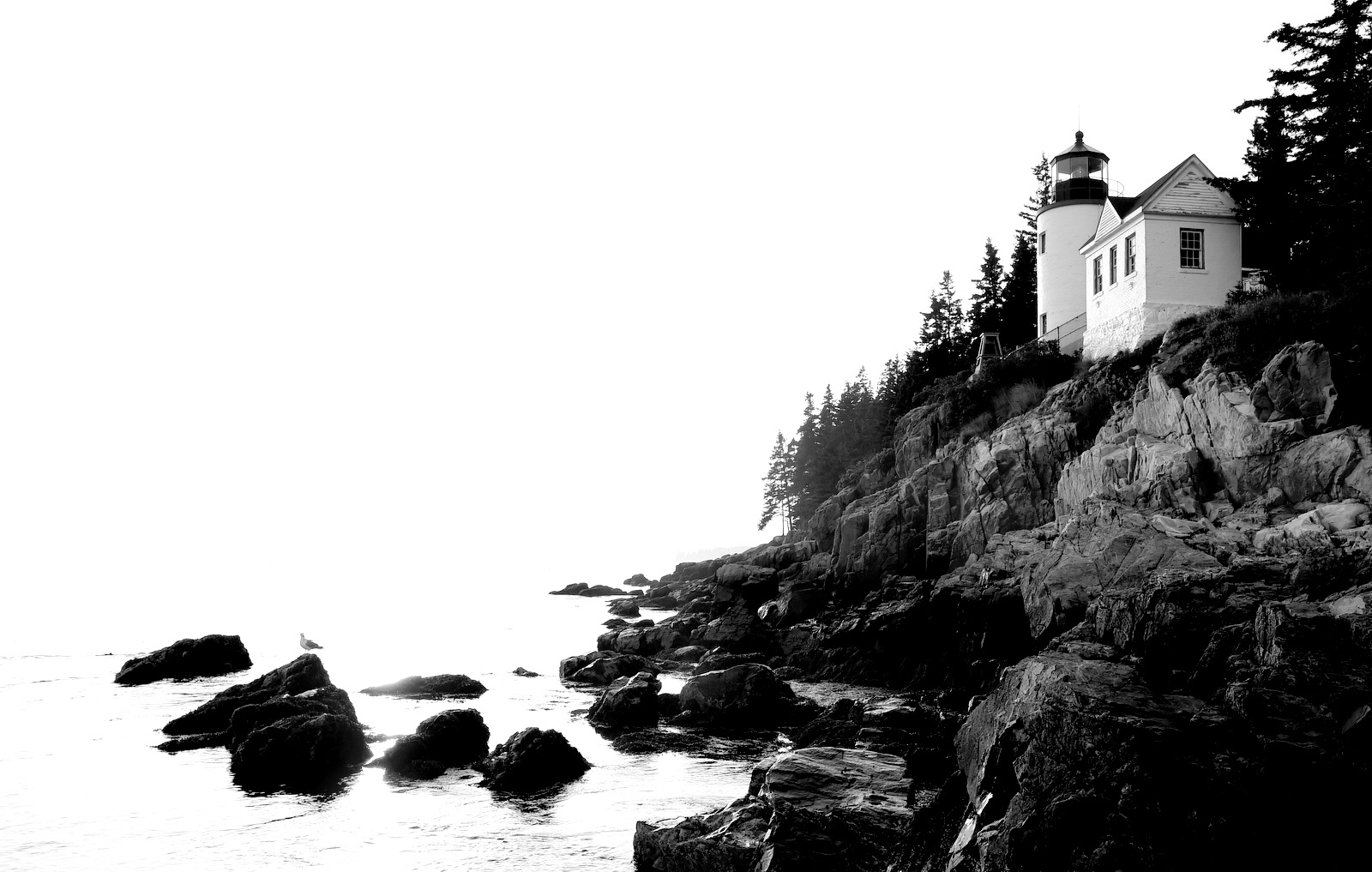
Lighthouse, Acadia National Park (1627)#12  Edge of the World

I love the color version of this image.  I converted it to B&W on a whim and to my surprise I like this version very much also.  The sky and ocean merge into one as the lighthouse beacons at the edge of the world.


10 for 15

It seems all the vogue with nature photographers these days to post their best shots from the previous year.  I figured I would give it a go.  Well, these are not all of my best shots but each is special to me for a range of reasons.  I will provide a quick explanation for each image and why I chose it.

The images are not in order by preference.   Please click on an image to see it larger (It is the best way to view them… :-))

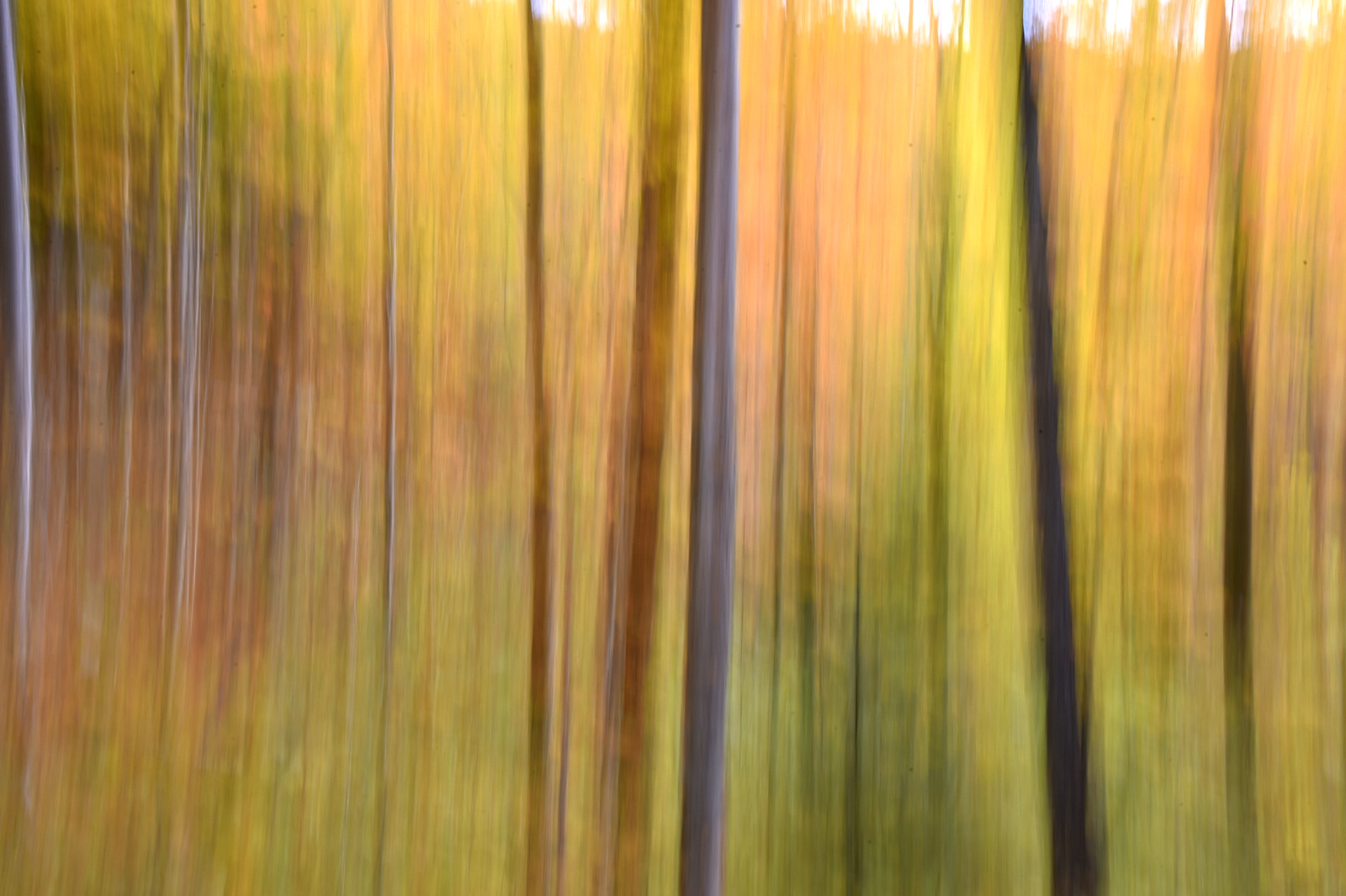
Fall Abstract, Vermont (5038)#1  Fall Abstract
Despite living in Vermont for the last 5 years I haven’t had much luck in getting good fall foliage shots.  This year I had some great luck but I am most pleased with a series of shots where I experimented with a new technique (for me) that produced some nice abstract shots – to me they seem to really capture the explosion of color that happens here during this magical time in the Northeast.


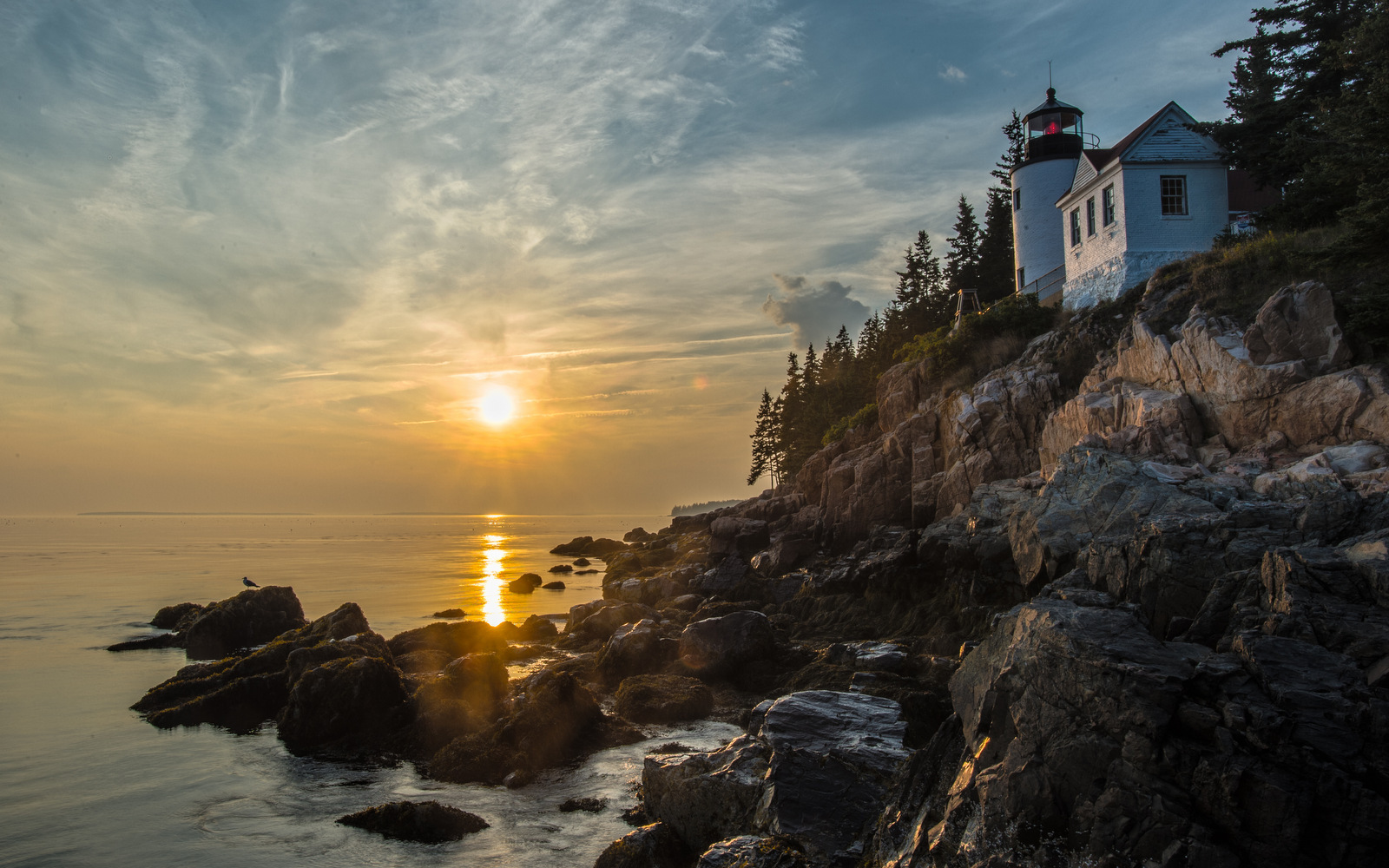
Lighthouse-Bass Harbor-HDR2-v2#2  Lighthouse, Bass Harbor

I don’t shoot landscapes very often so my skills are pretty basic.  This year I managed to spend only one full day in Acadia National Park but still managed to get this respectable shot.  In this image I experimented with an HDR technique (I will explain this in a later post) that allowed me to capture the full dynamic range of the image.  Another experiment that went surprisingly well!


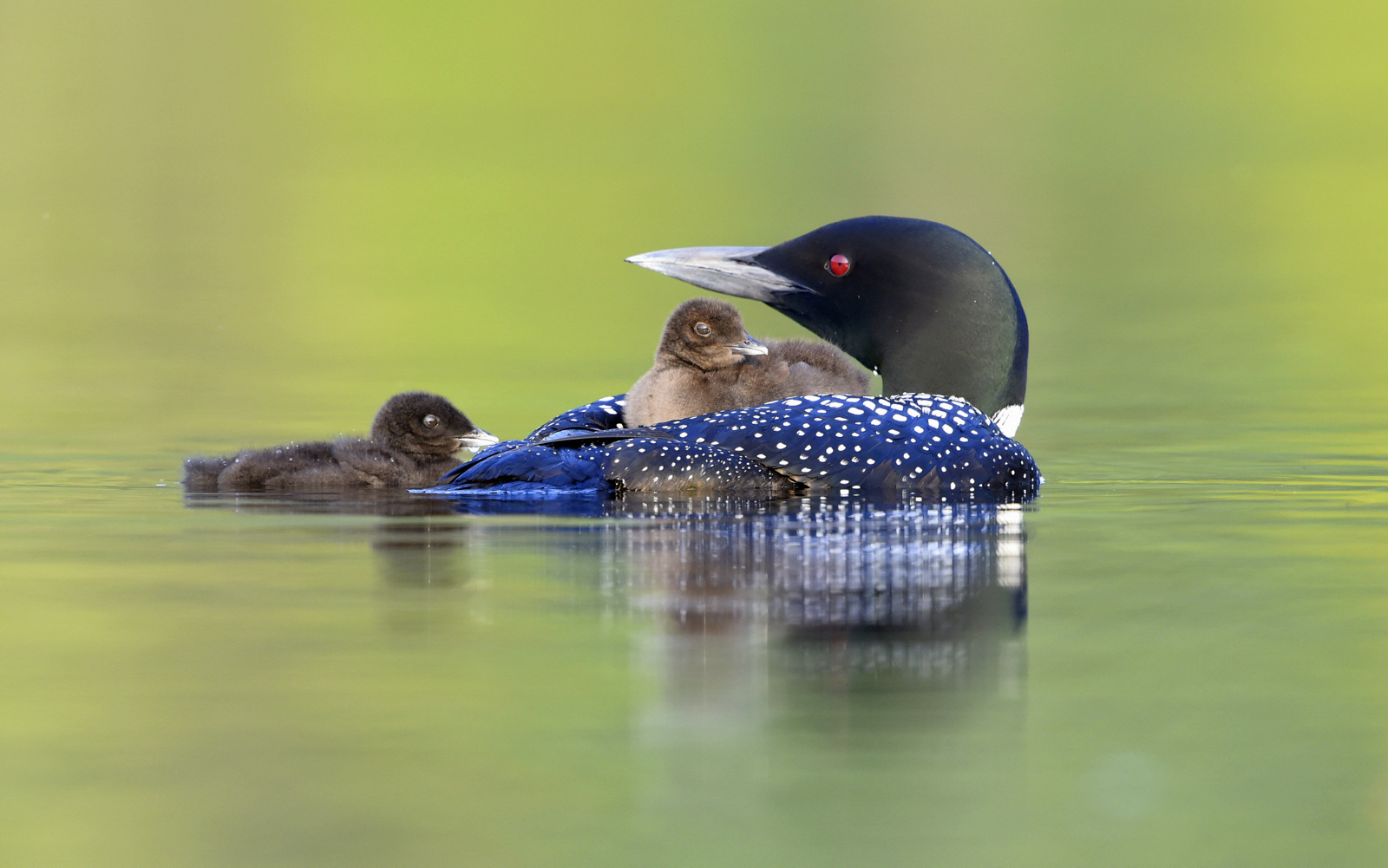
Loon, Vermont (7317)#3  Loon Chicks

2015 was the year of the Loon for me.  After 4 years of trying I finally managed to get some very nice images of loon chicks riding on the adult’s back.  The series of shots I got this year is definitely my best accomplishment of the year. (I still need to get these images on my website…)


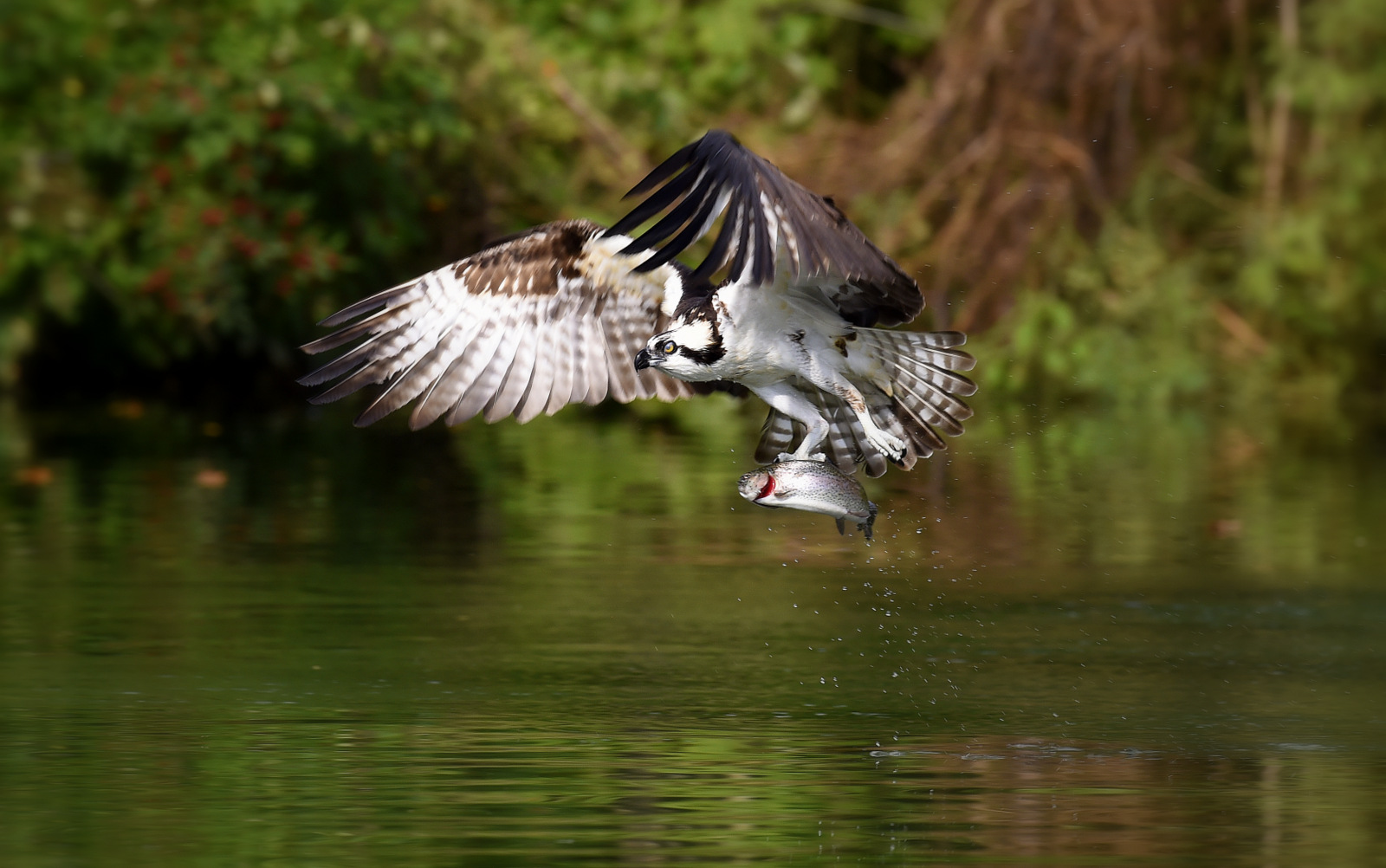
Osprey, Vermont (9084)#4  Osprey

I have never had much opportunity to photograph osprey diving for fish.  This year I found an osprey family that lived near a fish hatchery and I was rewarded with a few new images to add to my portfolio.


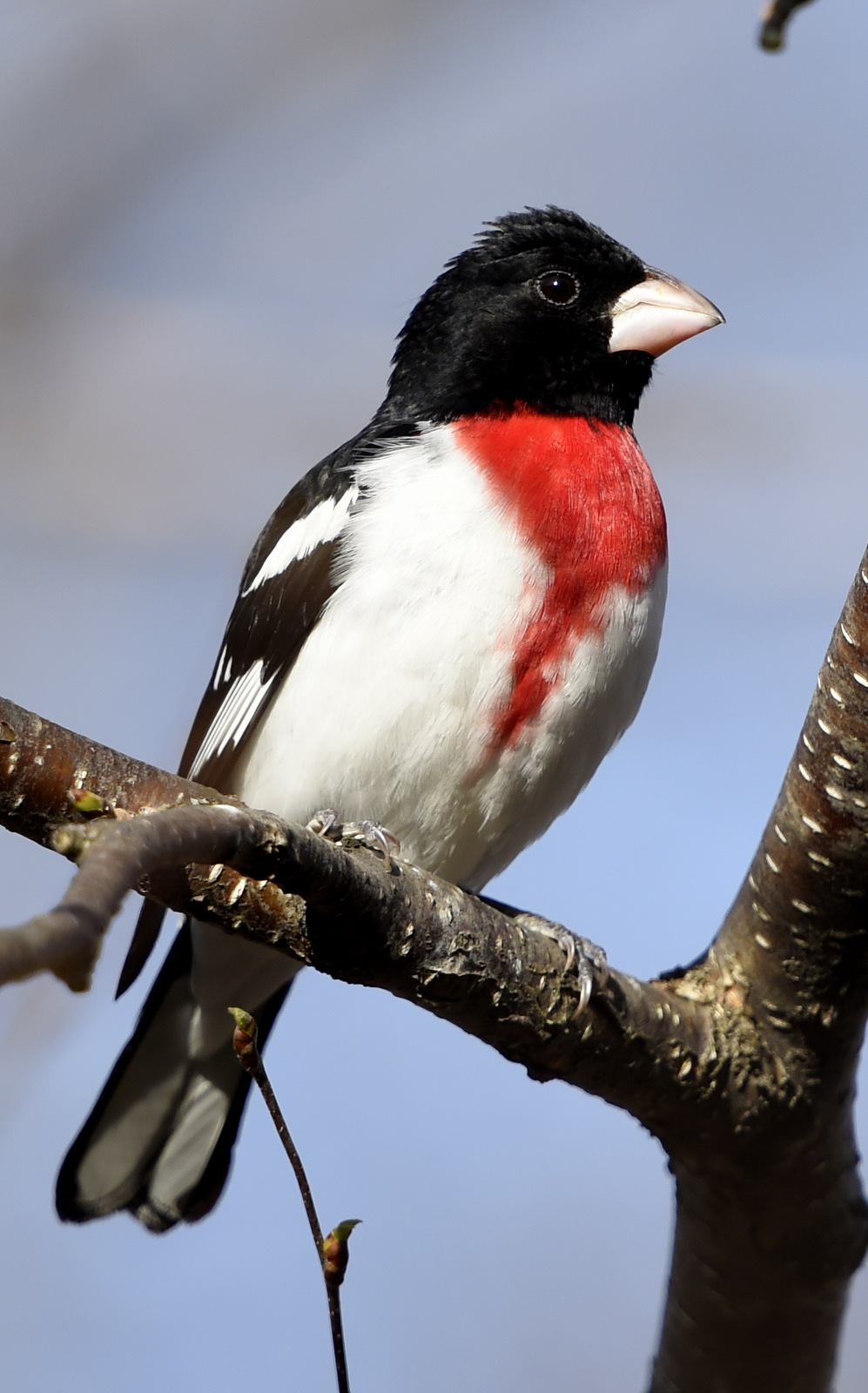
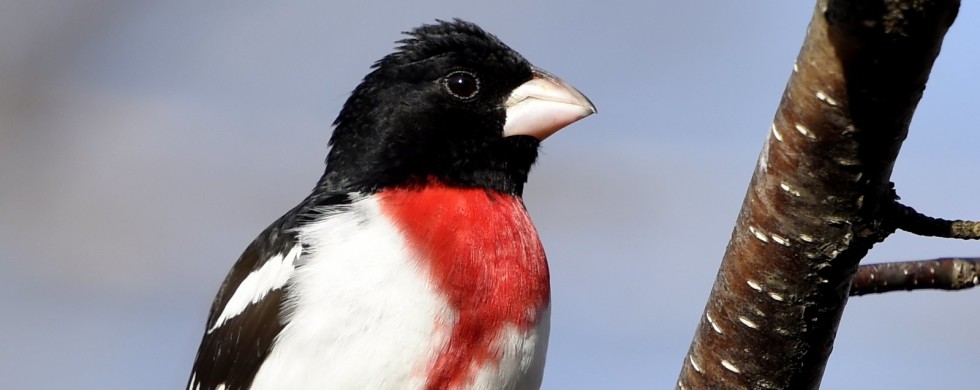
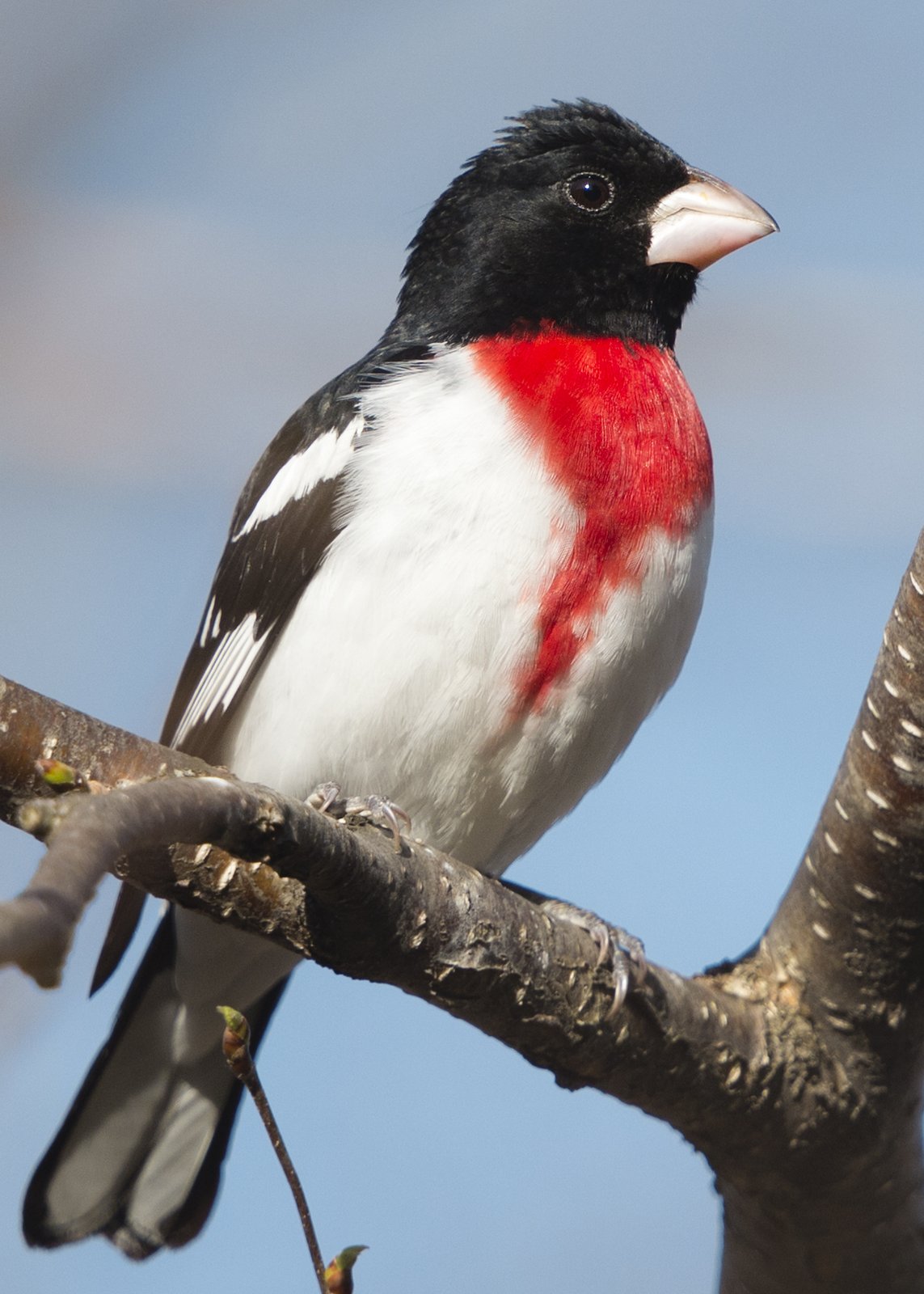
Rose-breasted Grosbeak, Vermont (3197)#5 Rose-breasted Grosbeak

I had never seen this stunning bird until we moved to Vermont.  I also never had much luck in getting an image that came close to conveying how beautiful these birds are.  This year my luck improved.


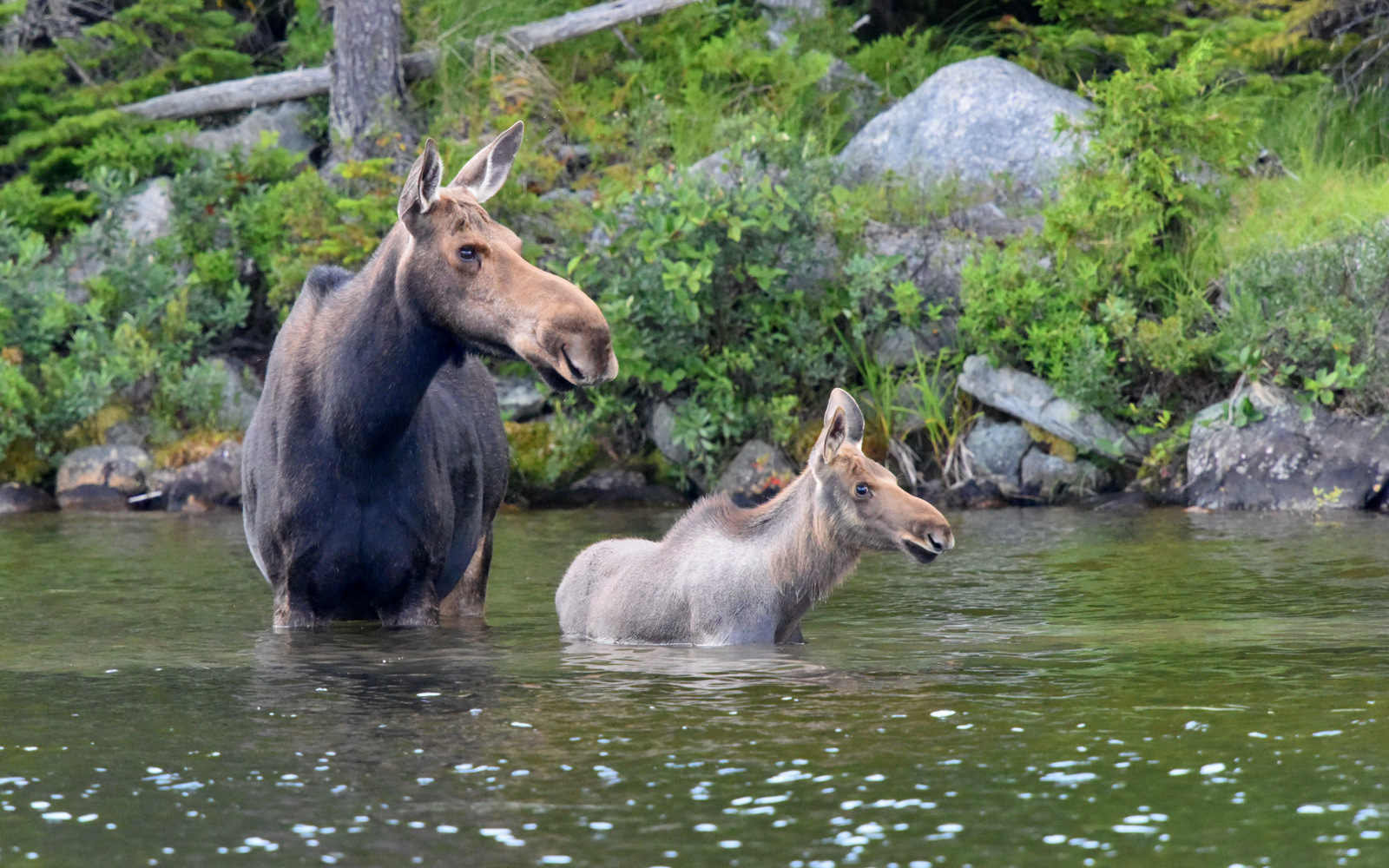
Moose, Maine (1672)#6  Moose and calf

This year I finally got my first decent image of a calf moose with mom.


My final 4 shots are from a trip to Florida that I took in December.  (I just got back a few days ago)


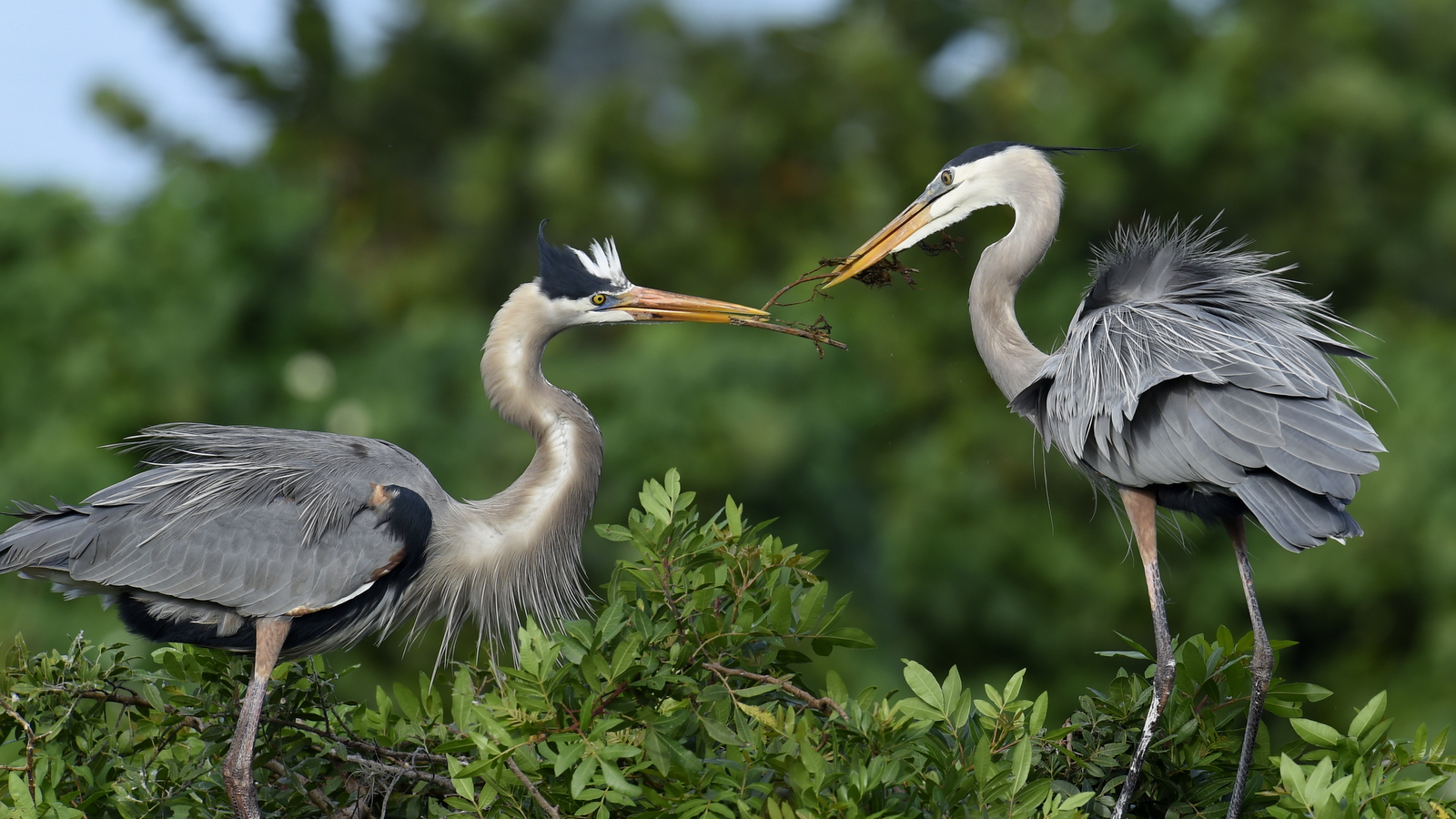
Blue Heron, Venice Rookery, Florida (2681)#7  Heron Love

I was able to capture a nice collection of behavior shots of Blue Herons at a rookery in Venice, Florida.  This couple displayed a fascinating range of courting rituals.  Here we can see the male giving a stick as a gift to his partner.  She will then add it to the nest that they were building for their new family.


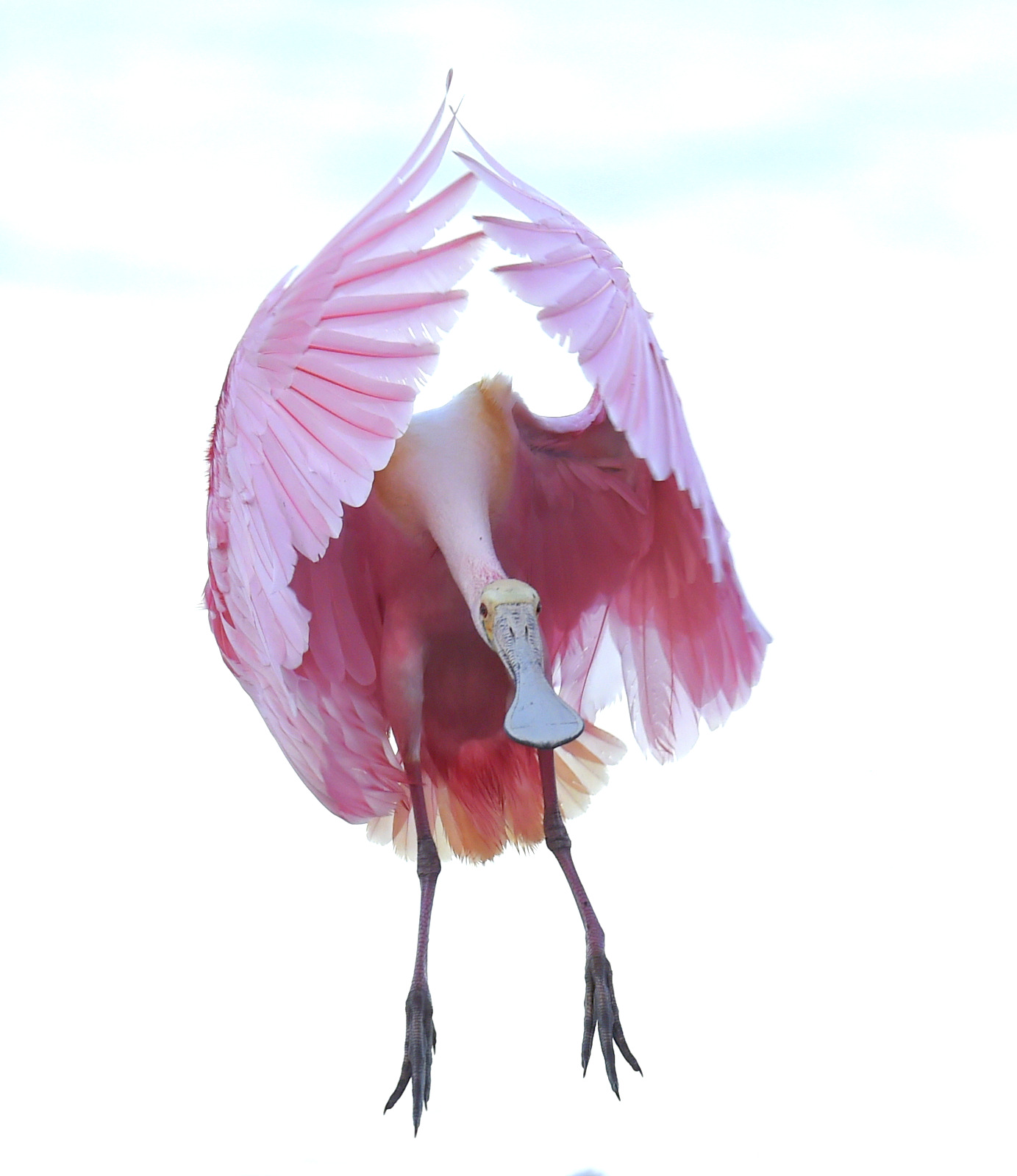
Roseate Spoonbill, Ding Darling NWR, (4854)

#8  Roseate Spoonbill

I love this shot of a Roseate Spoonbill in flight.


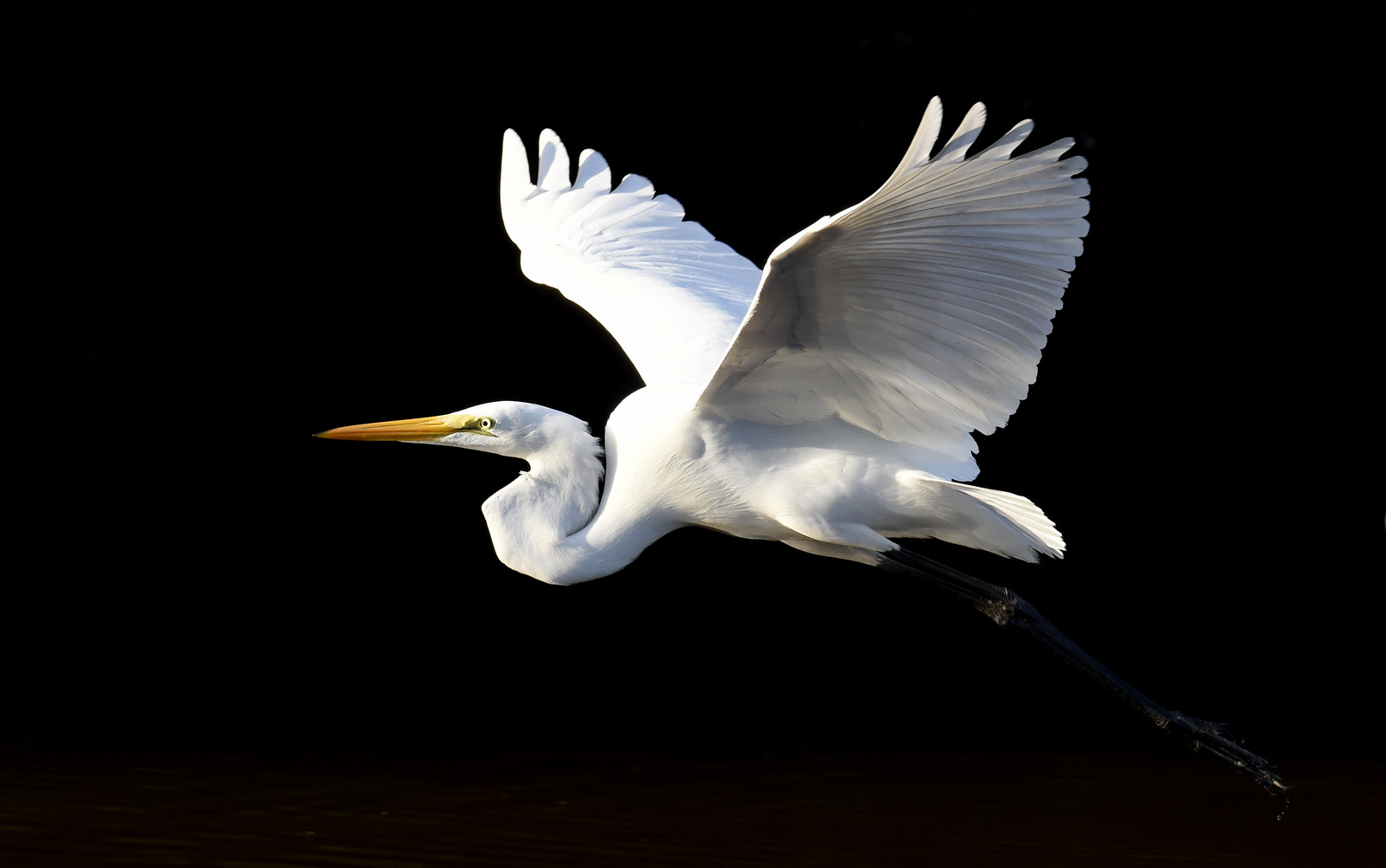
Great Heron, Ding Darling NWR (8601)#9  Great Heron

I have always admired images like this where the background is all blacked out.  I was able to experiment with this technique on the recent trip and I was pleased with a few of the images.


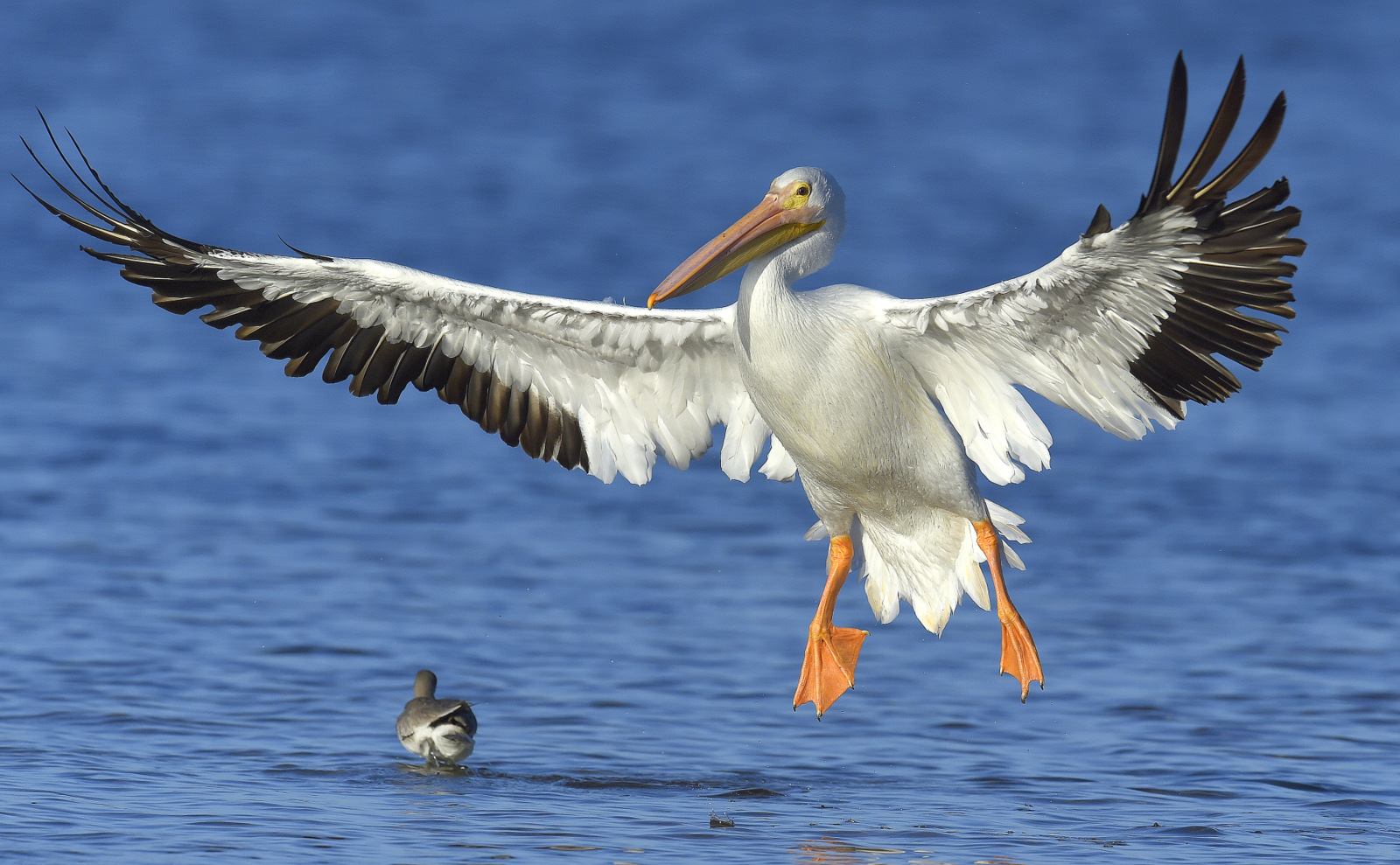
White Pelican, Ding Darling NWR (5446)#10  Pelican Landing

This lighting on this pelican is exquisite! The colors blow me away.  Love it!


Bonus item for those making it to the end of this post:

#11  Moose Trip Video

This year I made my first video…not professional by any means but I think it does a good job of giving a sense of what it was like trying to photograph moose in Maine from a canoe.


Have a great 2016!

Burrowing Awwwwl…

Shot of the Month – December 2015

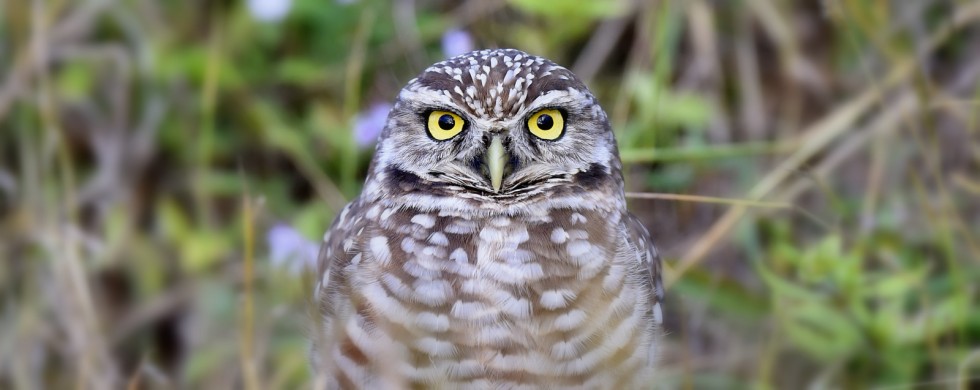
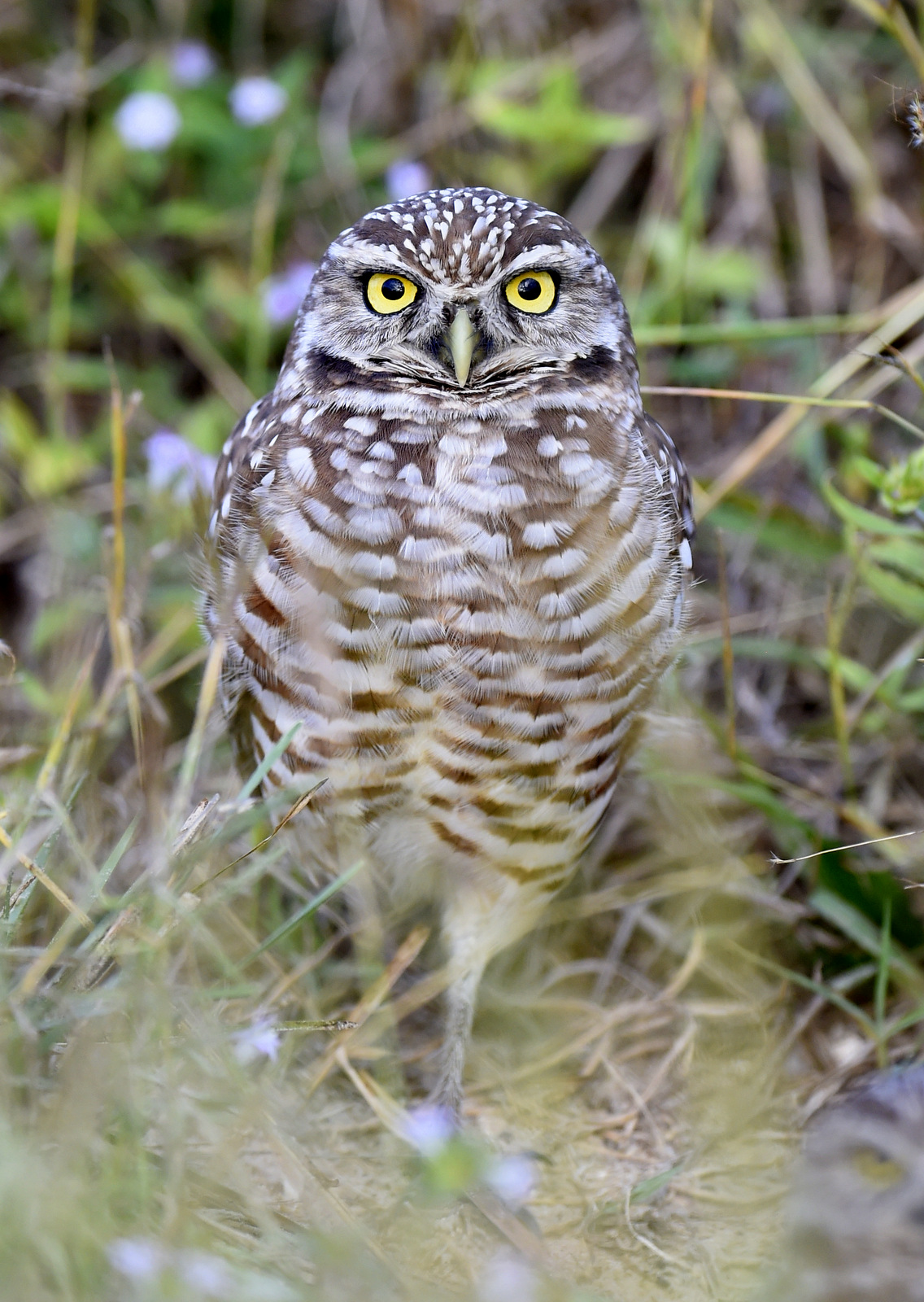
Burrowing Owl, Cape Coral, FL-USA (8025)Ok, their official name is Burrowing Owl (BO) but my title better captures how most people react to this pint-size beauty.  I posted this image on my Facebook Photopage and the reaction was off the charts even though the photo is really just so-so in my opinion. That damn grass in the foreground!

Here we have a static bird staring at the lens in “just ok” light — but here is an example where excessive cuteness (owfully cute?) wins out over composition.  And those EYES…I could get lost in there for days…..swoon…

While most birds spend most of their time in the trees, these owls, as you may have gleaned from their name, actually spend the majority of their time on the ground and live underground in, yep you guessed it, burrows.

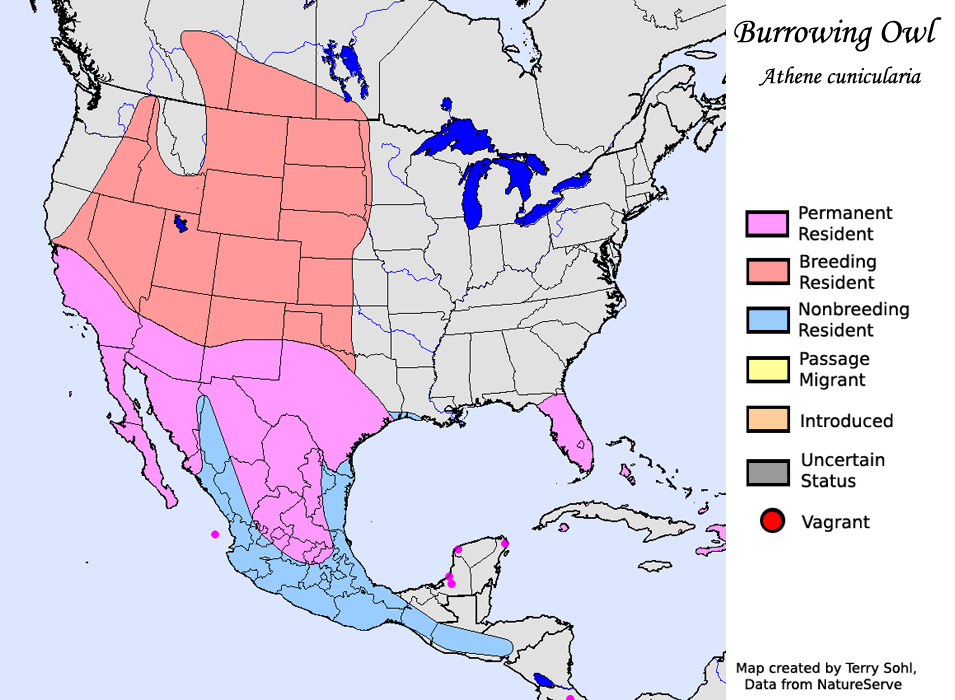
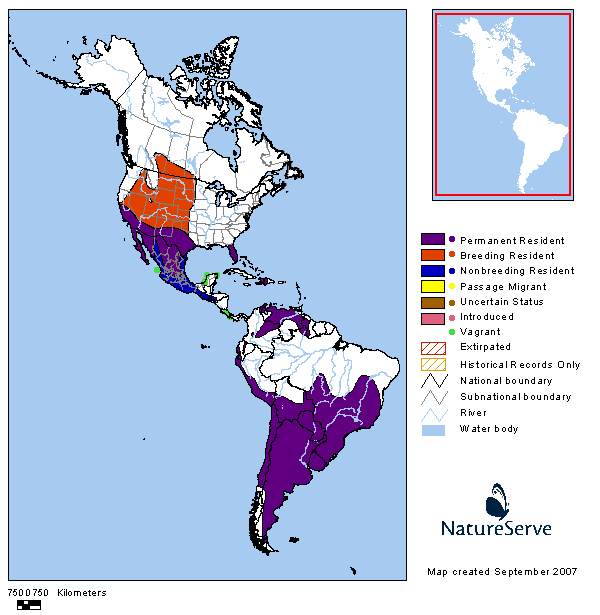
In the US, Florida is the only east coast location to see a Burrowing Owl.  Otherwise, head west or south, and depending on the time of year, you can find them in Canada down through Mexico into Central America. Some species can also be found on various Caribbean Islands and others in parts of South America.

Historically BO’s prefer open prairies and cleared areas with short grass. In modern times they can be also found in pastures, farm fields, golf courses, airports, and vacant lots in residential areas.  I actually photographed this fella in an empty lot in the suburbs of Cape Coral, Florida.

Florida BOs usually dig their own burrows, but those in the western part of the US typically use old burrows left by prairie dogs, ground squirrels, kangaroo rats, armadillos, or other animals.  Burrows excavated by the owls may be up to 6-10′ long, with a nest chamber at the end.

burrowing_owl_map_big

Burrowing Owl Range (Source)

Burrowing Owls are some of the smallest owls in North America.  These guys stand about 7-11 inches tall and weigh about 4-8 ounces.  To give you a sense of scale, the BO is slightly larger than an American Robin!

Despite their small size these guys seem to have a Big sense of humor — did you notice the bird in the lower right corner of the picture?

Boom!  Photobombed, baby!

Until next month….michael


GetImage

Extended Range of Burrowing Owl (Source)

Nikon D4S, 600mm, f/4, 1/1000 sec, 1400 ISO, +1 EV

Crazy like a Kumiho

Shot of the Month – November 2015

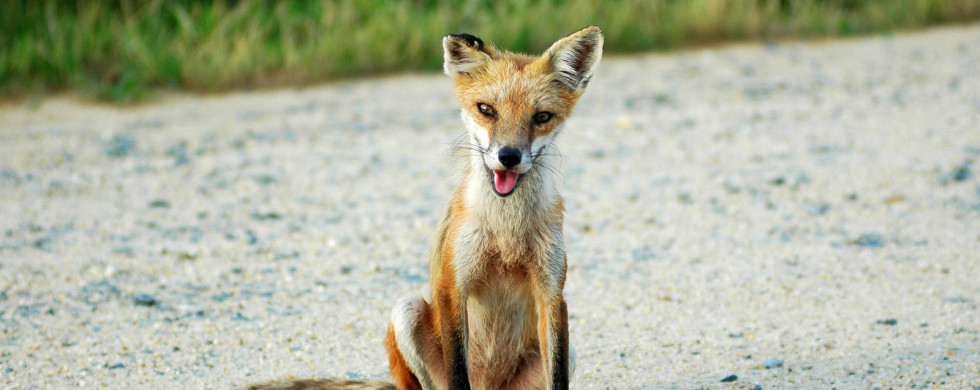
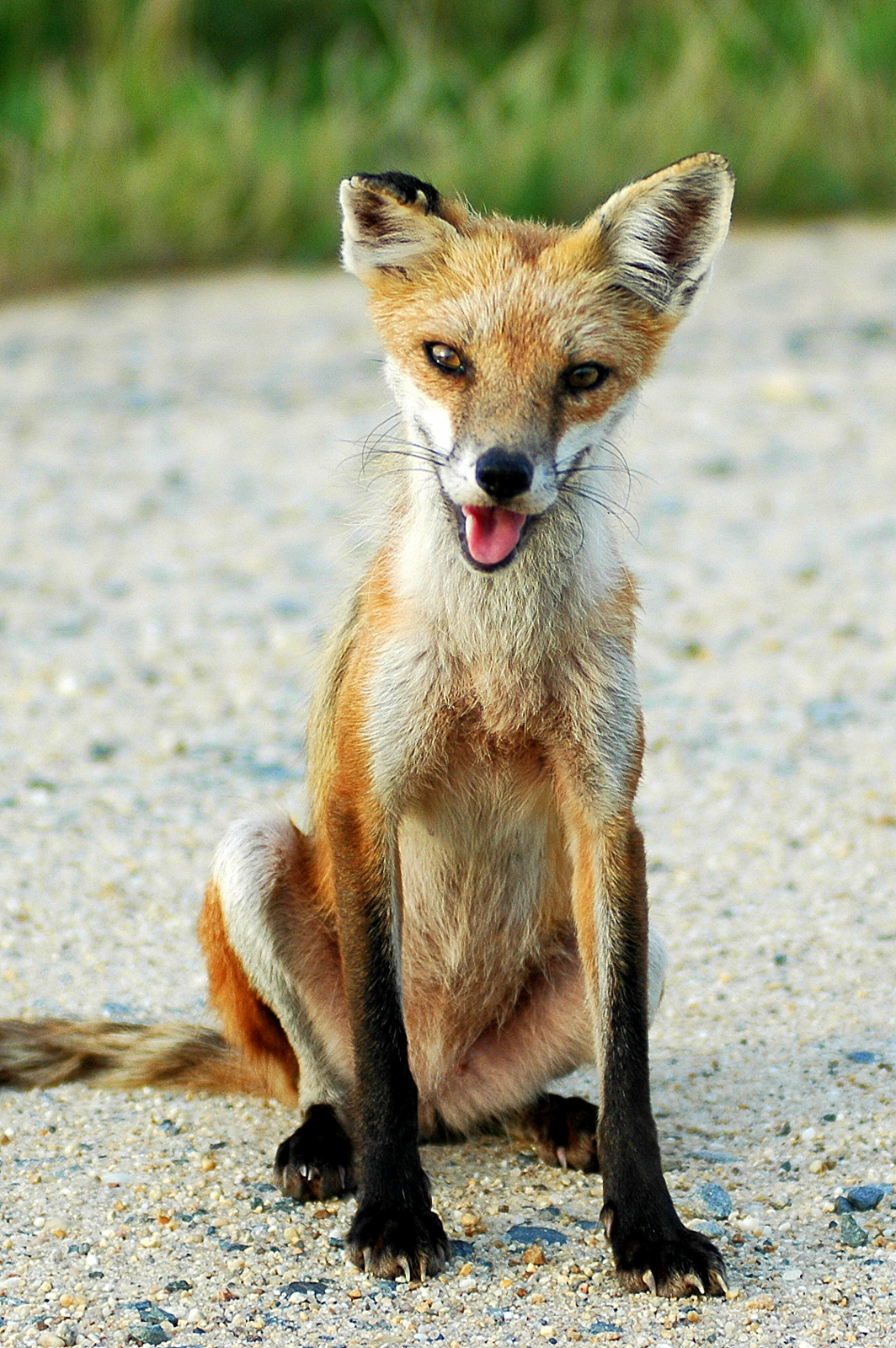
Red Fox, Bombay Hook NWR, Delaware (6525)Could this be a wanted poster for one of nature’s craftier criminals?  Or just a cute poster of a cuddly critter?

Just like a canine Jesse James, there is no shortage of tall tales that cast the fox’s character across the spectrum from saint to sinner and everything in between.

Regardless of your particular point of view, there is no disputing that humans are fascinated by this little fellow and use him as a foil for human fortitude and frailty alike.

Foxes got their first documented curtain call in 4 BC in Aesop’s fables in The Fox and the Grapes.  Greek mythology engaged the Teumessian fox to devour children, and foxes appear in Celtic mythology as shapeshifters.

In Chinese, Japanese, and Korean (Kumiho) folklore foxes are powerful spirits that are known for their highly mischievous and cunning nature, often taking the form of female humans to seduce men.

In Arab folklore, the fox is weak and deceitful.  In the Bible, the word “fox” is applied to false prophets (Ezekiel 13:4) and the hypocrisy of Herod Antipas (Luke 13:32).  Foxes are very popular in Native American mythology and can be found in Achomawi, Yurok tribe, Inuit, and Menominee folk stories (But, you knew that…)


Our lexicon is riddled with foxy lingo.

  • “fox/foxxy” = slang for someone with sex appeal
  • “outfox” = means to beat in a competition of wits
  • “vixen” =  a female fox is called a vixen, it is also used to describe an attractive woman, though implies some questionable character traits…
  • “shenanigan” = (as in deceitful confidence trick, or mischief) is derived from the Irish expression sionnachuighim, meaning “I play the fox”

In World War II, Erwin Rommel, the German commander in North Africa, was called the “Desert Fox” by his British adversaries, as a tribute to his operational cunning and skill.

I could go on and on.  Foxes can be found on every continent except Antarctica and basically, just about every culture has assigned the fox archetype traits or powers.  Foxes can be found in plays, novels, children’s books, TV shows, video games, movies, anime, music (Foxy Lady), opera, and well, just about everywhere.  Go here to see an amazingly long and comprehensive list of all the cultural references through the ages.

Ahh, the crafty fox, the Dr. Who of the natural world….he is the lingua franca across countries, culture, time and space.  And very cute.


Nikon D70, Nikkor 80-200 f/2.8 (@ 80mm), 1/1000s, ISO 200


Blushed with Praise!

Shot of the Month – October 2015

Rose-breasted Grosbeak, Vermont (3197)As you can see, the Rose-breasted Grosbeak (RBG) is a striking-looking fellow. And not only is he good-looking,  this guy has a lovely voice.  His double threat traits strike a chord with the ornithological crowd and stir flight of fancy and poetic prose.

A few of my favorite turns of phrase:

“Bursting with black, white, and rose-red, male Rose-breasted Grosbeaks are like an exclamation mark in your binoculars.” (source)

Nicely done, sir.  I love that visual.

Another, albeit a bit more gruesome nickname is “cut-throat.”  I find that visual much less pleasing, though one can’t argue with the logic.

And for the bird’s lovely song?  A couple of early twentieth-century naturalists said it is

“…so entrancingly beautiful that words cannot describe it….it has been compared to the finest efforts of the Robin and…the Scarlet Tanager, but it is far superior to either.”

Ouch, it seems that the robin and scarlet tanager will not be going to the next round of the competition.

Even the Cornell Lab of Ornithology (home of smarty-pants-bird geeks) was getting all artsy-like in its description of the RBG’s lovely fine voice:

“They sound like American Robins, but listen for an extra sweetness, as if the bird had operatic training…”

Operatic training? Oh, so high brow of them…


Here you can hear his lovely call in action:

If you want to catch this lovely star in action your best chance is to visit northeastern forests in the US and Canada during the spring and summer; the cut-throats spend the winter in Central and South America.

Ahh, the life of a celebrity…..until next month.  🙂


Nikon D4S, Nikon 600mm f/4 (@f/5.6), 1.4x TC, 1/2000 sec, ISO 800,