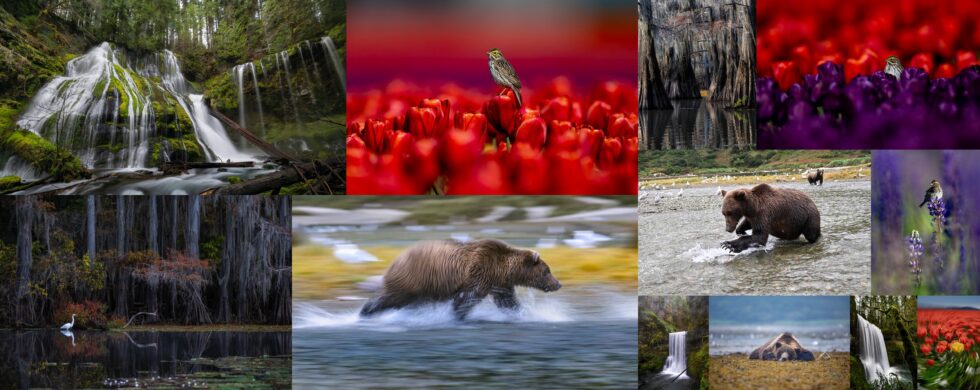
2025 Favorites

Favorite Images – 2025 Edition

One final look back at 2025 before we go barreling ahead into 2026 with hope and vigor.  Let’s visit with some of my favorite images that I captured over the last 12 months.  The list is in chronological order.

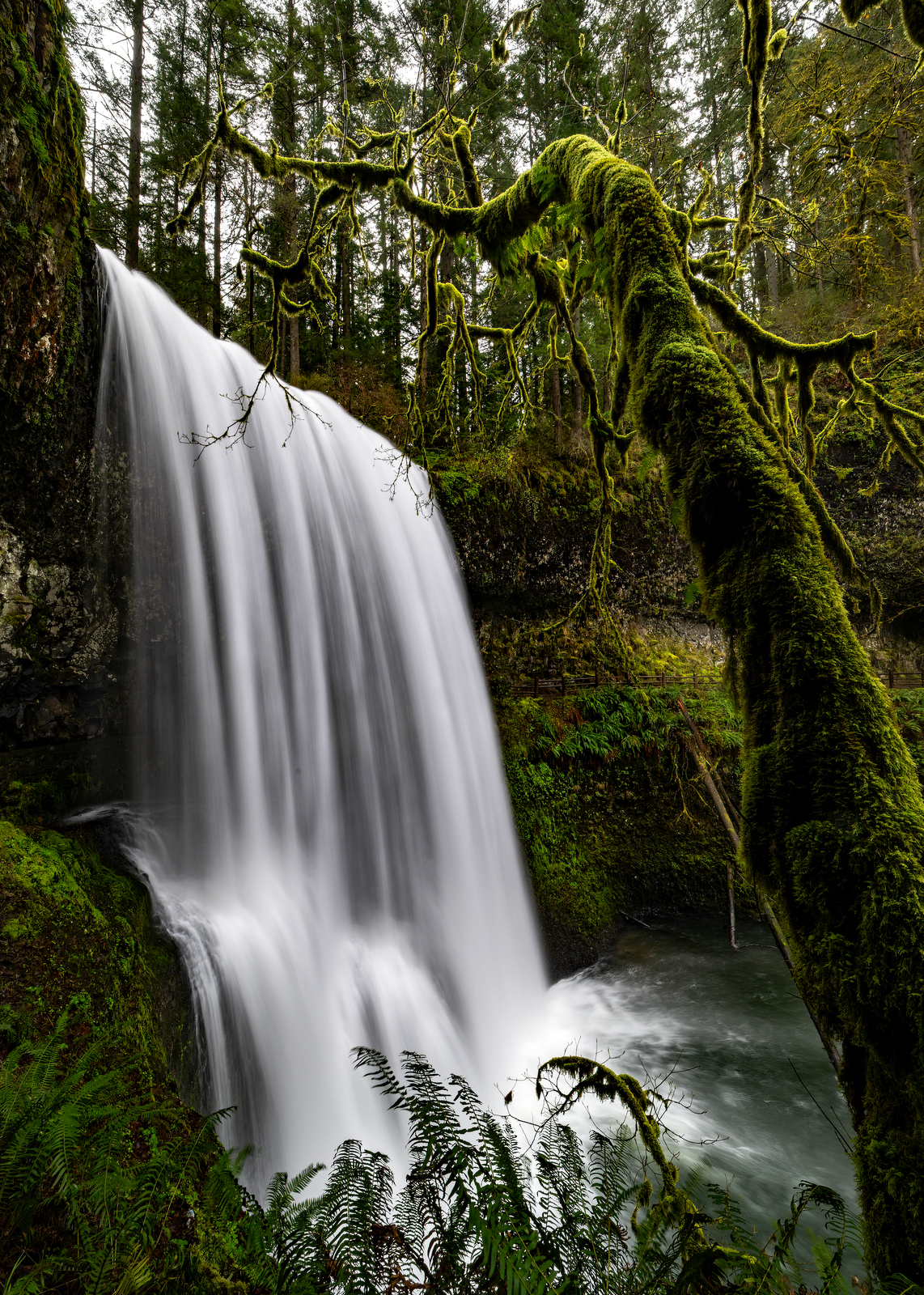
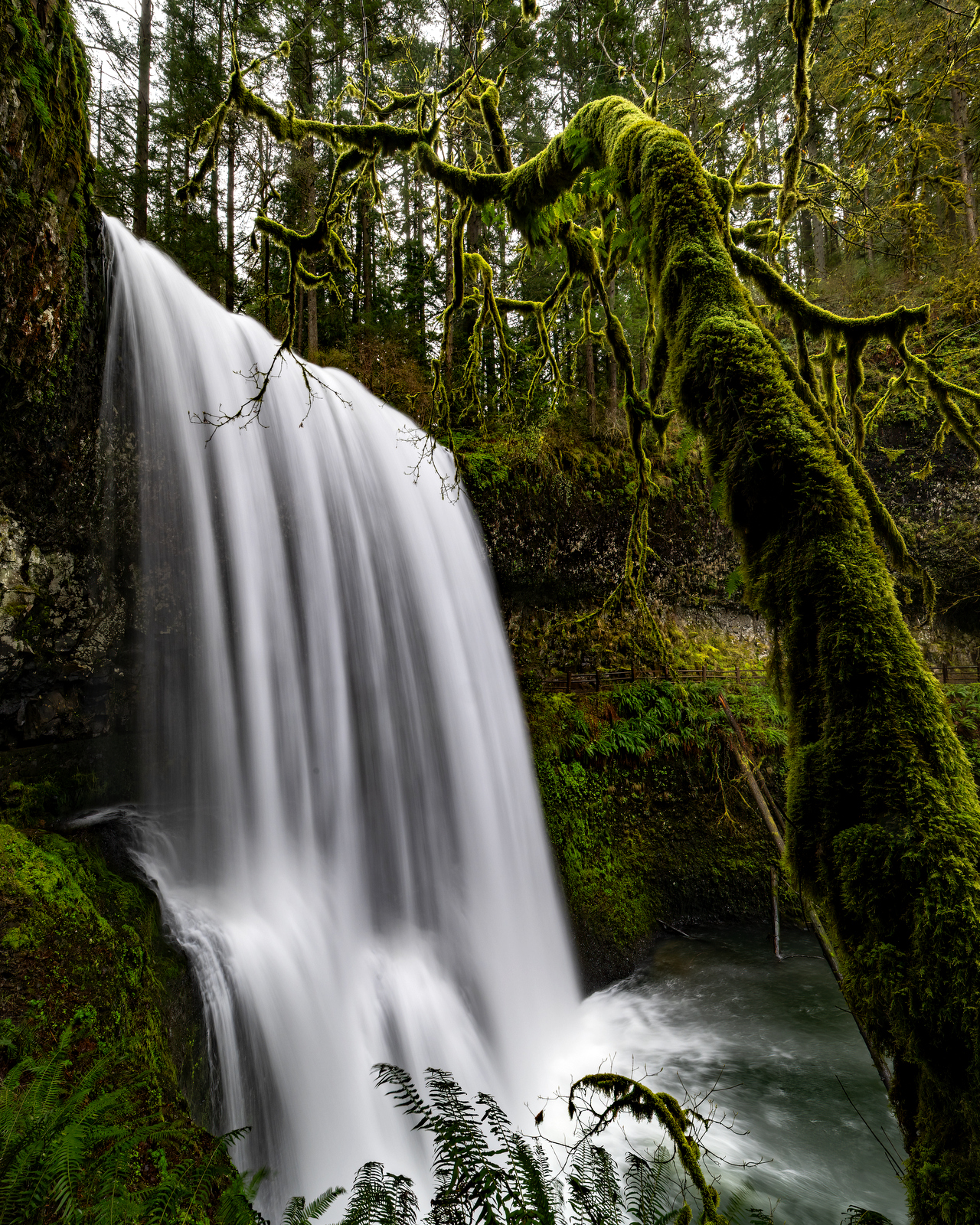
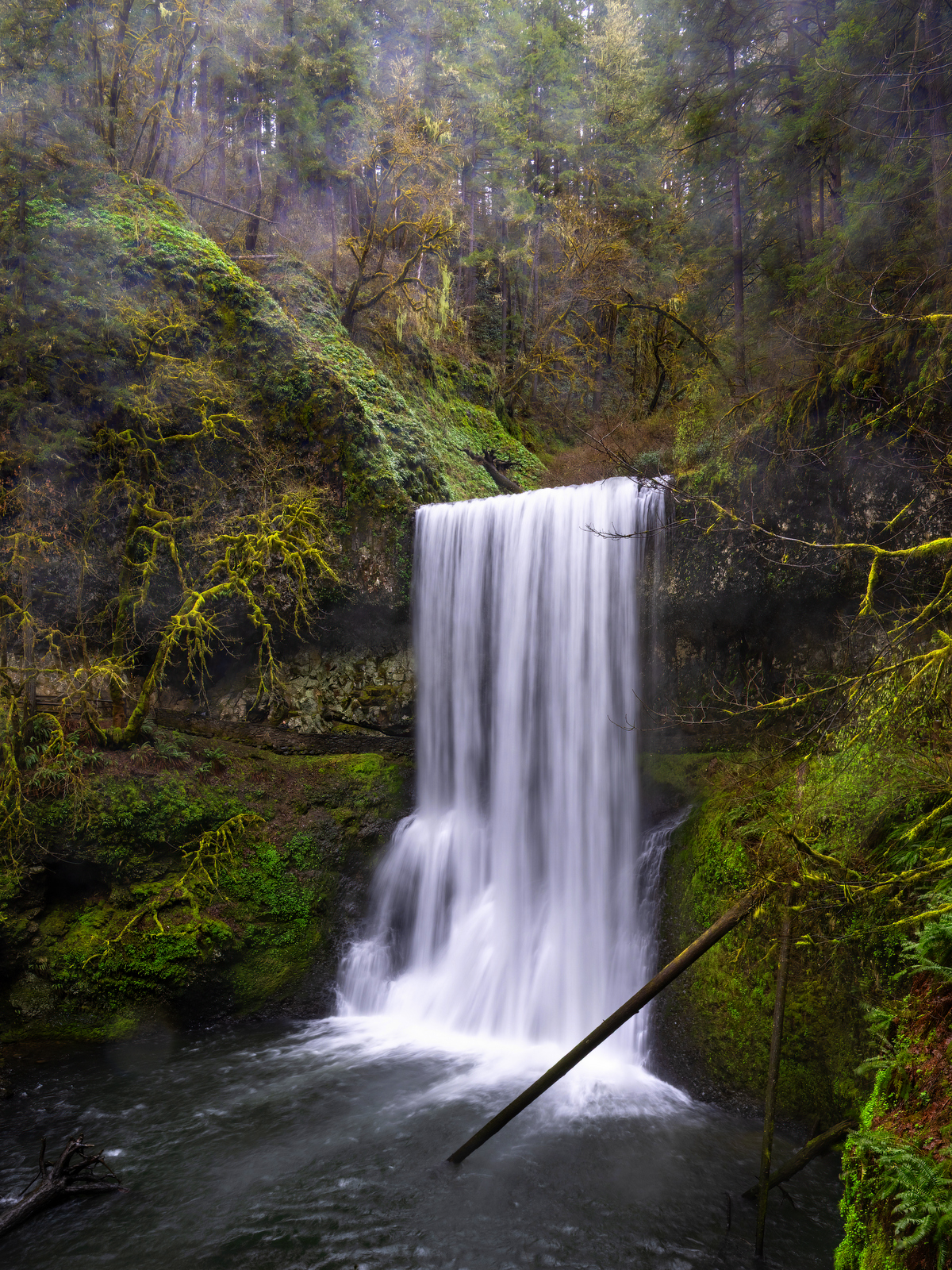
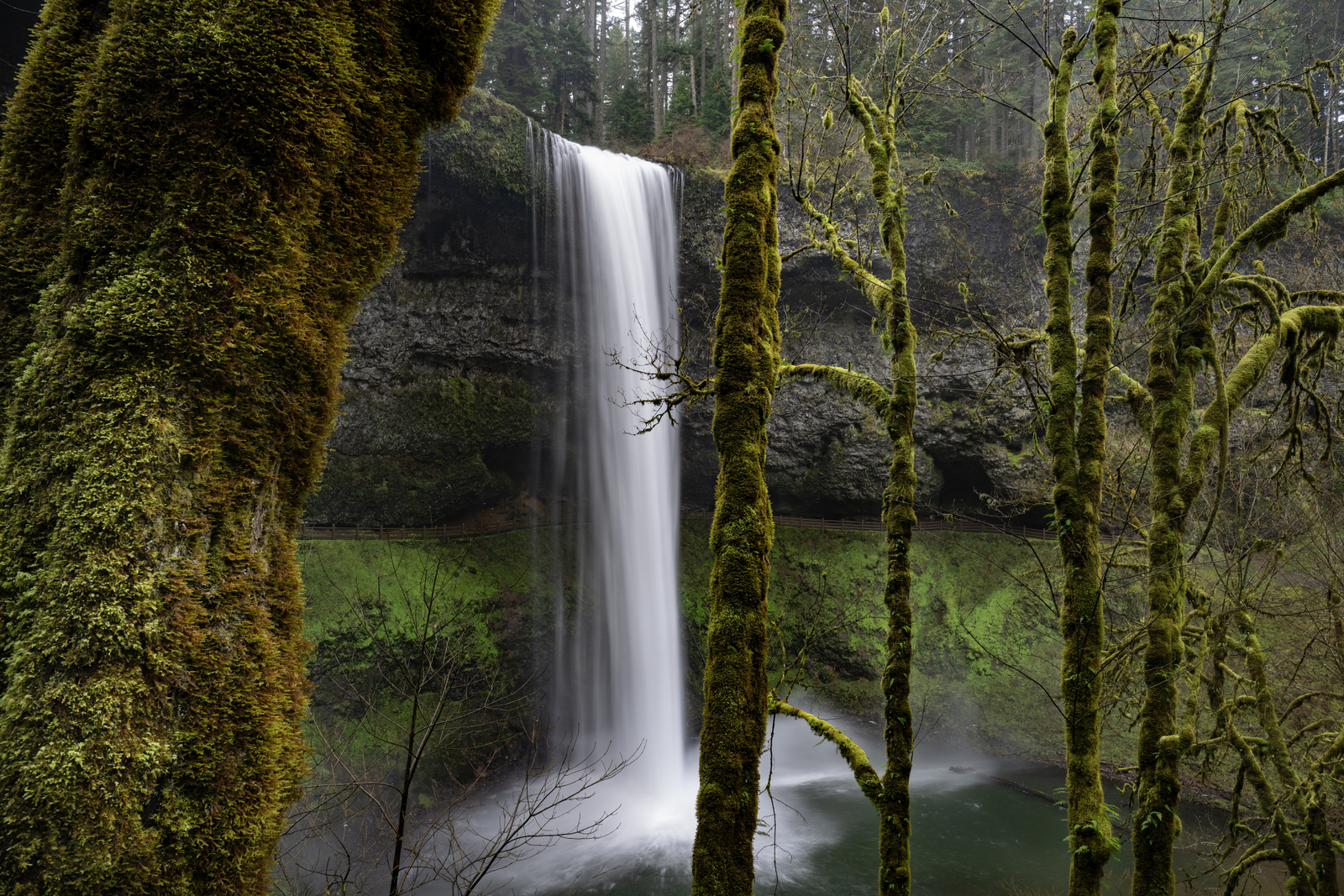
In March, I visited Silver Falls State Park in Oregon to wander among the 10 waterfalls found there.  I had particularly good luck with Lower South Falls.  There are two good vantage points to admire this waterfall:

1. Lower South Falls (v1)
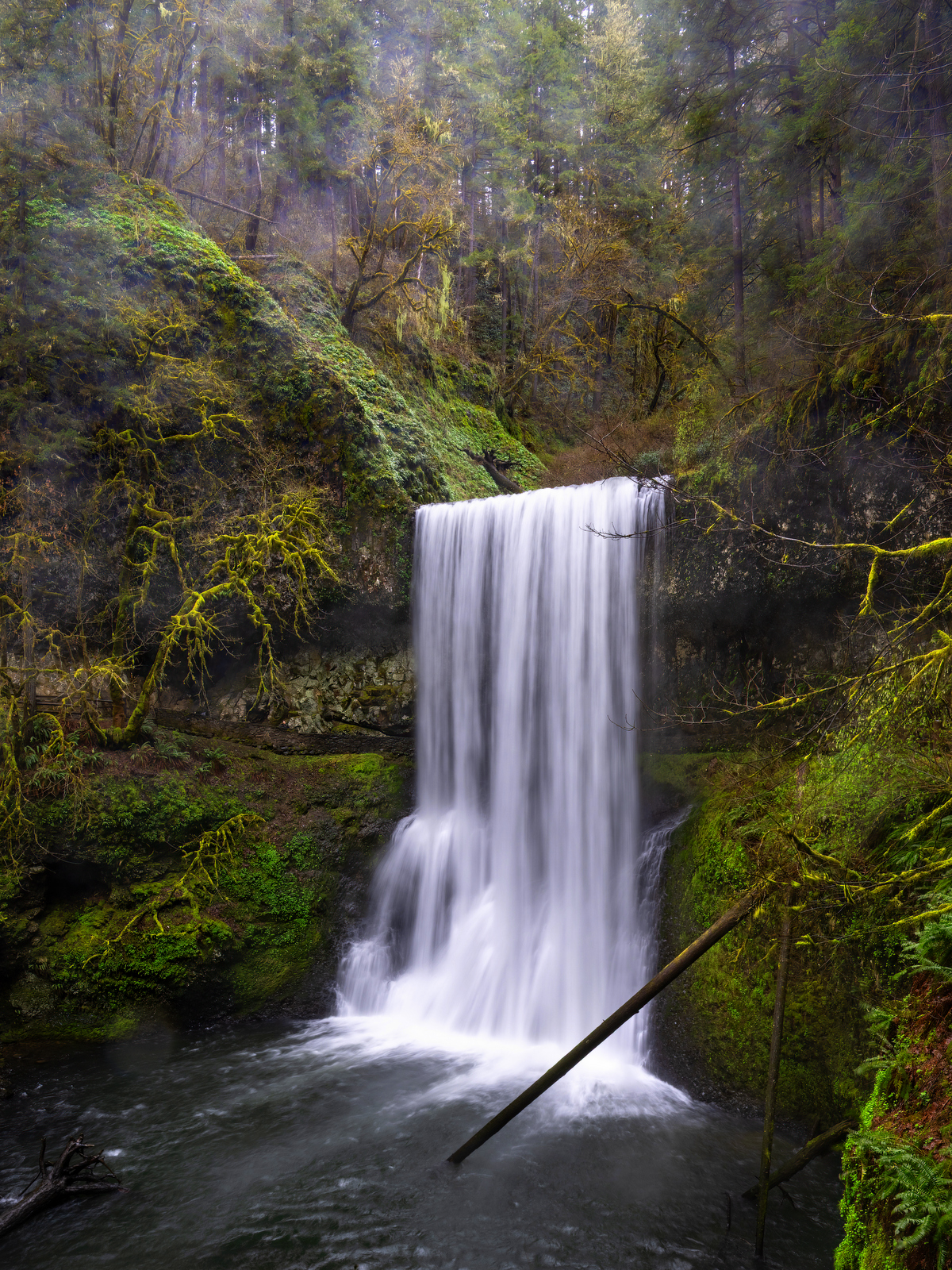
Lower South Falls(6653), Silver Falls State Park, Oregon

2.  Lower South Falls (v2)

Lower South Falls(6694), Silver Falls State Park, Oregon

Click here to read more about those adventures.

Just a month later (April), I spent several days exploring waterfalls in Southern Washington and a few more located just over the border in Oregon (Columbia River Gorge).  On this trip, I discovered the stunningly beautiful Panther Creek Falls in the Gifford Pinchot National Forest, as shown below.

3.  Panther Creek Falls
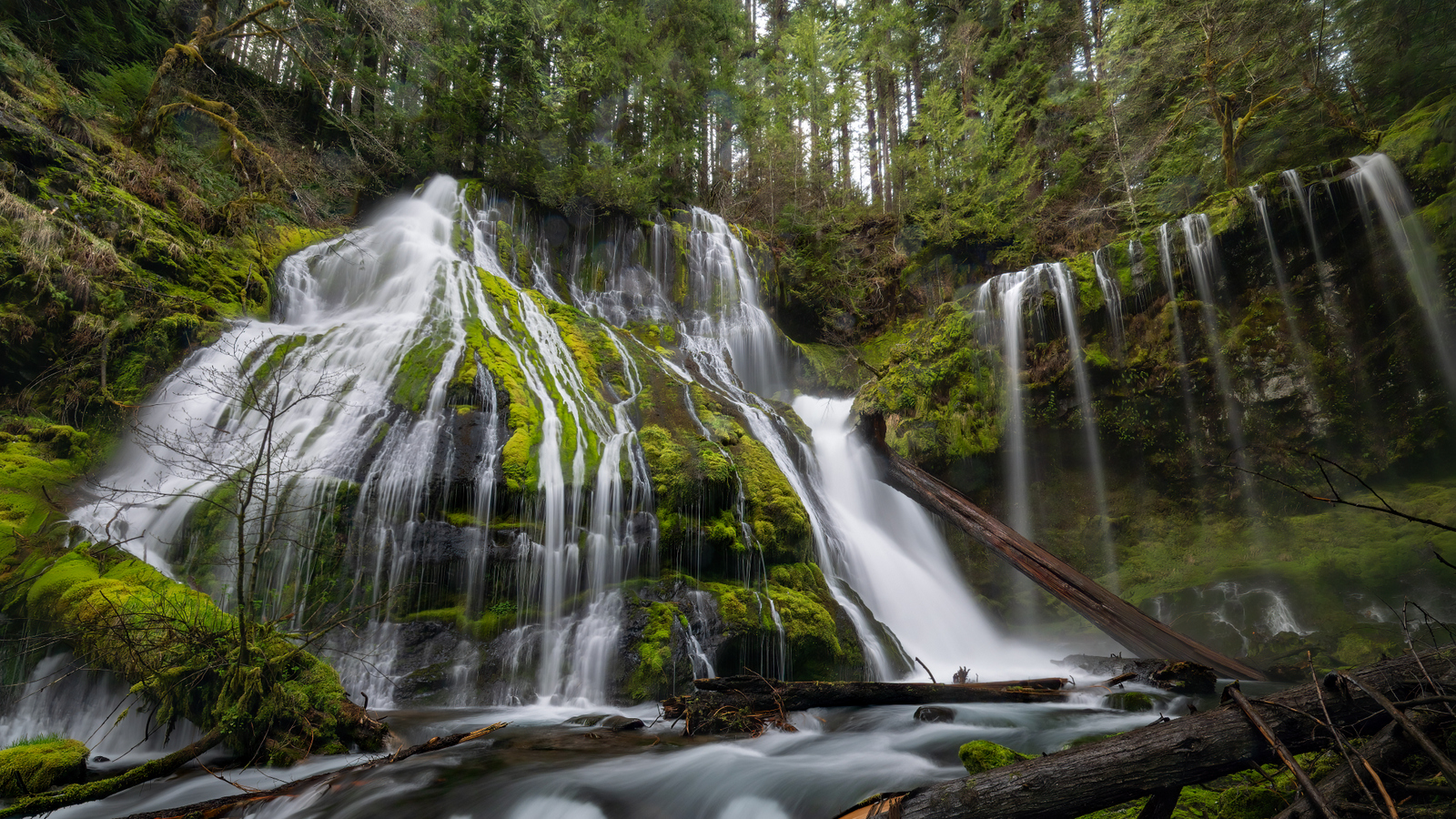
Panther Creek Falls, Washington (7556)

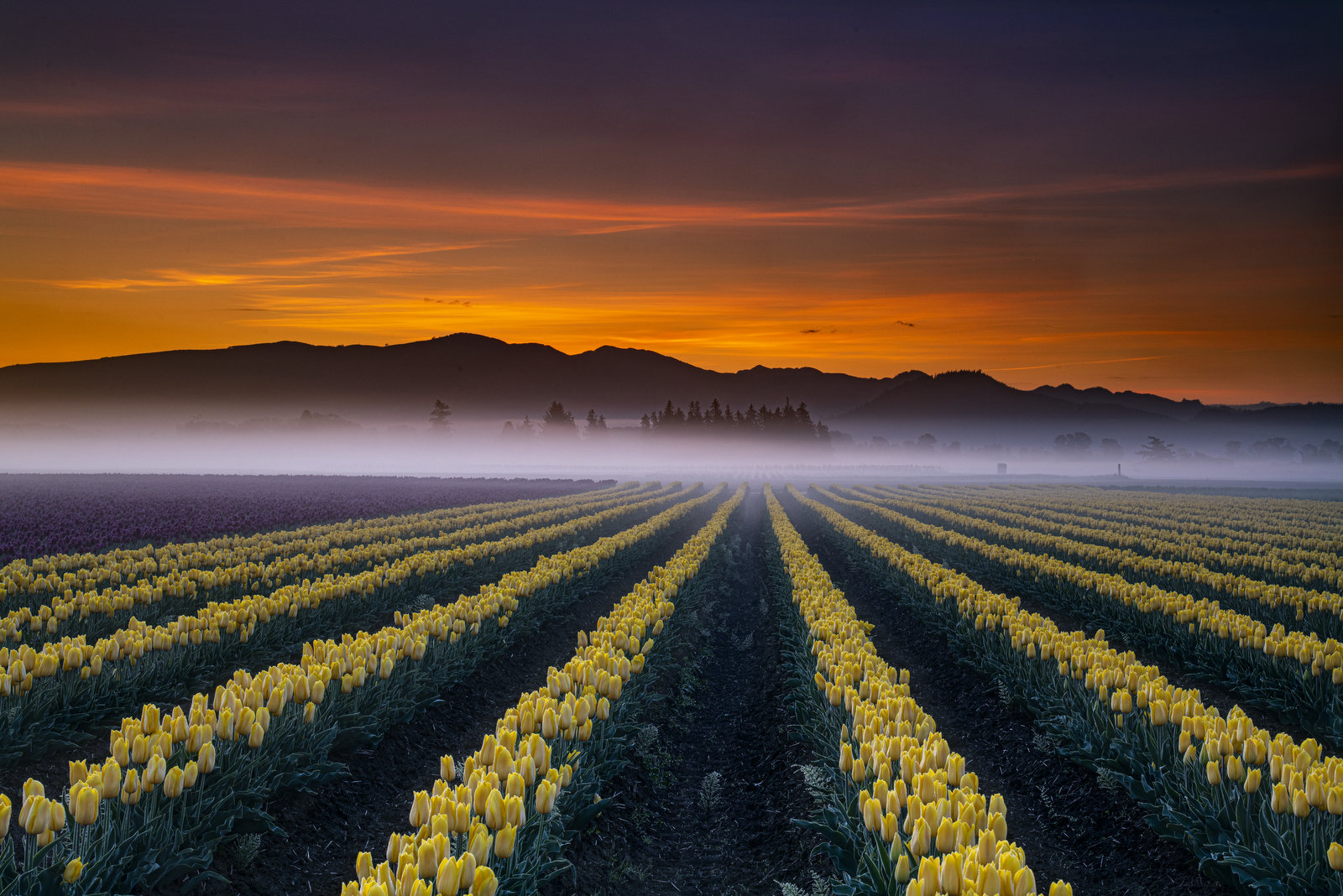
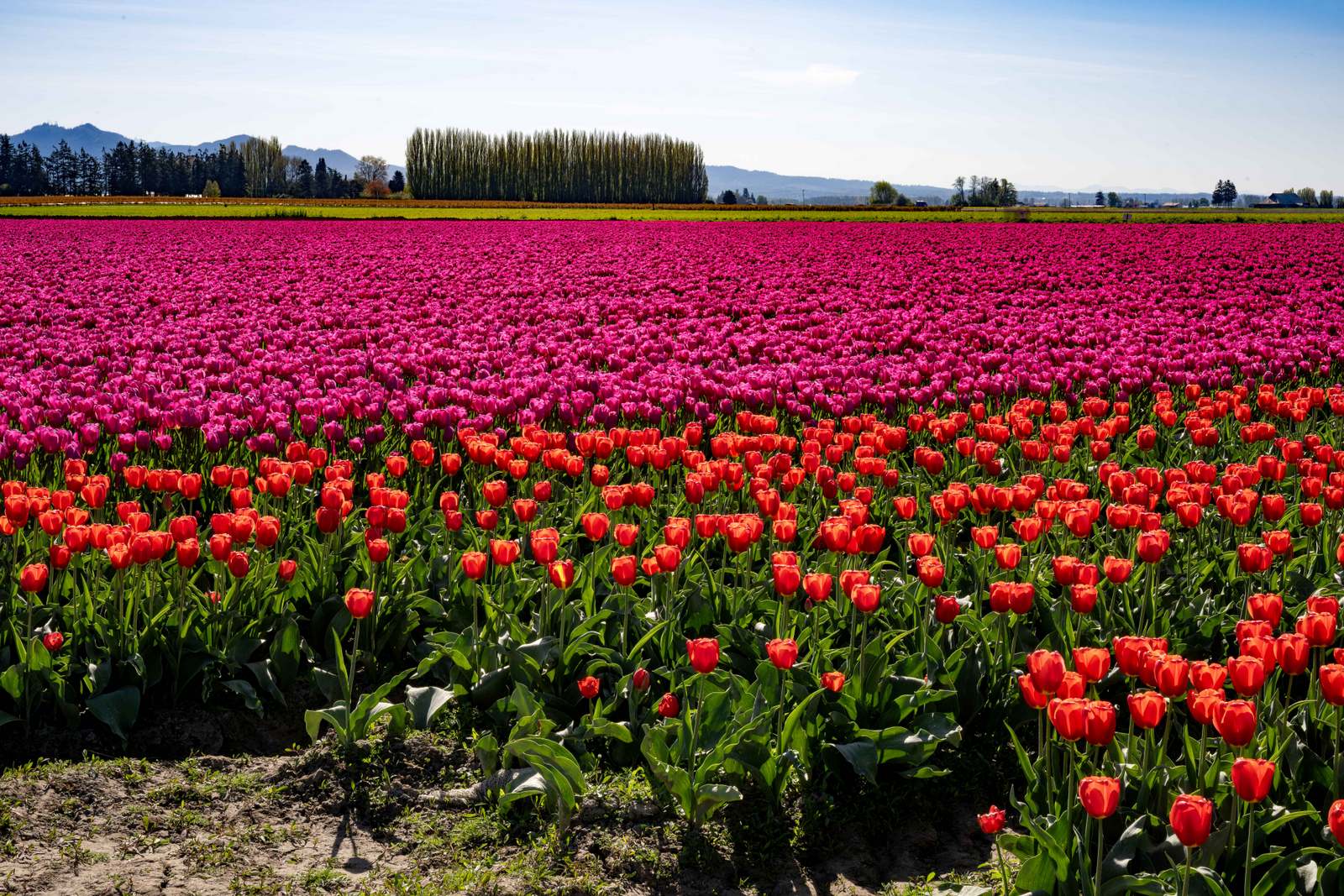
Later in April, I visited tulip fields in Skagit County (Washington) for a completely different color palette:

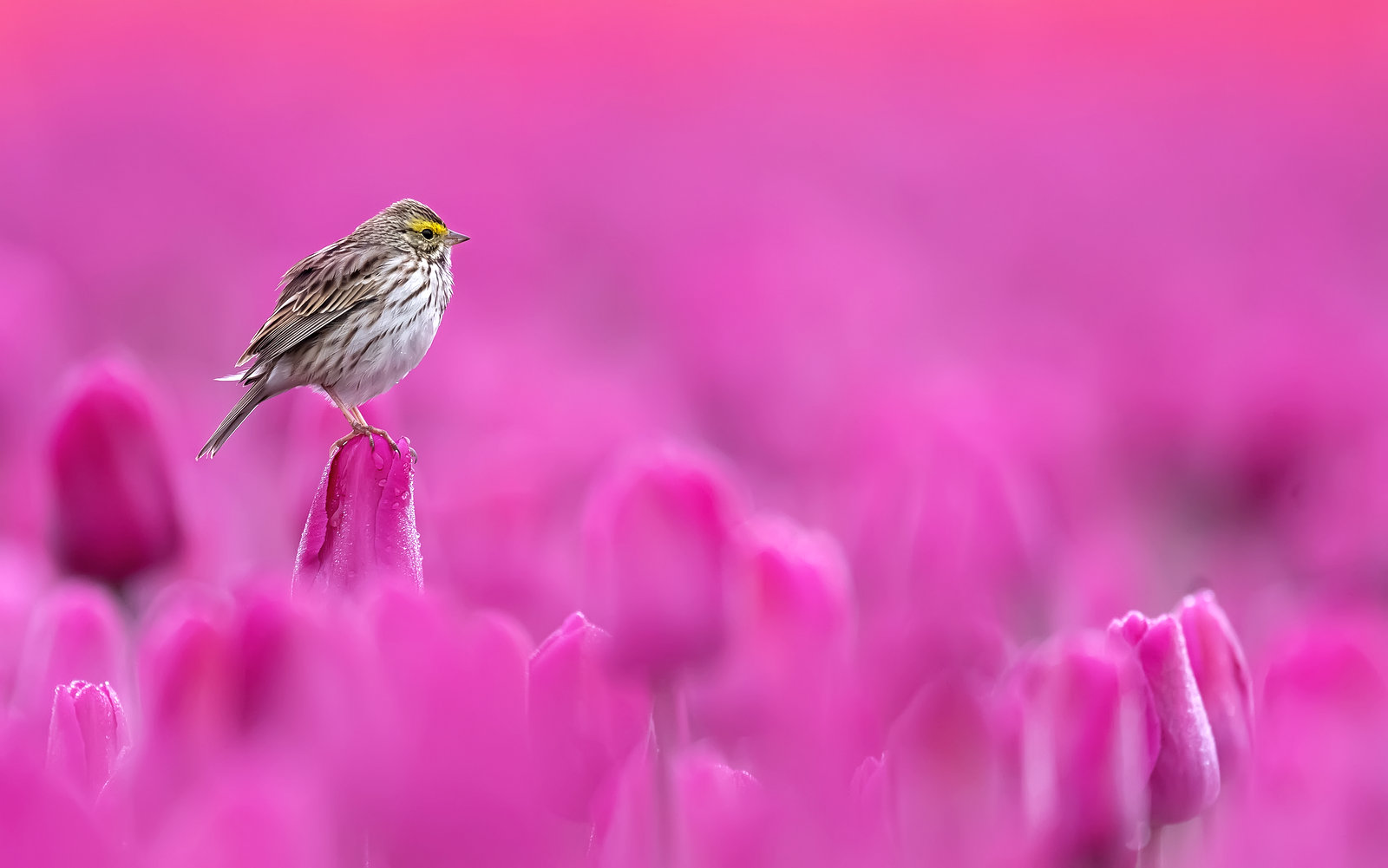
4. Savannah Sparrow in Red
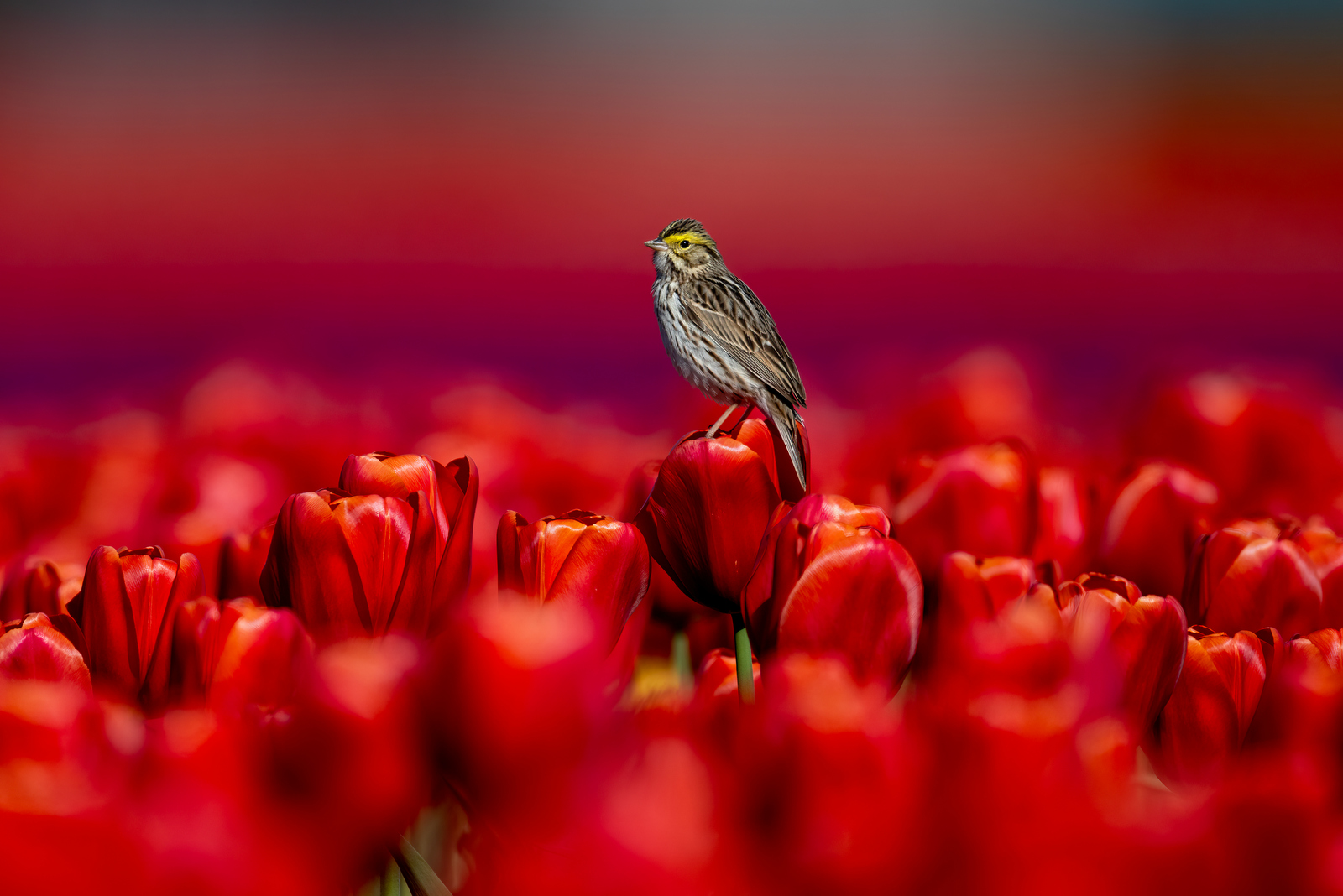
Savannah Sparrow (9529) - Washington

5.  At the Border

Savannah Sparrow (8195)) - Washington

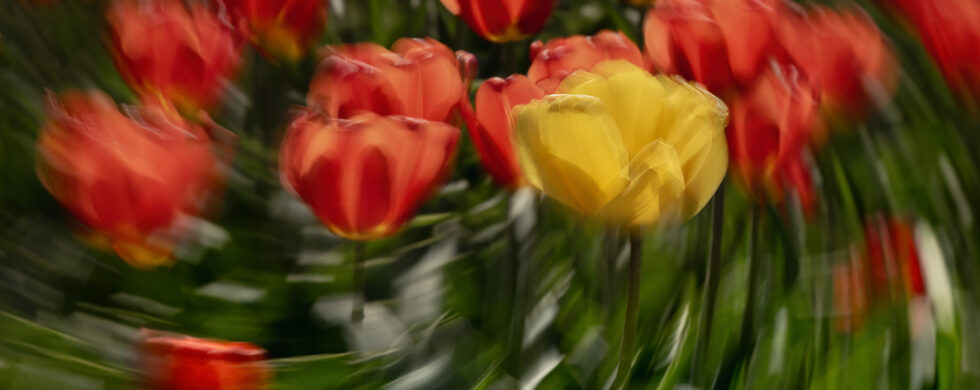
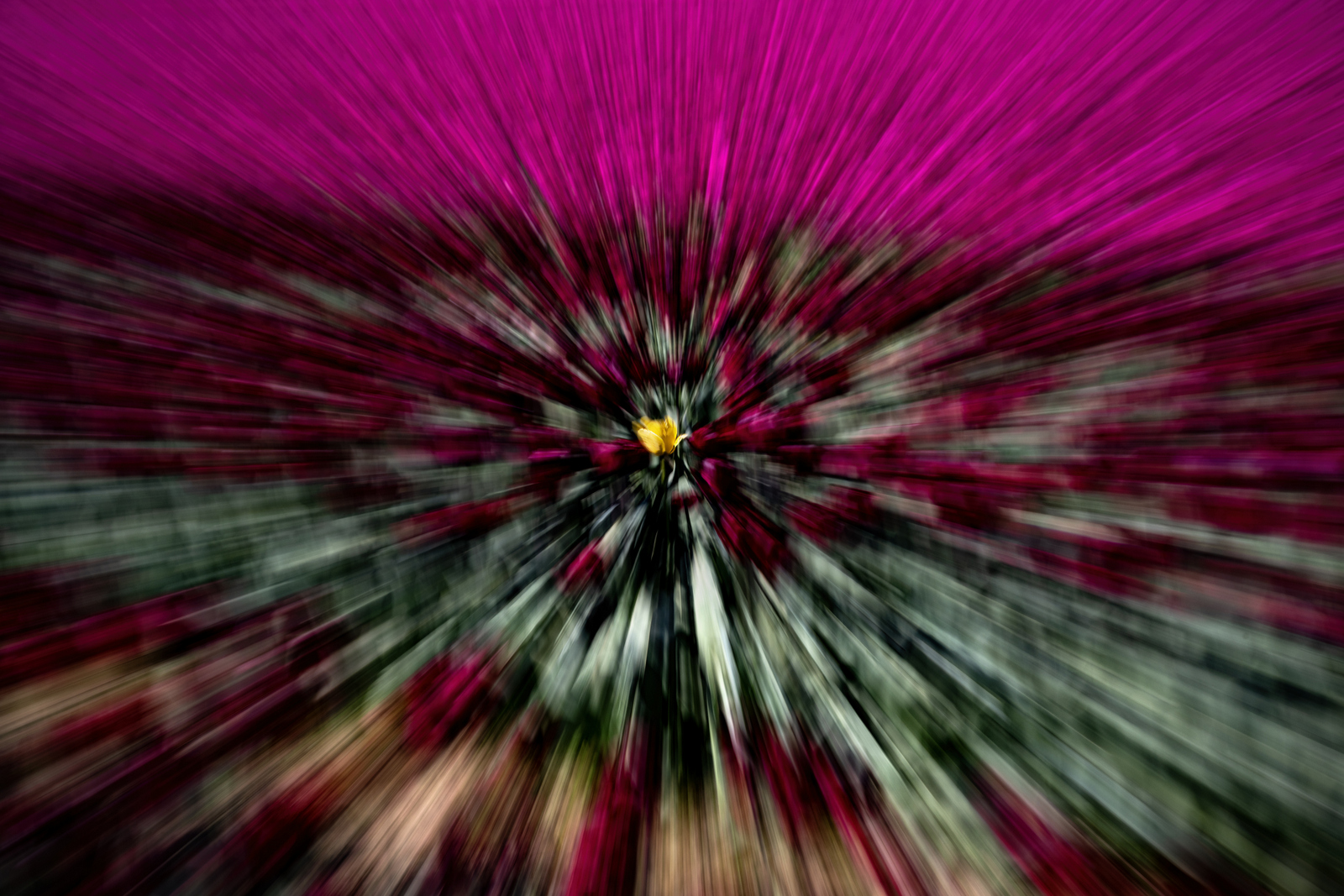
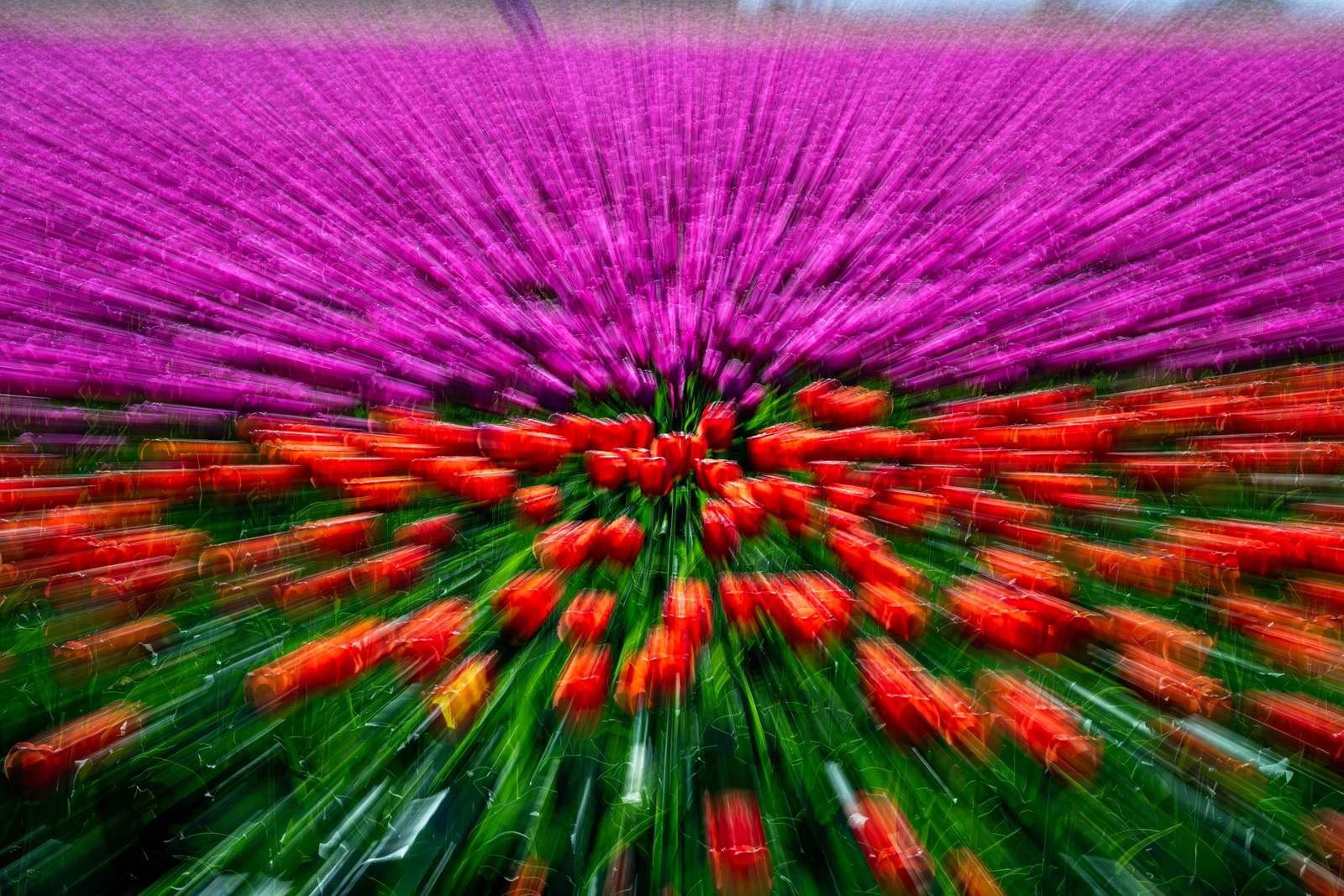
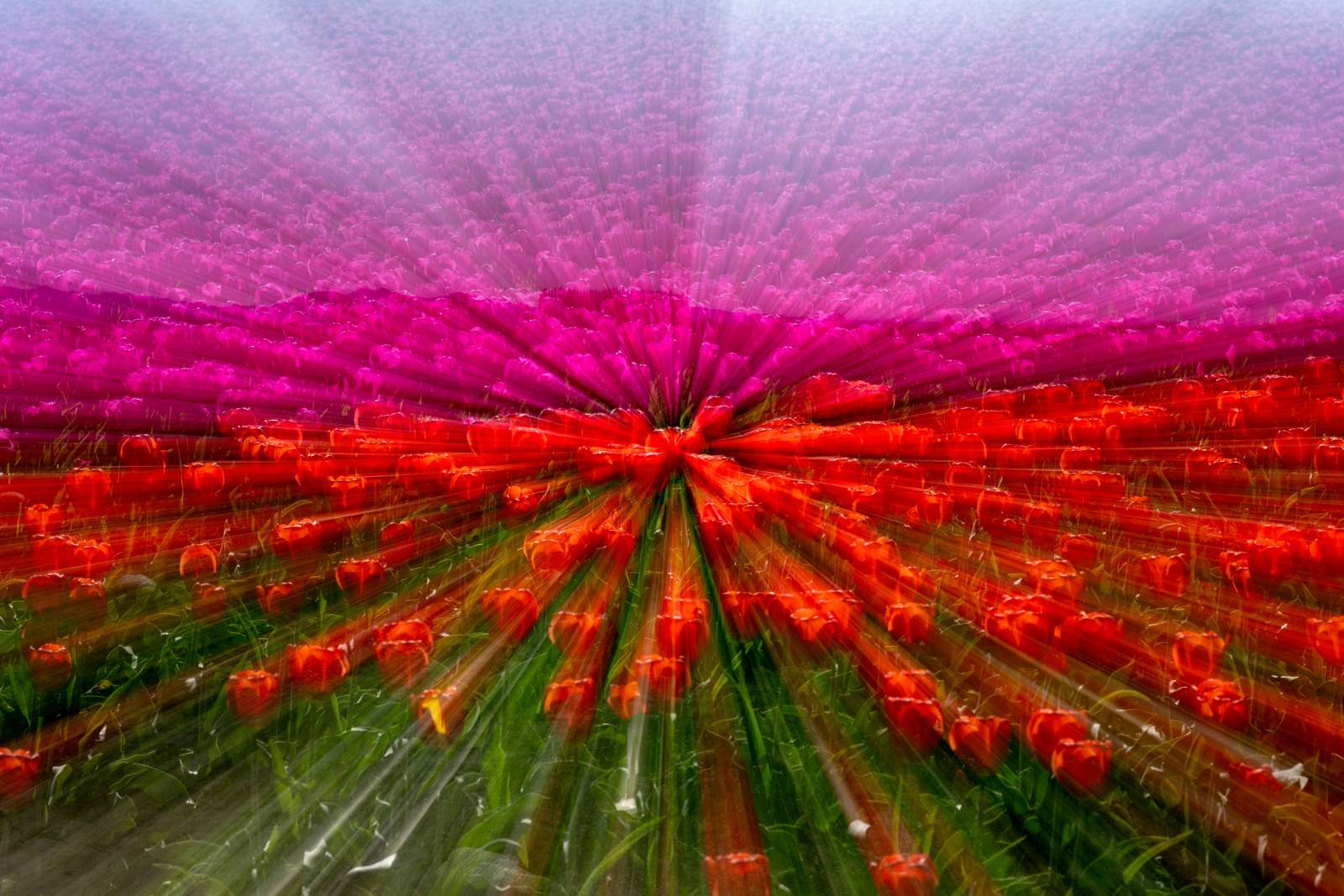
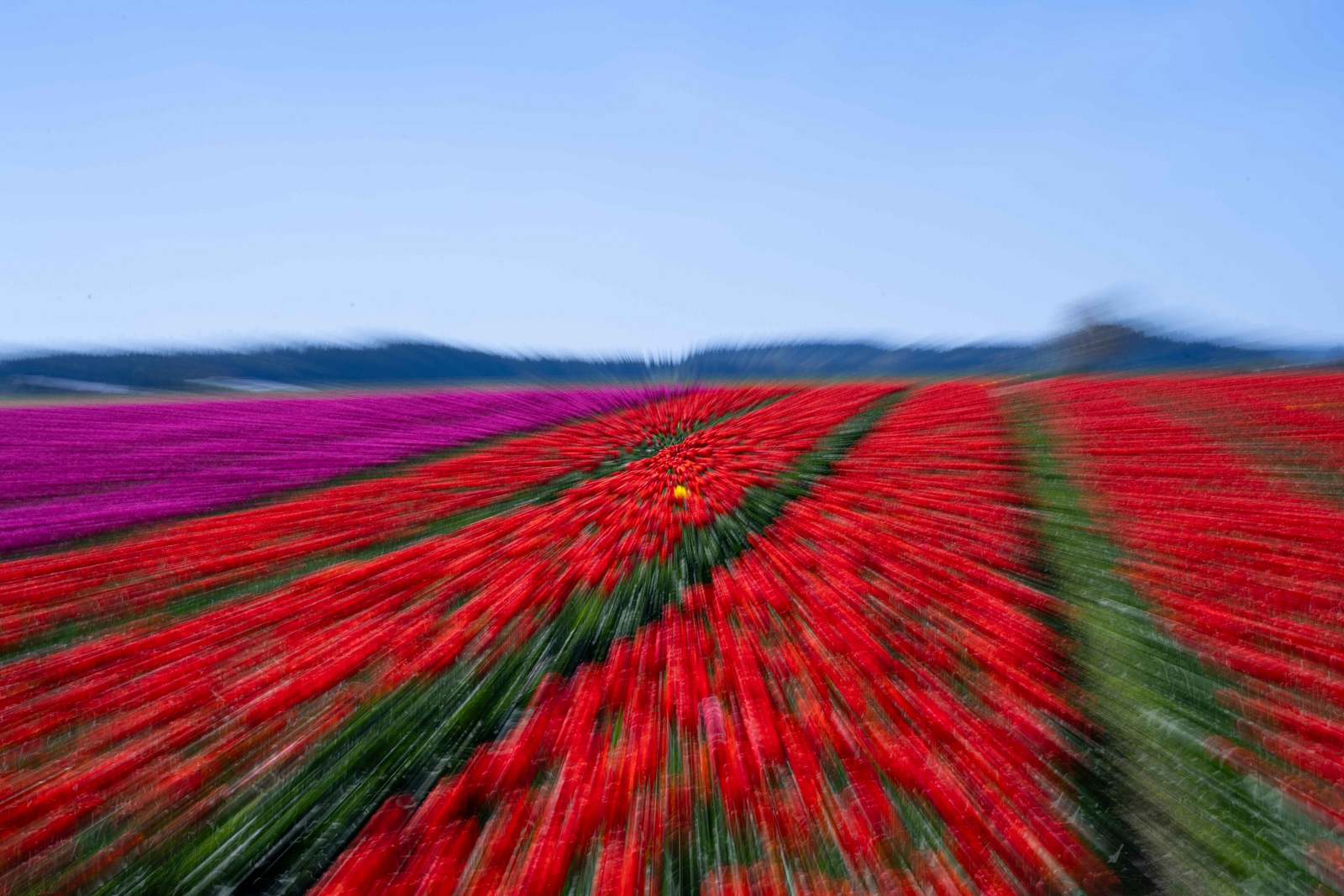
While exploring the tulip fields, I also experimented with some abstract takes on the flower scene:

6.  Flower Swirl
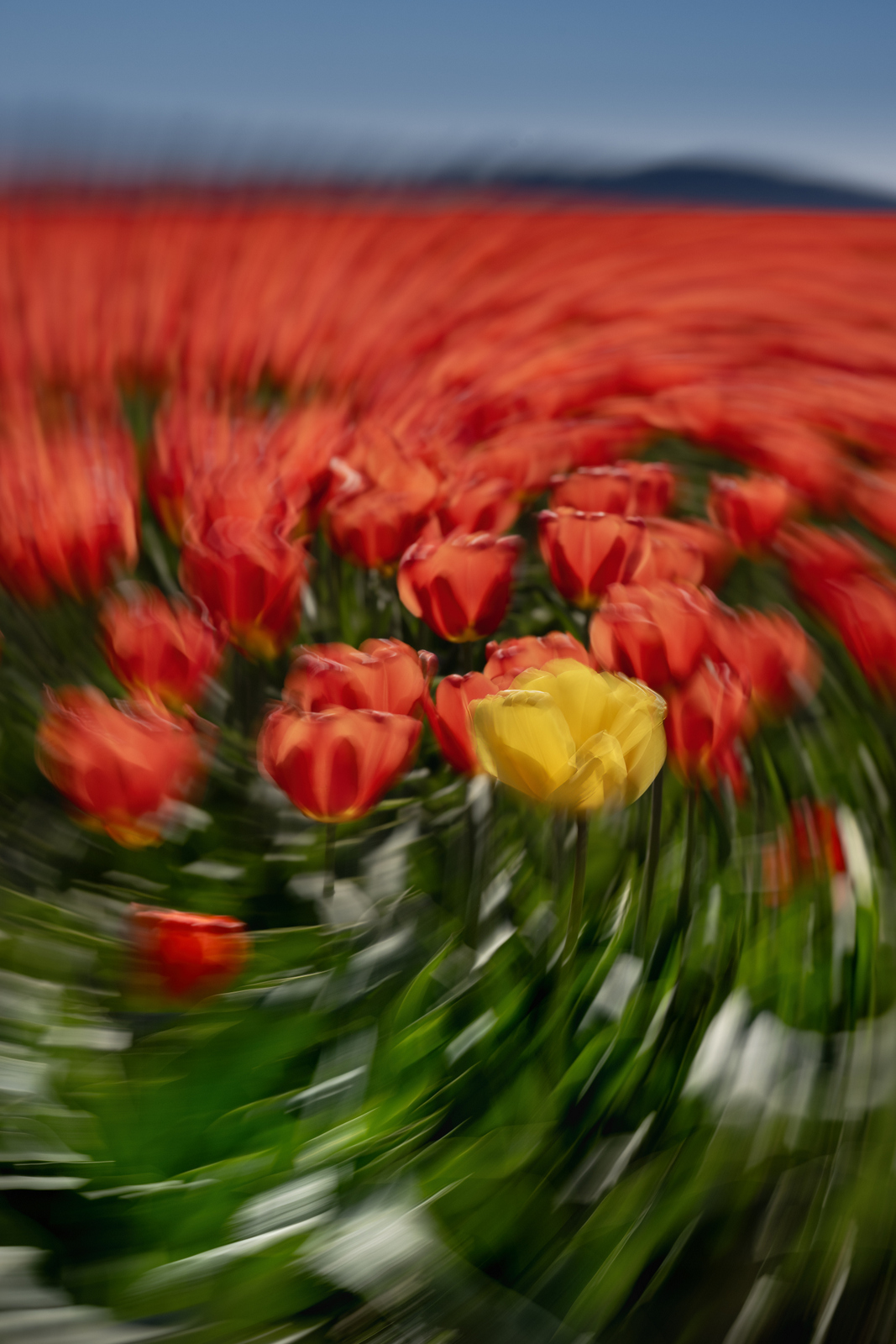
Tulip Zoon (8386) - Washington

You can see more flower abstracts here.

In June, I visited a field of lupines and captured this dreamy meadow scene.

7.  Meadow Dream
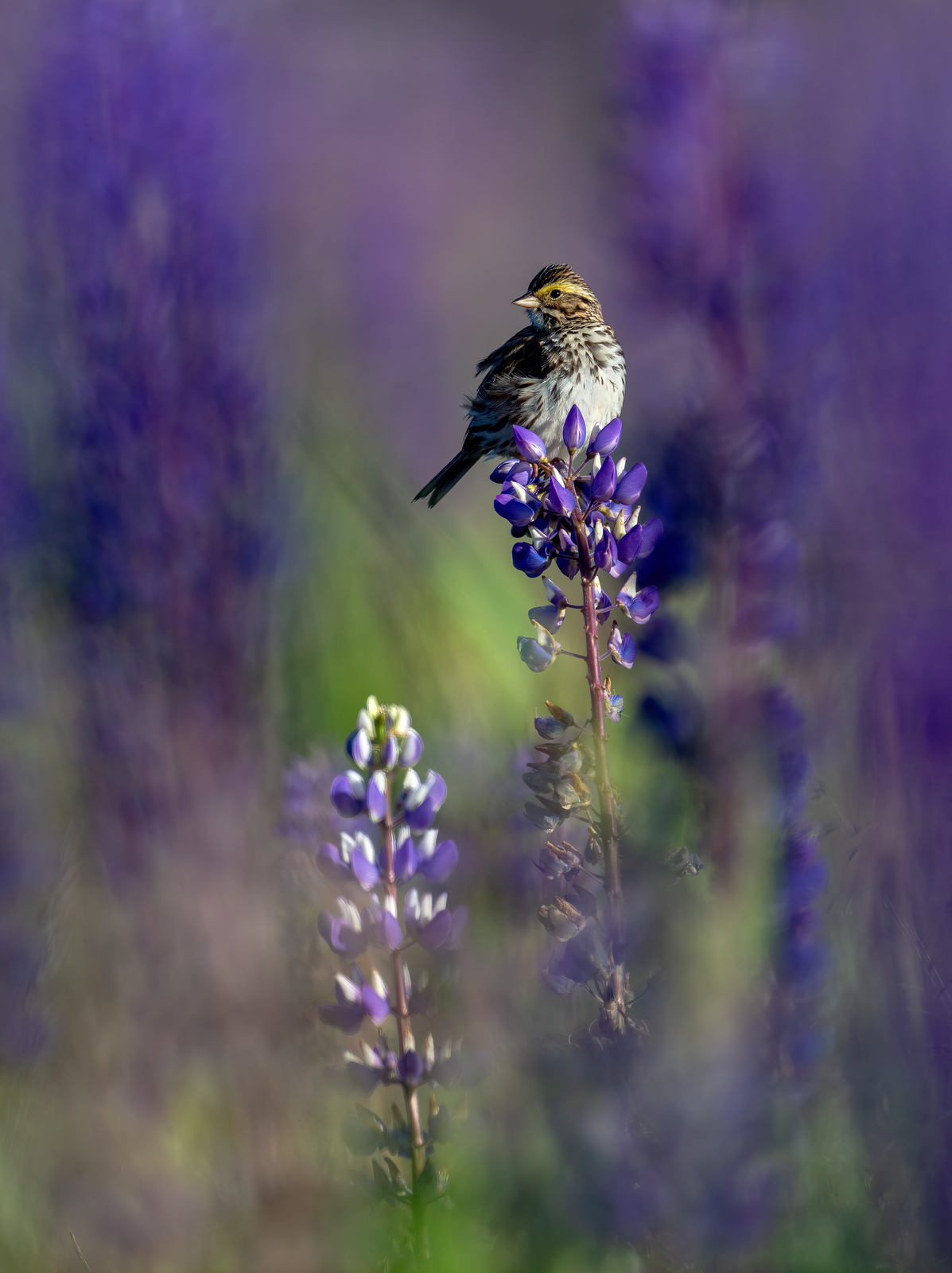
Meadow Dream (9354) - Washington

Did you notice that the bird was yet again a Savannah Sparrow?!  I seem to find them everywhere i go!

In September, I visited Katmai National Park in Alaska to photograph Brown Bears.  The weather was awful on this trip and our photo opportunities were quite limited, but I was pleased with these images:

8.  Brown Bear Splash
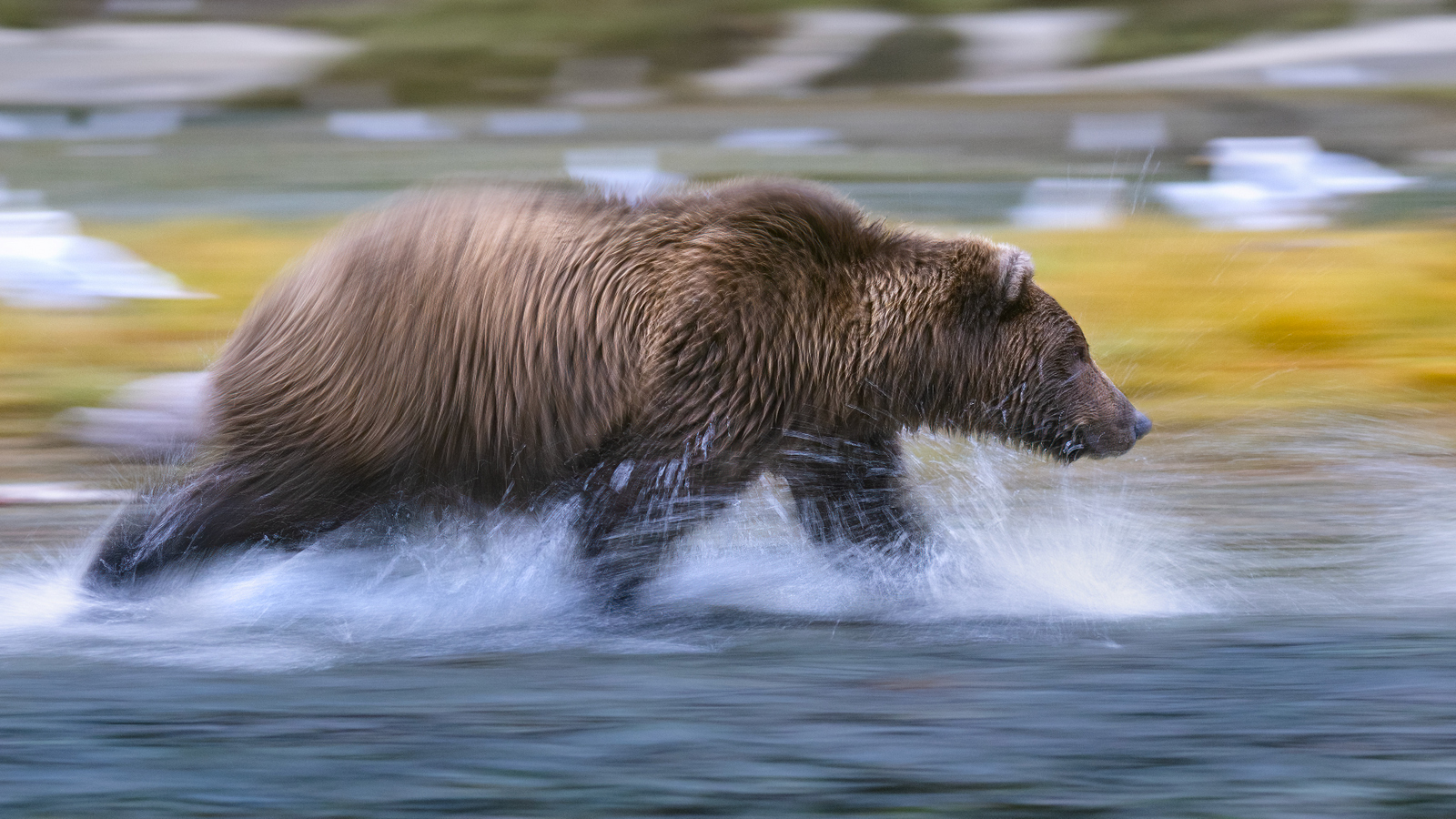
Brown Bear (4631) - Alaska

In the image above, I experimented with a slow shutter speed to give a sense of the chaos as the bear barreled through the water in pursuit of a fish.  I really dig how his fur seems to swirl…

9.  Salmon Paw
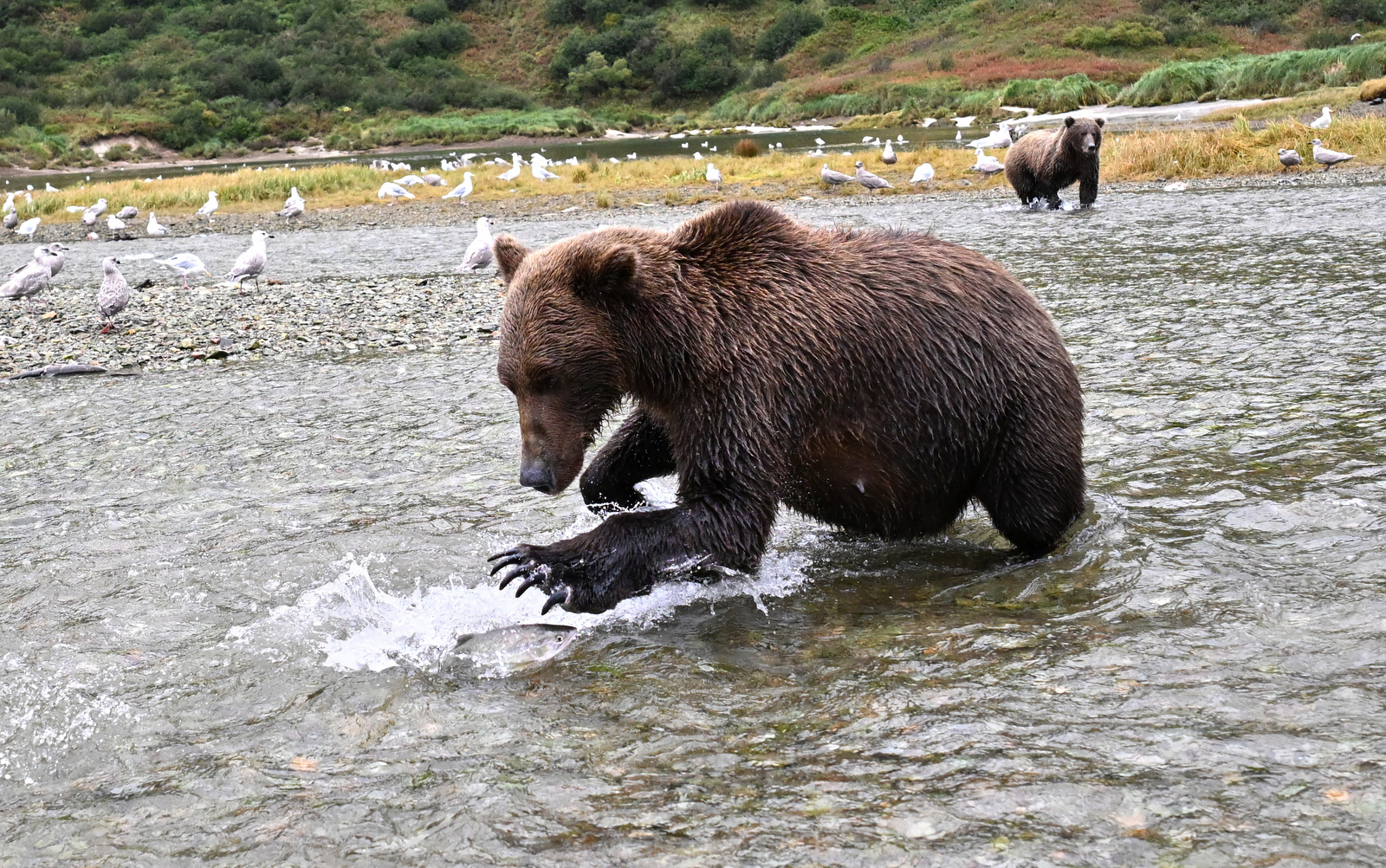
Brown Bear (1065) - Alaska

Above, a dramatic action shot as a brown bear lunges for a salmon.

10.  Mood

Brown Bear (3690) - Alaska

Could this image capture the post-holiday mood any better?  He has obviously overindulged on the salmon buffet.

And speaking of bears, here is a video I captured of a bear in hot pursuit of a salmon:

11.  Caddo Lake

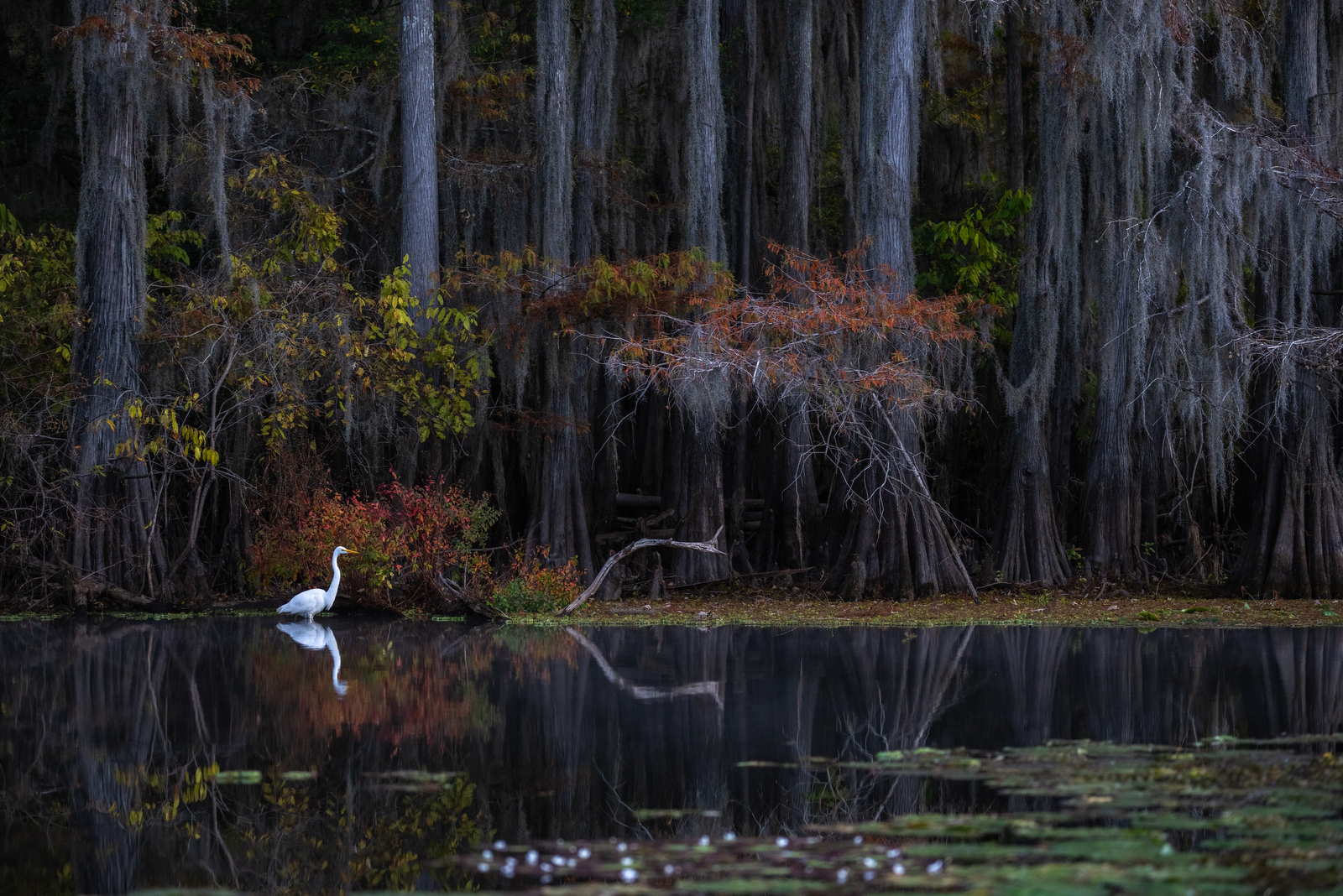
My last photo foray of the year was in November when I visited Caddo Lake for the first time.  I spent a glorious week paddling in a kayak through a surreal landscape that combined Texan swamps with autumn colors, creating an environment unlike anything I had seen before.
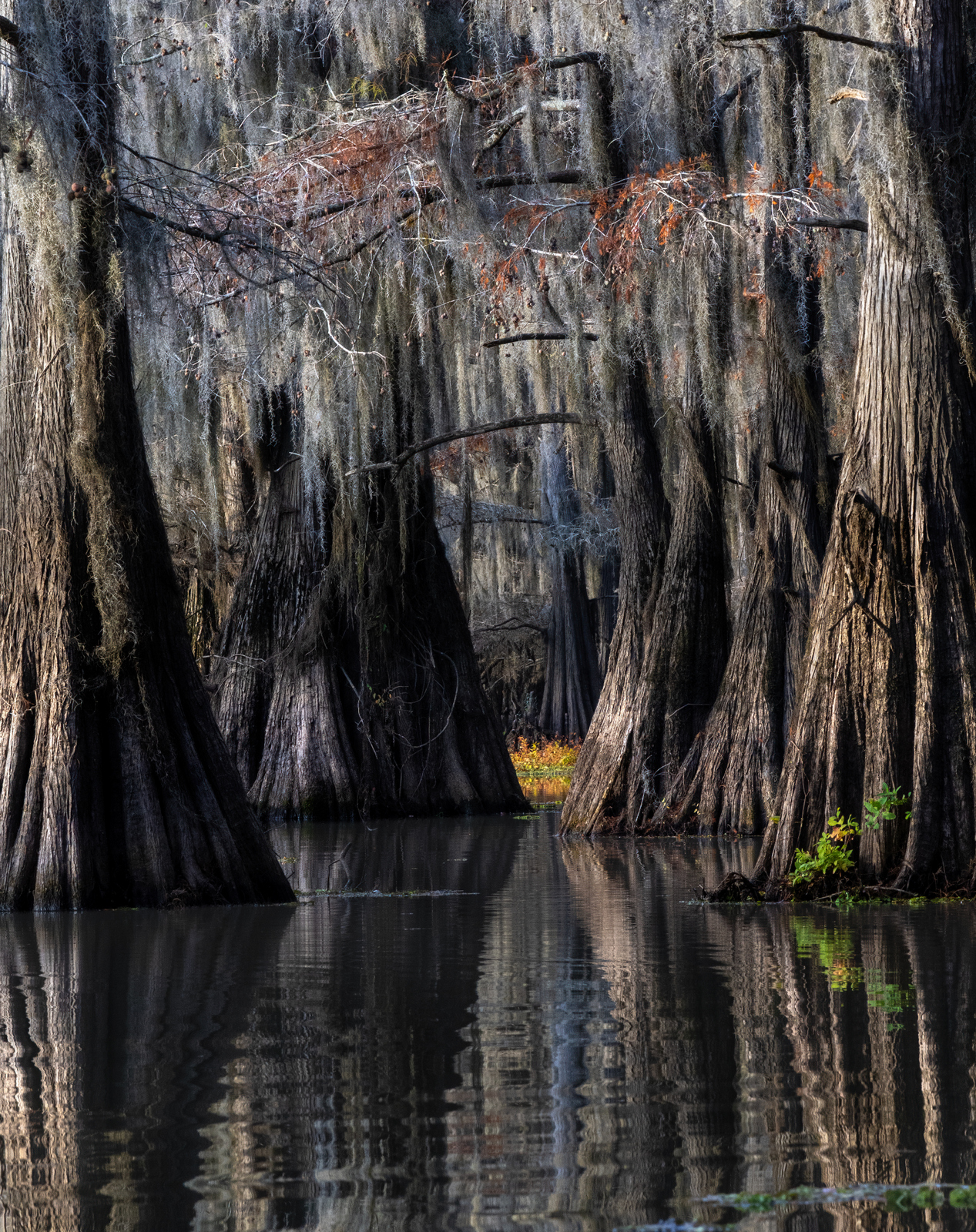
Caddo Lake (8791) - Texas

12.  Great Egret

Great Egret-Caddo Lake (9260) - Texas

This is probably my best and favorite image of the year.  I captured this from my kayak before sunrise, and the setting was sublimely serene.   The scene oozes tranquility – “ommmmm.”  The image wonderfully highlights the unique mix of swamp life and autumn colors found here.  I love it.  It will be on my wall soon.

So that was the top 12 images of the year.  A few bonus images for sticking around:

Latecomers:

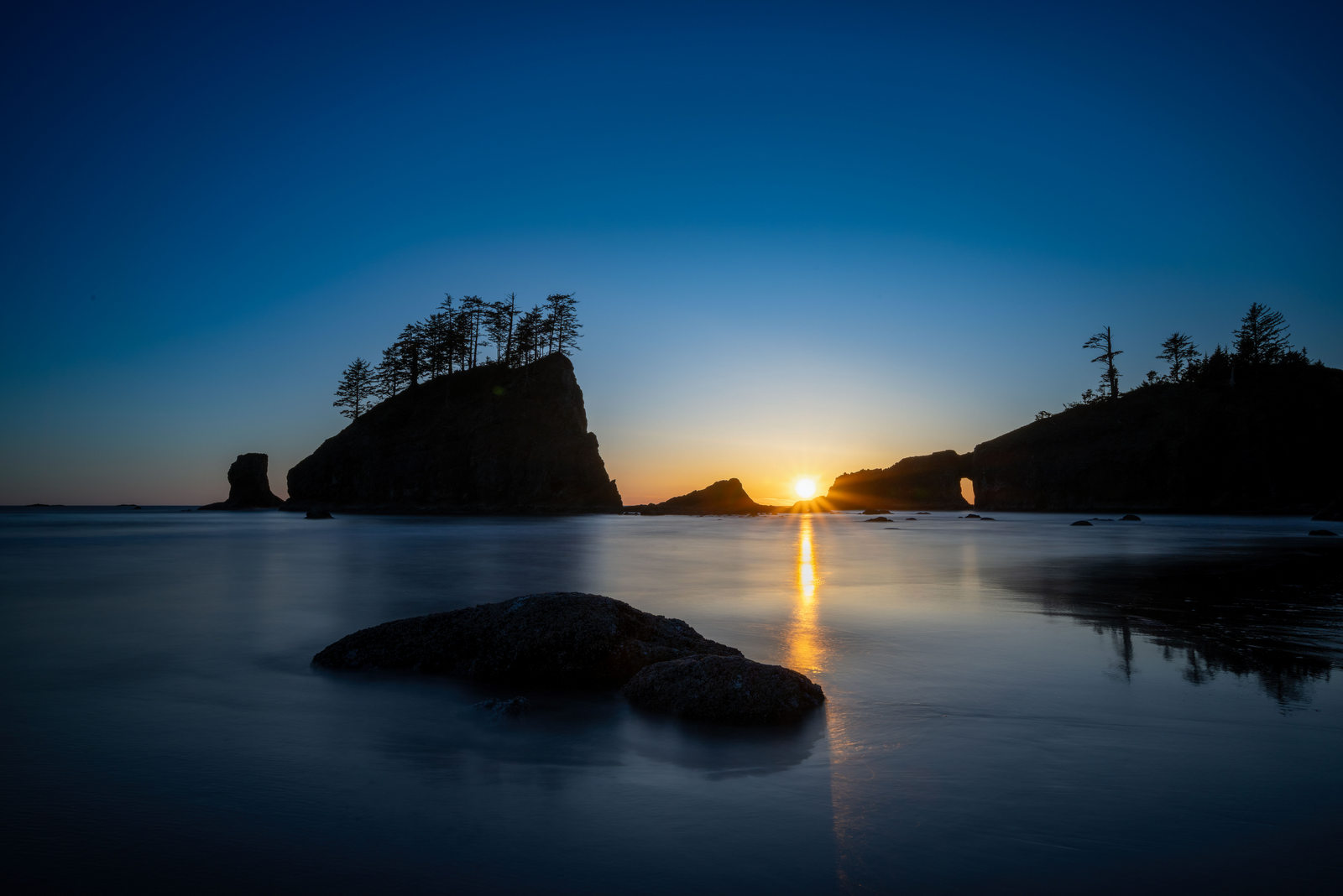
These two sunset images were taken at Second Beach in the Olympic National Park in 2024, but I didn’t process them until 2025:

13. Beach Blues
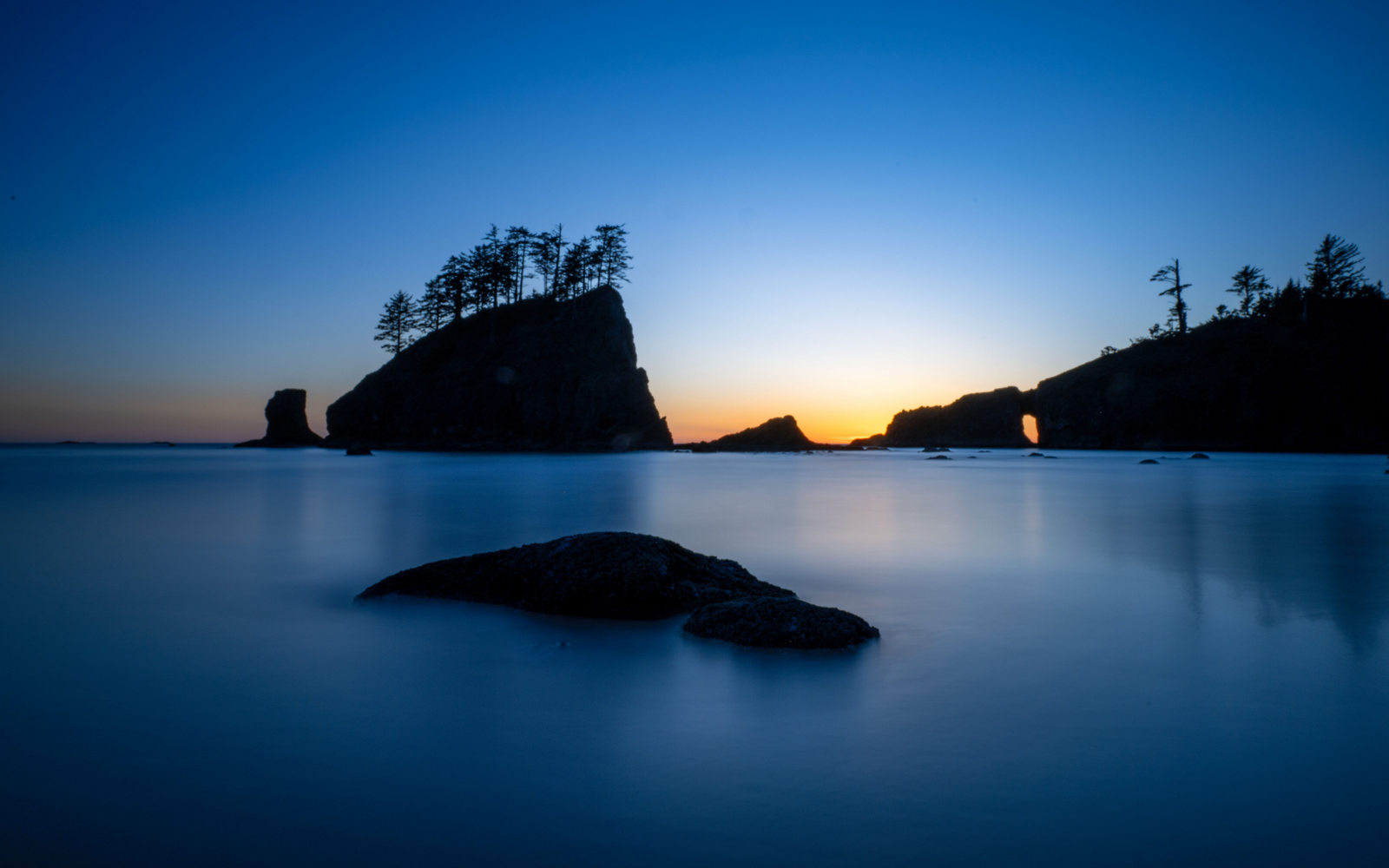
Second Beach Sunset (7491) - Washington

14.  Second Beach #2

Second Beach Sunset (7468) - Washington

Favorite Iphone Shots

The cameras on smartphones keep improving, and when in a pinch (or too lazy), I will use mine instead of my “real camera.”

Iphone #1
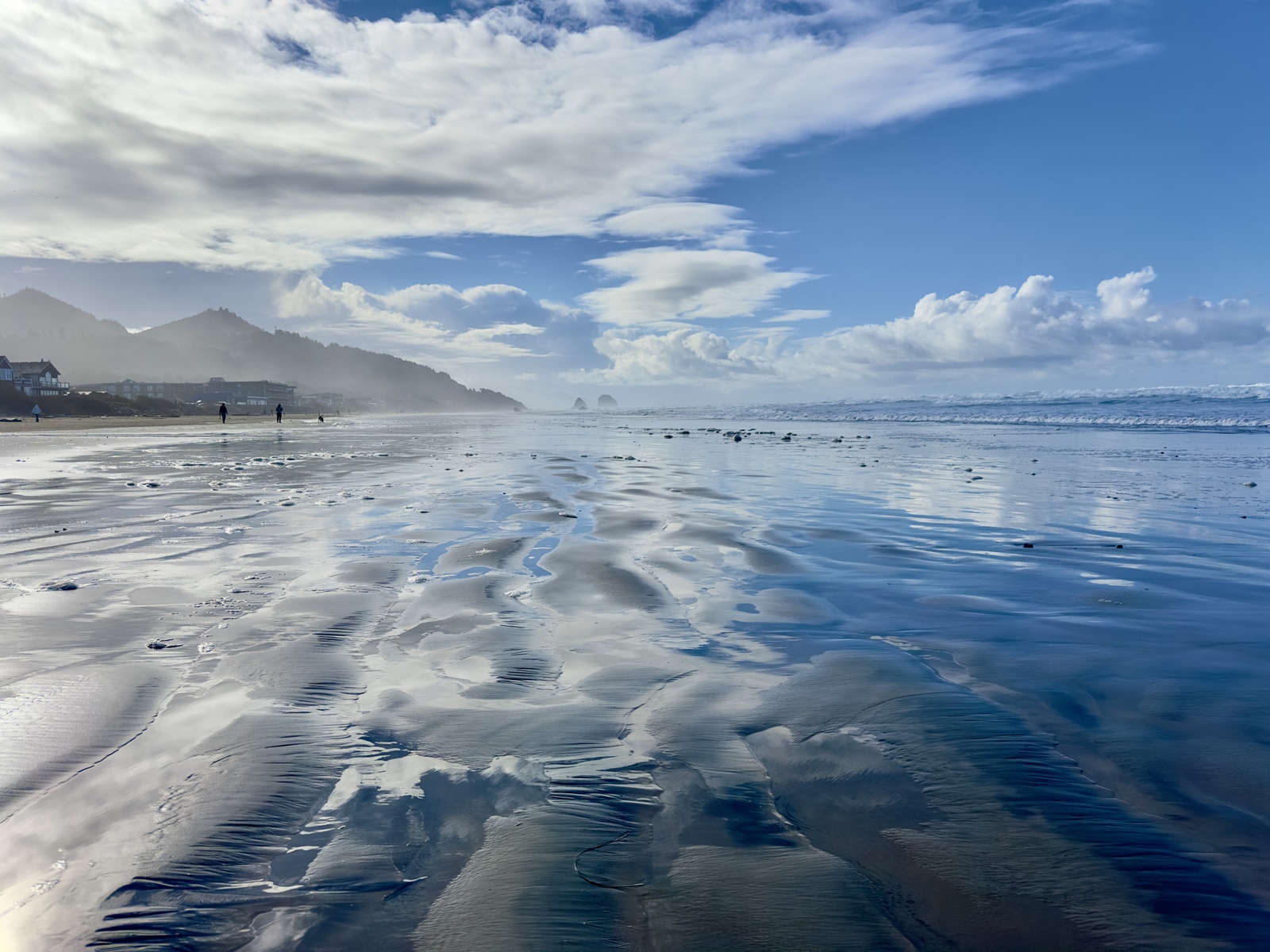
Cannon Beach (3027)I visited Cannon Beach in Oregon a couple of times to try and get a great sunset image, but no luck so far.  But one morning, I took this groovy shot with my iPhone.  Where does the sky stop and the beach begin??

Iphone #2
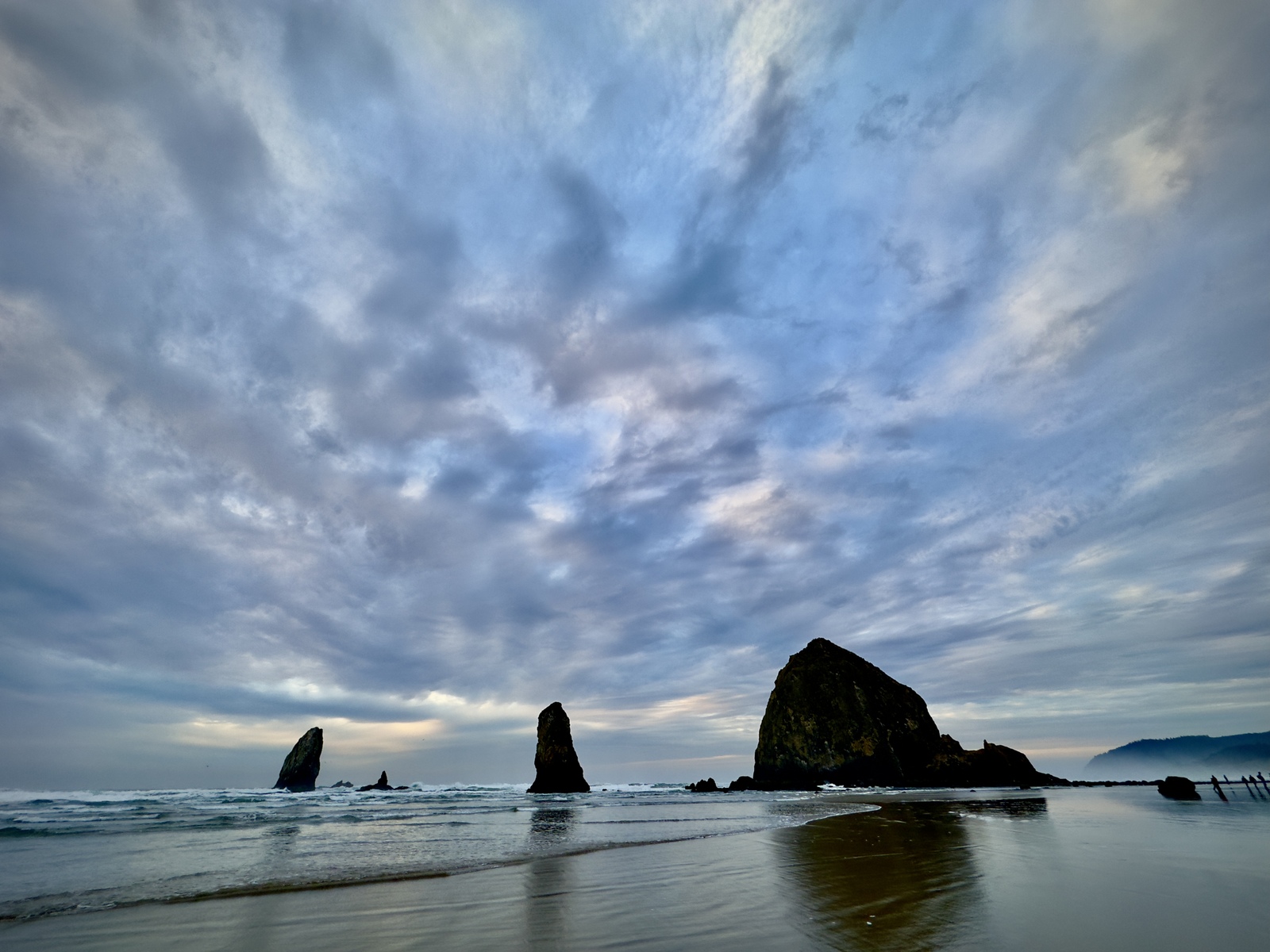
Cannon Beach (3113)

The same morning on Cannon Beach with a dramatic sky by the Sea Stacks.

And finally, a couple of sunrise images from the tulip fields

Iphone #3
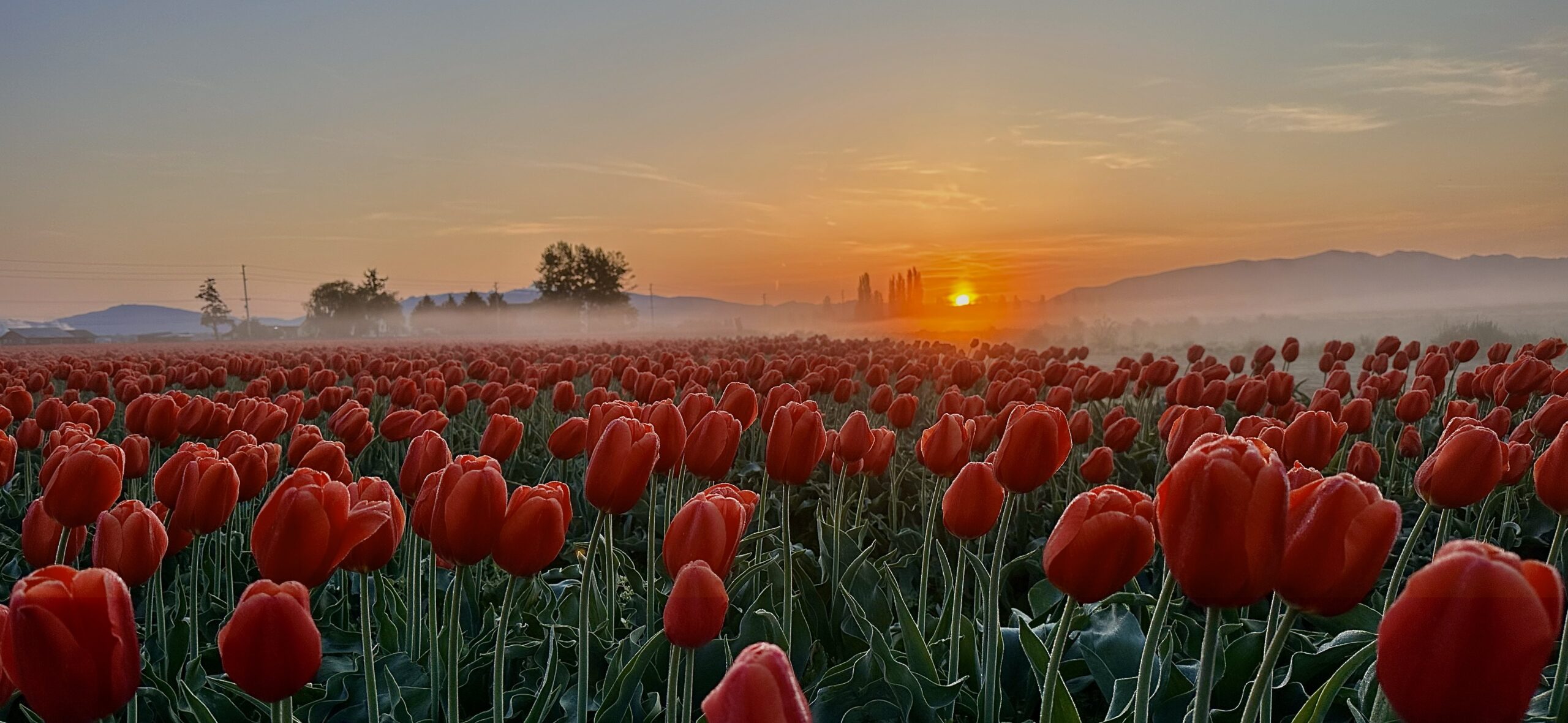
Tulip Sunrise (1430) - WashingtonThe image above is cropped to fit nicely on my phone as a background image.

Iphone #4
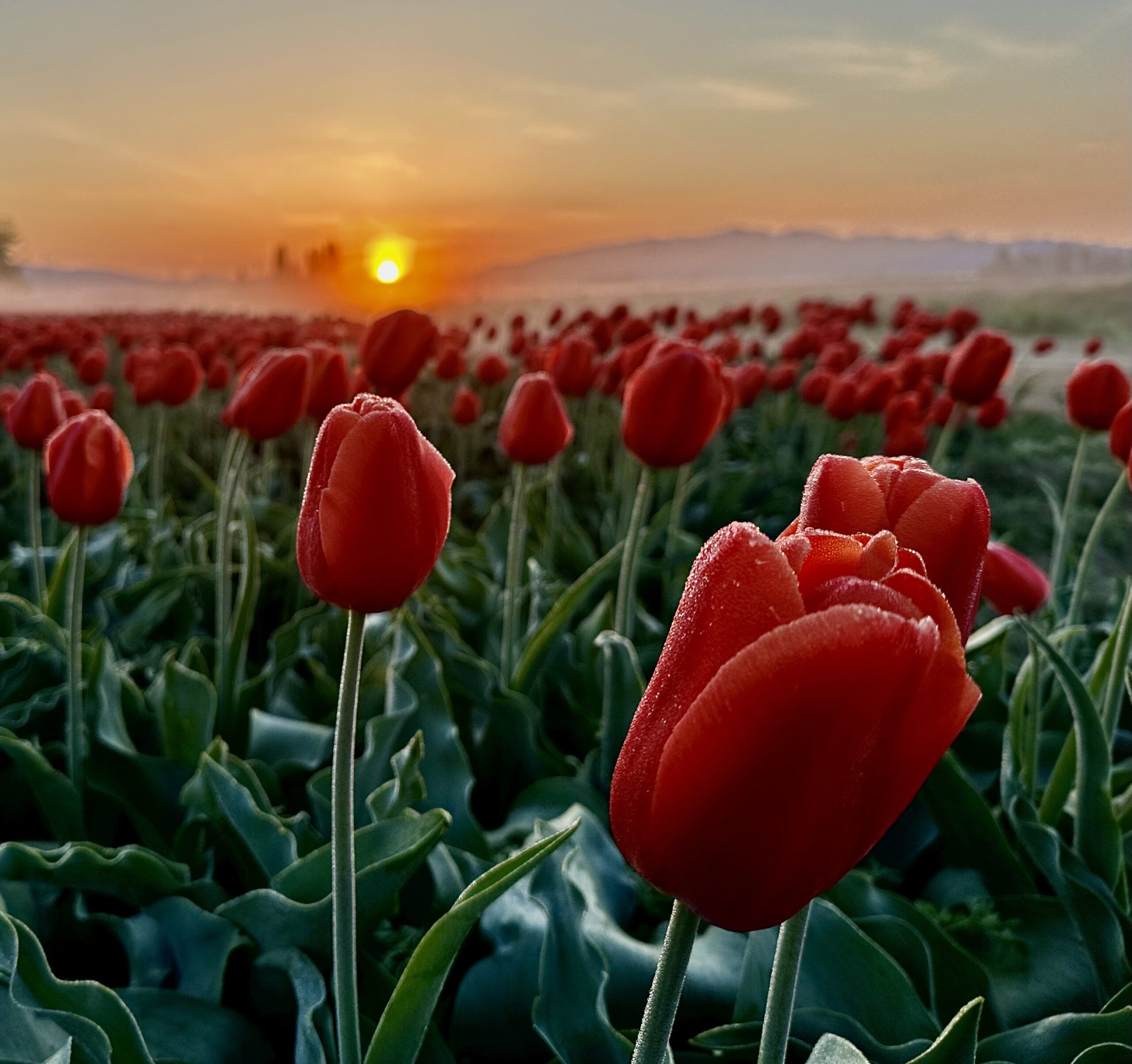
Tulip Sunrise (1455) - Washington

Got any favorites from this year’s roundup?

And what didn’t make the list?

  1. Bald Eagles:  I made 18 day-trips to photograph bald eagles….Sadly/oddly, I didn’t capture anything worthy of this list (the good news is that I have a pretty good portfolio of Bald Eagle images already, so the bar is pretty high)
  2. Tufted Puffin: I went out on two day-trips (on a boat) to see tufted puffins.  I saw those adorable birds for the first time, but no photos were worthy of showing.  I am working on a plan…
  3. Cannon Beach Sunset:  As mentioned, I made a couple of trips to Cannon Beach in Oregon to capture an epic sunset scene — so far, no luck in getting the right mix of clouds, weather, and sun.  The quest continues.
  4. Pika:  I photographed pika at two different locations but….meh.  But I still need to really go through the images in greater detail.  Perhaps one shot will make next year’s “Latecomer” list.
  5. Mt. Rainier:  The fall colors were a bit late, and when we visited, it poured incessantly, and there was no color to be seen.  Complete wash.

Ok, that’s a wrap on 2025.  Thanks for sharing in my adventures and “listening” patiently to my ramblings.

Wishing you a wonderful 2026!!


…..michael


A Sappy Tale…

Shot of the Month – August 2025

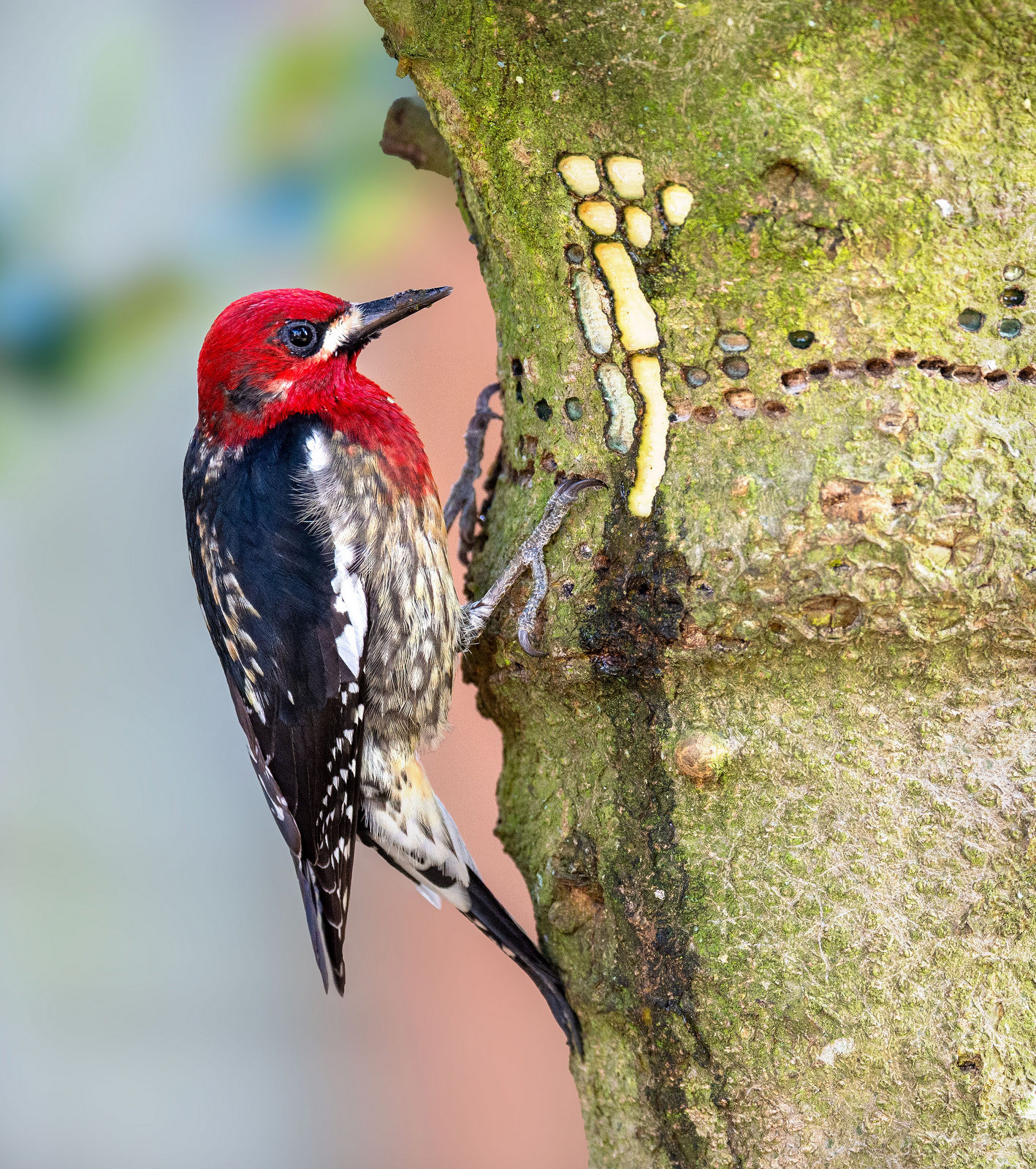
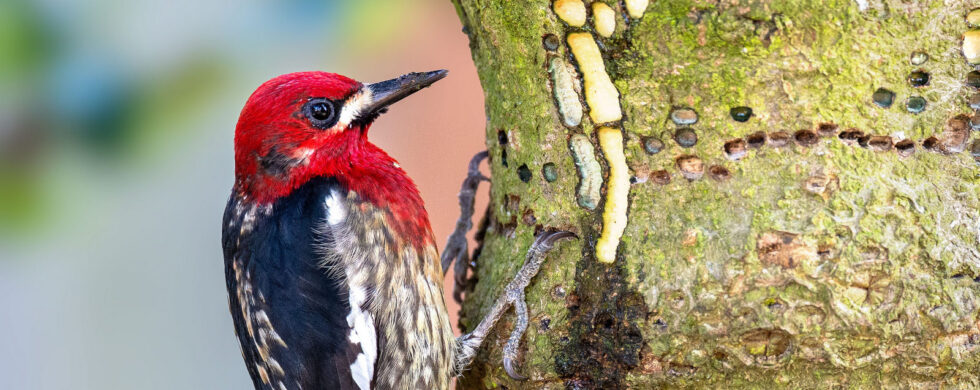
Red-breasted Sapsucker, Washington (9667)

This month, we visit with the Red-breasted Sapsucker (RBS).  I photographed this fellow in the yard on our Holly tree.

Let’s break it down:

Red-breasted

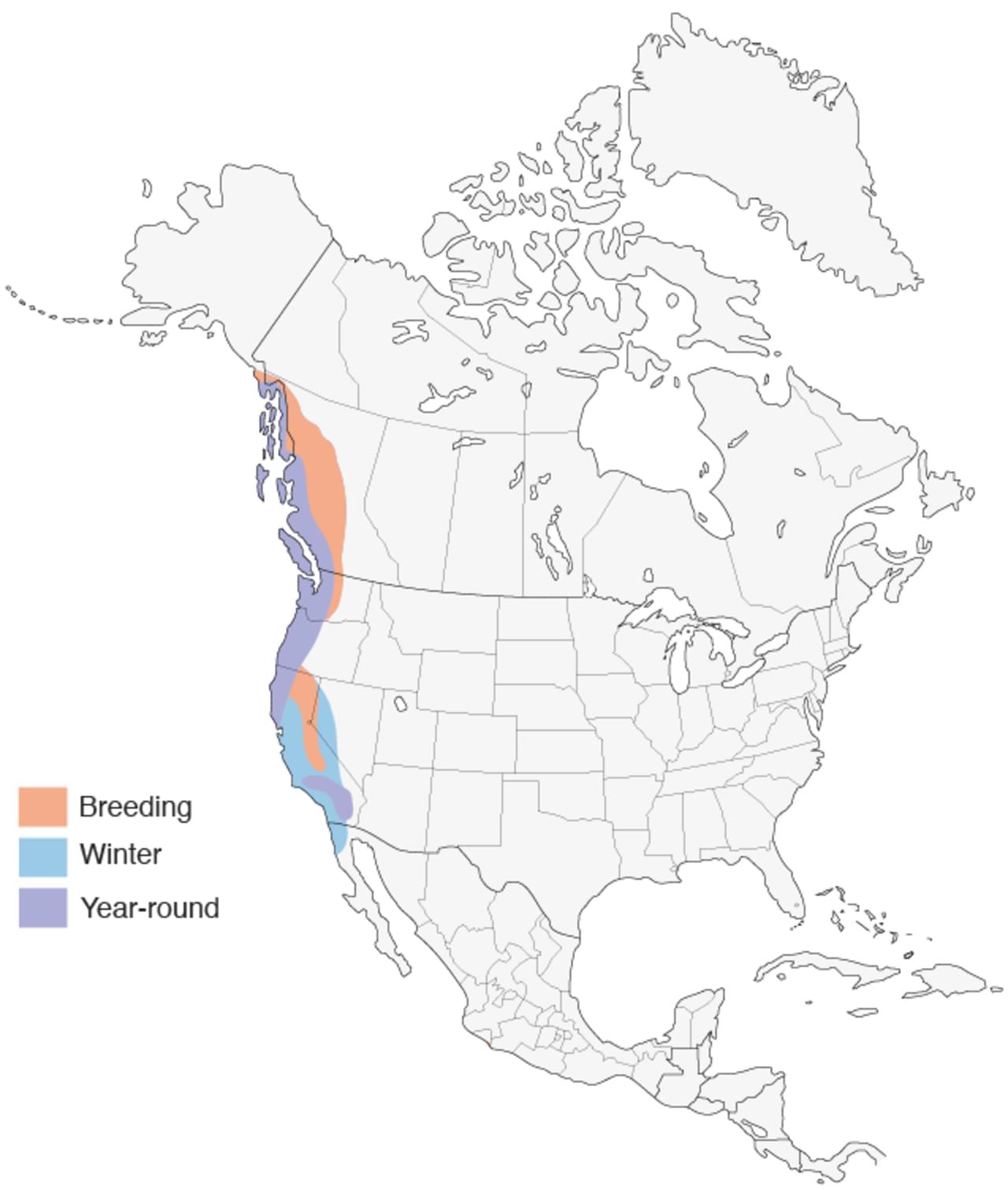
As we can see, this bird, especially the male, is dashingly adorned in a vibrant red covering his head and chest.  The RBS is a US robin-sized bird found in western North America, as shown here:

Red-breasted Sapsucker Range Map

Source

If you wander about in the western regions of Canada, Alaska, Washington, Oregon, California or the western tip of Mexico, you have a chance of seeing this dapper dandy.

Sapsucker

The red-breasted sapsucker is a type of woodpecker that specializes in collecting and eating sap from trees.  Hence, “sapsucker.”  Of the 400+ species of woodpeckers, only 4 are considered sapsuckers.  The four are:

  1. Red-breasted Sapsucker
  2. Red-naped Sapsucker
  3. Yellow-bellied Sapsucker
  4. Williamson’s Sapsucker

And all are found in North America.

Sap Story

The RBS drills shallow holes or wells in the trunks of trees (most commonly aspen, cedar, pine, birch, or maple) and drinks the collected sap as it oozes from the open wound.  Despite their name, sapsuckers do not suck the sap out of the tree wells, but rather, lick it up with their tongues, which are equipped with stiff hairs designed just for this task.  The birds make regular rounds to their active sap trees to keep the wells open and ensure that the sap keeps flowing.

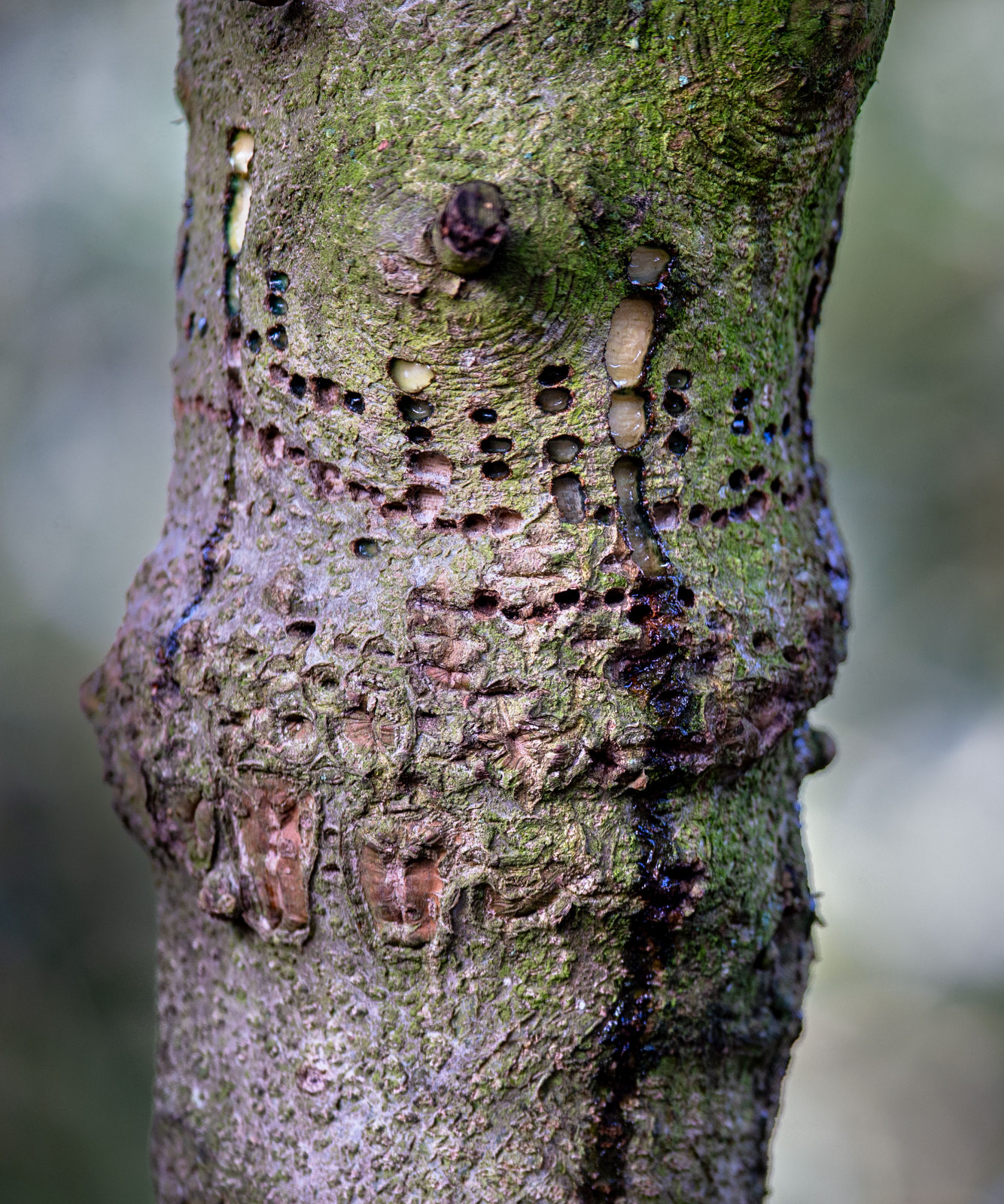
Below is a photo of the other side of our holly tree — the RBS has drilled shallow wells around the entire trunk.  If you look closely, you can see where the larger wells have produced heavy sap “streams” oozing down the bark.

Red-breasted Sapsucker Sap Wells (8371)

The sap attracts insects, which often become trapped in the gooey mess, and the bird benefits from the extra protein.  During breeding season, the parents collect insects at the sap wells and feed them to the chicks to enrich their diet.  The parents sometimes catch ants at other locations but bring them back to the sap tree, dip them in the sticky stuff, and feed them to the young as a tasty treat!

Sapsuckers cannot live on sap alone, and they round out their diet with spiders, caterpillars, berries, fruit, and tree cambium (the slender plant membrane located under the bark of a woody tree or plant).

Community benefits

Quite a few animals benefit from the sapsuckers’ hard work.  The Rufous hummingbird, in particular, follows the RBS to learn the location of the sap wells and regularly feeds from them (sneaky little bugger!).  These wells can provide essential calories to squirrels, chipmunks, porcupines, and bats in the spring when flowers are scarce.  Many birds (hummingbirds, warblers, nuthatches, orioles) and other insects (bees, wasps, moths, flies) also feed at the sap wells.

Habitat

RBS are cavity dwellers and excavate holes in dead trees for their nests.  They build a new nest each year, so over time, there are numerous cavities available for other bird species and mammals.

Keystone

Sapsuckers are considered a “double keystone” species given the essential role they play in their ecosystem.  What’s the double part?

  1. Nutritional Hubs:  As highlighted above, the sap wells provide essential calories and nutrients to a broad range of animals and insects.  For example, hummingbirds will time their spring migration to coincide with the arrival of sapsuckers so they can feed on the sap wells.
  2. Habitat Creators:  The tree cavities provide essential nesting sites for birds and are especially important for swallows and small mammals.

Put it all together, the sapsuckers have a disproportionately large effect on their ecosystem, granting them keystone species status!


I don’t want to get all sappy, but that is a beautiful story…sniff, sniff.


Until next month……m


Nikon D4S, Nikon 600mm with 1.4x TC (@ 850 mm), f/5.6, 1/320 sec, ISO 3200, +0.5 EV

Standing Out From The Crowd

Shot of the Month – July 2025

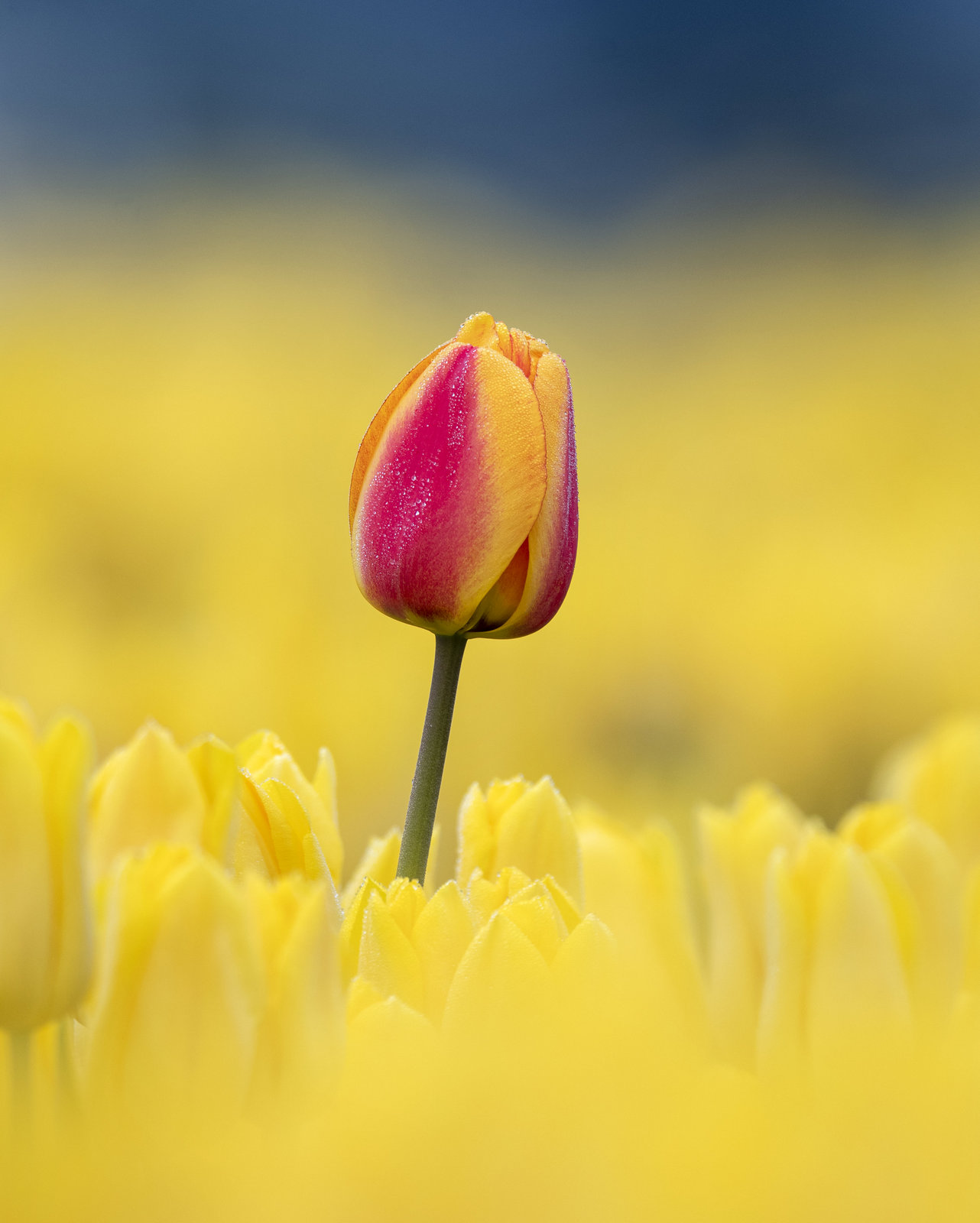
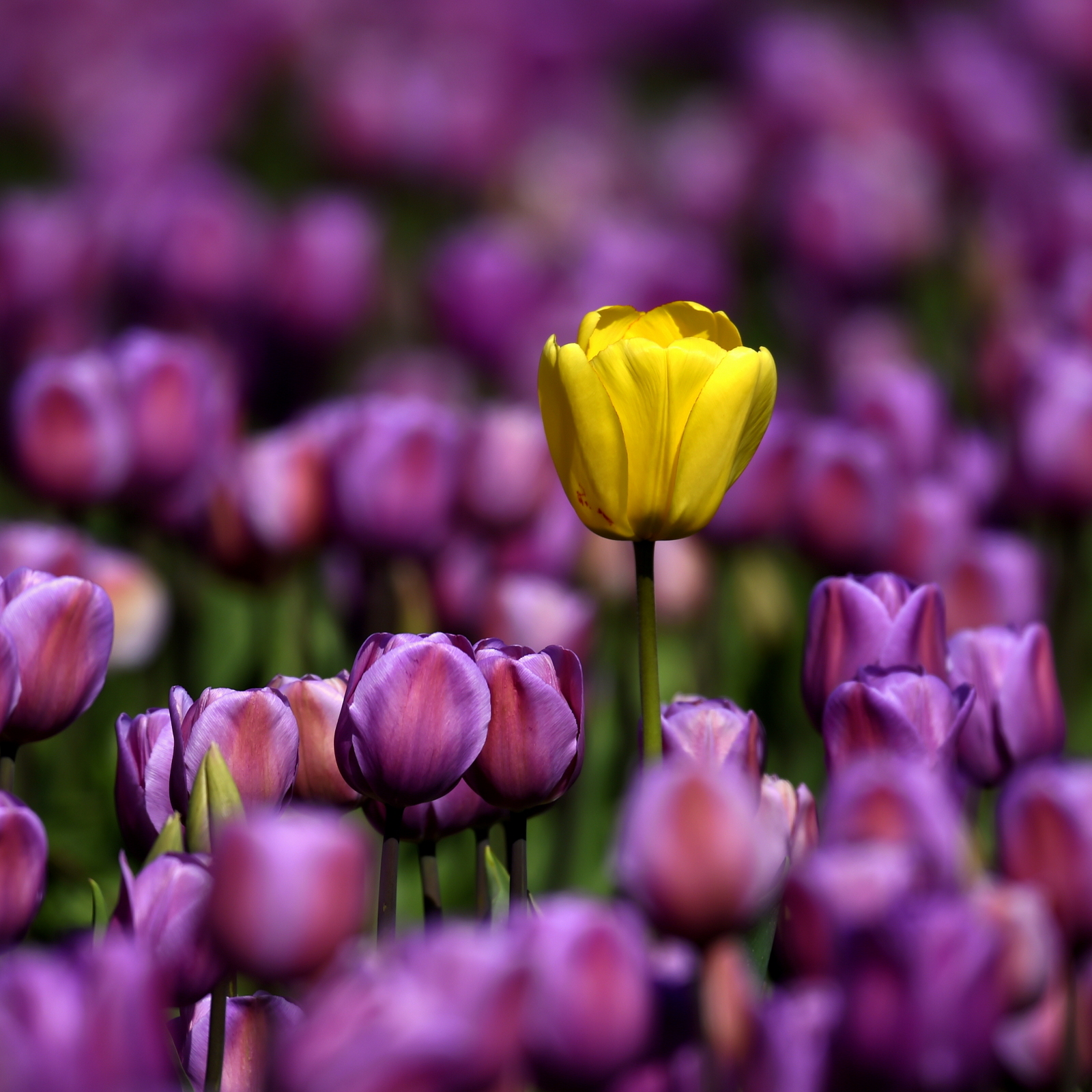
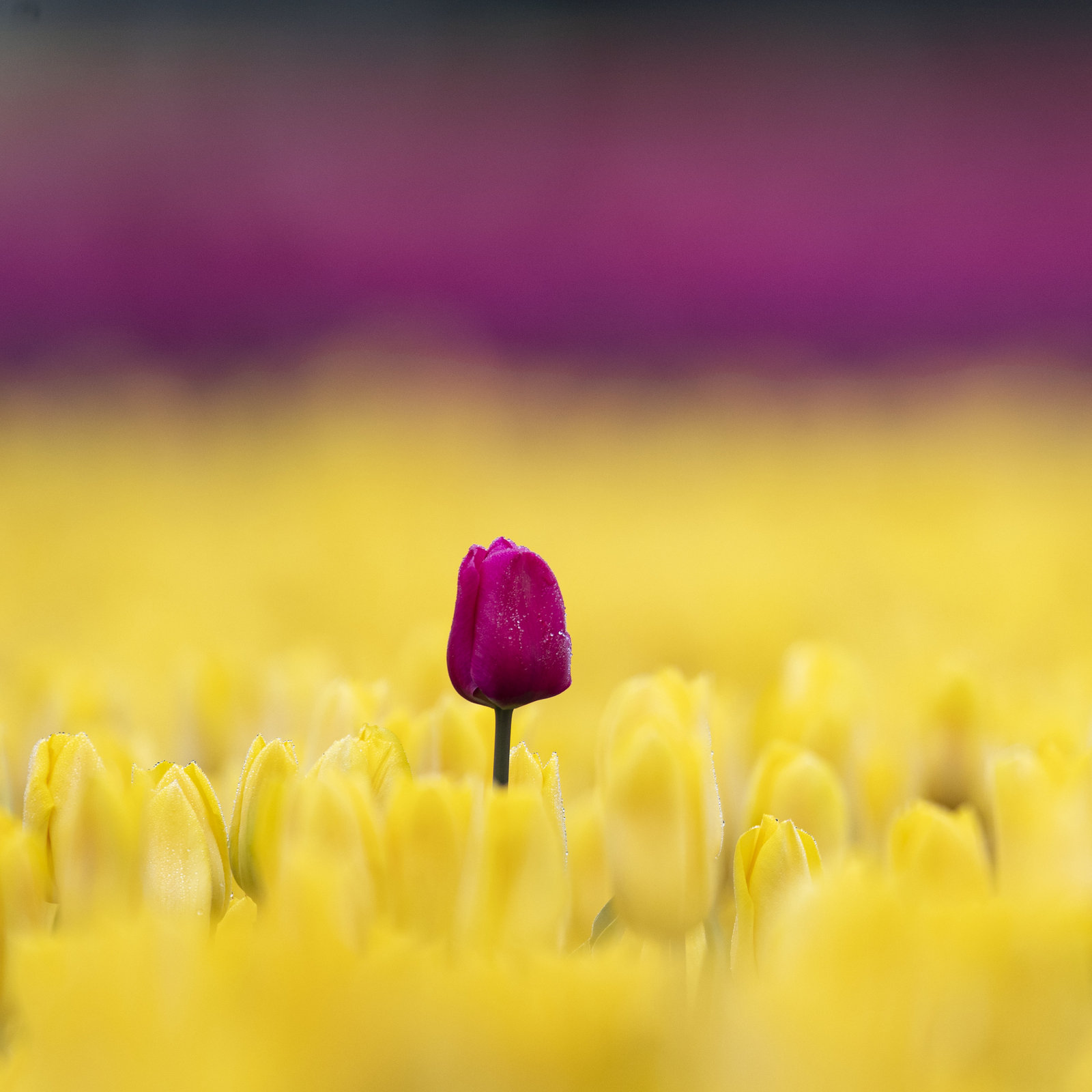
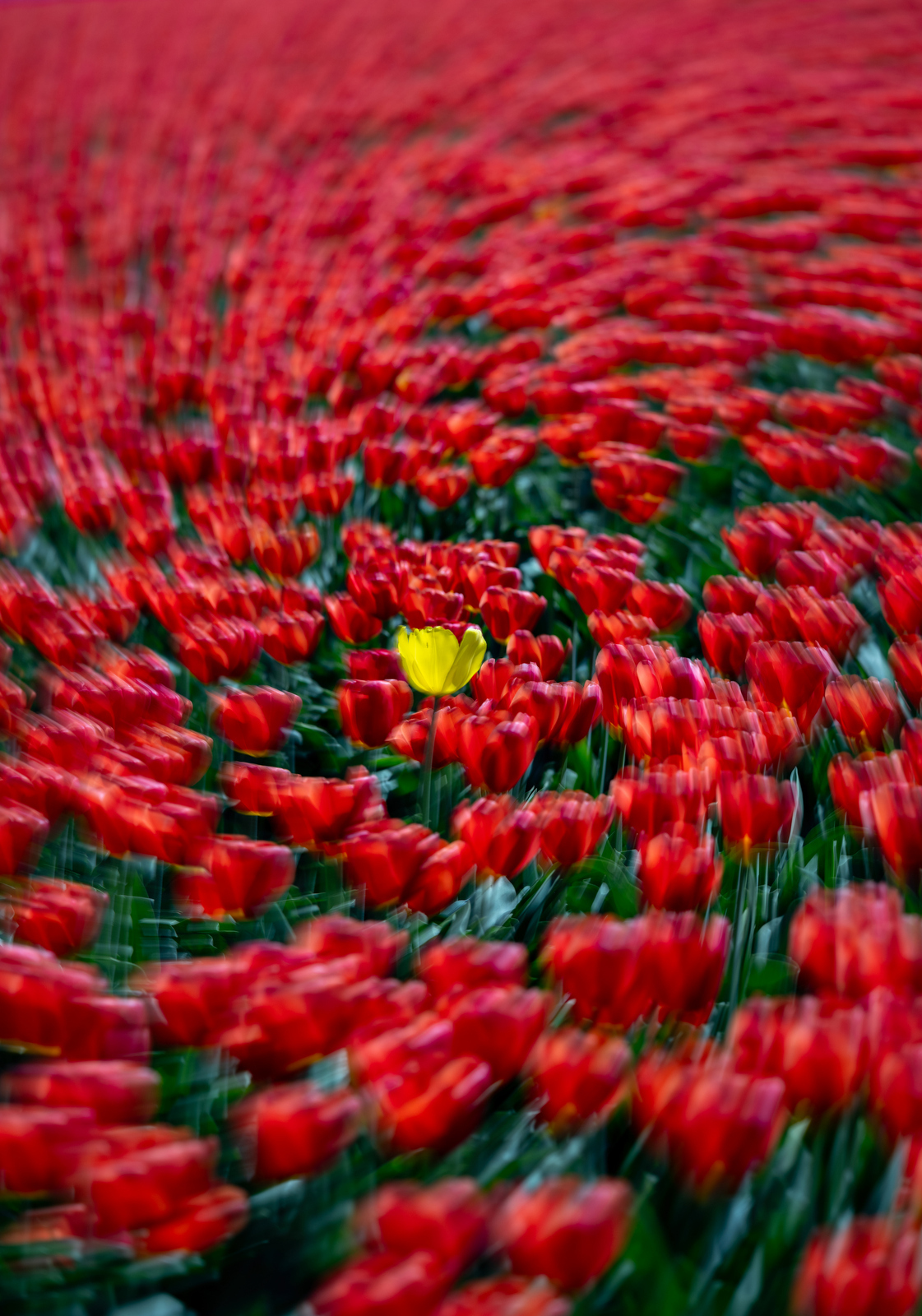
Last month we explored a non-traditional approach to Tulip photography using a “zoom effect.”  This month, we will revisit a more traditional approach – subject isolation.    You can read more about the use of subject isolation in this post:

The Beauty of Isolation

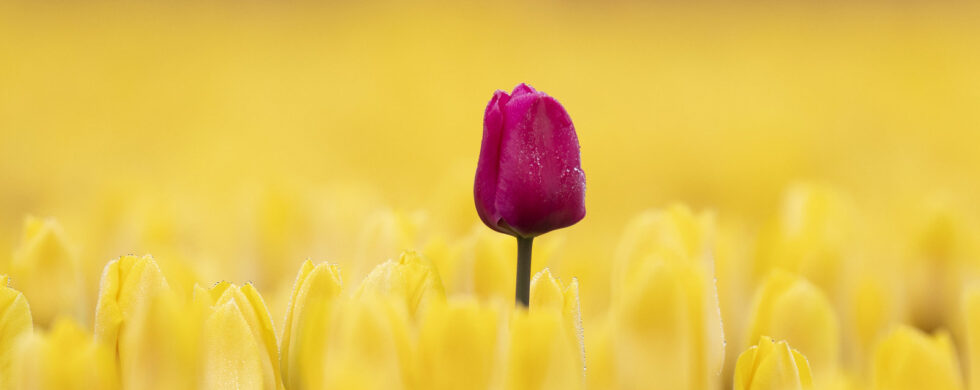
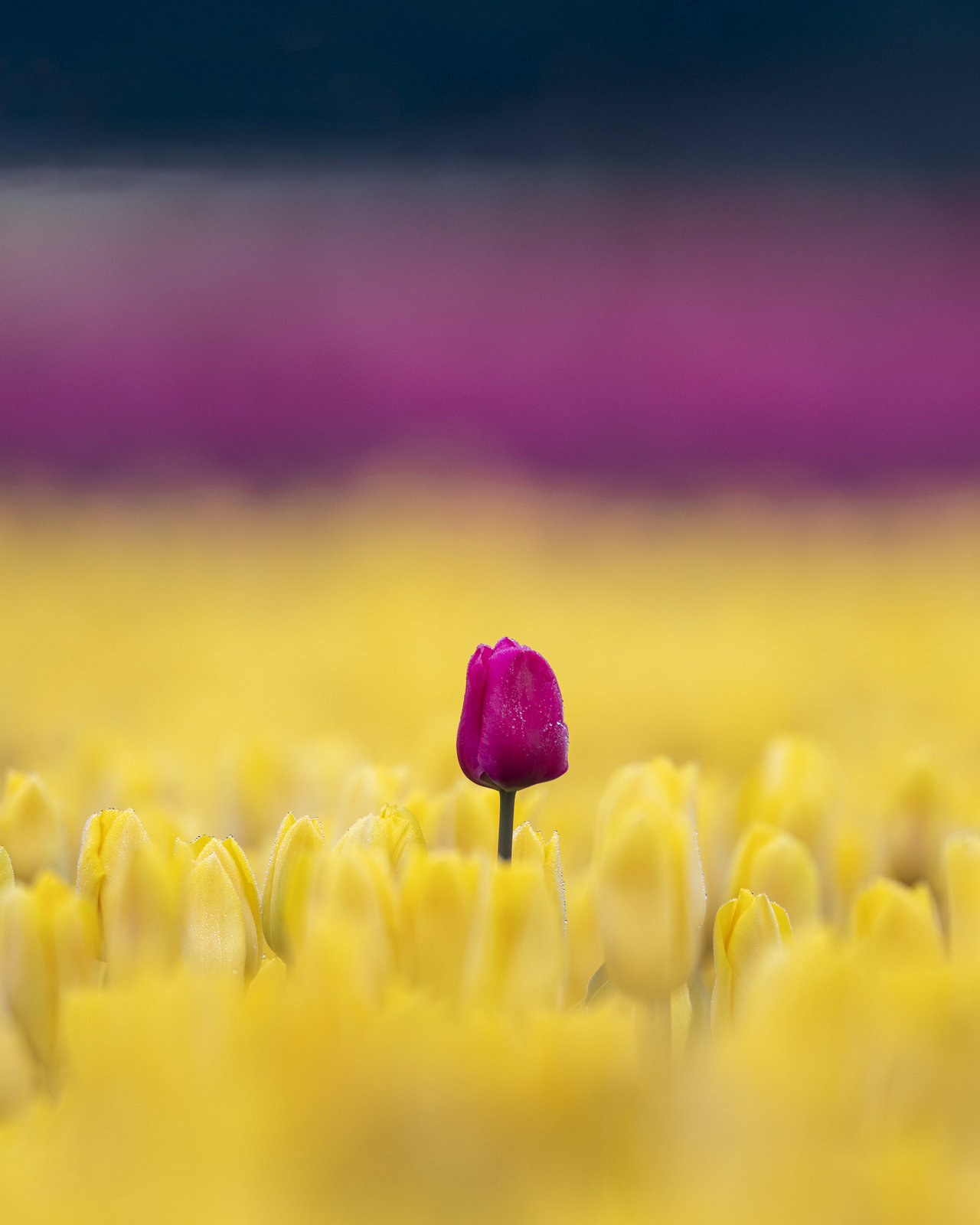
For tulip photography, we are looking for a composition that allows one flower to stand out amongst a field of so many.  The image from that original post:

Tulip (4028)

In the image above, I positioned myself to highlight the contrast between the flower and the background, allowing the subject to stand out clearly.  A fairly shallow depth of field also helped isolate the flower.

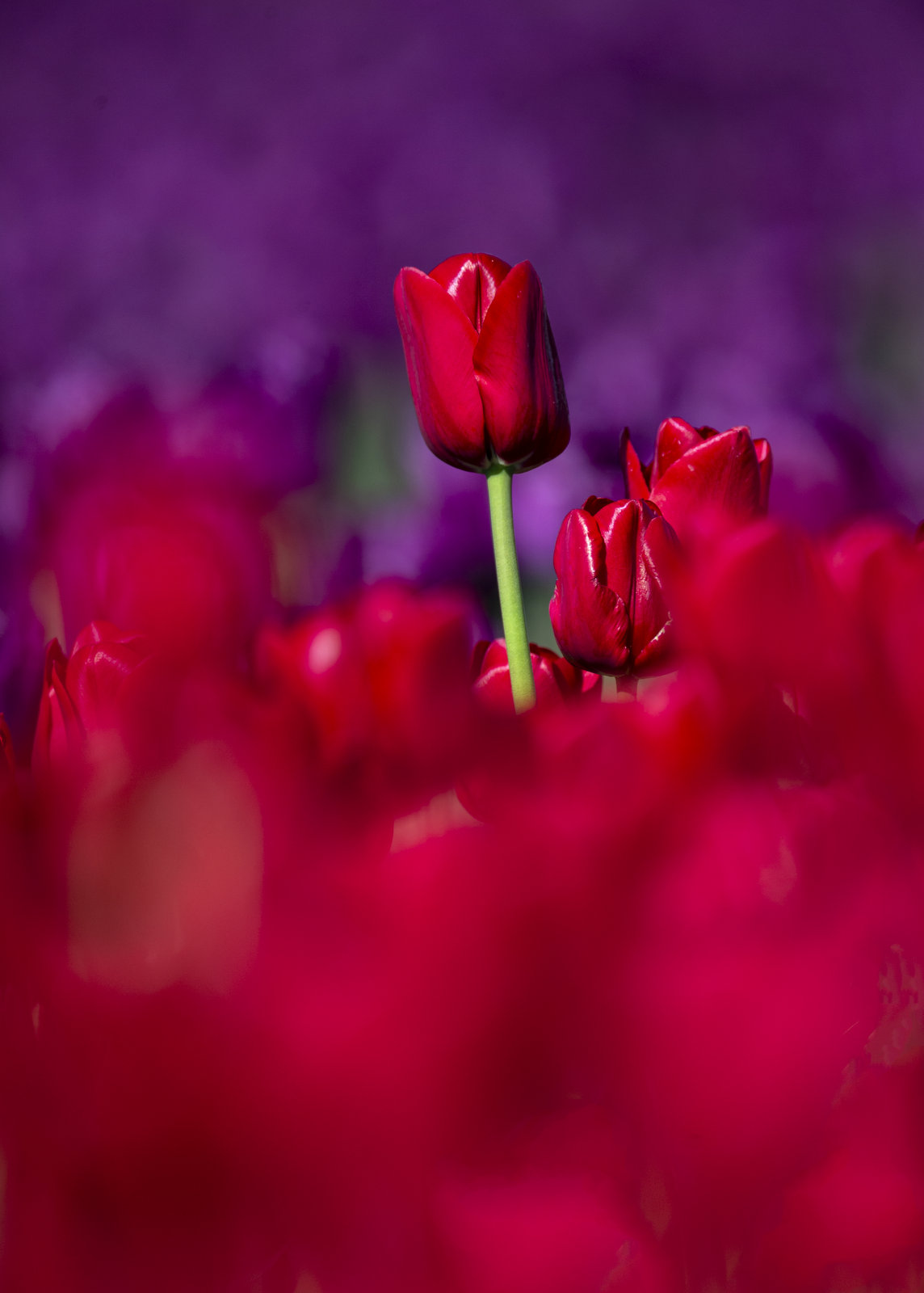
In the next image, I used a shallow depth of field to blur the background with only the subject (flower) being in sharp detail to catch our eye.

Tulip (2337)

In this shot I used both color and depth of field to isolate the yellow flower.

Tulip (4202)

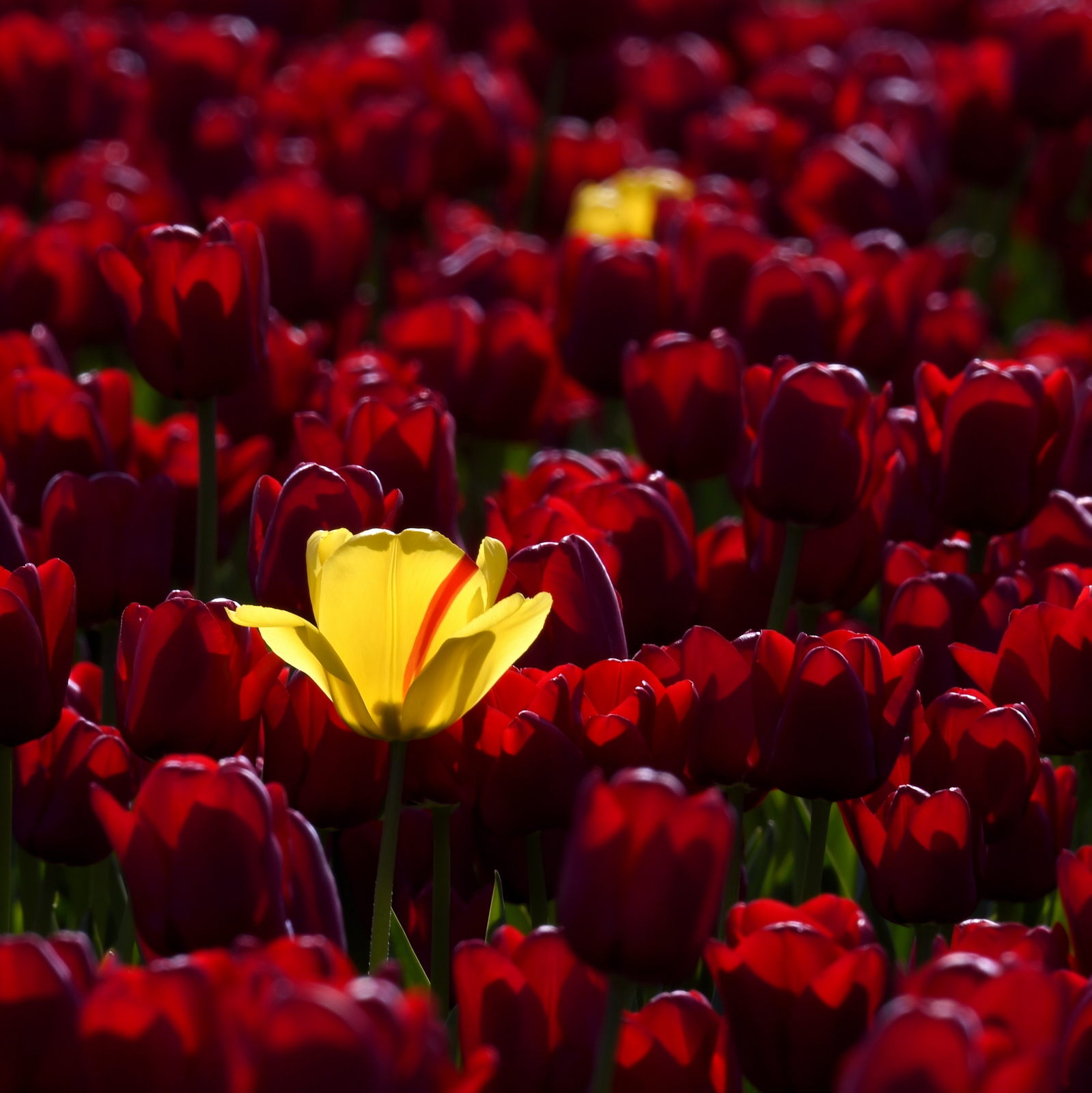
In the next image, I used the difference in color to highlight the yellow flower.  The backlighting adds a nice dash of drama to the scene:

Tulip (4222)

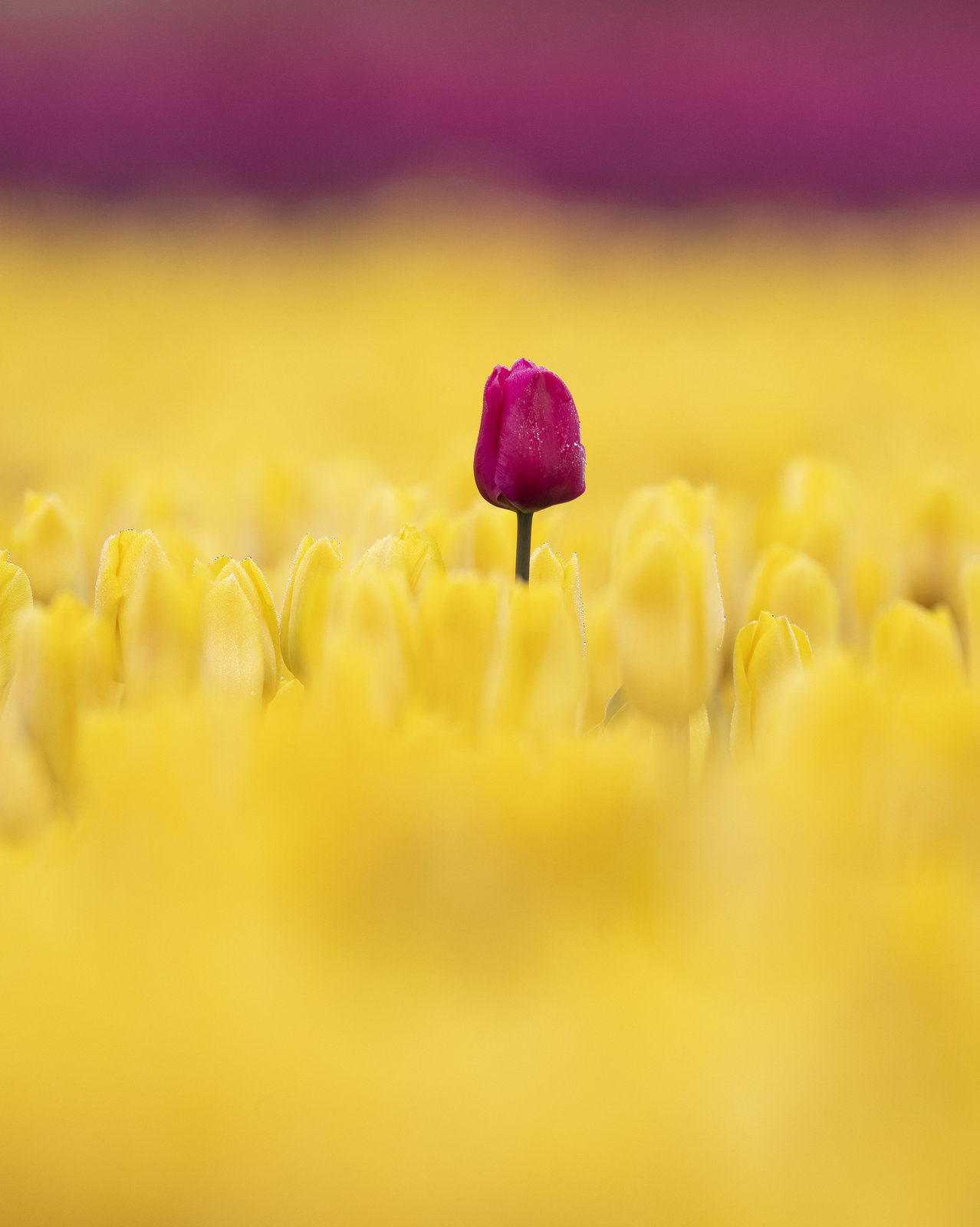
And for the next flower, we will explore how different compositions of the same scene offer a different feel:

Version 1:

Tulip (2199)

Version 2:

Tulip (2140)

Version 3:

Tulip (2135)

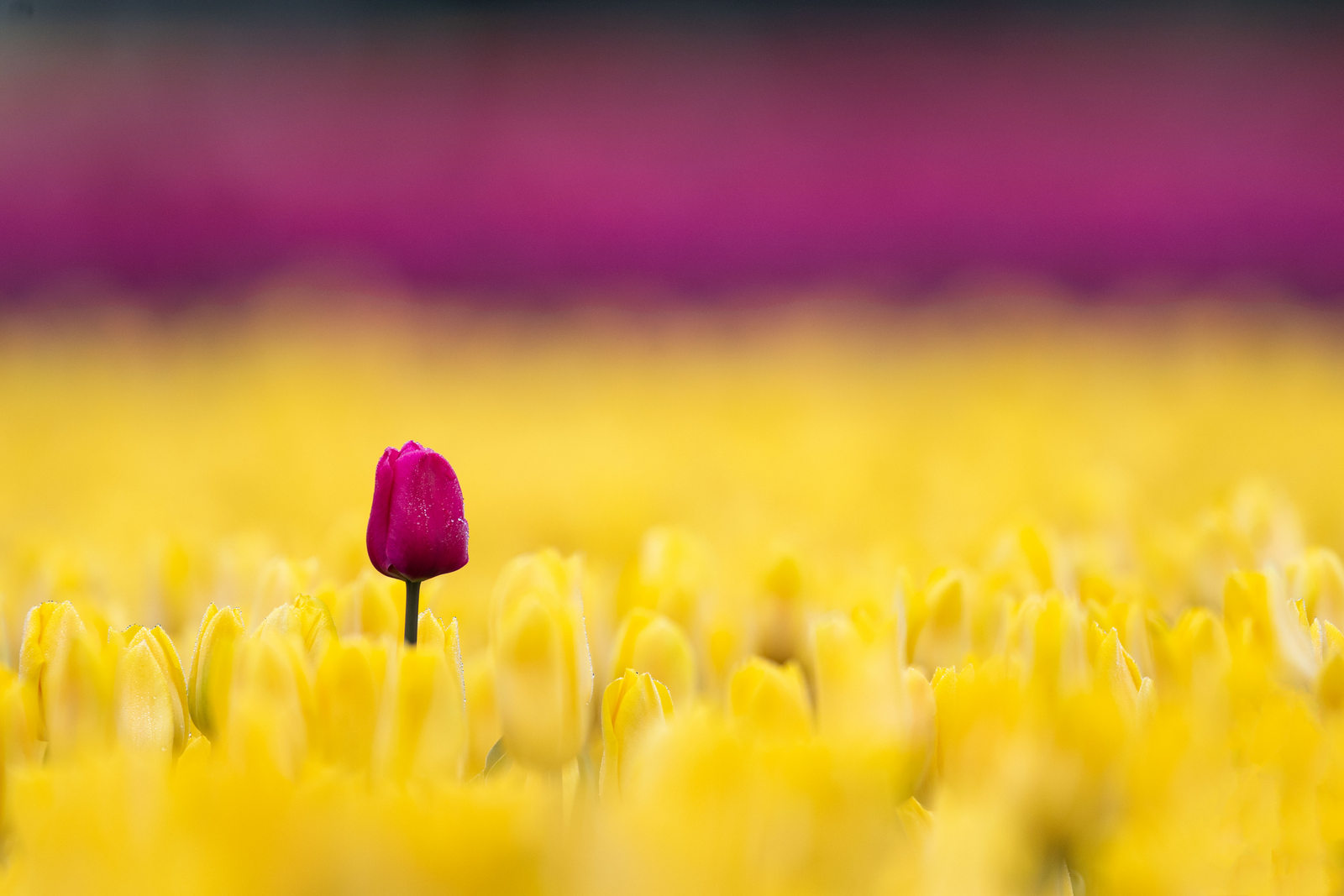
And Version 4 in Landscape:

Tulip (2199-L)

Have a favorite?  And between versions 1 – 4, do you find that one appeals to you most?

In terms of visual impact, I love the vibrant colors and fun contrasts.  And nonsensically, I find myself rooting for the lone flower standing bravely on her own.  Another example of the wonders of art and how we apply our own meaning, stories, and sagas to an otherwise “neutral” scene.


Until next month…..michael
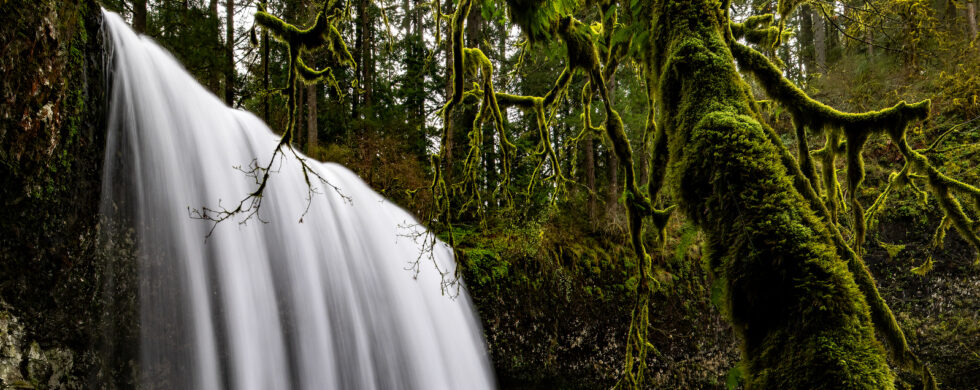


Nikon D500, Nikon 600mm, 1.4x TC, 1/640 sec, f/5.6, ISO 320

Fresh Flowers

Shot of the Month – June 2025

In April, I visited Washington’s famous tulip fields in Skagit County.   As I drove to the location, I was preoccupied with a concern:

“How am I going to create a unique image?  Many thousands of people photograph these same fields year after year after year after…….  What am I going to do that is any different?  Does the world really need another pretty tulip snap?”

I have visited the fields multiple times — It wasn’t my first rodeo.

I have done the classic “landscape” shot at sunrise:

Tulip Sunrise (054)

I have done some nice individual flower “portraits”:

Tulip (4028)

I have experimented with colorful birdscapes:

Savannah Sparrow-Magenta (1586)

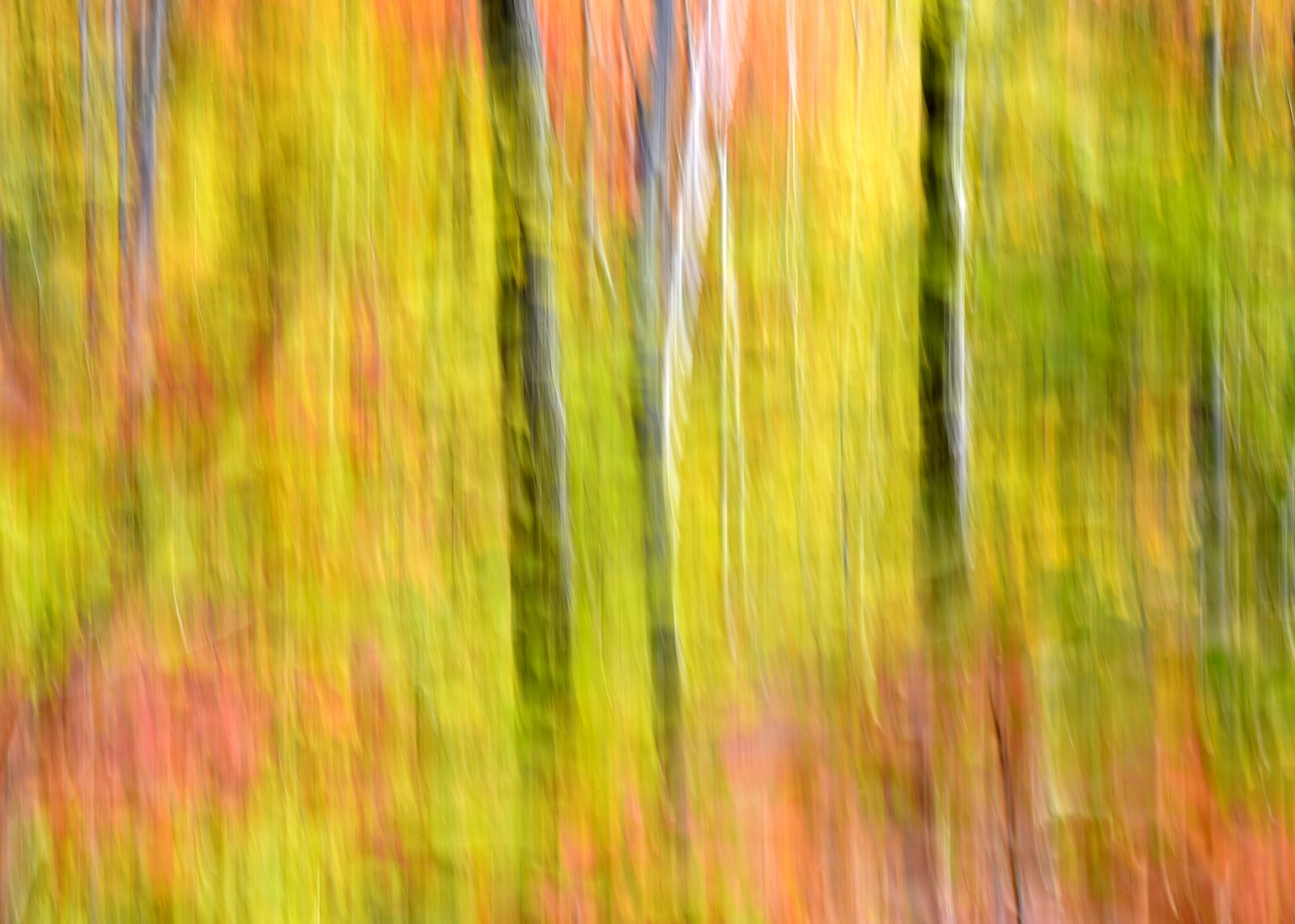
So what next?  How can I move the needle?  What is something new that I can try?  Something beyond pretty flower…?…hmmmm………….Then it dawned on me.  Many years ago, I experimented with slow shutter speeds and camera movement to add life to my autumn leaf photography, and I was stunned by the results.  For the foliage, I used a slow shutter speed and tilted the camera up or down while exposing the scene to get abstract images like this:

Autumn Abstract (5109)

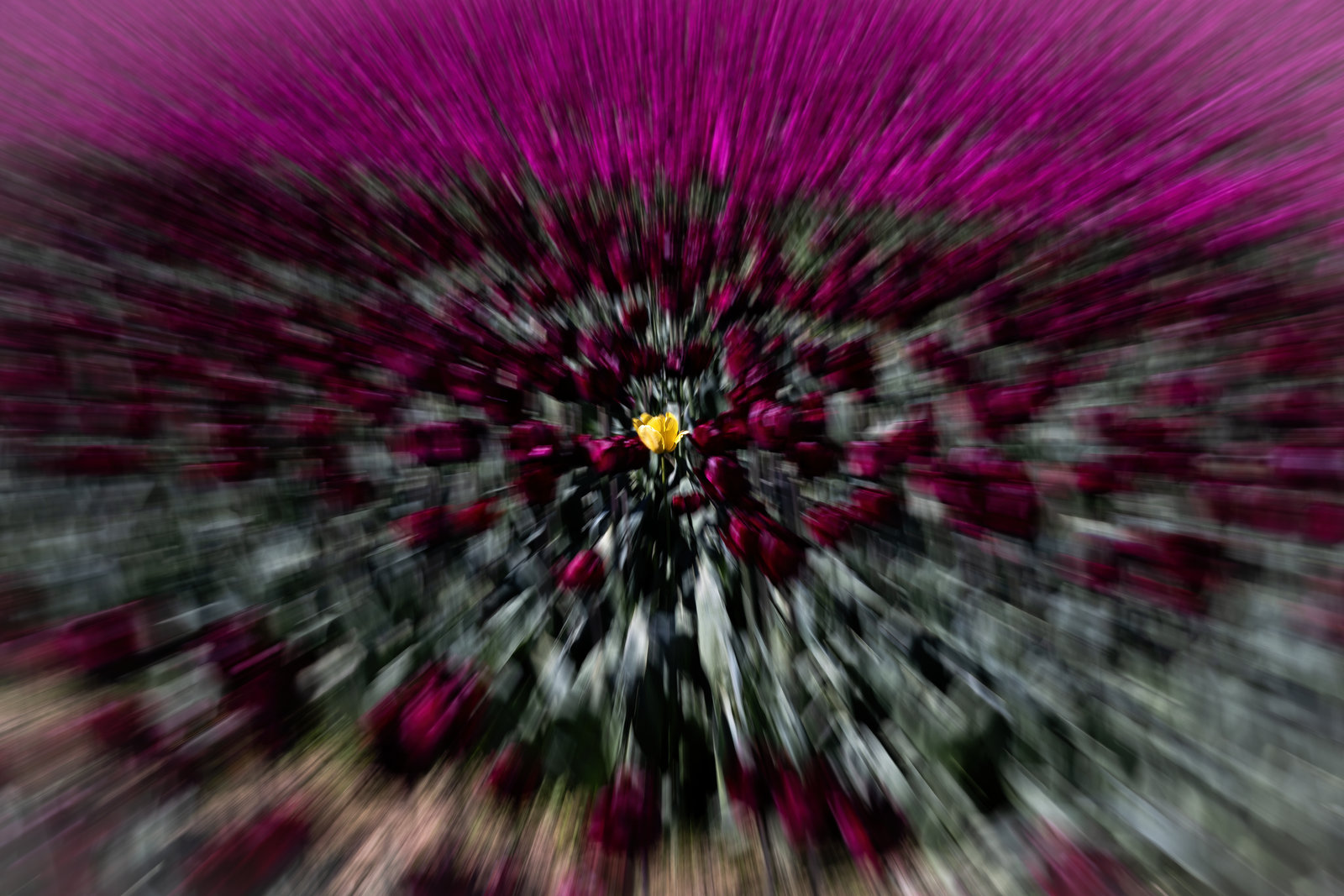
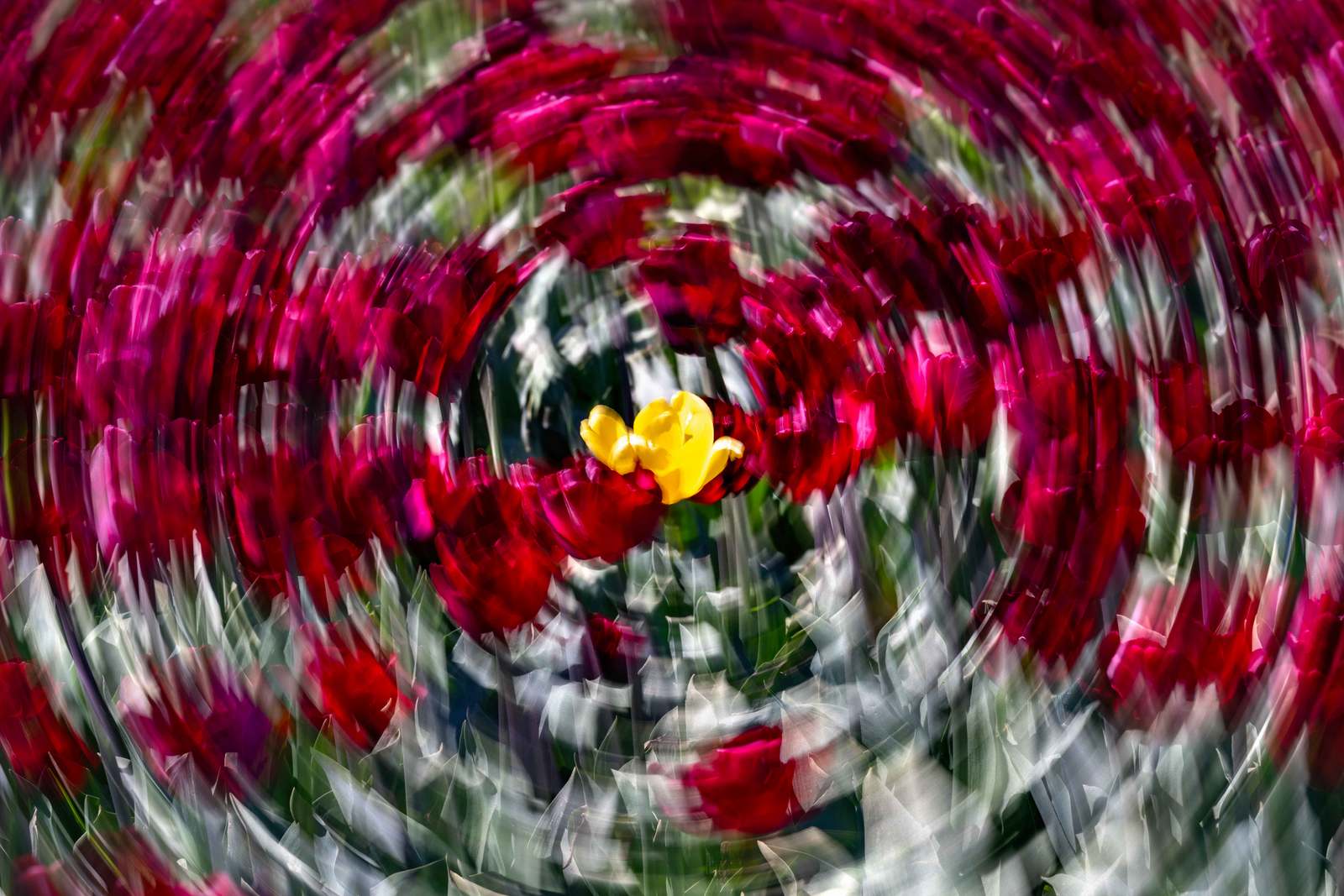
For the tulips, I decided to experiment with “zoom bursts.”  What’s dat?

“The zoom burst effect is a photographic technique creating radial streaks of motion by zooming a lens (in or out) while the shutter is open, using a slow shutter speed (like 1/30s or slower) and a steady camera (tripod recommended), resulting in an abstract, dynamic look that makes subjects appear to burst outward or rush inward, ideal for lights, cityscapes, or nature.”

Still confused?  Remember in Star Wars when they made the jump to lightspeed?  And all the stars came zooming by as streaks of light?  Yeah, that.  On this occasion, we replaced stars with flowers, and got something like this:

Shot #1:

Tulip Zoom (7998)

The yellow tulip provided a nice visual contrast and helped anchor the shot.

The key to creating the dynamic blurred streaks is to use a low shutter speed while zooming in or out during the exposure.  Other than that, there are no rules.  Just a lot of trial and error, experimenting with different shutter speeds and varying how rapidly to pull/push the zoom ring on the lens (So yes, a zoom lens is required to experiment with this technique).

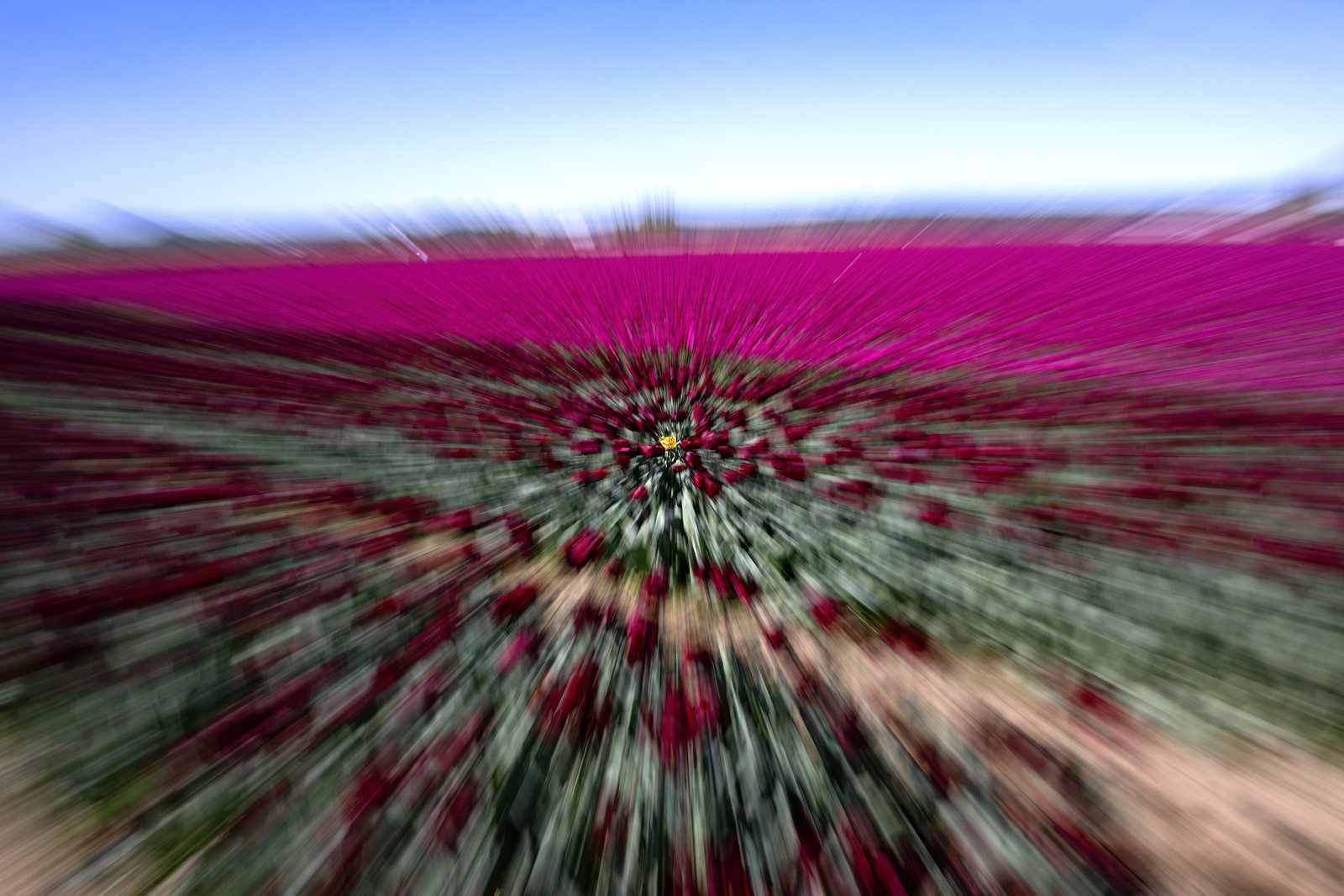
Another attempt from the same position:

Shot #2:

Tulip Zoom (8015)

And here is a wider perspective from the same location:

Shot #3:

Tulip Zoom (8018)

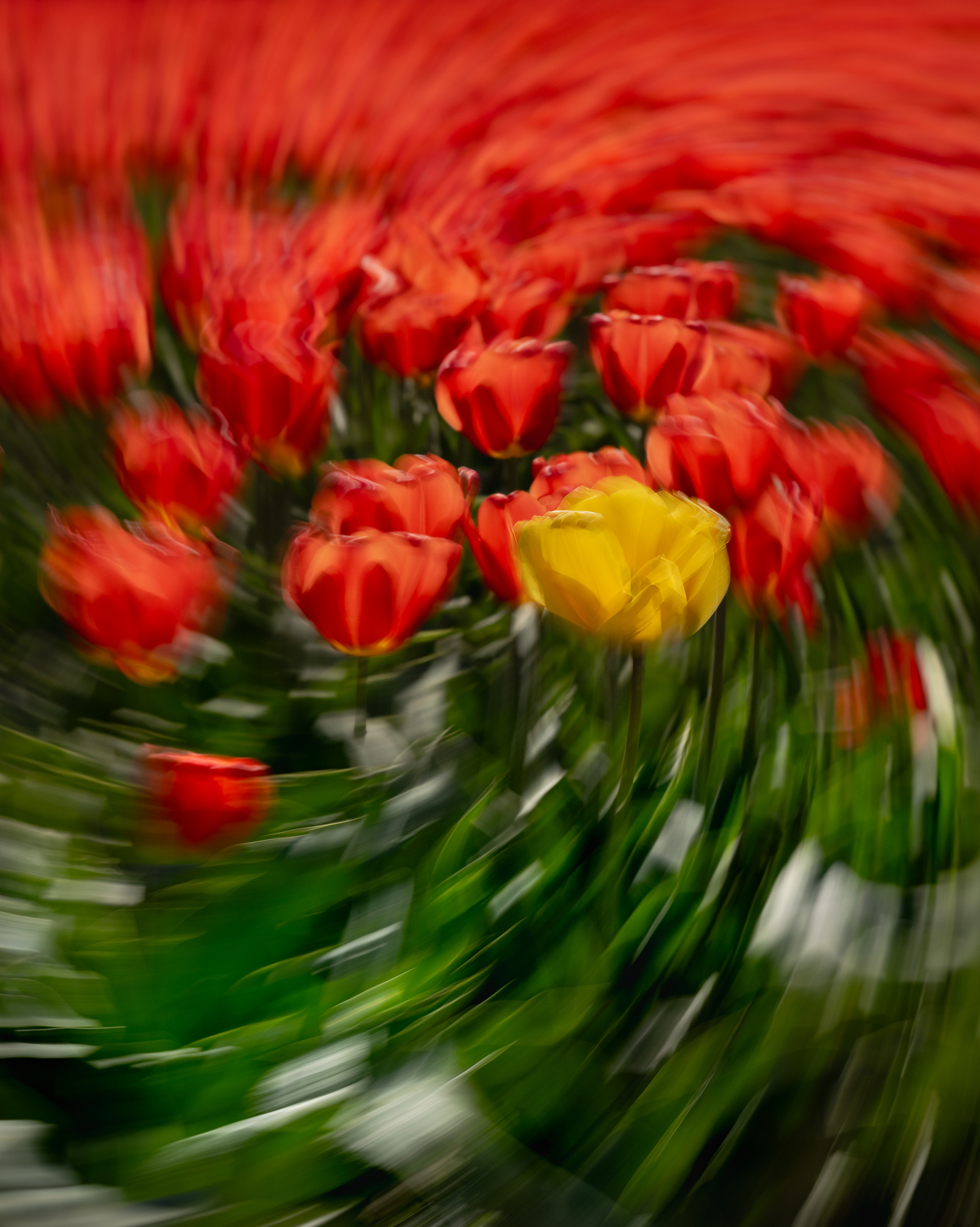
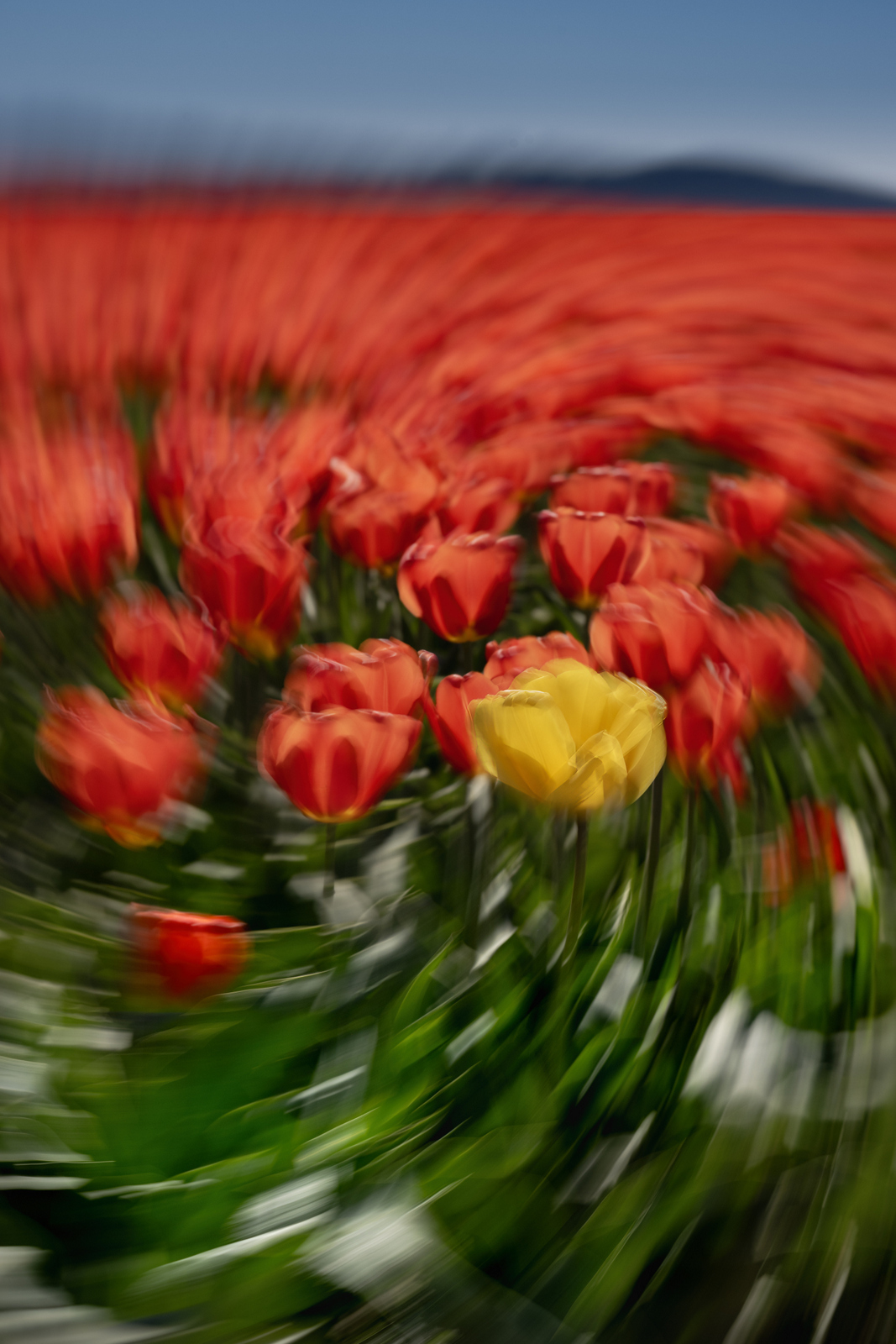
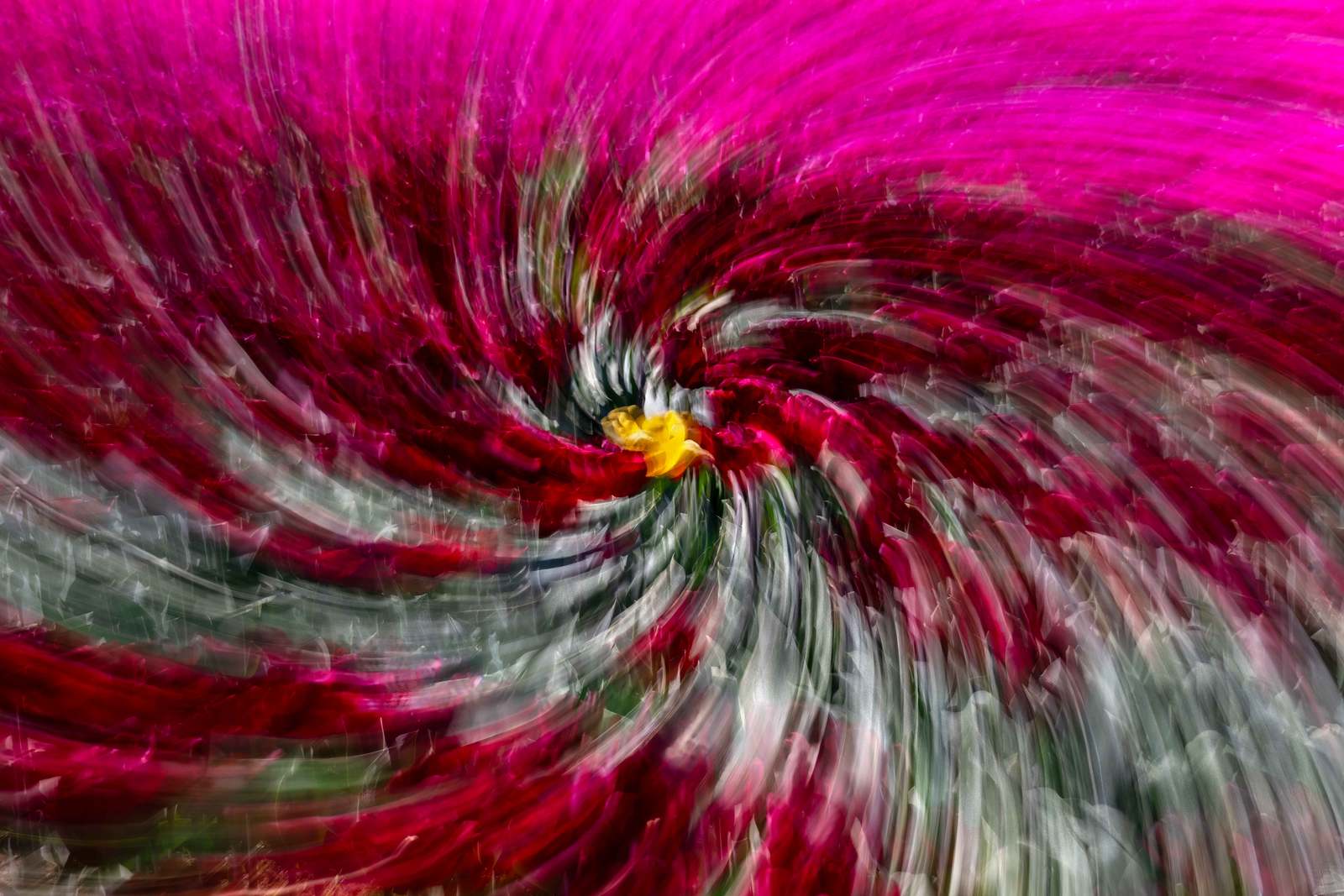
For an added “twist,” you can rotate the zoom ring as you are pushing or pulling the lens, adding a spiral effect to your radiating lines:

Shot #4:

Tulip Zoom (8386)

Here is the same shot with a wider field of view:

Shot #5:

Tulip Zoom (8386w)

Typically, only the subject at the center of your image will be in focus, but you can experiment with off-center subjects, and sometimes you can get it reasonably sharp, as in the image above.

In the next image, I spun the lens 360 degrees with the yellow tulip dead center, creating a merry-go-round look:

Shot #6:

Tulip Zoom (8188)

In the next image, I did not spin the lens a full 360 degrees:

Shot #7:

Tulip Zoom (8202)

It seems like all of the flowers are being sucked into a vortex created by the yellow tulip.  Dude, so trippy….

I looked for subjects that clearly stood out from the crowd:

Shot #8:

Tulip Zoom (8477)

In the shot above, I used a relatively fast shutter speed and zoomed and rotated the lens only mildly, so the effect is more subtle.

Here’s a pretty field….

Shot #9:

Tulip Zoom (8067)

Ok, (yawn) what else you got?  Let’s jump to lightspeed (straight zoom pull, no twist):

Shot #10:

Tulip Zoom (8061)

Another version, but let’s push the zoom in a different direction:

Shot #11:

Tulip Zoom (8065)

Ok, one last shot with a wider perspective:

Shot #12:

Tulip Zoom (8053)

On some days, after so many years of photography,  it can be challenging to find the inspiration or vision needed to create something worthwhile.  Not on this day.  I had a blast experimenting with the new technique. After each shot, I excitedly checked the screen to see what magical combination of color and shape I may have captured. The hours passed quickly as I played with the limitless variations of shutter speed and lens movement.  And it was fun to study the scene with my new “mental lens” in looking for compositions that were conducive to the “zoom effect.”

What are your thoughts on this non-traditional view of the world?  Strike your fancy?  Any favorites among the group?


Until next month…


Shot #4:  Nikon Z9, Nikon 100-400 mm, f/11, 1/30 sec, ISO 64

Silver Falls State Park

Shot of the Month – May 2025

Lower South Falls (6694), Oregon

Stand in one spot for too long in the Pacific Northwest (PNW) and there is a good chance that you will be covered in moss before you know it, like the tree in my photo above.  The PNW is (in)famously wet, and all that rainfall produces some of the few remaining lush forests in the Northern Hemisphere.  Let’s break it down:

Pacific Northwest?

What exactly is the Pacific Northwest?  Turns out that this is a rather complicated question and no one can agree on exactly what geography is covered under this title.  The most common “definition” is that the PNW is made up of the US states of Oregon, Washington, Idaho and the Canadian Province of British Columbia.

What’s with the weather?

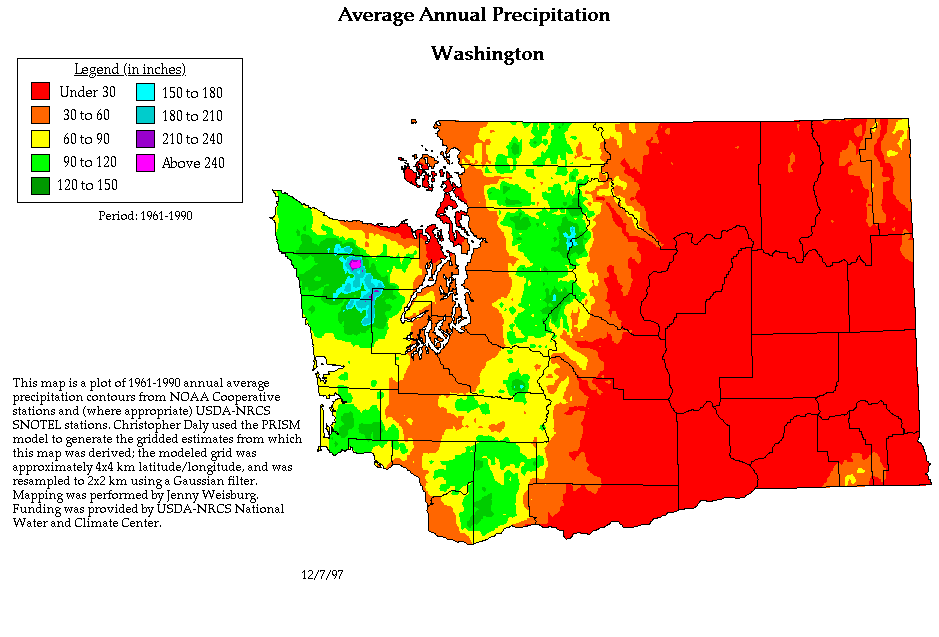
The PNW is famous for being wet.  In fact, it does not rain year-round as many assume, and the summers are very dry.  Most precipitation is during the winter, with areas west of the Cascade Mountains and along the coast getting the brunt of the wet stuff.  But areas on the eastern side of the Cascade Mountains can be arid due to the rain shadow effect.  Check out this animated graphic to see how the mountains impact rainfall levels.  Winters are so wet along the coast due to the “Pineapple Express,” a weather pattern that brings warm, moist air from Hawaii across the Pacific Ocean.  On the plus side, the temperatures are moderate/mild year-round thanks to the warm(ish) air from the ocean.  Western Washington is classified as Csb which is “warm-summer Mediterranean climate.”

Shocking Fun Fact:  I was blown away when I learned that New York City actually gets more rain than Seattle.  Yep, you read that right.  New York City averages 50 inches of rain annually while Seattle only averages about 37-40 inches each year.   And it gets crazier.  Seattle doesn’t even rank in the top 30 cities in the US for annual rainfall!  Click here to understand the shocking truth!.

Today’s color is Green

Put all that together, and you find luscious temperate rain forests all the way from Alaska, through the PNW, down to northern California.  Some areas can receive up to 12 feet of rain/year.  Squish.  These forests can have dense vegetation with every surface covered with some variation of fern, moss, or lichen.

Silver Falls State Park (SFSP)

A great place to experience this wondrous alchemy of water and vegetation is at the Silver Falls State Park in Oregon.  SFSP is located about 20 miles east-southeast of Salem, the state Capital.  There is a fantastic 8-mile loop that you can hike that takes you past (and sometimes under!) 10 waterfalls and through some glorious green and mossy forests.  Go in the spring when the snowmelt is at its peak to find the falls GUSHING with water and the surroundings bursting in shades of green.

In the image above, we see the Lower South Falls – you can actually walk behind this waterfall.

Here is another view of the same waterfall:

Lower South Falls (6653), Oregon

Does this scene not just scream Middle-earth??  I love the early morning fog and cacophony of colors and textures.  That mossy tree that we saw in the first image is on the left side of this image.

Here is Lower Falls, the most visited waterfall in the park:

South Falls, Silver Falls State Park (6627)

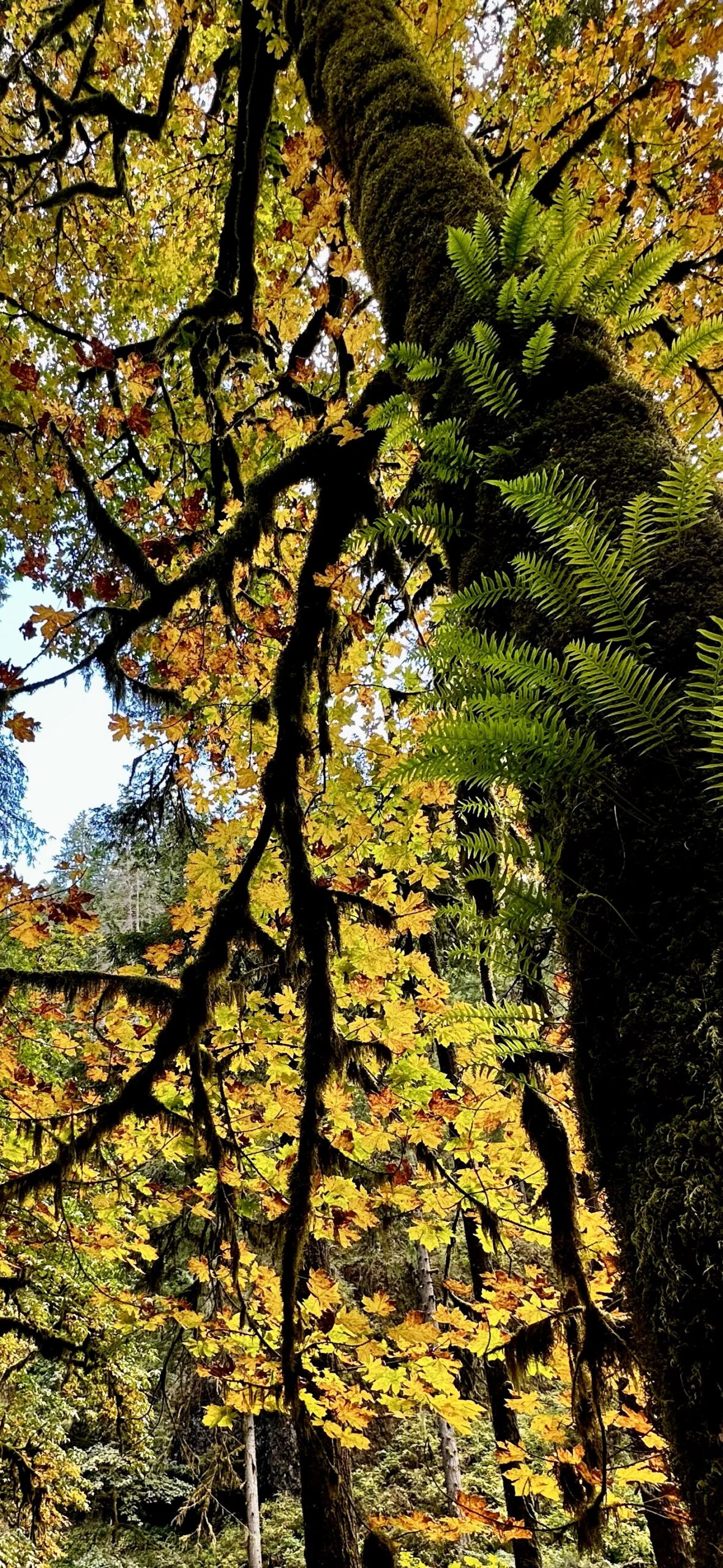
If you visit in the autumn, the water flow is much less as some falls slow to a trickle, but in compensation, you get a fun, albeit a bit odd, mix of Maine “fall” colors among the mossy forest.


Foliage, Silver Falls State Park (9674)

Either way, it is a visual treat.  Just keep moving, as the moss is always looking for its next host…


Until next month….m


Nikon Z9, Nikon 14-30 mm (@14 mm), f/16, 1/25 sec, ISO 64