
31
2025Pygmy Owl
Shot of the Month – March 2025
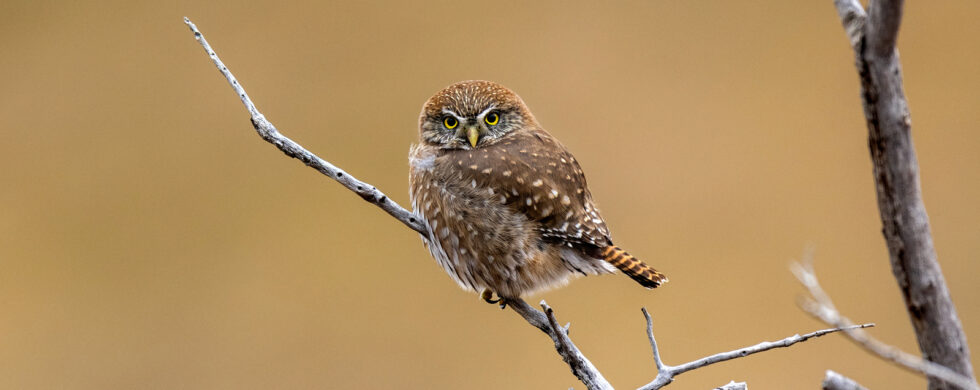
 While in Patagonia, I finally came across an owl I had been trying to see for ages – a Pymy owl. Just look at this stunning Liliputian cutie pie of a raptor. I am sure he would be none to pleased to hear himself being called a cutie pie – similar to how I imagine cats, the perfect miniature killing machine, hate when we ooh and ahh over their “adorable” ways. That being said, this tiny terror is not to be taken lightly – they are renowned to be quite fierce and have been seen taking birds almost double their weight.
(WHOOS a FIERCe LITTLE OWL? YOOOUU ARE!! Yeessss YOU Are!! (said in that annoying pet owner voice…)
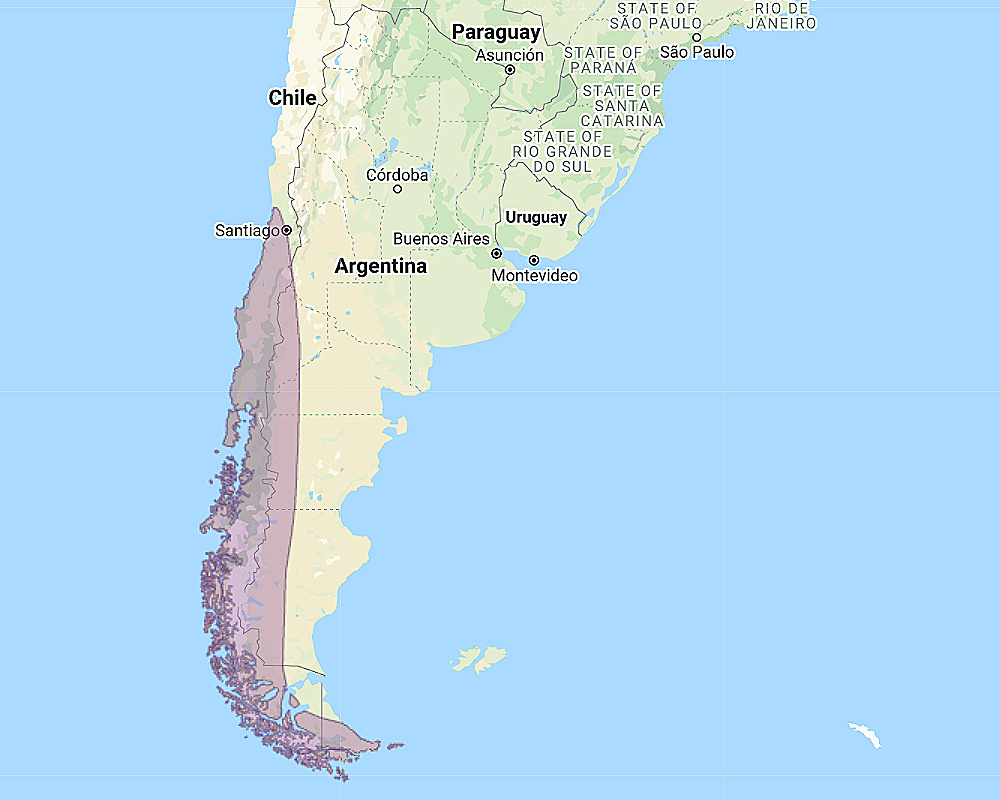
There are 29 species of Pygmy Owl scattered across the globe, and they can be found in Europe, Asia, Africa, and the Americas. The chappie in my photo is an Austral Pygmy Owl – they are found in two countries, Chile (mostly) and Argentina (less so). Locally, they are called Chuncho. The males weigh 56-75 grams (2.0 – 2.6 oz) while, as is common with many raptors, the females are larger and weigh 70-100 g (2.5 – 3.5 oz).
For those playing at home, a tennis ball weighs about 2 oz, and a deck of playing cards weighs 3.5 oz. The wee bird stands about 17-21 cm (6.7 – 8.3 inches). This tiny raptor hunts small birds, mammals, reptiles, and insects. These guys like to hunt during the day (diurnal), but they can hunt at night when the mood strikes.
A closer view:
Remember how it seemed that mom had eyes in the back of her head back when we were kids? Many raptors, including some species of pygmy owl, also give that impression, as seen here when my subject looked away:
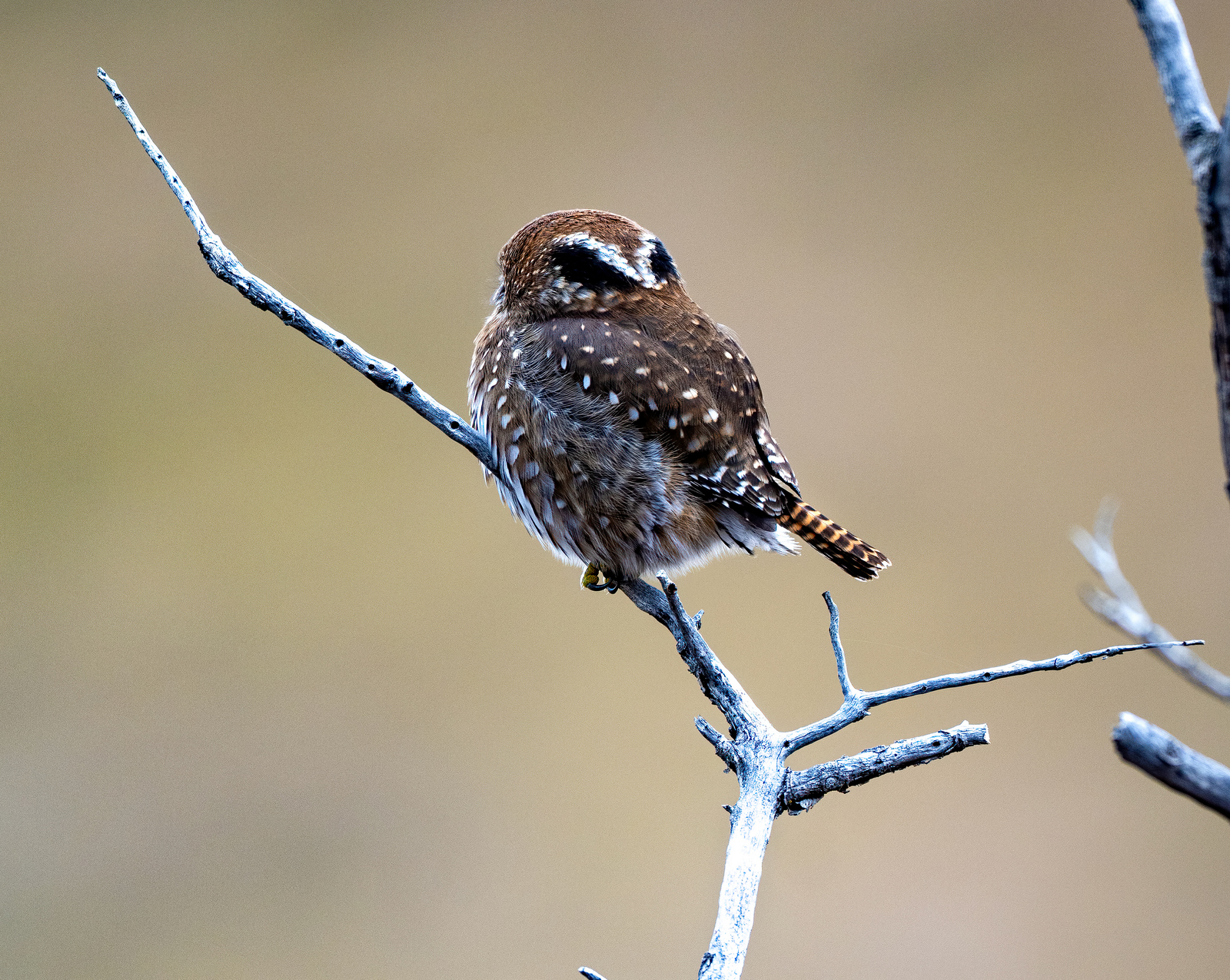
False eyes, called ocelli, are usually found on prey species to confuse predators. So why does this owl, a predator, have false eyes?? The Austral pygmy owl preys on a wide variety of song birds, which makes him very unpopular with that avian crowd. If prey birds find a resting owl, they will call out for reinforcements. Soon, the birds will mob the owl, dive-bombing and harassing him until he leaves – especially if the birds have nests nearby with chicks. One theory is that these false eyes help avoid getting attacked from behind. Some scientists think the large false eyes are actually designed to trigger the mob response, so birds come in close so the owl can then hunt them! What delicious subterfuge if true – using their rage against them!
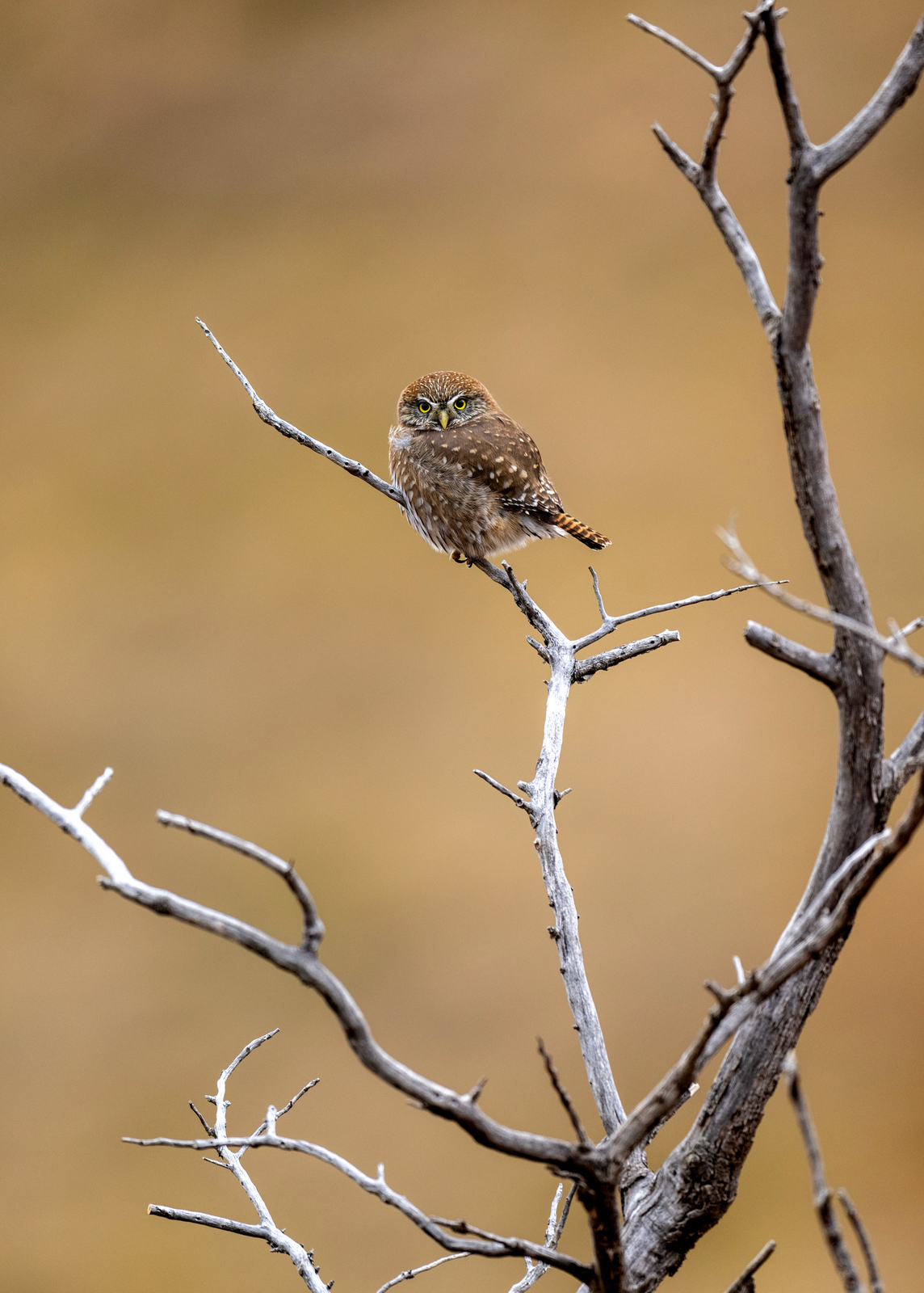
A small bird in a large world:

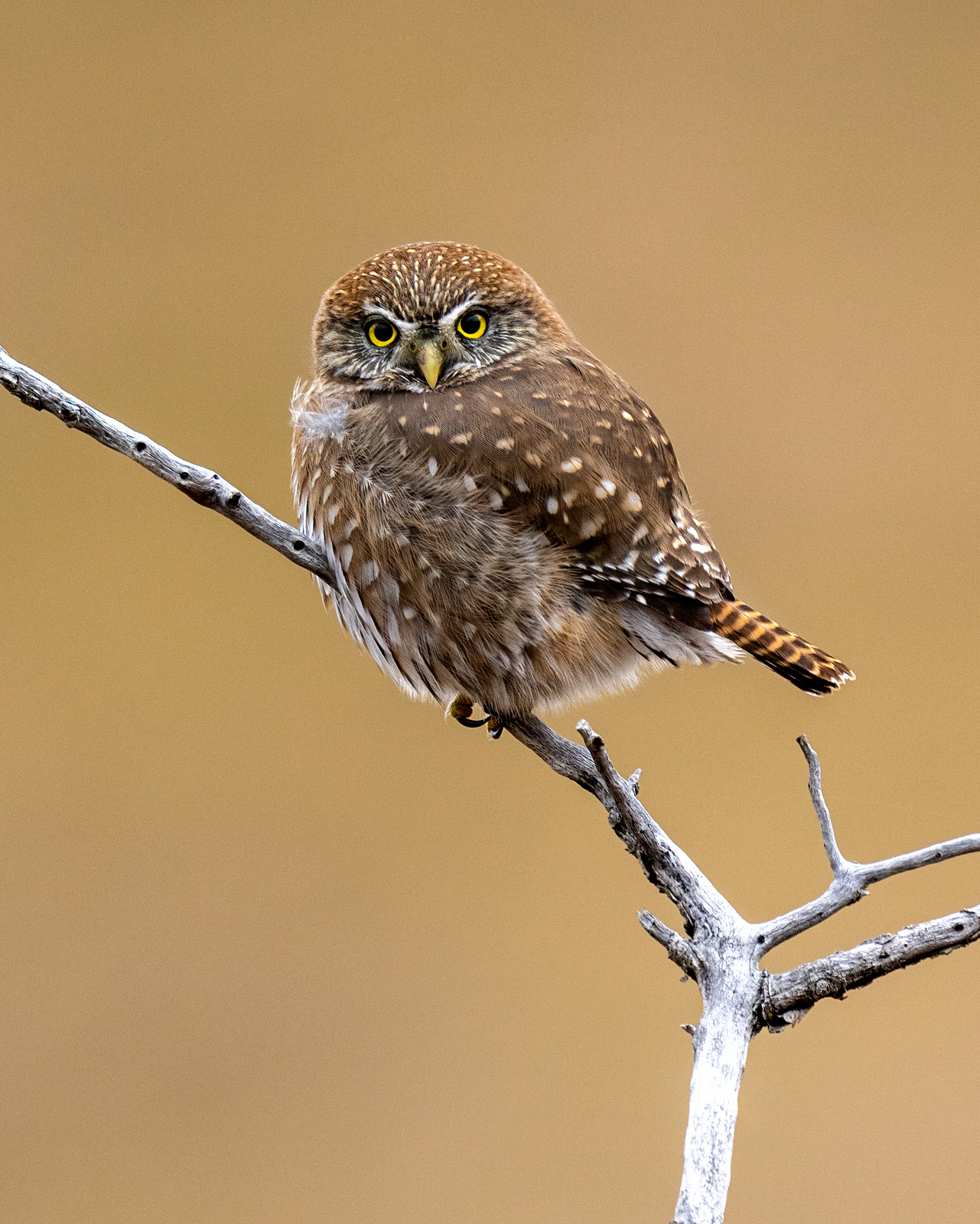
A closer look:

The Austral Pygmy Owl – the tiny but terrifying, diabolically deceptive (some say), geometrically perfect (tell me that head is not a perfect arc!) ball of feathers that is, yes, I still stand by it – adorable.
Until next month….michael
Nikon Z9, Nikon 600mm, f/4, 1/500 sec, ISO 400


Craig Koppelman
Such a small owl, nice post Michael. Great shots.